
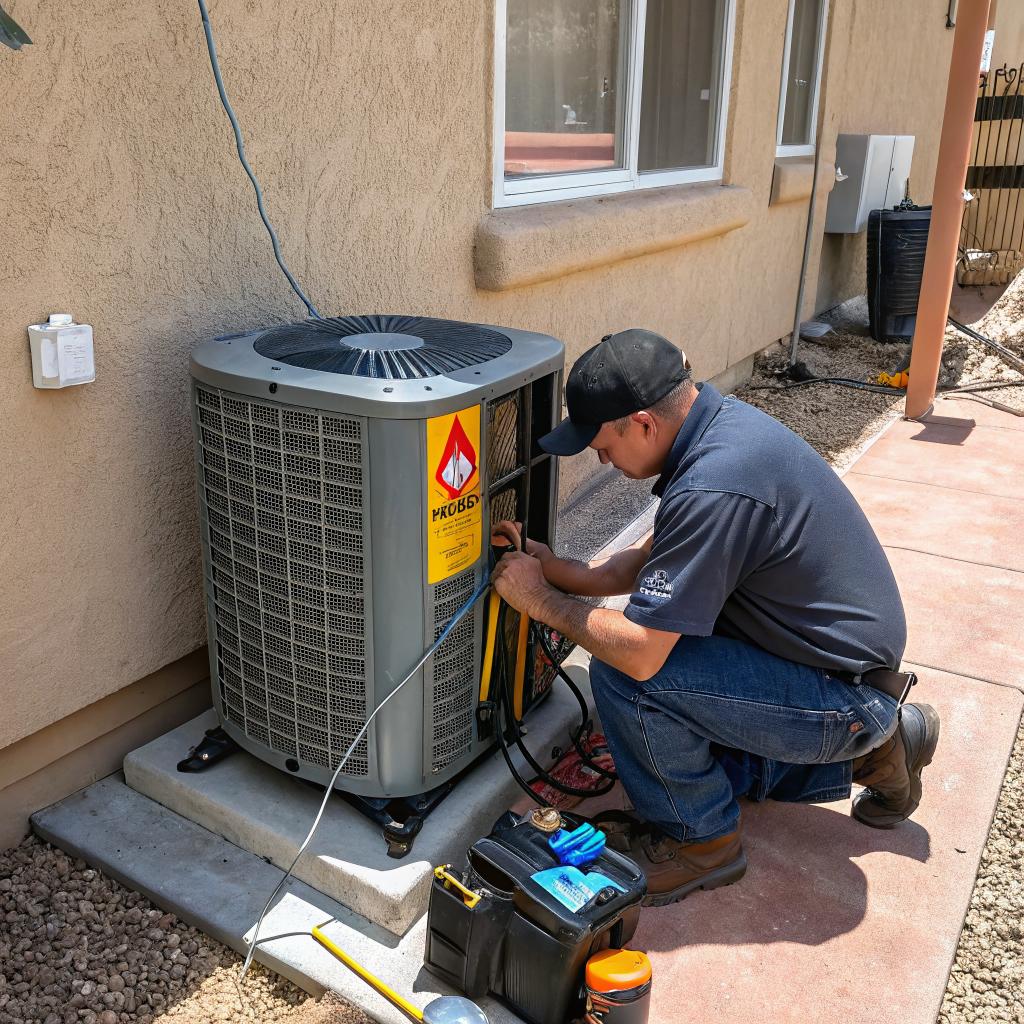
So, you are trying to figure out how AC repair in Albuquerque NM fits into keeping your home renovation dust free and livable. You fix this by getting your cooling checked, repaired, and sealed before and during the remodel, and by working with a local HVAC pro who understands how construction dust moves through vents and returns, such as a company that offers AC repair Albuquerque NM.
Most people start a renovation focused on flooring, cabinets, layouts, colors. The AC system is an afterthought, right up until dust is blowing out of vents, filters clog every week, and the house feels hot and stuffy when you are trying to stain floors or set new tile. In a dry city like Albuquerque, that mix of dust and heat can get overwhelming, and it can ruin finishes if you are not careful.
Here are a few things you need to know before any serious work starts.
- Your AC can spread construction dust all over the house if it runs unprotected.
- Leaky ducts pull dust from work zones and attics and push it into clean rooms.
- A failing or undersized system makes it hard for new floors and finishes to cure well.
- Good filtration and simple prep work keep air cleaner and workers more comfortable.
- Planning AC work around flooring installations can save money and headaches later.
Let me walk through how all this ties together, from planning the remodel to living in the finished space.
Why AC matters so much during dusty renovations
If you have ever watched a flooring crew rip up old carpet or grind concrete, you know how fast the air turns cloudy. In Albuquerque, with the dry air and fine dust, that cloud hangs around for a long time.
When the AC fan kicks on, it starts pulling that fine dust into the return vents. From there, it goes straight into the ductwork and the indoor unit. Then that same dust gets blown back out into every room.
So you might be trying to keep one room clean, maybe the bedroom where you are camping out, and you keep wondering, “Why is there a new layer of dust on everything every day?” Often, it is the cooling system recirculating all of it.
Your AC is not just cooling the air during a renovation, it is also a highway for dust unless you prepare it properly.
There is another side too. If the AC is not working correctly, your renovation slows down in ways that are less obvious:
- Glue and floor levelers can cure oddly when the house is too hot.
- Wood floors can cup or gap if temperature and humidity swing too much.
- Workers are less productive when the space is stuffy and overheated.
So even if you only think of AC in terms of comfort, it quietly affects the quality of the work as well.
How AC repair connects to dust control during renovations
You might think dust control is all about plastic sheeting, vacuums, and daily cleanup. Those are important, but the HVAC system sits at the center of how dust moves.
Here are a few very direct ways AC repair or maintenance helps:
1. Fixing duct leaks that suck in dust
Old or damaged ducts often have gaps, loose connections, or crushed sections. During a renovation, when dust is everywhere, those gaps work like little vacuums.
They pull in:
- Construction dust from nearby work zones
- Insulation fibers from the attic
- Sawdust from temporary cutting areas
Then that mix goes through your blower and into your living spaces. If you notice dust around vents or a faint layer on new floors within hours, duct leaks might be part of the problem.
A basic repair visit can:
- Seal visible leaks with mastic or tape rated for ducts
- Clamp and support sagging sections
- Check the connections at the air handler or furnace
This is not fancy work, but during remodeling it matters a lot more than usual.
2. Cleaning or replacing clogged filters more often
During construction, your standard filter schedule goes out the window. Dust load can jump 5 or 10 times above normal. If the filter clogs, air cannot flow well, and two things happen:
- The system struggles and can overheat or freeze.
- Some dust starts bypassing or finding other ways into the ducts.
Most people do not like changing filters all the time, so they push it. During a renovation, that is a bad idea.
A simple trick that I have seen work well:
Use cheaper filters and change them more often during the dusty phases of a renovation, then switch to better filters once the heavy work is done.
You protect the equipment without wasting expensive high‑MERV filters that will clog in days.
3. Protecting the indoor unit from heavy debris
If your indoor unit is in a garage, utility room, or a closet near the work area, it is at risk. Sawdust, drywall dust, and debris can collect around it and get pulled inside.
An AC tech can help you by:
- Capping or covering return openings during short intense phases, like sanding floors
- Checking the evaporator coil for dust buildup after demolition
- Making sure the condensate drain is not packed with fine dust or sludge
This is not about perfection. It is more about preventing a thick layer of grit on the coil that would later drop your cooling performance and hurt air quality.
Timing AC repairs around your renovation schedule
People often ask, “Should I fix or replace the AC before or after the renovation?” The answer can vary a bit, but there is a practical way to think through it.
Here is a basic table that compares timing options:
| AC work timing | Pros | Cons | Best when |
|---|---|---|---|
| Before renovation |
|
|
Existing AC is failing or very unreliable |
| During renovation |
|
|
Major layout changes or new additions are planned |
| After renovation |
|
|
Current system is working but older and near the end |
If your main goal is dust control during flooring and finish work, people often underestimate how helpful it is to at least get a repair and tune‑up before things get messy. Replacement can wait, but basic function and air flow should be solid.
Practical steps to keep AC from spreading construction dust
You can do a lot yourself with a bit of planning. This is where your renovation and your AC habits meet.
1. Decide when the AC stays off during dirty work
There are certain tasks where it is just better to shut the system off for a while:
- Tile cutting indoors
- Hardwood sanding
- Drywall sanding
- Grinding or leveling concrete slabs
If the AC has to run because of heat or humidity, try to limit the runtime to shorter bursts and keep returns covered where possible.
Some homeowners tape temporary filter material over return grilles. It is not perfect, but it catches a lot of heavy dust before it reaches the actual filter.
2. Use plastic barriers and control air paths
Carpenters already know about plastic walls and zipper doors. From an AC point of view, what matters is where the returns are placed.
For example:
- If a big return is inside the main work zone, that zone should be isolated and maybe have its own fan and window for exhaust.
- If the clean living area has returns, you want that area sealed off so it is pulling mostly from clean air.
You are basically deciding which rooms feed the HVAC system during different phases of the job.
3. Protect new floors from AC‑driven dust
Fresh flooring is especially sensitive. Here is where AC, dust, and renovation really intersect.
With:
- Wet finishes like polyurethane on hardwood
- Fresh grout on tile
- Newly applied self‑leveling compound
Fine dust can land on the surface and mark it permanently. Often that dust is recirculated by the AC fan.
So for a short window after these finishes go down, it can help to:
- Keep the AC fan set to “Auto” instead of “On” so it runs less.
- Plan dusty cutting and sanding work on different days than finishing work.
- Vacuum floors with a HEPA vacuum right before any finish is applied.
A lot of floor issues blamed on “bad product” are just dust that settled at the wrong time.
How Albuquerque’s climate changes AC needs during renovation
Albuquerque is hot, dry, and dusty. That combination is tough during remodeling.
You get:
- Higher cooling demand while workers run saws, lights, and tools.
- Fine outdoor dust that drifts in every time a door stays open.
- Big daily temperature swings that stress older AC units.
Some people think dry air means less dust problem. It is almost the opposite. Dry fine dust floats longer and finds its way into every vent and crack.
Because of the climate, AC repair and upkeep during a remodel is not just a luxury. It is part of keeping the house usable while work is going on.
In a dry place like Albuquerque, your AC often ends up fighting both heat and dust at the same time, and a renovation pushes it even harder.
Renovation planning: AC and flooring together
Since this is for people interested in flooring and renovation, let me tie AC work more directly to common project steps.
During demolition
This is the dustiest stage.
Good habits here:
- Turn the AC off during heavy rip‑out when possible.
- Seal supply registers in rooms under demolition with removable tape and plastic.
- Set up box fans in windows to blow dust outward.
- Schedule a filter check or simple service halfway through if the project is long.
If your AC is already weak, this is also when it might fail, because it is hot and the system is full of dust. Having it inspected before or early in demolition can help you avoid a peak‑season emergency call.
During rough work and layout changes
When walls move, ceilings open, or additions go up, that is your chance to improve airflow for long term comfort.
Things to discuss with your contractor or HVAC tech:
- Are there rooms that always felt warm or cold before? Now is the time to add or move vents.
- Do new rooms need returns or jump ducts so air can circulate?
- Is the existing AC size actually enough for the new square footage?
You do not want a beautiful new floor in a room that never cools evenly, because fixing that later might involve cutting into finished ceilings or floors.
During flooring installation
Different types of flooring behave differently with AC usage.
| Floor type | AC concern | Practical tip |
|---|---|---|
| Solid hardwood | Expansion and contraction with temperature swings | Stabilize the indoor temperature for a few days before and after installation. |
| Engineered wood / laminate | Gaps or cupping from big heat changes | Keep AC running enough to avoid big highs during the day. |
| Tile | Grout curing and surface dust | Limit fan runtime right after grouting; avoid extra dust sources nearby. |
| LVP / vinyl plank | Adhesive sensitivity to heat | Keep the home within the temperature range recommended by the floor manufacturer. |
If your AC is struggling, or if a repair is overdue, the timing near flooring work matters more than many people think.
AC repair checklist for a dust heavy renovation
Here is a simple checklist that covers both what a homeowner can do and what AC pros usually handle well.
Homeowner steps
- Walk through your house and note any rooms that were uncomfortable before the project.
- Check and change the AC filter right before major demolition starts.
- Buy extra filters in advance so you are not stuck mid‑project.
- Decide with your contractor when the AC should be off and when it can safely run.
- Plan plastic barriers to protect clean rooms where you are living or where flooring will go.
What to ask your AC technician to look at
- Inspect ductwork for leaks near construction zones.
- Check blower, coil, and drain for existing dust buildup.
- Test system performance so you know whether it can handle the coming load.
- Advise on filter type and change schedule during the dirtiest phases.
- Confirm that any added rooms or open layouts still match the system capacity.
If you get pushback like “dust does not really matter,” I would gently challenge that. In a real renovation, nearly everyone who ignored dust and AC together regretted it about halfway through, usually while wiping down surfaces at midnight.
How AC repair affects indoor air quality after renovation
Renovations leave behind more than fresh paint and floors. There is also:
- Fine dust in wall cavities and under cabinets
- Off‑gassing from new finishes and adhesives
- Residual odors from stains, caulk, and sealers
Your AC and duct system will collect some of this. If it was stressed or dirty during the project, it might continue to blow out that mix long after you think the job is done.
A post‑renovation AC service can help by:
- Cleaning the indoor coil if it has visible dust buildup
- Checking and clearing the condensate drain line
- Replacing or upgrading filters once the heaviest dust is gone
- Verifying that supply and return air are balanced in the new layout
Think of the AC system as part of the final clean‑up. You would not leave construction dust on your new floors, so it makes sense not to leave it sitting inside the air handler either.
Common mistakes homeowners make with AC during renovations
I have seen a few patterns repeat again and again. Some of them sound small, but they add up.
Running the fan on “On” all day
People set the thermostat fan to “On” to keep air moving and workers cooler. It feels nice, but it also means your system is collecting dust nonstop.
Solution: Use “Auto” when possible, and supplement with portable fans in work zones.
Waiting for a total breakdown before calling for AC help
During a renovation, the AC is under more stress than usual. Minor issues turn into full failures quickly.
Solution: If your system is already noisy, weak, or unreliable, schedule a check before work ramps up. It is cheaper than an emergency call in the middle of a heat wave.
Leaving return grilles open in heavy work areas
Big open returns sitting in the same room as a saw or sander will pull in a shocking amount of dust.
Solution: Cover or block returns during the messiest days, and direct airflow to cleaner parts of the house.
Do you always need a new AC for a major renovation?
Not always. Some people overreact and assume any big renovation means a new system. That is not true in many cases.
You might not need a new system if:
- Your current unit is under 10 years old and has had regular maintenance.
- You are not adding major square footage, just reconfiguring space.
- It cools fairly well now, with no major hot or cold rooms.
You might seriously think about replacing or upsizing if:
- The system is older than 12 to 15 years.
- You are adding rooms or opening up closed layouts into large great rooms.
- You have long‑standing issues like poor airflow, short cycling, or frequent repair needs.
Repairs aimed at dust control and reliability can carry an older system through a renovation, but if it is near the end of its life, you might just be spending money to keep it breathing a bit longer.
Simple ways to keep your AC healthier after the dust settles
Once the flooring is in and the last contractor leaves, the temptation is to forget about all of this. Still, your AC has just gone through a rough period.
A few habits can help it recover and stay cleaner:
- Do a deep clean of registers and returns with a vacuum and damp cloth.
- Change the filter again a few weeks after the last construction task.
- Keep entry mats at doors to cut down on outside dust on new floors.
- Run the system with good filters for a few months to catch lingering fine particles.
None of this is complicated, but it supports both your indoor air quality and the new finishes you just paid for.
Quick Q&A to wrap it up
Can I run my AC while sanding floors?
You can, but it is not ideal. If you must run it, keep it on “Auto,” cover returns in the sanding area, use temporary filters over grilles, and plan to change the main filter right after.
Will duct cleaning fix all dust problems after a renovation?
Duct cleaning can help if your ducts are heavily coated, but it is not magic. You still need good filters, sealed ducts, and a reasonably clean indoor unit. Think of it as one part of a bigger air quality plan.
Is it overkill to call an AC tech just for a renovation?
Not if your project is large, includes flooring, or runs through the hottest months. A short visit to check seals, filters, and basic performance can save you from hot days, dusty rooms, and possible equipment failure at a very bad time.
What part of your renovation do you think will create the most dust, and how is your AC set up to handle it right now?