
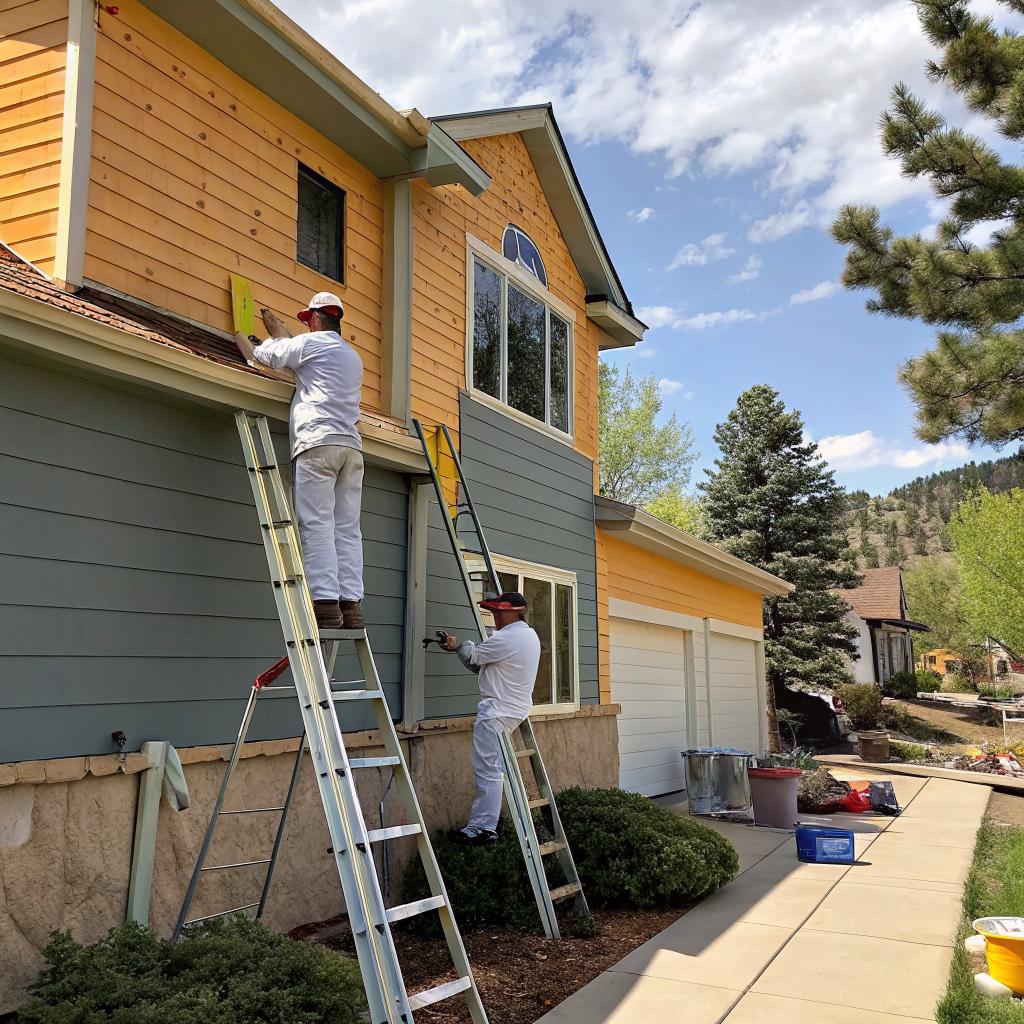
So, you are looking for the top painting companies Colorado Springs homeowners trust, especially if you care about home renovation and flooring.
The direct answer is that the most trusted painting companies in Colorado Springs are the ones that combine solid prep work, clear communication, and respect for your home, including your floors, trim, and existing finishes.
You probably want more than just a random list of names. You want to know how to sort the pros from the ones that leave paint on your baseboards, dust on your new vinyl plank, and missed spots on your ceilings. Maybe you care about how paint ties into the rest of your remodel, like new flooring, cabinets, or updated lighting. That connection is where the good companies really stand out. They do not just throw color on walls. They help your whole space feel put together.
Here are some things you need to know before you pick a painter in Colorado Springs:
- High altitude and intense sun in Colorado Springs are tough on exterior paint, so product choice and prep matter a lot.
- Good painters protect flooring and other finishes like they are their own, not just as an afterthought.
- Moisture, temperature swings, and older stucco or siding change how exterior paint performs.
- Interior projects often go better when coordinated with flooring and other trades, not squeezed around them.
- Detailed written estimates protect you from surprise costs and vague promises.
- Good companies talk openly about scheduling, touch ups, and what happens if something goes wrong.
You will see the best option if you search for Simplify Painting Colorado Springs, but once you know what to look for, the field shrinks fast. And that is a good thing.
What “Top” Really Means For Colorado Springs Homeowners
When people say “top painting company,” they often think of online ratings. Reviews matter, but they are not the whole story.
A painting company that Colorado Springs homeowners truly trust usually has a few real world traits:
- They show up when they say they will.
- They protect your floors, furniture, and fixtures without being asked twice.
- They have clear, simple contracts that you actually understand.
- They care about how the paint will look next year, not just on the last day of the job.
- They admit when something needs to be fixed and then fix it.
The best painting company for you is the one that respects your time, your budget, and your home, not just your money.
You can have a 5 star painter who is still wrong for your job if they rush prep, ignore your new flooring, or upsell you on products that do not fit Colorado Springs weather or your actual needs.
Why Colorado Springs Is Tough On Paint
Colorado Springs is not the easiest place for paint. At all. The climate hits both interiors and exteriors.
High Altitude UV And Exterior Paint
The sun here is not gentle. That strong UV does a few things:
- Fades cheaper paints faster, especially bold reds, blues, and dark grays.
- Breaks down low quality binders, which leads to chalking and peeling.
- Heats darker colors on siding and trim, stressing caulk lines and joints.
A top exterior painter in Colorado Springs knows how to work with:
- High quality acrylic exterior paints designed for UV resistance
- Proper primers for weathered wood, stucco, and older paint layers
- Caulks that stay flexible when temperatures swing
If a company shrugs and says, “All paints are pretty much the same,” that is a red flag. They are not.
Freeze, Thaw, And Moisture
The temperature swings are rough. You can have freezing nights and warm afternoons. That movement affects:
- Stucco hairline cracks that open and close
- Wood siding that swells, contracts, and pulls nails
- Caulk lines that fail early when the wrong product is used
Top painters take this seriously. They might:
- Recommend lighter exterior colors to reduce heat stress
- Scrape and sand down to stable layers before painting
- Use elastomeric or flexible coatings on problem cracks
If you care about long term value, these details matter more than fancy marketing.
How Painting Connects With Flooring And Renovation
Since you are on a site about home renovation and flooring, it is fair to assume you care about how painting fits into the bigger picture. The short version: it is all connected.
Paint can ruin new flooring if a crew is careless, or it can help your floors look more expensive if the colors and sheens are chosen well.
Protecting Floors During Painting
This is one of those things homeowners assume is obvious. It is not, at least not to every painter.
Here is what careful floor protection looks like:
- Ram board or heavy paper on hardwood, tile, and finished concrete
- Plastic and taped edges on carpet, not just a loose drop cloth
- Protected stair treads if painters are going up and down often
- Separate paths for workers so they are not dragging ladders across new planks
You might think this is overkill. It is not. Replacing one damaged plank in a new floor is a headache. Trying to match old stain or pattern can be even worse.
If a company says they use “a few drop cloths” and that is it, I would be nervous.
When To Paint During A Remodel
Timing is where painting and flooring often clash. Every trade thinks they should go first. The real world answer is more nuanced.
Most of the time, this sequence works best:
- Rough work: framing, electrical, plumbing, drywall repair
- Priming and first coat on walls and ceilings
- Flooring installation
- Final coats on walls, trim, and touch ups
This way:
- Painters are not dripping on finished floors during heavy sanding and wall repairs.
- Floor installers do not damage finished baseboards as much.
- Final paint can cover small dings from flooring tools.
Not every project can follow this perfectly, but a good painting company at least talks through the timing with you and your flooring installer instead of ignoring it.
Key Qualities Of Trusted Painting Companies In Colorado Springs
You can tell a lot about a painting company before they ever bring a ladder inside.
1. Clear, Written Estimates
A vague estimate leads to awkward conversations. A good one lists:
- Which rooms, walls, ceilings, and trim are included
- What surface prep is included: patching, sanding, priming, caulking
- The brand and line of paint, including the sheen
- Number of coats per surface
- How they will protect floors, furniture, and fixtures
- What is not included: major drywall repair, carpentry, moving pianos, etc.
A quick “ballpark” text without details is not careful enough for most homes, especially if you have just spent money on new floors or cabinets.
2. Real Prep Work, Not Just Buzzwords
Prep is where time goes. Any company can roll paint. Not every company does the boring part well.
Good prep can include:
- Cleaning greasy kitchen walls before painting
- Scraping loose exterior paint and sanding edges smooth
- Patching nail holes and small dents, then sanding flush
- Spot priming stains, water marks, or raw patches
- Caulking gaps at trim and baseboards
If a painter says, “We do whatever prep is needed,” but never explains what that actually means in your house, you do not really know what you are buying.
You can ask direct questions:
How will you handle peeling paint on the fascia?
How do you deal with hairline cracks in my stucco?
What do you do around my new baseboards?
Their answers tell you more than any slogan.
3. Respect For Your Schedule And Space
Professional does not have to mean stiff, but it does mean predictable.
Look for:
- Set start times, not a vague “we will swing by in the morning”
- Daily clean up, including vacuuming dust and collecting tape
- Workers who are fine with you being home, working, or on calls
- Clear notice when they will be spraying so you can plan around it
If they constantly change start dates, go silent for days, or leave tools scattered on your floors, that is a pattern that usually gets worse, not better.
Comparing Painting Companies: A Simple Table
Instead of relying on gut feeling alone, you can compare a few painters side by side. Here is a simple way to look at them.
| Factor | What A Weak Company Does | What A Trusted Company Does |
|---|---|---|
| Estimate | One vague number, no detail | Written scope, rooms, products, and prep described |
| Floor Protection | Thin drop cloths, no taping | Ram board or heavy paper, taped edges, plastic over carpet |
| Product Choice | Buys whatever is on sale | Recommends paint lines that handle Colorado UV and temperature swings |
| Scheduling | Rough windows, frequent changes | Specific dates, clear updates when things shift |
| Prep Work | Quick patching, little sanding | Thorough patching, sanding, priming problem spots |
| Touch Ups | Says “that is good enough” | Uses natural and artificial light to check for missed spots |
| Communication | Short texts, slow replies | Explains steps, answers your questions, sets expectations |
You do not need perfection on every row, but if a company is in the weak column most of the time, trust will be hard to build.
Interior Painting In Colorado Springs Homes
Interior paint seems simple: pick a color, paint the walls. In practice, the small decisions add up, especially in remodeled homes with nice flooring or open layouts.
Choosing Sheen For Real Life
Sheen affects how walls look and how they handle real life.
- Flat or matte: hides flaws, nice for ceilings and low traffic walls, but marks more easily
- Eggshell: popular for most walls, some washability without too much shine
- Satin: stronger and easier to clean, good for kids rooms, hallways, some kitchens
- Semi gloss: trim, doors, and sometimes cabinets
In rooms with lots of natural light bouncing off glossy floors, high sheen paint on walls can look harsh. A careful painter will think about that and may steer you to eggshell instead of satin, for example.
Color And Flooring Together
If you just put in new floors, paint color choices should not be random. Some combinations clash badly in real life, even if they look fine on a screen.
Common issues:
- Gray floors with beige walls that have strong yellow undertones
- Warm red or orange-toned floors fighting with cool blue-gray walls
- Very dark floors making deep wall colors feel heavy and narrow
A good painting company may:
- Hold paint chips directly against your floor to see undertones
- Suggest samples on the wall near baseboards so you can see both together
- Test colors in different lighting during the day and at night
If a company says, “This gray works in every home,” they are overselling. It does not.
Ceilings, Trim, And Doors
People focus on walls, but ceilings and trim make a big difference, especially next to new floors.
Top interior painters in Colorado Springs:
- Use a consistent trim color throughout the home when possible
- Sand and caulk baseboards so they look clean next to your flooring
- Spray doors and trim when practical for a smoother finish
If your trim is old and beaten up, fresh paint can raise the whole look of the floor beneath it. You might not need new baseboards, just better prep and the right product.
Exterior Painting In Colorado Springs Neighborhoods
Exterior paint in this area needs to handle UV, freezing nights, and dry air. There is also the reality that houses are close together, and curb appeal matters.
Prep For Wood, Stucco, And Siding
Colorado Springs homes are a mix of:
- Wood siding and trim
- Stucco and synthetic stucco (EIFS)
- Fiber cement and vinyl siding
Good companies adjust their approach:
- Wood: scrape, sand feather edges, prime bare spots, replace rotten boards when needed
- Stucco: clean chalky surfaces, patch cracks, sometimes use elastomeric coatings
- Fiber cement: careful caulking of joints, proper primers when changing color depth
Sloppy prep might look fine for a year. Then it peels. Fixing that costs more than doing it right once.
Exterior Colors And HOA Limits
Many neighborhoods in Colorado Springs have HOA rules. Trusted painters are used to this and can:
- Help you pick colors that work inside your guidelines
- Provide color samples for approval
- Document the exact products used for future touch ups
That last part matters. If you need a repair in two years, knowing the exact brand, color formula, and sheen can save you from awkward patchy spots.
Questions To Ask Before You Hire A Painter
You do not need to interrogate a painting company, but a few careful questions can reveal how they work.
Questions About The Work Itself
- How do you protect floors, stairs, and furniture during the job?
- What prep do you expect to do on my walls/siding before painting?
- What brand and line of paint do you recommend for my project, and why?
- How many coats are included on walls, ceilings, and trim?
- Will you brush and roll, spray, or both? When and where?
If they struggle to answer, that is not a great sign.
Questions About Process And People
- Who will be at my house? Your own crew or subcontractors?
- Who do I talk to on site if I have a question or problem?
- What does a typical day look like while the project is happening?
- How do you handle punch list items or missed spots?
- What is your policy if paint gets on my floor or furniture?
Their reactions to these questions matter as much as the words. If they are annoyed by them, that tells you something.
Questions About Scheduling And Cost
- When can you start, realistically?
- How long do you expect the job to take?
- What could make the price change from your estimate?
- Do you require a deposit, and how much?
- When is final payment due, and what needs to be done first?
A trustworthy painting company is not afraid of questions, because clear expectations protect both you and them.
Red Flags To Watch For
Not every issue is a deal breaker, but some patterns should make you pause.
- No insurance or proof of it when you ask
- Only cash payments, no written contract
- Very low bids compared to others without a clear reason
- Unwillingness to list specific products and sheens
- No discussion of floor, furniture, and exterior protection
- Pressure to make a decision immediately
On the flip side, do not assume the highest priced painter is the best. Sometimes you are just paying for overhead, not care.
If your priority is lasting results and protection of your floors and finishes, a midrange, steady company with strong reviews can be a smarter choice.
How Painting Affects Your Home’s Value
If you care about resale or just not wasting money, paint plays a bigger role than many homeowners think.
Interior Value
Neutral, modern colors and clean lines usually help:
- Buyers focus on space and layout, not distracting colors
- Fresh paint hides old smoke or cooking odors when done correctly
- Trim and doors that look clean make floors and cabinets feel higher end
This is where paint and flooring connect. If your floors are updated but your walls and trim look tired, buyers notice. The reverse is also true.
Exterior Value
Fresh exterior paint often:
- Makes the home look cared for, which affects perceived value
- Protects siding and trim from moisture and sun damage
- Helps appraisers and buyers feel more confident about maintenance
Is it always worth repainting before selling? Not always. For some homes, pressure washing and touching up trim might be enough. A good painting company should be honest with you about that, even if it means less work for them.
Balancing DIY Painting With Hiring Pros
You might be debating whether to paint yourself or hire someone. That is not a silly question at all.
DIY painting can make sense for:
- One or two small rooms without complex trim
- Walls only projects when ceilings and doors are already in good shape
- Basements or garages where perfection is not critical
Hiring a trusted painting company makes more sense for:
- Two story great rooms or high stairwells
- Exteriors with peeling paint or wood rot
- Homes with new or expensive flooring that you do not want to risk
- Projects that need coordination with flooring, cabinets, or other trades
If you care about speed and consistent results, especially around your new floors, pros tend to win. I say that as someone who has seen plenty of DIY jobs start well and then stall halfway when people hit the tricky parts.
Practical Steps To Choose Your Painter
If you want something concrete to do next, here is a simple process that usually works.
1. Shortlist A Few Local Companies
Look for:
- Strong, recent reviews focused on communication and clean work
- Photos that show both interiors and exteriors, not just one type
- Mentions of work in neighborhoods similar to yours
Three to five companies is usually enough.
2. Ask For Estimates And Compare
When you get estimates:
- Lay them out side by side
- Check how detailed they are about prep, products, and number of coats
- Notice who took time to ask you about flooring, furniture, and scheduling needs
If someone just walks through in five minutes and sends you a one line quote, that tells you something about their approach.
3. Talk Through Your Priorities
Be upfront about what matters most:
- Protecting your new floors or cabinetry
- Matching or refreshing trim around existing finishes
- Coordinating with other contractors on timing
- Needing low odor products or quick turnaround
Good companies adjust their plan. weaker ones say “we always do it this way” and do not listen.
4. Trust The Mix Of Facts And Gut
You will not get perfect certainty. That is OK.
Use:
- Facts: written scope, insurance, reviews, clarity of estimate
- Gut: how they talk to you, whether they listen, if they respect your questions
If everything looks fine on paper but something feels off in how they handle your concerns, pay attention to that.
Common Questions Colorado Springs Homeowners Ask About Painting Companies
How often should I repaint my exterior in Colorado Springs?
Most homes here need full exterior repainting every 7 to 10 years, sometimes sooner on sides that get strong sun or wind. If your current paint is chalky, peeling, or faded, it is usually cheaper to repaint now than wait until wood or stucco starts to fail.
Should painting happen before or after new flooring?
In many projects, priming and first coats go before new floors, and final coats come after flooring is in. This gives you good coverage without risking overspray or drips on new surfaces. A careful painter will work this out with your flooring installer so they are not stepping on each other.
Do I really need to use higher quality paint in Colorado Springs?
For interiors, you have some flexibility, but cheap paint often needs more coats and does not clean as well. For exteriors, higher quality products usually matter a lot more because of sun and temperature swings. The upfront cost is higher, but it often means you can wait longer before repainting.
What if I only want part of the house painted?
You can absolutely paint part of your home. Many homeowners do one level, one side of the exterior, or specific rooms. The key is to think about how the new paint will look next to the old surfaces. Good painters can suggest logical stopping points so the transition does not look odd.
How do I know if a painting company will protect my floors and furniture?
Ask how they protect surfaces, and do not accept vague phrases. Listen for details: ram board, taped edges, plastic, daily clean up. When they come for an estimate, pay attention to what they say as they walk through. If they never even look at your floors or stairs, they might not think about them later either.
If you had to pick one thing that matters most when choosing a painting company in Colorado Springs, what would it be: long lasting results, careful protection of your home, or clear communication while the work is going on?