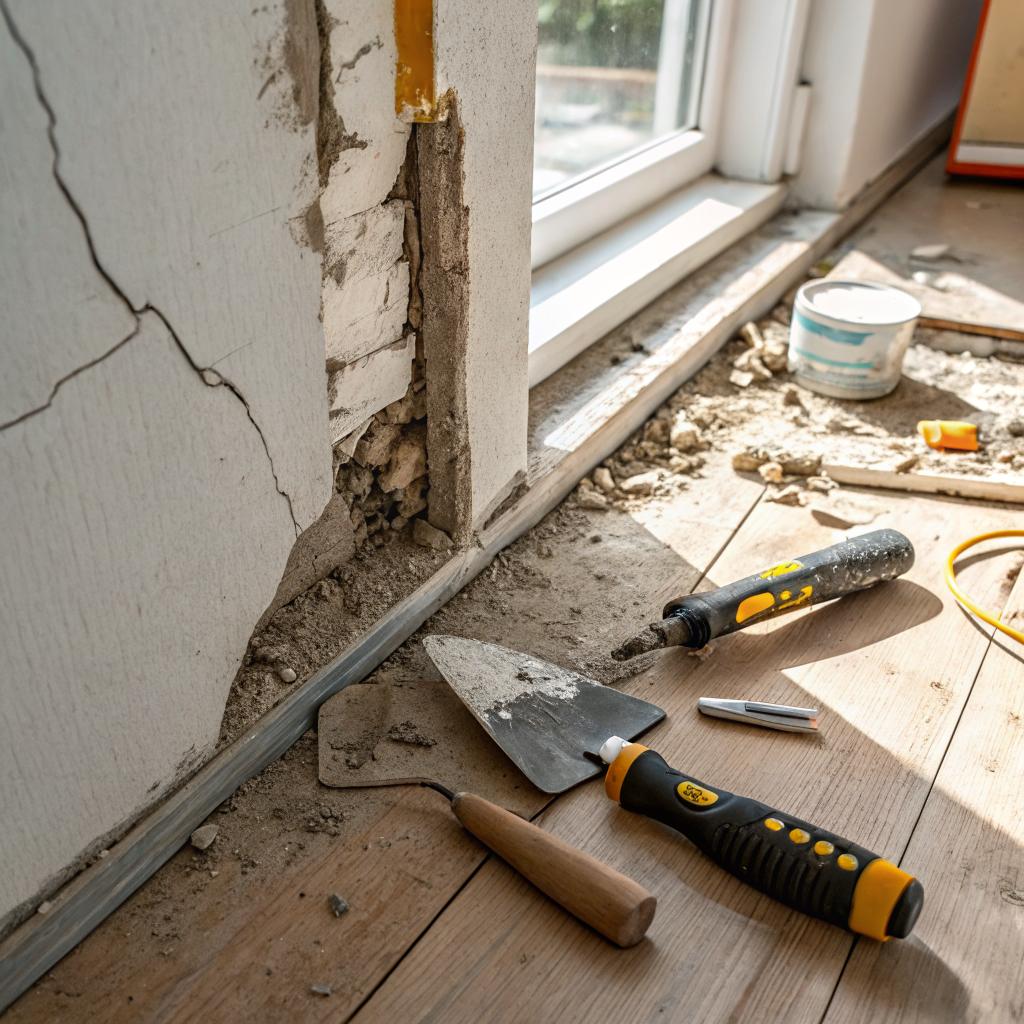
So, you are trying to choose the best drywall repair company in Asheville and you are not sure where to start. The short answer is: look for a local, experienced team with solid reviews, written estimates, clear communication, and proof they care about how your walls tie in with the rest of your home, including your floors and trim.
Drywall repair sounds simple, but it affects everything around it. Bad patch work can ruin a fresh paint job, clash with your flooring upgrades, and even show through after you spend money on new baseboards or tile. Good work disappears into the background, which is kind of the goal. You want your walls and ceilings to feel calm and smooth, not distracting. So the company you pick matters more than most people think.
- Things you need to know
- Why drywall repair quality changes how your whole room feels
- What to look for in a drywall company in Asheville
- How pricing really works and what is suspicious
- Questions to ask before you say yes
- How drywall ties into flooring, baseboards, and remodeling plans
- Red flags that suggest you should walk away
- How to read reviews without getting fooled
- What a proper drywall repair process should look like
- Simple checklist you can use when you call companies
Before we go deeper, if you already know you want a local specialist, one place many homeowners start is with a focused drywall repair company Asheville that works only on drywall projects. That kind of focus often means cleaner results and fewer surprises.
Why drywall repair quality matters more than people think
Drywall is a background surface, but your eye still catches every flaw. A small bump or uneven seam can ruin a wall of carefully chosen paint or make new hardwood floors feel less impressive.
You might be redoing a kitchen, updating a bathroom, or pulling out carpet and putting down LVP flooring. During that work, someone usually has to open walls for wiring, plumbing, or layout changes. Those cuts have to be patched, sanded, and blended. If that step is rushed, you keep seeing the repair line every time sunlight hits it.
Bad drywall work stays visible long after the contractor is gone, and it is expensive to fix twice.
Drywall affects:
- How straight your trim and baseboards sit
- How your paint color looks under different light
- How your floors meet the wall at the edges
- How “finished” your renovation feels
So yes, it is “just” drywall. But it sets the frame for your flooring, cabinets, and lighting. When the frame is off, everything around it looks a little worse.
Key qualities of a reliable drywall repair company in Asheville
You can think of this like a checklist in your head. You will not hit all of these perfectly, and that is fine, but you want most of them.
1. Real local experience, not just a service area on a website
You want a company that actually works in Asheville and nearby neighborhoods often, not a big outfit from hours away that just lists the city on their site.
Ask things like:
- How long have you been working in the Asheville area?
- What kind of projects do you usually do here?
- Do you have recent jobs I could see photos of from West Asheville, South Asheville, or nearby towns?
Local experience matters because:
- Older homes in Asheville often have plaster, not just drywall
- Some houses have mixed materials, like plaster over drywall or textured ceilings
- Basements and lower levels can have moisture issues that affect repairs
A company that knows these patterns will suggest realistic fixes, not generic patches.
2. Proof of skill you can see, not just promises
You do not have to be an expert to notice good drywall work. Look for:
- Before and after photos with close-up shots
- Photos that show the area from the side, where light hits the surface
- Repairs around tricky spots like windows, doors, corners, and ceiling transitions
If all you see online are far away photos or only “during” pictures, that is not very helpful. I know some small contractors hate taking photos, but if drywall is their main work, they should have at least a few recent sets.
When you look at their photos, ask yourself: would I be happy if this repair was on my living room wall right next to my new flooring?
That simple question usually cuts through a lot of doubt.
3. Clear, written estimates that spell things out
A written estimate should feel easy to read. It should explain what they will do, not just list a price.
Here are some basic items a decent estimate should include:
- Description of the damaged areas and locations
- Scope: patching, sanding, texture match, primer, maybe paint
- Materials: type of drywall, tape, compound, texture style
- Approximate timeline: start and finish, or number of visits
- Price: total and what could make it change
I think if an estimate is only one line, like “Drywall repair: 900,” you should ask for more detail. It does not have to be a novel, but you want to know what you are paying for.
Here is a simple table you can use to review estimates:
| Item | What you want to see | Red flag sign |
|---|---|---|
| Scope of work | Clear list of areas and steps | One vague line with no detail |
| Texture match | Notes about matching existing texture | No mention of texture at all |
| Painting | States if paint is included or not | Silent on painting, but price seems high |
| Timeline | Approximate schedule or visit count | “We will get to it” with no details |
| Price changes | Clear notes on what could cost extra | Open-ended language without limits |
4. Respect for your floors, furniture, and home
This is where the drywall and flooring worlds really overlap. Drywall repair is dusty. Sanding dust floats into every gap and sticks to surfaces. If you just put in new floors, this is stressful.
You want a company that:
- Covers floors with proper drop cloths or plastic, not just an old sheet
- Masks off nearby rooms or areas when dust will be heavy
- Uses vacuum attachments while sanding when possible
- Cleans up at the end of each work day
If a company is casual about dust and protection, your new floors and trim will tell the story long after they drive away.
I have seen situations where the drywall crew did good repair work, but left fine dust that scratched new hardwood just from regular foot traffic afterward. That is the kind of detail you want them thinking about.
5. Reasonable pricing, not the cheapest thing you can find
Drywall pricing in Asheville can vary. Some factors:
- Size and number of patches
- Ceiling vs wall (ceilings are usually harder)
- Height (repairs near tall ceilings or stairwells cost more)
- Texture type (smooth finish often takes more time)
- Access (tight spaces, behind cabinets, etc.)
Cheap is tempting, especially if the damage is small. But low prices often mean:
- No real prep or dust control
- Minimal sanding, so the patch looks wavy
- Poor texture match that shows through paint
- No return visit if something cracks later
Think about the cost in context. If you spent thousands on new flooring, cabinets, or tile, paying a bit more for cleaner drywall work that does not distract from that investment makes sense.
Drywall repair and how it connects to renovation and flooring
Since this topic sits in the home renovation world, it helps to see how drywall repair touches other trades. The timing and quality of drywall affects:
1. Flooring installation
Drywall and floors meet at the baseboard line. Problems you can avoid:
- Uneven walls that cause gaps behind baseboards
- Messy joint compound on subfloors that flooring installers have to scrape
- Unpatched wall sections behind old baseboards that show when you change trim style
If you plan new flooring and drywall work, ask your drywall company:
- Should we do drywall before the new floors, or after?
- How will you protect existing hardwood, tile, or LVP?
- Can you repair any wall sections that will show once baseboards change?
Sometimes it makes sense to do rough drywall work before new floors, then have them come back for final touch ups around baseboards or transitions.
2. Kitchen and bath remodeling
These rooms usually need drywall patches after plumbing or electrical changes. The area behind cabinets is one thing, but anywhere visible around backsplashes, tub surrounds, or vent hoods needs extra care.
In a kitchen, for example:
- Cabinets and counters create strong straight lines that highlight flaws
- Under cabinet lighting throws raking light on the wall, which shows every bump
- Tile backsplashes need flat walls for clean grout lines
So when you talk to a drywall company, mention your full renovation plan, not just “there is a hole in the wall.” The more they know about tile, cabinets, or new fixtures, the better they can prep.
3. Painting and color choices
Many homeowners think paint will hide drywall issues. It does the opposite. Matte paint hides some flaws, but it will still highlight ridges and seams. Satin and semi-gloss show even more.
Complex colors, especially darker tones or rich blues and greens, make surface defects more visible. If you plan a bold accent wall, tell the drywall crew. It might change how careful they need to be with sanding and skim coating.
How to judge reviews without getting misled
Online reviews help, but they are not perfect. Some are emotional, some are biased, and some are just too vague.
Here is a simple way to read them:
Look for details about process, not just stars
Helpful reviews mention specifics like:
- Showed up on time across multiple days
- Protected furniture and floors well
- Matched a specific texture like knockdown or orange peel
- Came back to fix a small crack without argument
Less helpful reviews say only “Great job” or “Never again” with no reason. They still count, but they do not teach you much.
Pay attention to how the company responds
If you see a bad review, that is not always a deal-breaker. Things go wrong sometimes. What matters is the response.
Signs of a mature response:
- They explain what they tried to do to fix the issue
- They stay calm and do not attack the reviewer
- They take some responsibility if they messed up
If a company argues online with every complaint, that can spill into how they handle problems in your home too.
Check for recent activity
Drywall work changes with the crew. A company that had great reviews five years ago but nothing recent might have new staff, or less focus on this kind of work now.
Look for:
- Recent reviews from the last 12 to 18 months
- Recent project photos or posts
- Signs they are still active in the Asheville area
Questions to ask before hiring any drywall repair company
You do not need a long script, but a few targeted questions go a long way.
Questions about experience and scope
- What kind of drywall projects do you do most often?
- Are you comfortable with both small patches and larger sections?
- Have you worked with older plaster walls in this area?
- Do you handle ceilings and tricky areas like stairwells?
Questions about process and protection
- How will you protect my floors and furniture?
- Do you sand by hand, use vacuum sanding, or both?
- How many visits do you expect this repair to take?
- What time of day do you usually start and finish?
Questions about finishing and paint
- Will you match my existing texture, or make the whole area smooth?
- Is priming and painting included, or just ready for paint?
- If paint is included, who provides the paint and what brand?
- What happens if the patch is visible after painting? Will you touch it up?
Questions about pricing and guarantees
- Is your price a flat total or can it change?
- Are there any possible extra costs I should know about now?
- What kind of guarantee do you offer on your work?
- How do you handle small issues that show up a few weeks later, like hairline cracks?
If they get annoyed by simple questions, that is already useful information.
Red flags that suggest you should keep looking
No company is perfect, but some signs are harder to ignore.
- No written estimate, even when you ask
- Unclear answers about who will actually come to your house
- No photos of past work and no way to see examples
- They brush off concerns about dust or protection, saying “it will be fine”
- Price is far lower than others, with no clear reason
- They push you to decide immediately, “today only” pricing
Some smaller contractors are just bad at paperwork or marketing but do good work. That happens. Still, if you feel uneasy and the communication is poor, your project might feel stressful from start to finish.
What a proper drywall repair process usually looks like
The exact steps change based on the project, but many good companies follow a pattern.
1. Walkthrough and planning
They should walk the space with you, point at the damage, and talk about what they see. Good signs here:
- They touch or tap the wall lightly to check for movement
- They ask how the damage happened (leak, impact, settling)
- They note moisture issues or cracking that might return
If the damage came from a leak, they should want to know that the source is fixed first. Otherwise the new repair may fail.
2. Prep and protection
Before cutting or sanding, they should:
- Move or cover nearby furniture
- Lay down drop cloths or plastic on floors
- Mask off vents when dust will be heavy
Sometimes this stage feels slow, but it saves cleanup time later and protects flooring and finishes.
3. Repair work
This part varies based on the situation.
- Small holes: patch, tape, compound, usually 2 to 3 coats
- Larger damage: cut out to studs, add backing, install new drywall
- Cracks: open up slightly, apply tape and compound, not just smear mud on top
Good crews allow for drying time between coats of compound. Rushing this step leads to shrinkage, cracks, or rough surfaces.
4. Sanding and texture
After the final coat dries, they sand. Smooth walls require more careful sanding. Textured walls need blending:
- Orange peel: light spray or roll to match
- Knockdown: spray, wait, then knock down with a blade
- Popcorn or acoustic: trickier, often better to remove larger sections
Matching existing texture is an art. You might see them do small test spots. That is actually a good sign.
5. Primer and paint
At minimum, patched areas should be primed before paint. Fresh compound soaks up paint differently than old surfaces.
If they handle paint:
- They should feather the paint into the surrounding area
- They should check the finish in different lighting angles
- They should invite you to look from different spots in the room
6. Cleanup and walkthrough
A respectful crew:
- Removes plastic and drop cloths carefully to avoid dumping dust
- Wipes or vacuums visible dust from surfaces they worked near
- Walks the area with you to spot anything that needs touch up
You will probably still do some light dusting, but the area should not feel like a construction site.
How to fit drywall repair into your renovation schedule
If you are planning a larger remodel that includes flooring, cabinets, or new trim, the order of work matters. A simple order that often works:
- Demolition and removal of damaged areas
- Rough plumbing, electrical, or framing changes
- Drywall repair and new drywall
- Primer and sometimes one coat of paint
- Flooring install
- Baseboards, trim, and touch up drywall if needed
- Final paint coat
Some people try to squeeze drywall repair in after everything else, when walls get scuffed or damaged. That happens, and good repair techs can fix it, but it often costs more and feels more stressful because there is more risk to finished surfaces.
If you talk to your drywall company early in the process, they can usually suggest the least risky timing around your flooring installation.
Simple checklist you can use when you call
To keep this practical, here is a short checklist you can glance at when you talk to companies on the phone or by email.
| Topic | What to ask | Your notes |
|---|---|---|
| Experience | How long have you been doing drywall repair in Asheville? | |
| Project type | Have you handled projects like mine (size, ceiling, texture)? | |
| Protection | How will you protect my floors and nearby rooms? | |
| Texture | Can you match my existing wall or ceiling texture? | |
| Painting | Is priming and painting included or separate? | |
| Schedule | When can you start and how many days will it take? | |
| Price | Is this a fixed price and what could make it change? | |
| Guarantee | What happens if small cracks show up after the repair? |
You do not need perfect answers to all of these questions. You just want to feel that the person on the other side actually understands drywall, respects your home, and is not guessing.
Choosing the right drywall repair company is less about finding a flawless sales pitch and more about finding people who take small details seriously.
Common question: Is it worth hiring a pro for small drywall repairs?
People ask this a lot, especially if the damage seems tiny.
Question: If I only have a few nail holes, a small dent, and maybe a minor crack, is it worth calling a drywall company, or should I just do it myself?
Answer: For small nail holes and very minor blemishes, doing it yourself is often fine. A small tub of joint compound, a putty knife, a bit of sanding, and touch up paint can handle that. You might not get a perfect finish, but it will be close.
It becomes worth calling a pro when:
- The damage is bigger than about a quarter sheet of drywall
- You see cracks coming back in the same place more than once
- The damage is on a ceiling or tall wall where access is tricky
- The wall has texture you do not know how to match
- You are in the middle of a larger renovation or new flooring project and want everything to line up nicely
If you are unsure, ask one local company for a quick opinion and price. If their quote feels too high for the size of the job, you can still decide to DIY. But at least you will know what a professional fix would cost and what steps they would take.