
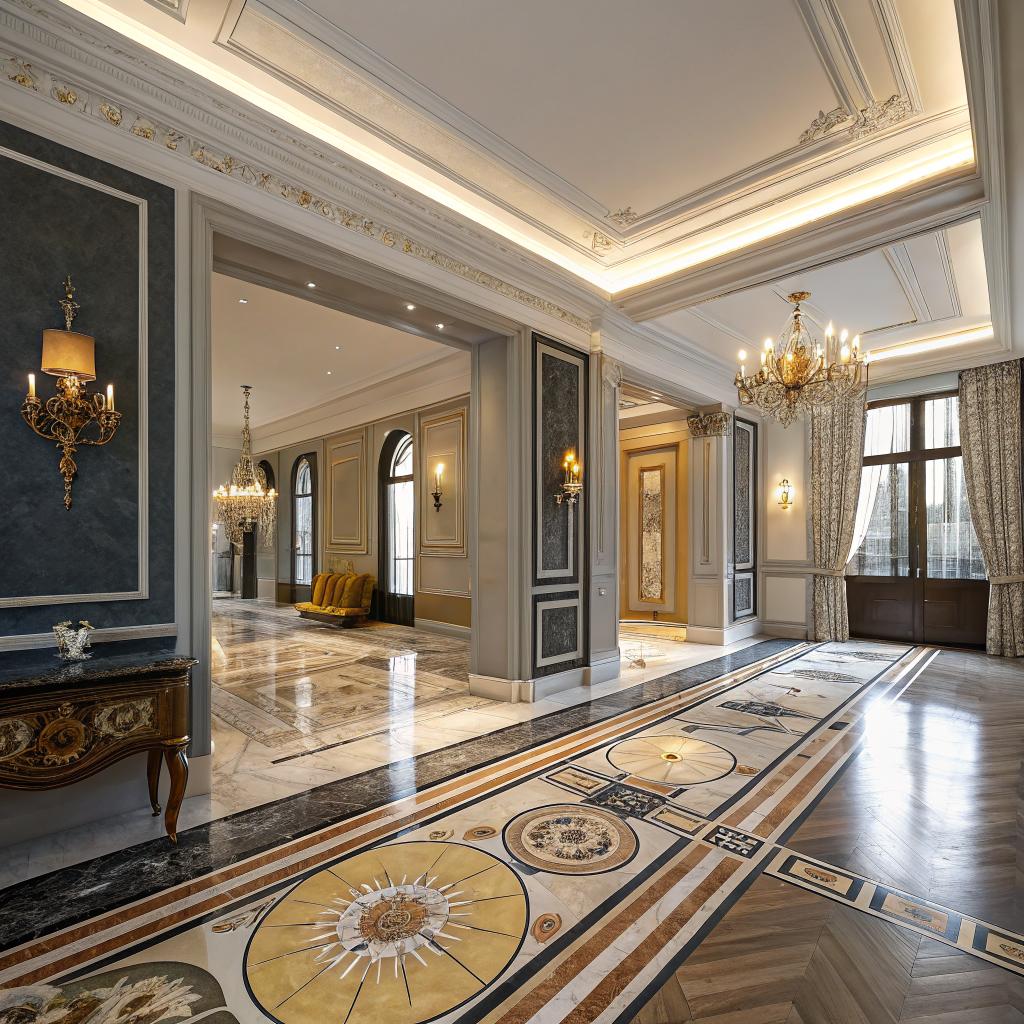
So, you are trying to understand how Monte Carlo real estate connects with dream flooring renovations in a real, practical way for your own home. The short answer is that high end properties in Monte Carlo treat flooring as a core part of the investment, and you can borrow a lot of those ideas, materials, and design habits for your own renovation, even if you are nowhere near Monaco.
Monte Carlo is a small place with very expensive square meters, and that pressure forces owners, designers, and investors to think carefully about every surface. Floors are not just a backdrop. They affect resale price, the feeling of space, the noise level, and even how people move through a room. When you look at how serious Monte Carlo real estate investors treat floors, you start to see patterns that work just as well in a regular city apartment or a family house in the suburbs.
Things you need to know
- High value homes in Monte Carlo treat flooring as an investment, not a cosmetic afterthought.
- Buyers in that market care about quality, quietness, and durability more than fancy patterns.
- The materials that work in compact, expensive apartments also work in smaller homes anywhere.
- Your floor plan and your floor materials need to work together, not fight each other.
- Simple, consistent flooring can make small spaces feel larger and more calm.
- Water, sun, and noise are the three main enemies of good floors in coastal cities.
- A realistic budget for a “Monte Carlo inspired” floor is less about marble and more about smart mid range products used well.
Why Monte Carlo real estate obsesses over floors
When a city is known for casinos, yachts, and terraces, it is easy to think everything is about flashy views and big windows. But if you talk to anyone who has walked through several luxury apartments in Monaco in the same day, they will almost always talk about how the floors feel underfoot.
Good Monte Carlo floors are quiet, solid, and visually calm. They make the views and the furniture do the talking.
In a compact apartment high above the sea, you do not want hollow echoing steps or tiles that feel cold from room to room. Buyers pay attention. Agents know that if a floor creaks or if the bedroom tile feels cheap, it can undo the effect of a nice kitchen or a balcony.
You can bring that mindset home. Even if your space is not worth tens of thousands per square meter, your comfort per square meter matters. A floor you love to walk on every single day is worth more than a countertop you barely touch.
How high end buyers look at flooring value
Imagine you are considering two apartments. Same building, same view, same floor plan. One has old cracked tiles and a floating floor that clicks with every step. The other has a solid, quiet engineered wood or large format porcelain, installed perfectly, with smooth transitions between rooms.
Most buyers, even ones who do not speak “design language,” will feel that second apartment is worth more. In Monte Carlo the price gap can be very real in numbers.
Flooring affects three things at once: visual value, acoustic comfort, and long term maintenance cost.
That is why serious investors do flooring renovations early, often before doing anything else. A standard pattern is:
- Strip old floors and check subfloor condition.
- Level the subfloor and improve acoustic insulation.
- Install one main flooring type through most of the apartment.
- Use second materials only where water is frequent, like bathrooms.
This approach reduces transitions, trims, and thresholds, which tend to look messy if there are too many. It also helps a small space feel more generous.
Main flooring types seen in Monte Carlo style homes
You do not need to copy the exact materials used in penthouses, but it helps to know what shows up again and again in listings and renovation plans.
Engineered wood flooring
This is probably the most common “warm” flooring choice in luxury apartments. Solid hardwood is used too, but engineered planks are more stable in buildings where temperature and humidity move around.
Common traits:
- Wide planks, often 18 to 24 cm.
- Light, neutral tones like oak with a matte finish.
- Very low gloss, so scratches are less visible.
- Installed glued down for a solid feel and less noise.
For your own home, this kind of floor works well if:
- You want a soft, warm feel underfoot.
- You like a quiet interior with less echo.
- You plan to stay for several years, not just flip quickly.
Porcelain tile and stone look materials
Real stone, like marble and limestone, is common in some Monte Carlo properties, but it is expensive to install and keep in good shape. Large format porcelain that imitates stone is everywhere now and frankly much easier to live with if you are not a caretaker by personality.
Typical uses:
- Entry halls that deal with sand, water, and street dirt.
- Kitchens, especially in open plan living spaces.
- Bathrooms, wet rooms, and laundry areas.
- Outdoor terraces that blend visually with inside floors.
One trend in high end apartments is using the same porcelain series inside and outside, with a textured anti slip finish outdoors and a smoother finish indoors. That gives a feeling of continuity and avoids the “patchwork” look.
Vinyl and hybrid floors
In lower floors or in renovation projects where sound control is critical, you sometimes see luxury vinyl planks or hybrid products. These are not a cheap fallback anymore. Good versions can copy wood or stone quite convincingly, while handling water, pets, and kids without stress.
People rarely admit it in glossy brochures, but many busy families prefer a strong vinyl floor in rooms that look out to a pool or garden. It is less fragile and you worry less about wet footprints.
Comparing common flooring choices
This basic table sums up how different materials behave on some key points that matter both for Monte Carlo and for an average home.
| Floor type | Typical look in high end homes | Comfort underfoot | Noise level | Water resistance | Maintenance effort |
|---|---|---|---|---|---|
| Engineered wood | Wide plank, matte, light oak tones | Warm, natural, pleasant barefoot | Quiet, good with proper underlay | Moderate, needs care in wet rooms | Regular sweeping, gentle cleaning, occasional refinishing |
| Porcelain tile | Large format, stone or concrete look | Cool, firm, can feel hard for long standing | Can echo if room is very bare | Very high, good for wet areas | Easy to clean, grout needs attention |
| Natural stone | Marble, limestone, vein and variation | Cool and solid, luxury feel | Similar to tile, depends on room design | High but sensitive to stains and acids | Sealing, gentle cleaners, professional care at times |
| Luxury vinyl / hybrid | Wood or stone look, often plank format | Slightly softer, comfortable for long standing | Generally quiet with good underlay | High, good against spills and pets | Simple cleaning, very low stress |
How small Monte Carlo spaces influence flooring choices
Space in Monte Carlo is tight. Even a large apartment by local standards might feel normal sized in another city. That pressure creates some habits you can copy.
First, most designers use one main floor type in all dry rooms. For example, they run engineered oak from the entry into the living room, down the hallway, and into bedrooms. Only bathrooms switch to tile. This removes visual breaks at every doorway, so the eye reads the whole flat as one longer space.
Second, transitions are kept as flat and clean as possible. You do not see metal strips everywhere. Height differences between rooms are corrected at subfloor level before any planks or tiles are installed.
If you want your home to feel larger, pick one main floor, run it widely, and fix the subfloor instead of stacking different materials on top of each other.
Third, storage and built in furniture are often planned around the floor choice. For example, wardrobes that sit on top of floating floors can pinch them and cause squeaks. To avoid that, good installers run the flooring up to the wardrobe, not under it, or they plan support points carefully.
Budgeting like a Monte Carlo investor, spending like a normal person
It is easy to look at glossy property images and think everything is very out of reach. But if you look at the cost structure, the story is different.
In Monte Carlo, the land and location drive most of the price. The difference between a mediocre floor and a great one is a tiny slice of the total. That is why investors often spend a bit more on better flooring: the relative cost is small compared with the gain in image and easy resale.
In an average home, flooring is a larger piece of the renovation budget, so it can feel painful. Still, there is a useful lesson here:
- It is smarter to pick a simpler kitchen and better floors than the other way around, if you care about daily comfort.
- Paying for good subfloor work and sound insulation is often more valuable than picking the most expensive surface material.
- A mid range engineered wood floor, installed perfectly, looks and feels “richer” than a very expensive one installed poorly.
Instead of asking “How can I copy that marble bathroom?” you might ask “What is the quietest, easiest to clean, nicest to walk on floor I can afford for most of the house?” That question is far closer to how serious buyers think.
Acoustic comfort in apartments
Many Monte Carlo homes are in shared buildings. Footstep noise, moving chairs, and dropped items carry quickly across rigid structures. Floors become part of the soundproofing strategy.
If your home is in an apartment block, this probably matters to you as well, even if you are only on the second floor. And if you have kids, you already know how loud a simple running game can be.
Two key areas:
- Underlay and subfloor: Thicker underlay with good acoustic ratings, combined with a solid, level subfloor, can cut a surprising amount of noise.
- Perimeter gaps: Floating floors need expansion gaps at walls. If those gaps are not sealed properly with skirting or foam, noise leaks easily.
You do not need to obsess over technical tables, but try walking different floors with the same shoes. In many showrooms the acoustic difference between a thin laminate on a light underlay and a quality engineered plank on a dense underlay is obvious, even for a non expert.
Flooring and light: how Monte Carlo views affect color choices
A lot of Monte Carlo properties have strong natural light, sometimes even too strong at peak hours. That kind of harsh, bright light can make very dark floors look heavy and dusty. It can also make high gloss surfaces show every streak.
This is part of why you often see:
- Light oak and beige tones instead of dark walnut under full sun.
- Matte or satin finishes instead of high polish.
- Stone and tile in soft gray rather than high contrast patterns.
If your home gets a lot of sun through big windows, you might face similar issues. For example, a shiny black tile in a south facing room can feel harsh at midday, and every footprint will show. A slightly textured, mid tone tile is kinder on your eyes and on your cleaning routine.
Practical design tricks from Monte Carlo apartments
1. Use flooring to zone open spaces
Many sea view apartments have open living, dining, and kitchen areas. Instead of building walls, designers often use flooring to show where one zone ends and another begins.
For example:
- Same wood floor everywhere, but with a herringbone panel under the dining table.
- Wood in the living area, large tiles in the kitchen strip near the cabinets.
- A thin metal strip or stone border to frame a seating area.
You can copy this in a house with a combined living and dining room. It helps guide furniture layout without stacking up rugs on top of rugs.
2. Run planks in the longest visual direction
This may sound basic, but I still see many homes where planks are laid randomly. In narrow Monaco corridors, professionals almost always run boards lengthwise, to stretch the view. In living rooms, they aim the planks toward large windows or the main view.
When you plan your own flooring, walk through your home and notice which directions feel natural. Then try to align the planks with that movement, instead of just following the easiest installation path.
3. Match skirting boards to the style of the floor
Skirting often gets ignored, yet it strongly affects how “finished” the floor feels. In luxurious apartments with modern floors, skirting is usually simple and fairly tall, painted in a color close to the wall or in plain white. In more classic places, there might be more profiling.
If you are putting in sleek tiles or wide plank wood, pairing them with a tiny, thin skirting can make the whole wall line look cheap. A well chosen baseboard makes the floor feel intentional rather than accidental.
Kitchens and bathrooms: where dream floors meet harsh reality
Monte Carlo kitchens and bathrooms get a lot of camera time. They look perfect online, but real life is cooking splashes, shampoo spills, and dropped bottles.
Common flooring approaches there:
- Porcelain tile on floors and sometimes lower walls.
- Matte surfaces to avoid slipping.
- Light to mid tones to hide water spots better.
Some owners run engineered wood into the kitchen area too, to keep a continuous look. That can work if there is good ventilation and people are tidy. In a busy family home, tile or waterproof vinyl near the main cooking zone is usually less stressful.
In wet rooms, the “dream” floor is not the one that looks best in photos. It is the one you do not worry about when someone spills or forgets to dry their feet.
For bathrooms, think about:
- Slip resistance, especially for kids or older people.
- Drainage slope if you have a walk in shower.
- Grout color that can handle soap and lime without constant scrubbing.
Many high end apartments now choose larger tiles with very thin grout lines. That reduces cleaning and gives a spa feeling, without needing actual marble.
Outdoor terraces and balconies
Monte Carlo is full of balconies and roof terraces. These spaces are often where the nicest sea views sit, so flooring needs to be pleasant, safe, and weather proof.
Common choices:
- Textured porcelain that lines up visually with interior floors.
- Decking systems in composite or treated wood with good drainage.
- Raised pedestal tile systems to hide drainage slopes and services.
If you have a small balcony or patio, you can borrow these ideas. One simple trick is to use outdoor tiles that are the same size and tone as your indoor living room floor, but in an exterior version. When doors are open, the spaces blend, which feels quite luxurious even on a small budget.
How to plan your own “Monte Carlo style” flooring project
You do not have to fully remodel a home to benefit from these ideas. Here is a straightforward way to plan things without getting lost in inspiration images.
Step 1: Decide what matters most to you
Ask yourself some blunt questions:
- Is quiet more important than looks for you, or the other way around?
- Do you usually walk barefoot at home, in socks, or in shoes?
- Are you the type who mops the floor often or the type who forgets?
- Do you plan to sell within a few years or stay long term?
Monte Carlo buyers tend to value quiet, neutral looks, and easy resale. If your answers match that, lean toward floors that are calm, mid tone, and proven to be durable.
Step 2: Map your home into zones
Take a simple floor plan and break it into:
- Dry living spaces
- Wet rooms (bathrooms, laundry)
- Transition areas (entryway, mudroom, balcony)
Then decide the minimum number of floor materials you can use while still being practical. Many people find that one material for dry areas and one for wet areas works very well. Anything more can start to feel busy.
Step 3: Compare your dream look with maintenance reality
If you love the look of a Monaco penthouse with white stone floors, ask yourself how patient you are with stains. If the honest answer is “not very,” then a high quality stone look porcelain might be smarter.
On the other hand, if you adore deep, dark wood, but your home is full of sunlight and pets, you might compromise on a slightly lighter, textured plank that still feels rich but shows less dust and fur.
Step 4: Talk to installers, not only showrooms
Showrooms will show you the pretty side of flooring. Installers will tell you what cracked, warped, or looked cheap after short use. In Monte Carlo, where renovation mistakes are very expensive, good developers rely heavily on experienced tradespeople.
Ask them questions like:
- Which products have you seen fail early?
- What underlay do you use when neighbors below are sensitive to noise?
- How do you handle transitions from wood to tile without ugly strips?
You might not like every answer you get, but this is where reality checks live.
Common mistakes to avoid, seen from both markets
Whether in a fancy harbor side building or a regular townhouse, some flooring problems repeat.
- Too many different floors: Wood in one room, tile in another, laminate in a third, carpet in the hallway. This breaks up the space and feels chaotic.
- Ignoring subfloor prep: Wavy floors, dips, or old glue left underneath cause problems later, from cracked tiles to lifted boards.
- Picking fashion over function: Very trendy patterns or extreme colors that look dated in two years.
- Skipping acoustic concerns: Especially in upstairs apartments, this damages both relationships and property value.
- Underestimating maintenance: Choosing something that needs special cleaners or frequent sealing, then not doing it.
If you can avoid those, you are already closer to the calm, solid feeling that many Monte Carlo properties aim for.
A realistic way to get that “luxury apartment” floor feeling
Instead of thinking about marble foyers and huge terraces, picture this smaller target:
- One quiet, high quality main floor in all living areas.
- Waterproof, easy to clean floors in wet rooms, with simple colors.
- Good underlay and subfloor prep to avoid noise and movement.
- Clean transitions and skirting that match the style of your home.
This recipe works in a studio, a suburban semi, or a large house. It is close to what many high end apartments use, just with more realistic materials and square meters.
Final thoughts in a Q&A style
Q: Do I need expensive marble or exotic wood to get a “Monte Carlo” feeling at home?
A: No. The feeling comes more from consistency, solid installation, quiet floors, and calm colors than from luxury materials. A mid range engineered oak with good underlay and simple tiles in bathrooms will feel much more “high end” than scattered, mismatched surfaces.
Q: Is it a bad idea to run wood into the kitchen?
A: Not always. Many high end apartments do this for visual flow. But it works best if you are tidy, have good extraction above the hob, and are willing to wipe up spills quickly. If your kitchen sees heavy cooking, boiling pots, and children racing through with drinks, tile or waterproof vinyl might keep your stress level lower.
Q: How much of my renovation budget should go to flooring?
A: There is no rigid percentage that fits everyone. Still, if floors are a large part of what you see and feel every day, it makes sense to give them a healthy slice. In expensive markets, flooring is seen as a value booster. In a normal home, think of it as a comfort booster that you touch with every step.
Q: What is one small change I can make right now if a full remodel is not possible?
A: If you cannot replace floors yet, focus on two things: large, simple rugs that calm down busy patterns and replacing tired or mismatched skirting boards. Those two steps can make existing flooring look more deliberate. When you are ready for a full renovation, move to fewer materials and better subfloor work, and you will feel the difference every day.