
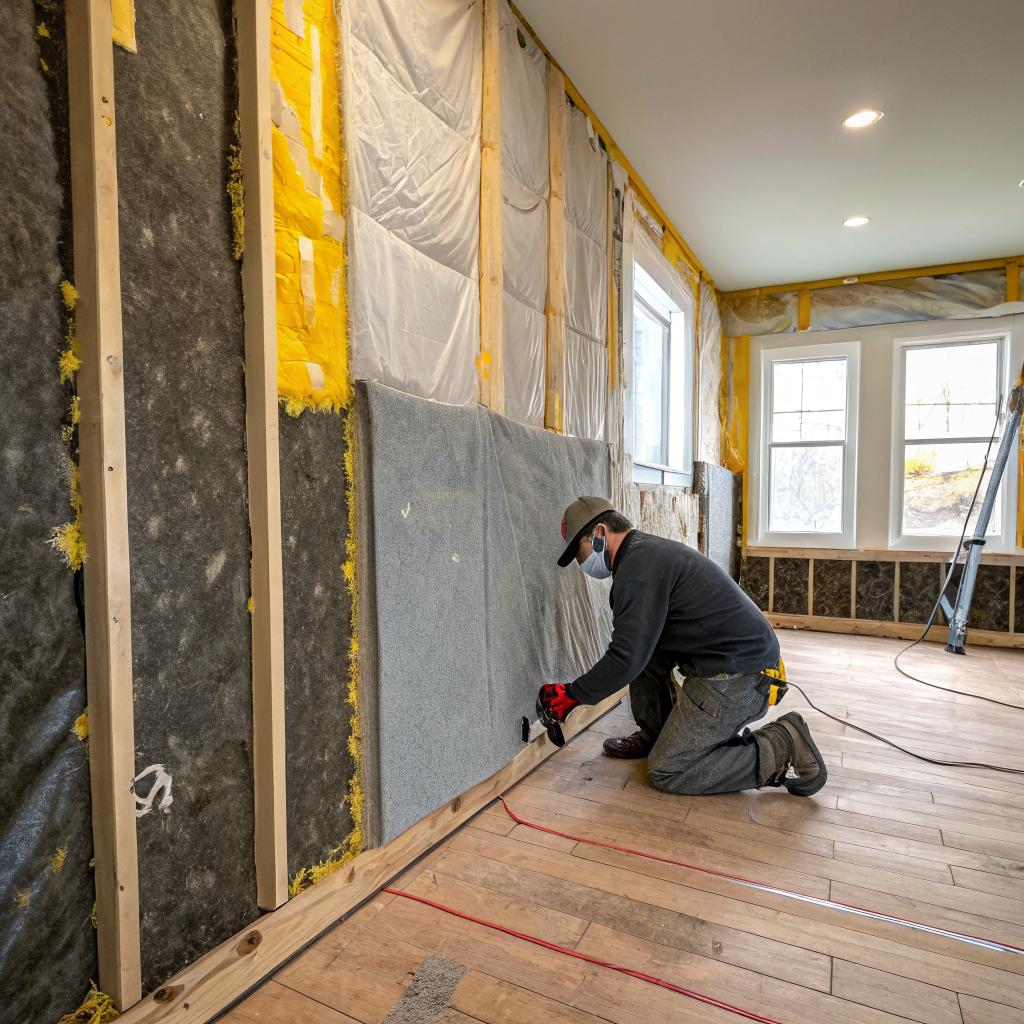
So, you are trying to figure out what to know about insulation removal in Houston before your new floors go in. The short answer is that you should handle any insulation issues before flooring starts, check for moisture and air leaks, clean the subfloor, and coordinate timing so trades are not stepping on each other or ruining fresh flooring.
You deal with the insulation first because once the new floors are down, fixing hidden problems under them becomes a lot more expensive and messy. Old or damp insulation, air leaks, or debris in the subfloor can lead to cupping, squeaks, odors, and even mold under your brand‑new floors. In Houston, with the humidity and heat, that risk is higher than in many other cities, so the order of work matters more than people think.
Here are the key things you need to keep in mind before those floors go in.
- Address insulation problems before flooring, not after.
- Inspect for moisture, mold, and air gaps around the subfloor and joists.
- Remove damaged or poorly installed insulation, not just the visible parts.
- Keep humidity in check during and after insulation removal.
- Plan access so crews are not walking on finished floors.
- Talk with your flooring installer about what they need from the insulation side.
- Decide if this is DIY or if you need pros, especially with older or blown‑in material.
Why insulation removal matters before new flooring in Houston
If you are putting money into hardwood, engineered wood, vinyl plank, or tile, you want the base under it to be clean, dry, and stable. Insulation is part of that base, even if you cannot see it later.
Houston has a mix of pier‑and‑beam homes, slab‑on‑grade homes, and houses with second stories that sit over open or vented spaces. Each of those setups behaves differently with heat and moisture. Insulation that works fine in a dry climate can cause trouble here if it traps moisture or hides leaks.
If the insulation under or around your floors is wet, moldy, sagging, or blocking airflow, it can damage your new floors from below without you seeing anything from above.
A lot of people skip this step because it feels like invisible work. You do not get that “wow” moment like with new cabinets or a pretty floor. But the floor and the insulation are linked. If the insulation is wrong, the floor can move, cup, or smell off.
Also, if you are thinking about insulation removal Houston, doing that before flooring goes in gives you better access, less risk to finishes, and less backtracking.
Understand where your insulation sits in relation to the floors
Before you rip anything out, it helps to know where the insulation even is. That sounds obvious, but I have seen people assume something is insulated when it is not, or the other way around.
Pier‑and‑beam or crawlspace homes
If your house has a raised foundation with a crawlspace, the insulation that matters for flooring is usually in the floor joist cavities.
You might have:
- Fiberglass batts stapled or wired to the joists.
- Blown‑in insulation held up by netting.
- Old, patchy batts hanging down or missing in places.
For flooring, this area affects:
- Floor temperature under your feet.
- Moisture moving up from a humid crawlspace.
- Air drafts that can dry out or stress wood floors.
Slab‑on‑grade homes
For a slab, there is usually no insulation directly under the existing floors unless you have foam underlayment or some special build. What matters more is:
- Vapor barrier under or over the slab.
- Any previous glued flooring and adhesives.
- Moisture coming up through the concrete.
Slab jobs are less about “insulation removal” and more about moisture checks and using the right underlayment or barrier before the new floors.
Second floors and bonus rooms
If you are installing floors upstairs, the insulation that matters is often in the ceiling of the first floor or in knee walls. That affects:
- Sound between levels.
- Temperature swings from attic heat.
- How the new floor handles movement and noise.
You may not need full insulation removal upstairs, but you might still need spot work to improve sound and reduce heat coming from the attic area.
What to check before removing any insulation
Before you call anyone or start pulling batts, do a simple inspection. You do not need fancy tools for the first pass.
Look for signs of moisture and damage
Walk your house and check:
- Stains on ceilings or low walls around exterior edges.
- Musty smell when you walk into certain rooms.
- Soft spots in existing floors, even small ones.
- Visible gaps around baseboards or at doors to the outside.
If you can see the insulation under the floor, look for:
- Dark spots or streaks on the insulation.
- Sagging insulation that hangs away from the subfloor.
- Plastic vapor barriers with condensation or droplets on them.
Any sign of water staining, musty odor, or sagging material is a strong reason to remove and replace the insulation before you invest in new flooring.
Check humidity and temperature, at least roughly
Houston humidity is no joke. You do not need a lab grade meter, but a cheap home humidity meter can help.
Try to get:
- Indoor relative humidity around 40 to 55 percent.
- Temperature stable over a few days, not big swings.
If your house stays at 65 percent humidity or higher, and you are about to lay wood floors, that is a red flag. You might need to fix air leaks and insulation so your AC can actually control moisture.
Know which floors are changing
If you are only changing upstairs flooring, the insulation story is different than if you are redoing the whole main floor on a pier‑and‑beam foundation.
Take a minute and write down:
- Rooms where you will replace floors.
- Type of new flooring in each room.
- What is under that room now (crawlspace, slab, living space, garage).
This will help you talk clearly with an insulation contractor and your flooring installer. It also helps you avoid removing insulation that is fine and not even close to the work area.
How insulation problems can ruin new floors
New floors can look perfect on day one and still fail if what is under them is wrong. This is where insulation and flooring meet.
Moisture creeping up from below
In a crawlspace, if insulation is jammed tight against the subfloor and blocks airflow, moisture can collect on the cooler wood. Over time, that can cause:
- Cupping in hardwood or engineered wood.
- Mold growth on the underside of the subfloor.
- Nails and fasteners rusting and loosening.
In a slab home, trapped moisture under vinyl plank or laminate can cause:
- Swelling of the planks.
- Flooring unlocking at joints.
- Cloudy or hazy spots under glued wood floors.
Hidden air leaks and drafts
If there are gaps around plumbing, electrical, or at the rim joist, humid air can blow into cavities and condense on cooler surfaces. It also makes your AC work harder. You might think that more insulation fixes this, but if that insulation is just stuffed in without sealing, it can hide the leaks.
For new floors, these leaks can cause:
- Movement in the subfloor from temperature swings.
- Subtle squeaks that show up only after the new floor is installed.
- Hot or cold spots that you feel underfoot.
Old materials and pests
Older insulation and pest activity are not rare in Houston homes. Rodents, insects, and even birds in some crawlspaces can nest in insulation. The result is:
- Odor that comes through the floor over time.
- Contamination from droppings.
- Insulation pulled down, leaving bare areas.
If you smell something “off” in a room now, expect it to feel worse once the new floor traps that odor and the house tightens up.
Removing damaged insulation and sealing entry points is much easier before you put in a beautiful, expensive floor.
DIY insulation removal vs hiring pros
You might be tempted to handle insulation removal yourself to save money. Sometimes that is fine. Sometimes it is a bad idea.
When DIY might be reasonable
DIY can be realistic when:
- The area is small, like a single room.
- The insulation is in batts that you can clearly reach.
- You see no mold, heavy staining, or pest mess.
- You are comfortable working in tight spaces if needed.
For example, pulling a few fiberglass batts from an accessible crawlspace near one room can be manageable if you use safety gear and bags.
When to bring in professionals
Professional removal makes more sense when:
- The insulation is blown in, especially in large areas.
- You see signs of rodents, insects, or droppings.
- The material looks very old and you are not sure what it is.
- You have asthma or other breathing issues.
- The space is hard to reach or unsafe (rotten joists, cramped crawlspace).
Pros have vacuum systems, better protective gear, and ways to contain dust. They can also see things you may miss, like subtle leaks or code issues. For a major flooring project, paying for proper insulation removal can be cheaper than fixing warped floors later.
How to plan the timing with your flooring project
Order matters. Many renovation headaches come from trades working in the wrong sequence.
Here is a rough order that tends to work better:
| Step | What happens | Why it matters for floors |
|---|---|---|
| 1. Inspection | Check insulation, subfloor, moisture, and structure. | Reveals problems before you start. |
| 2. Insulation removal | Remove damaged or unwanted material. | Gives access to leaks, pests, and rot. |
| 3. Repairs & air sealing | Fix leaks, gaps, and structural issues. | Stabilizes subfloor for new flooring. |
| 4. New insulation install | Install correct insulation and vapor control. | Improves comfort and reduces moisture risk. |
| 5. Subfloor prep | Leveling, cleaning, patching as needed. | Creates a smooth, sound base for floors. |
| 6. New flooring | Install, finish, and protect floors. | Final visible layer goes in last. |
Try not to let flooring start before step 4 in that table if your insulation is part of the underfloor system. If you put the floors down first and then decide to remove insulation, crews may have to walk on the new floors, cut access holes, or at least risk scratching or denting the surface.
What to tell your flooring installer about insulation
Many people do not think to mention insulation when they hire a flooring company. That can be a mistake.
Here are useful things to share:
- Whether you are planning insulation removal or replacement.
- Where the crawlspace or access points are located.
- Any known moisture issues you have seen.
- Whether you have pets, pests, or odor issues in some rooms.
You can also ask:
- Do you need the subfloor exposed from below for any reason?
- What humidity range do you need during and after install?
- Do you prefer any specific underlayment or vapor barrier over concrete?
Sometimes installers prefer that certain insulation not be installed until heavy work is done, to avoid damage. In other cases, they are happy to have insulation in place first as long as the subfloor is solid and dry.
Houston climate details that matter for insulation and floors
Houston has heat, humidity, and heavy rain. That shapes how you should think about insulation removal before flooring.
High humidity most of the year
Indoor humidity control is harder here. Insulation that is installed without thinking about airflow and vapor can trap moisture instead of slowing it.
Some key points:
- Vapor barriers in the wrong place can cause condensation.
- Too much insulation jammed into a cavity can reduce drying.
- Leaky ducts in a hot attic can pull humid air through gaps.
New floors, especially wood, like stable humidity. If your insulation and air sealing help your AC keep indoor humidity within a steady range, your floors will move less and last longer.
Heavy rains and flooding risk
If your home has had any flooding or water entry, old insulation can still hold moisture long after the visible water is gone. This is true in crawlspaces and lower parts of walls.
For flooring:
- If the crawlspace flooded, assume insulation near the water line is compromised.
- If the slab had water above it, adhesives and prior flooring may hide damage.
- Any “just dried out” smell under the house needs attention before flooring.
Removal of affected insulation is usually better than gambling on it drying out perfectly. Dampness can linger, especially in shaded or low air movement spots.
What insulation removal actually involves
If you have not seen insulation removal before, it can sound vague. Here is a more concrete idea of what happens, so you can plan around your flooring schedule.
For batts under a raised floor
Typical steps:
- Access the crawlspace and set up lighting.
- Wear protective gear: mask, gloves, goggles, coveralls.
- Remove any wire supports or staples holding batts up.
- Pull batts out carefully to avoid scattering debris.
- Bag the insulation and seal the bags for disposal.
- Inspect joists, subfloor, and rim joists for damage.
This creates a nice open view of the underside of your floor. That is the moment to fix any sagging joists, mold, or gaps.
For blown‑in insulation
Blown‑in material in a crawlspace or low attic is usually removed with vacuum equipment. The crew:
- Runs large hoses from a vacuum truck.
- Sucks insulation into bags or a container outside.
- Cleans cavities and surfaces once loose material is gone.
This is not practical as DIY for big jobs. It can get dusty and messy if not contained well, which you do not want around new floors.
Disposal and cleanup
After removal, the area should be:
- Clear of loose fibers.
- Checked for nails, screws, and old fasteners that could drop later.
- Swept or vacuumed where possible.
If you are planning to lay new floors within days, insist that cleanup is thorough. Debris can fall through gaps and later telegraph as bumps or noise.
What kind of insulation to put back, with floors in mind
Once the bad or old insulation is out, you have to decide what to put back. This choice depends on your home type and floor plans.
Pier‑and‑beam floor insulation choices
Common options include:
| Type | Pros for floors | Cons / Cautions |
|---|---|---|
| Fiberglass batts | Affordable, easy to replace in sections, decent thermal comfort. | Can sag if not supported, sensitive to moisture, can hide air leaks. |
| Rockwool batts | More moisture tolerant, good sound control, fire resistant. | Heavier, needs proper supports, can still get dirty and moldy with long‑term moisture. |
| Spray foam (closed cell) | Air seals and insulates together, adds stiffness to floor, good moisture control when done right. | Higher cost, difficult to remove later, must be installed carefully to avoid trapping moisture in the wrong places. |
For many Houston crawlspaces, a mix of air sealing and a thoughtful insulation type works better than just stuffing as much as possible under the floor.
Slab floor insulation and underlayment
For concrete slabs, you are not usually removing “insulation” as such. You might be scraping glue and old flooring. The key pieces related to floors are:
- Moisture testing of the slab.
- Using a proper vapor retarder or barrier where the flooring manufacturer requires it.
- Choosing underlayment with sound and thermal properties that fit your home.
If you want warmer floors on a slab, some people add an insulation layer plus a subfloor system. This should be planned carefully so door heights, transitions, and stairs still work.
Protecting your new floors during and after insulation work
One more angle that gets overlooked is protecting the new floors from ongoing work. Even if you plan things well, sometimes insulation work and flooring work overlap.
Here are simple ways to limit damage:
- Ask crews to use soft shoe covers when walking on finished floors.
- Cover the new floors with breathable protective paper or boards, not plastic taped tight wall to wall.
- Keep heavy equipment, hoses, and ladders off finished flooring when possible.
- Control dust with doors closed and vents covered while cutting or scraping.
Once the floors are in, make sure:
- Air filters in your HVAC are changed after any dusty work.
- The home stays at stable temperature and humidity for some weeks.
- Any access panels to crawlspaces or attics close tightly to keep conditioned air inside.
Even small things like a loose crawlspace hatch can pull humid air through the floor and stress your new installation over time.
Questions to ask before you start tearing anything out
If you want a quick mental checklist, here are questions to ask yourself or your contractor before you start:
- Where is the insulation that touches or affects the floors I am changing?
- Is any of that insulation wet, moldy, damaged, or sagging?
- Have there been leaks or flooding that might have reached this area?
- Can I safely access the space, or do I need a pro?
- What humidity and temperature range does my new flooring require?
- Will insulation removal or installation happen before flooring starts?
- How will contractors protect existing or new floors during their work?
If several of those questions do not have clear answers, that is a sign to slow down a bit and plan before you give the flooring crew a start date.
Realistic example: raised home in Houston getting new wood floors
Consider a typical case: a 1960s pier‑and‑beam house in Houston, with old carpet and vinyl being replaced by engineered wood.
The owner pulls up carpet and sees some dark stains on the subfloor in one corner. There is a faint musty smell near an exterior wall. The crawlspace has visible fiberglass batts, some of which hang down.
If they skip insulation removal, here is what might happen:
- The new wood floors go in over a subfloor that has some moisture history.
- The sagging insulation continues to trap humid air close to the floor.
- Within a year or two, boards near the exterior wall start to cup slightly.
- Musty odor becomes more noticeable because the house is tighter and the new floors do not breathe the same way as carpet.
If they handle insulation and subfloor first instead:
- Insulation under the problem area is removed and bagged.
- The subfloor underside is inspected, cleaned, and dried.
- Any small leaks around that wall or plumbing are sealed.
- New insulation is installed with better supports and airflow.
- The engineer wood goes on top of a dry, sound, stable subfloor.
The second path feels slower. It is not as fun as picking plank colors. But it makes the floor install more predictable and avoids early repairs.
Common mistakes people make before new floors go in
To wrap this all into something usable, these are some common missteps that are easy to avoid:
- Removing only the “ugly” insulation and leaving damp material out of sight.
- Adding insulation without sealing air leaks first.
- Skipping a basic moisture check in crawlspaces or on slabs.
- Letting flooring and insulation work overlap with no plan, which risks damage.
- Ignoring mild musty smells because “it has always been like that.”
- Choosing insulation based on price alone, not how it behaves in Houston humidity.
If something feels off in a room before the new floor, like smell, temperature, or softness underfoot, trust that feeling and investigate before you cover it up.
Q & A: Quick answers before you call your contractor
Do I always need to remove insulation before new floors in Houston?
No. If the insulation is dry, supported, free of pests, and you have no moisture or odor issues, you may not need full removal. But you should still inspect it carefully and fix any damaged sections before flooring.
How far ahead of flooring should insulation removal happen?
Ideally at least a week or two before, so there is time for repairs, drying, and new insulation. In some cases you can do it closer, but rushing the drying and inspection stage is risky.
Can I put new insulation in after the new floors are installed?
You can, but it is less convenient and often less thorough. Crews have to be extra careful not to damage finishes, and you cannot easily access or fix subfloor issues once everything is covered.
Will insulation removal make my house uncomfortable before the floors are done?
Temporarily, maybe a little. Floors may feel cooler or hotter for a short period. But that is usually a small price to pay compared to the long term comfort and protection you get from doing the sequence in the right order.
What one thing should I check today if I am planning new floors soon?
If you have a crawlspace, peek under the house where the worst room feels or smells. Look at the insulation near exterior walls. If you see sagging batts, dark spots, or signs of pests, plan for insulation removal and repairs before you let anyone install your new floors.