
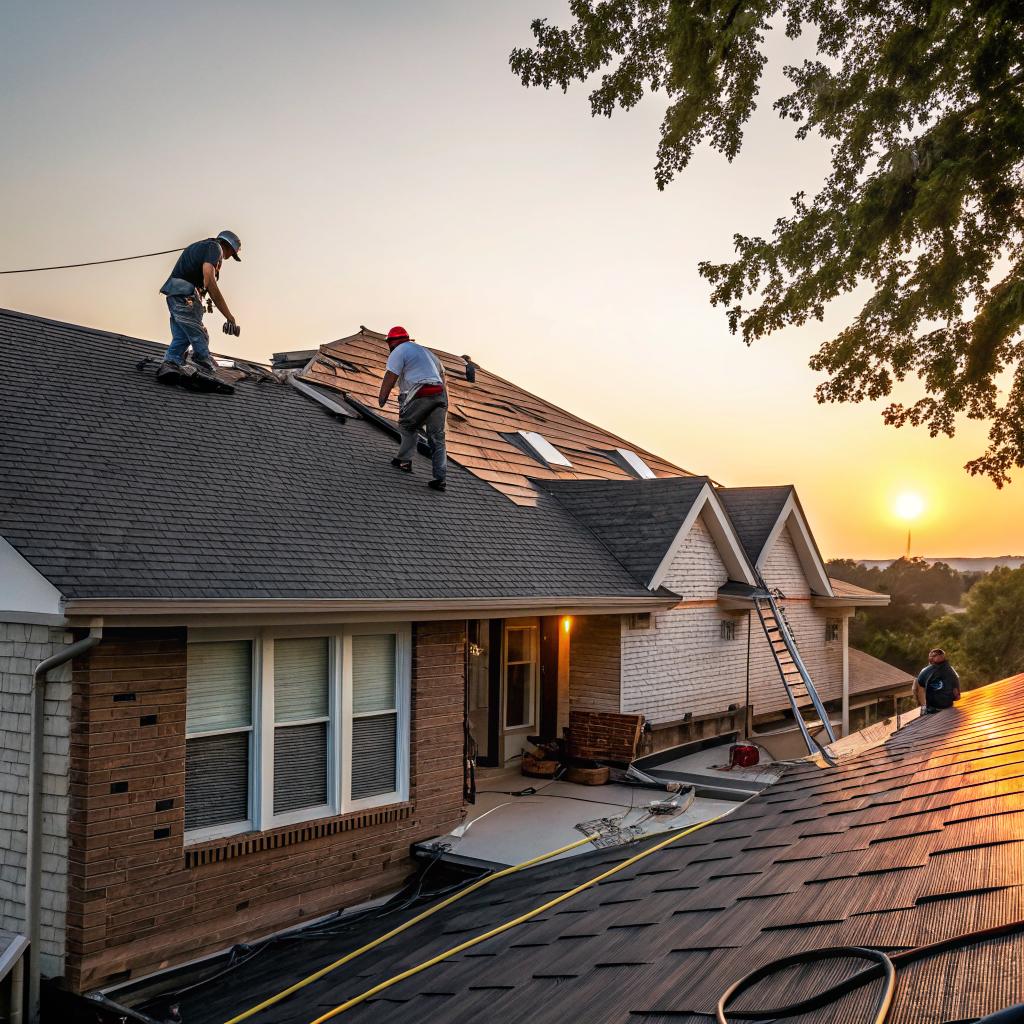
So, you are trying to figure out how to work with roofing companies Missouri for your renovation project, and you want something clear, practical, and honest. The short answer is: plan your roof and interior renovation together, get at least three detailed bids from licensed local contractors, and choose a roofer who understands how the roof affects insulation, ventilation, and even your flooring and ceilings.
Most people split roof work from interior renovation, then wonder why they get leaks, moisture issues, or squeaky floors a year later. Missouri weather is rough on homes, and the roof is the first line of defense. If the roof is wrong, it affects everything under it, right down to your subfloor. So the goal is not just to pick a roof company, but to pick one that fits your whole renovation plan, timing, and budget.
Here are a few things you need to know before you sign anything with a roofer:
- Missouri has its own weather patterns and building practices, so local experience matters more than brand names.
- Roof work should usually come before most interior renovations, especially flooring, drywall, and painting.
- Written scope, materials, and warranties are more important than quick estimates or friendly promises.
- Ventilation, insulation, and flashing often matter as much as shingles or metal panels.
- Your roof choice can change how hot or cold your home feels, which affects flooring durability over time.
- Bad roof work tends to show up later as moisture problems on ceilings, walls, and floors, not always as obvious leaks.
How roofing ties into renovation and flooring plans
If you are renovating a home, especially an older Missouri house, the roof is not a separate project. Or at least it should not be.
Roof leaks can drip into attic insulation, then into drywall, then into flooring or subfloor. That is where buckling hardwood, cupped laminate, and musty carpet smell often start.
So if you are planning new floors, new kitchen, maybe some bathroom upgrades, it helps to think in this order:
- Fix the shell of the house first: roof, gutters, soffits, fascia, exterior flashing.
- Deal with structure: framing repairs, subfloor replacement, any sagging areas.
- Then handle insulation, drywall, paint, and flooring.
If a roofer tells you the roof work will not affect anything inside at all, they might be underplaying things. Tearing off an old roof can shake old plaster ceilings and weak subfloors. You want someone who warns you where there could be side effects so you can protect your interior finishes.
If you are just starting to call around, you can look at roofing companies Missouri and compare how clearly they talk about the steps, not just the cost.
Try to pick a roofer who talks about your attic, ceilings, and floors in the same conversation, not just the shingles on top.
Understanding Missouri roofs: climate, codes, and common materials
Missouri has a mix of hot summers, ice, wind, and sudden storms. That combination pushes roofs harder than many people think.
Weather factors that affect your choice
You do not need a meteorology lesson, but you should at least think about:
- Hail and wind: Shingles need proper nailing patterns and quality underlayment to handle strong storms.
- Snow and ice: Poor attic ventilation can cause ice dams, which push water under shingles.
- Heat and sun: Darker roofs absorb more heat, which can raise attic temperatures and stress flooring and HVAC systems.
- Humidity: Moisture in the attic can turn into mold or warped roof decking if air is not moving well.
All of this connects straight back into your renovation. If you install expensive hardwood or luxury vinyl but ignore attic ventilation and roof design, you are building on a shaky base.
Common roofing types you will see
Here is a quick comparison to help you talk to contractors in a more informed way.
| Roof type | Typical use | Pros | Cons |
|---|---|---|---|
| Asphalt shingles | Most residential homes | Affordable, many colors, easier to repair | Shorter lifespan than metal, can blow off in strong storms if installed poorly |
| Metal panels | Rural homes, barns, some modern homes | Long lifespan, sheds snow well, good for steep roofs | Higher upfront cost, louder in heavy rain if attic is not insulated well |
| Flat / low-slope membranes | Porches, additions, commercial buildings | Works where shingles are not suitable, can be durable if installed right | Less forgiving to ponding water, needs very good drainage and flashing |
Ask each roofer why they recommend a certain roof type for your house, not just what it costs. The “why” tells you more than the number.
How to pick the right roofing company in Missouri
This is where people usually get overwhelmed. There are a lot of options and not all of them are good. Price alone is a bad filter, and online reviews can be hit or miss.
Here is a practical way to narrow it down.
Step 1: Start with local experience, not just marketing
You want a company that:
- Has done projects in your part of Missouri, not just one town over.
- Knows how your county handles inspections and permits.
- Understands older framing styles if your house is pre-1970.
Some roofers focus on new builds, which is a completely different rhythm from renovation work where you have to protect existing interiors and flooring. When you talk to them, ask how often they work on lived-in homes and renovation projects, not just empty new houses.
Step 2: Check basic credentials without overcomplicating it
You do not need to be a lawyer here, but at minimum, ask for:
- Proof of insurance (liability and workers comp)
- Business presence you can verify (address, phone, website)
- Photos or addresses of recent jobs in your area
- References you can actually call or email
If a company hesitates to share these, that is a red flag. A good contractor might be busy, but they should not be secretive.
Step 3: Compare bids by scope, not just by price
Many homeowners just look at the bottom number. That is where trouble starts.
Have each roofer spell out in writing:
- Exact products and brands for shingles or metal
- Type and thickness of underlayment
- Flashing details around chimneys, walls, skylights, and valleys
- Ventilation approach (ridge vents, box vents, soffit vents)
- How they handle rotten decking if they find it
- Clean up and debris removal plans
If one bid is much cheaper, ask what is missing from it. Something usually is.
Coordinating roof work with interior and flooring renovation
This is where roofing crosses directly into the world of floors and interior finishes. The timing here matters more than most people think.
What should come first: roof, drywall, or floors?
In almost every renovation, the roof should be secure before you install new floors, paint, or drywall. Water finds every weak spot.
Here is a simple sequence that works in most cases:
- Temporary protection for interior if needed (plastic over valuables, floor protection if you already have finished floors).
- Roof tear-off and installation, including any structure repairs.
- Gutters and downspouts.
- Attic insulation updates and ventilation adjustments.
- Drywall, patching, and ceiling repairs.
- Painting.
- Floor installation.
If a general contractor or roofer suggests putting in hardwood floors before replacing an old, questionable roof, that is a risk. There might be a reason, but you should question it.
How roof choices affect flooring performance
This part sounds indirect, but the link is real:
- Temperature swings: Poor roofing or ventilation can turn your attic into an oven. That heat moves into living spaces and stresses hardwood, laminate, and glue-down flooring.
- Moisture levels: Roof leaks or condensation can raise humidity, which can warp wood, buckle laminate, and feed mold under carpet.
- UV and light: Changes like adding skylights or bigger roof openings can change how sunlight hits your floors and fade some materials faster.
If you are spending good money on flooring, do not treat the roof like an afterthought. A well planned roof protects your flooring investment quietly, day after day.
Questions to ask roofing companies before you hire them
You do not need a huge checklist, but having a few key questions ready helps you spot who knows what they are doing.
Questions about your specific house
Try asking:
- What problems do you see right away with my current roof?
- How will you protect my yard, windows, and any finished floors or ceilings?
- Do you expect any decking or structural repairs?
- Do you see anything that might affect my ceilings or upper floor rooms?
- How do you handle surprise issues, like rotten wood or hidden leaks?
Listen to how they answer, not just the content. Someone who says “your roof is fine” after a two minute walk around is not really checking.
Questions about process and schedule
Ask:
- How many days do you expect the job to take?
- Will you have a supervisor or lead person on site I can talk to?
- What happens if it rains during the project?
- What hours do your crews usually work?
- Will you bring a dumpster, and where will it sit?
If you are renovating inside at the same time, you will want your general contractor and roofer to talk at least once. That avoids a lot of surprises.
Questions about warranty and follow up
Warranties sound good on paper, but they vary a lot.
Ask for:
- Written workmanship warranty length (not just manufacturer warranty)
- What is covered and what is not covered
- Who you call if you see a leak or issue later
- How fast they usually respond to warranty calls
If the roofer seems annoyed by these questions, that is a sign. A company that plans to stay in business should be willing to explain what happens after the check clears.
Red flags when talking to roofing companies
Not every problem is obvious, but some patterns repeat.
Here are a few signs to be wary of:
- High pressure sales tactics, “today only” pricing, or pushing you to sign quickly.
- Refusal to show proof of insurance or license information.
- Very long, vague estimates with no product details.
- Unwillingness to talk about possible decking repairs or extra costs.
- No local references or only very old references.
- Bad attitude about working alongside your interior or flooring contractor.
Some roofers hate coordination and just want to get in and get out. In a renovation project with multiple trades, you need at least a little teamwork.
Cost expectations for roof work in Missouri
Prices change over time, and materials fluctuate, but there are patterns you can use to plan.
What drives the cost up or down
The main cost drivers are:
- Roof size and pitch (steeper roofs are more time consuming)
- Number of layers to remove (tear-off is labor)
- Type of material (basic 3-tab vs architectural shingles vs metal)
- Complexity: valleys, chimneys, skylights, dormers
- Need for decking replacement or structural repair
- Access for crews and dumpsters
It helps to ask for “good, better, best” options, not just one number. Sometimes stepping up one level in materials gives a longer lifespan for only a small extra cost, but you want that in writing.
How roofing cost fits into a renovation budget
If you are planning a whole home update, many people are tempted to shrink the roofing budget to free money for visible upgrades like custom flooring or cabinets. I get the temptation.
The problem is that roof leaks can destroy the pretty parts fast. A mid range, well installed roof plus mid range flooring is often a smarter combination than luxury floors under a weak roof.
Think of your budget roughly like this:
| Renovation area | Typical priority | Risk if underfunded |
|---|---|---|
| Roof and gutters | High | Leaks, mold, damage to ceilings and floors |
| Structure and subfloor | High | Squeaks, sagging, cracked tile, uneven floors |
| Windows and exterior doors | Medium | Drafts, energy loss, water intrusion |
| Flooring finishes | Medium to high | Wear, movement, gaps, noise |
| Cabinets and fixtures | Lower | Mainly appearance, function |
You can save money on style choices more safely than you can on water protection.
How roof inspections fit into renovation planning
Before you start tearing out floors or walls, it helps to get a solid read on the roof. Not just a quick glance.
What a good inspection should cover
A decent inspection should look at:
- Shingle or metal surface condition, missing pieces, and age signs.
- Flashing around chimneys, vents, and wall intersections.
- Gutters, downspouts, and how water moves away from the house.
- Attic: signs of stains, mold, wet insulation, or daylight through decking.
- Decking condition where it is visible from the attic.
Ask for photos, both of the roof and inside the attic. It is easier to spend money on a new kitchen after you are sure the roof is not slowly destroying the space from above.
Connecting inspection results to your flooring plans
If the inspector sees:
- Old stains or soft decking in certain areas
- Roof leaks around bathrooms or laundry rooms
- Moisture in exterior walls or near chimneys
Then you know where to pay extra attention when you reach the flooring stage. Subfloors near those areas might need more work. Tile around a leaky chimney wall, for example, is at much higher risk of cracking.
You might even decide to delay high end flooring in a risky room for a year to see how the new roof performs. Not ideal, but sometimes cautious choices are cheaper than repairs later.
Insurance, storm damage, and your renovation schedule
In Missouri, storms are a big factor. You might be planning a normal renovation when a hail storm changes everything.
Roof claims during a renovation
If your roof is damaged while you are mid project, the order of tasks matters again.
Steps usually look like:
- Document all visible damage right away, inside and outside.
- Call your insurance company and open a claim.
- Have a roofer who understands insurance work inspect and document.
- Pause non-urgent interior work that might be affected by leaks.
- Secure the roof with temporary repairs if needed.
- Work with both your insurer and contractor on scope and pricing.
You do not want to install new flooring while an insurance adjuster is still deciding if your roof is fully covered. That can trap you in an awkward spot.
Storm chasers vs local roofers
After big storms, some temporary companies roll into Missouri, do as many roofs as they can, then leave.
They are not all bad people, but there is a higher risk they will not be around later if something goes wrong. If your renovation is long term, it makes more sense to hire someone who plans to stay in the area.
Ask any roofer who approaches you:
- How long have you worked in this specific city or county?
- Do you have a physical office nearby?
- Can I speak to homeowners from jobs you finished more than a year ago?
Working with your general contractor and roofer together
If you have a general contractor managing your renovation, you should still stay involved in roof decisions. It is your house, not theirs.
How to keep communication clear
Try to get your roofer and general contractor to agree on:
- Exact roof start and end dates.
- Areas inside that need extra protection during roof work.
- Who handles attic insulation and ventilation changes.
- Who fixes any interior damage from previous leaks.
- How surprises like rotten decking cost changes will be handled.
You do not need to be in the middle of every small talk, but you should see written agreements and any change orders. That avoids the classic “I thought they were handling that” problem.
Common mistakes Missouri homeowners make with roofing during renovation
It might help to see what often goes wrong. These are patterns, not rules, but they come up a lot.
- Waiting too long: Starting interior work before a borderline roof is addressed, then having to redo ceilings or flooring after leaks.
- Chasing the lowest bid: Picking whoever is cheapest without comparing materials and scope, then seeing early failure.
- No attic check: Ignoring what is happening under the roof deck, where moisture and mold can quietly grow.
- Skipping ventilation: Replacing shingles but leaving poor airflow, which shortens roof life and stresses interior materials.
- Ignoring gutters: New roof, old broken gutters, water dumps next to the foundation, which affects basements and lower level floors.
None of these are dramatic on day one, which is why they keep happening. The trouble often appears after the renovation photos are taken.
Practical example: tying roof work to a flooring upgrade
Let us walk through a simple scenario.
You have a 30 year old house near Kansas City with:
- Original asphalt shingle roof
- Stained ceiling in one bedroom from an old leak
- Carpet you want to replace with luxury vinyl plank flooring
A smart sequence could look like this:
- Hire a roofer to inspect the roof and attic, paying extra attention above the stained ceiling.
- Get bids for a full roof replacement and for any decking repairs that might be needed.
- Schedule roof replacement first, and ask the roofer to flag any serious issues with that bedroom ceiling.
- After roof work, have a drywall contractor open and check that stained area, repair or replace as needed.
- Let everything dry and stabilize a bit after the repair.
- Then install the new vinyl plank flooring.
This way, your new floor goes in under a roof and ceiling that you know are dry and solid. You might wait a few weeks longer to see the final floor, but the risk of mold or water damage later is a lot lower.
Is it better to replace or repair the roof during renovation?
This question comes up all the time. People hope a small repair will buy them a few years, so they can spend more money on visible upgrades.
Sometimes that is reasonable. Sometimes it is not.
Here are a few points to weigh:
- If the roof is near the end of its typical lifespan and you are already opening walls and updating floors, a full replacement is often smarter.
- If there is a small, well understood issue (like flashing at one chimney) on a fairly young roof, repair might be fine.
- If you see multiple leaks in different areas, patching might just be a short pause on a bigger failure.
You can ask the roofer directly: “If this was your house and you were planning to stay 10 years, would you replace or repair?” Not every contractor will answer honestly, but their reaction tells you a lot.
Simple checklist before you sign a roofing contract
Before you commit, you can run through this short list:
- Do I understand what materials are being installed, by brand and type?
- Have I seen proof of insurance and at least a few recent local references?
- Is there a clear start date and estimated timeline in writing?
- Is rotten decking or hidden damage priced, or at least explained as a possible extra?
- Is the workmanship warranty in writing, not just mentioned verbally?
- Do I know how this schedule fits with my interior and flooring work?
If you cannot answer “yes” to most of these, you might be rushing.
Common questions about roofing companies in Missouri for renovation projects
Q: Should I replace my roof before or after new flooring?
A: In most cases, before. Roof work can cause vibrations and sometimes minor interior cracks, and any leaks during or after installation can damage new floors. It is safer to get the roof solid, then move to flooring and finishes.
Q: How many roofing bids should I get?
A: Three is usually enough. More than that can become confusing. Focus on quality of the inspection and clarity of the proposal, not just the count of estimates.
Q: Can I live in the house during roof replacement?
A: Usually yes, but it will be noisy. Pets and kids may be stressed, so planning a day or two away during the tear-off can help. Talk with the roofer about daily start times and how they will keep the site safe.
Q: Do I need a full tear-off, or can I add a layer of shingles?
A: Many Missouri homes already have one layer. Some codes allow a second layer, but during renovation a full tear-off is usually smarter. It lets the roofer inspect decking, fix hidden problems, and reduce weight on the structure.
Q: How long should a new shingle roof last in Missouri?
A: That depends on the product, ventilation, and storms. A decent architectural shingle with proper installation and ventilation can last 20 to 30 years. Cheap materials or poor ventilation can cut that down a lot.
Q: How do I know if a roofer can coordinate well with my other contractors?
A: Ask for examples of past jobs where they worked alongside interior remodelers. Call one of those references and ask how scheduling and communication went. If they get defensive or vague, that is a clue.
Q: What is one thing I should not compromise on?
A: I would say proper flashing and ventilation. Shingles are visible, but flashing and airflow keep water and moisture away from your ceilings, walls, and floors. If a roofer is casual about those, keep looking.