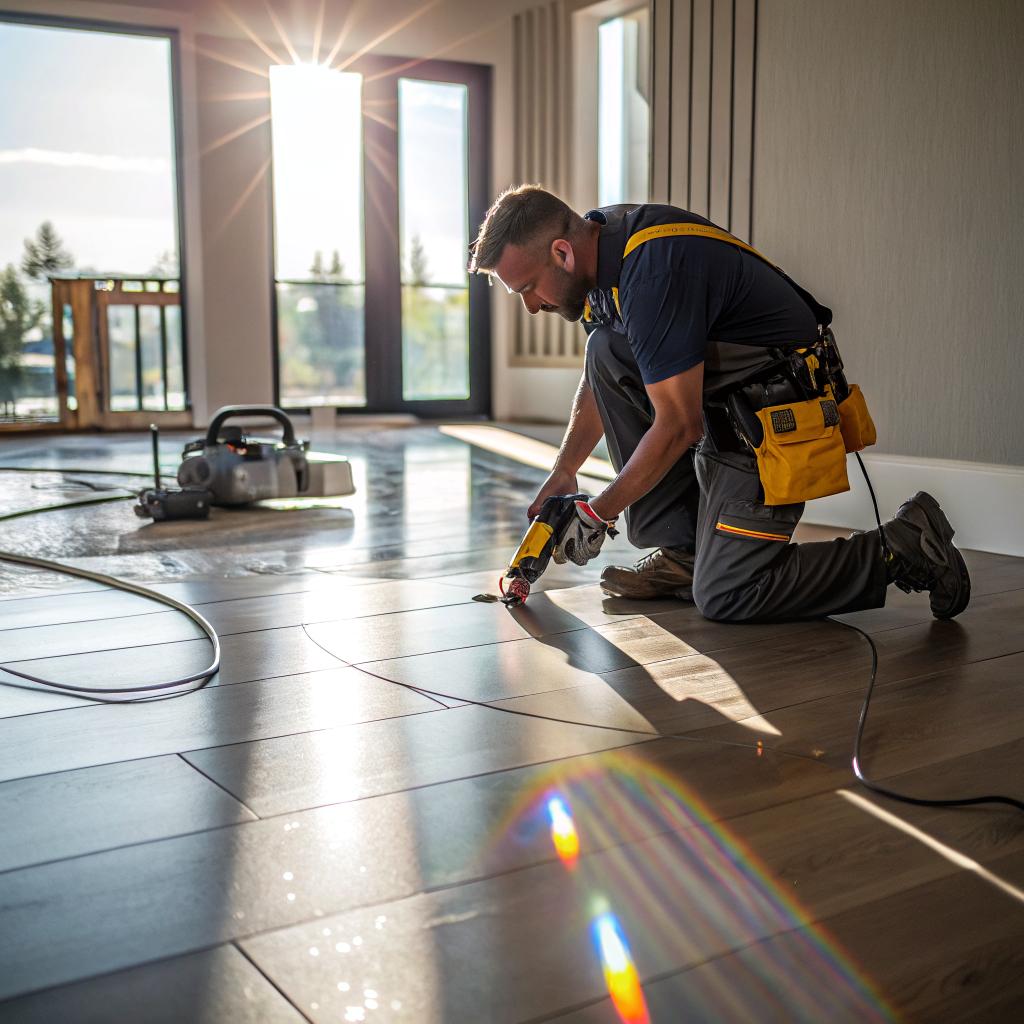
So, you are trying to figure out how the right HVAC replacement company protects new floors when you have just invested in fresh hardwood, tile, or luxury vinyl. The short answer is that a careful, competent HVAC replacement company plans ahead, uses floor protection from the moment they enter, controls dust, manages condensate and refrigerant safely, and cleans up in a way that leaves your new floors exactly as they were.
Most homeowners focus on the equipment, the brand, or the price, and forget that HVAC work is very physical. Heavy air handlers, old furnaces, ladders, sheet metal, and sharp tools all move in and out of your house. That is a lot of risk for your new floors. If you only ask about tonnage and SEER ratings, you might miss the practical question: “How will your crew protect my floors and finishes while you work?” That question alone changes the conversation with any HVAC replacement company, and it also tells you a lot about their habits on the job.
- How they plan the route in and out of your house matters.
- What they lay on the floor before lifting anything matters.
- Whether they control dust and debris matters.
- How they handle water, condensate, and refrigerant matters.
- The way they wrap up and clean at the end of the day matters too.
Why HVAC replacement is risky for new floors
When you look at HVAC work from a flooring point of view, it feels very different. You do not just see a “system changeout.” You see potential dents, scratches, stains, and dust worked into every joint.
A typical replacement can involve:
- Removing a 20 to 30 year old furnace or air handler
- Possibly replacing or modifying ductwork
- Swapping condensing units outside
- Running new drains or refrigerant lines
- Bringing in a new, heavier system
All of that means people walking in and out many times, often with heavy or awkward loads. If your floors are new, they can be softer than you think, especially:
- Site finished hardwood that has not fully cured
- Engineered wood with a delicate factory finish
- Luxury vinyl planks with click-lock edges that are easy to chip
- Large format tiles with sensitive grout lines
Any project that brings heavy equipment, old metal, ladders, and power tools through your house is a floor risk by default, unless the crew treats floor protection as part of the job, not an extra.
So the question is not “Will HVAC work affect my new floors?” The real question is “What will this company do about it?”
Things you need to know
- Ask about floor protection before you sign a contract, not on install day.
- Look for written procedures or at least clear answers about how they cover floors and control dust.
- Expect surface protection from the front door to the work area, not just near the equipment.
- Crews should remove or pad sharp edges on old equipment before moving it out.
- A good company assigns someone on the crew to watch for floor safety all day.
- Photos of past work that show clean, protected spaces are more useful than generic reviews.
- You should not have to remind them every hour to keep the floor coverings in place.
How a careful HVAC company plans around your flooring
Most damage is prevented before they unload a single tool. The planning phase is boring, but this is where the floors get saved.
Pre-visit questions that protect you
A serious company will ask questions like:
- “What type of flooring do you have where the furnace or air handler sits?”
- “Are those floors new or recently refinished?”
- “Where is the main entry we should use?”
- “Are there stairs with hardwood treads or tile that we will cross?”
If they do not ask, you should bring it up. Saying something simple like:
“We just installed new floors, so floor protection is a high priority for us. How do you normally protect flooring during a system replacement?”
You will learn a lot from how quickly and clearly they answer. If they hesitate or say “We will be careful,” that is not a process. That is just a promise.
If you want a simple place to start, you might even research a local HVAC replacement company and scan their site or photos for how they treat customers homes. It is a small thing, but it gives you a feel for what is normal in your area.
Walkthrough before the work starts
On install day, a good crew chief will walk the route with you. You both look at:
- The front or garage door they will use
- The path through halls, turns, and stairways
- The location of the furnace, air handler, or indoor coil
- Any spots that worry you, like a new threshold or delicate tile step
This is the moment to say, “We just had this floor done,” or “This grout is still pretty fresh.” A reasonable crew wants that information.
Floor protection materials that actually work
There is a big difference between tossing down an old painter tarp and using real floor protection. You can often see how serious a company is by the things they pull out of the truck.
Here is a simple comparison of common floor protection methods:
| Protection method | Good for | Weak points |
|---|---|---|
| Heavy-duty rosin or craft paper | Short-term walkway coverage on hardwood or tile | Tears under ladders or heavy loads, can shift if not taped carefully |
| Adhesive floor film | Carpeted areas and stairs | Wrong product on hardwood can damage finish, needs careful removal |
| Corrugated plastic or hardboard panels | High-traffic paths and where equipment is rolled or carried | More labor to set up, can be noisy, needs taping at joints |
| Moving blankets | Padding under equipment being set down | Not great as walking paths, can wrinkle and trip people |
| Drop cloths | Protecting small areas from dust and minor debris | Slippery on some surfaces, do not stop impact damage |
A careful HVAC company will often layer these:
- Hardboard or corrugated plastic on main paths and near the equipment
- Paper or film over lower traffic spots
- Blankets or foam when setting equipment down
The goal is not just to “cover” the floor, but to match the protection to the weight, foot traffic, and type of flooring so nothing cuts through, slips, or stains.
If your floor is brand new hardwood that is still curing, hardboard or corrugated panels over paper are usually safer than adhesive films. With tile, stiff panels help avoid cracking grout lines under point loads.
How they move equipment without destroying floors
For home renovation and flooring people, the scary part is the heavy stuff. A furnace or air handler is not exactly light, and some condensers are awkward to carry.
Carrying vs dragging vs rolling
You should never see a crew drag a furnace across any bare floor. That is an instant red flag.
Better methods:
- Carry small to medium units with two or more techs using handles or straps
- Use dollies with large, non-marking wheels on top of hard floor protection
- Place a panel down, move the unit to that panel, then move the next panel in front, leapfrog style
Dragging even on a moving blanket can still grind grit into new finishes if the blanket is on the bare floor. It looks padded, but there can be debris under it.
Stairs and thresholds
Stairs and transitions are usually where things go wrong.
Look for:
- Stair treads covered with a non-slip product or panels taped in place
- Edges of tile steps protected to avoid chipping
- Someone spotting the load while another person carries it
- Slow, controlled movement instead of rushing
If you hear equipment scraping, or you see a single technician muscling something heavy alone across a delicate area, that is not a great sign.
Dust, debris, and your brand new floors
Even if nothing scrapes the floor, HVAC work creates mess. Old sheet metal, duct insulation, drywall dust, and sawdust can all land on your new finish. If you have dark hardwood or a light tile, you will notice every bit.
Containment and cleanup habits
A careful crew will:
- Lay down floor protection before they remove any old equipment
- Use bags or bins for debris instead of leaving piles on the floor
- Cut sheet metal or PVC outside whenever possible
- Run a shop vac a few times during the day, not just once at the end
Small metal shavings or drywall screws are especially bad on floors. One screw under a work boot can act like a spike.
You can ask directly: “Do you cut and grind inside the mechanical room, or do you usually step outside to do that when possible?” Even a partial shift to outdoor cutting makes a noticeable difference.
Why dust matters more with some floor types
Not all floors handle dust the same way:
- Matte hardwood shows fine dust films very quickly
- Texture on LVP can hold dust in its grooves
- Light colored grout makes dust look like stains
- Oiled finishes can hold a gray haze if dust is not vacuumed before mopping
In other words, what looks like “just a bit of dust” on the HVAC techs boots can feel like a big deal to you when you came from a flooring mindset.
Water, condensate, and stain risks
HVAC systems move water in more ways than most people realize. Any of those can mark a new floor.
Condensate and drain lines
Air conditioners and high efficiency furnaces produce condensate water. When the system is replaced, the crew may:
- Disconnect old drain lines
- Temporarily move or tilt equipment that still has water in the pan
- Test the new drain with water
If that water hits fresh hardwood, you can get:
- Raised grain
- White rings around the drops
- Slight cupping if water pools at a joint
On wood, even short contact can be a problem if the finish is new. On some natural stone tiles, standing water can darken spots for a long time.
A good HVAC installer pays attention to:
- Placing towels or trays under areas where water may drip
- Keeping wet shop vacs on protection, not straight on the floor
- Drying any spills immediately, not “later when we sweep up”
Refrigerant handling near flooring
Refrigerant itself is not usually spilling everywhere, but service hoses, gauges, and tanks can carry oils or grime that transfer easily. You do not want any of that on new floors.
Watch for:
- Hoses routed over protected paths, not across bare surfaces
- Tanks stood on cardboard or panels
- Techs wiping down connections before bringing tools into finished rooms
Small habits, like setting heavy tools only on protected spots and wiping up any drips right away, make the difference between “no issues” and “small but permanent marks you see every day.”
Special flooring types and what to ask for
If you are into home renovation or work in flooring, you may have more specific concerns. Different floors respond differently to impact, moisture, or abrasion.
New site finished hardwood
Freshly sanded and finished floors can feel dry to the touch but still be curing.
Risks:
- Indentations from ladder feet or equipment legs
- Finish scuffs that look cloudy in certain light
- Water spotting from condensate spills
- Adhesive from tape if the wrong product is used directly on the floor
What you can ask your HVAC company to do:
- Use rigid panels over paper or non-stick underlayment on all paths
- Keep ladders and work platforms on those panels only
- Use low-tack tape only on the protection material, not on bare wood
- Carry equipment in teams, not solo, to avoid sudden drops
In some cases, if the floor is very new, you might even schedule the HVAC replacement before the final coat or very soon after rough work is complete, but that is not always realistic.
Pre-finished engineered wood
Factory finishes can be hard, but once you chip them, you cannot just “buff out” the damage.
Risks:
- Edge chipping at plank joints from hard impacts
- Fine scratches from grit under plastic protection
- Crushing at transitions if equipment is rolled over thresholds
Protection that helps:
- Protection that does not move, like taped panels, to avoid grit grinding
- Extra padding at door thresholds and transition strips
- Vacuuming before laying protection so grit is not trapped under it
Luxury vinyl plank (LVP)
LVP is often sold as tough and “waterproof,” which is true in some ways, but the joints can still be sensitive to heavy point loads.
Common issues:
- Edges of panels or boards crushing click joints
- Deep gouges from sharp metal corners
- Heat from tools or temporary heaters softening spots
For LVP, the focus is on spreading weight and avoiding sharp edges. A good crew will pad corners of old equipment and keep sharp scrap away from walk paths.
Tile and stone
Tile feels hard, so people assume it is safe. That is not always the case.
Risks:
- Cracked tiles if a heavy load hits in the wrong place
- Chipped edges along exposed transitions
- Grout scratching from dragged panels with grit underneath
Good practices:
- Laying panels that bridge over grout lines
- Adding extra thickness where heavy items will be set down
- Checking that panels do not flex significantly between supports
What you should ask any HVAC replacement company before hiring
If you care about your floors, you need more than “We are careful.” You need at least a rough plan.
Here are plain questions you can ask during the estimate:
- “What floor protection do you use for indoor paths and work areas?”
- “Do you use different materials on hardwood, tile, or carpet?”
- “Who on your crew is responsible for checking the floor protection during the day?”
- “Where will you cut metal or PVC when you work in my house?”
- “How do you handle condensate and water testing around finished floors?”
- “Can you show me photos of recent installs where you worked in a finished home, not new construction?”
Pay attention to:
- The level of detail in their answers
- Whether they mention specific products or just say “plastic” or “tarps”
- If they talk about protecting stairs and thresholds without you prompting them
If they get defensive when you ask about floor protection, that might tell you enough by itself.
Red flags on install day
Sometimes you only see the real habits when the crew arrives. You still have a say at that point.
Some warning signs:
- No floor protection visible before they start moving gear
- Techs placing toolboxes directly on bare hardwood or tile
- Old equipment dragged across a threshold, even a little
- Debris piling around the work area with no bin or bag
- Spills left on the floor while they “finish this step first”
You have the right to say something like:
“Before you move the old furnace out, I want proper protection down across this path. The floors are new and I cannot accept scratches or dents.”
A good crew will adjust quickly. A bad one will act annoyed or dismissive.
What cleanup should look like when they are done
A professional HVAC installer treats the last hour of the job as seriously as the first.
Reasonable expectations:
- They remove floor protection carefully so trapped grit does not scratch
- They vacuum or sweep the work area and traffic paths
- They wipe any fingerprints, smudges, or handprints near the equipment area
- They walk the path with you to confirm there is no damage
If there is any damage, you need it acknowledged right away. Small dents or scrapes might be repairable by a flooring pro, but it is harder to address if you only notice a week later.
Coordinating HVAC work with a larger renovation
If you are in the middle of a big home renovation, your timing between trades matters. You probably already know this, but HVAC is often installed in stages:
- Rough-in work before drywall
- Trim, registers, and final equipment after finishes
For an existing home where you are only doing floors and HVAC, you might not have that luxury. Still, you can think through order:
- If possible, replace or relocate HVAC before refinishing floors.
- If not, aim for HVAC replacement when floors have had at least basic cure time.
- Protect finished stairs heavily if HVAC is in the attic or upper floor.
Communication between your flooring contractor and your HVAC contractor helps too. Simple info like “These floors are oil based, not water based, and they were finished 10 days ago” can change how careful the HVAC crew is around moisture or tape.
What if the company does not want to do all this?
Some HVAC companies focus on speed. They may see floor protection as a delay. At that point, you have a decision to make.
You could:
- Hire a company that has better habits, even if the quote is slightly higher
- Provide your own floor protection and insist they use it as you lay it out
- Reschedule HVAC replacement until your floors are less vulnerable, if that is realistic
I think paying a bit more for a company that respects your finishes is often cheaper than paying a flooring pro to repair avoidable damage. Not always, but often.
Simple checklist for protecting new floors during HVAC replacement
If you want something you can keep handy, here is a short checklist.
Before you sign
- Ask direct questions about floor protection methods.
- Confirm they will protect stairs, thresholds, and long walk paths.
- Note in the contract or work order that floors are new and must be protected.
Before work starts
- Walk the route with the crew chief.
- Point out the newest or most delicate flooring areas.
- Confirm protection is in place before heavy equipment moves.
During the job
- Check occasionally that protection has not shifted or torn.
- Watch for any water spills and ask for fast cleanup.
- Remind the crew if someone starts dragging instead of carrying.
After the job
- Inspect floors along every path they used.
- Look closely at transitions near mechanical rooms.
- Document and discuss any damage right away.
Common questions about HVAC replacement and new floors
Is it better to replace HVAC before or after new floors?
If you have a choice, HVAC work before new floors is usually cleaner. Old equipment can come out without worry, and duct changes can happen without protection everywhere.
But many people do not have that timing. Systems fail when they fail. If you must replace HVAC after new floors, it just means you need a company that takes protection seriously.
Should I cover the floors myself before they arrive?
You can, but it is not always best. If you cover the floors:
- Use materials that suit your floor type.
- Avoid taping directly to fresh hardwood.
- Leave some flexibility so the crew can adjust paths for safety.
Some homeowners like to handle the main paths and let the crew add layers in critical spots. That can work well if you coordinate.
What if damage is very small, like a light scratch?
Small damage is still damage, and you will see it more than anyone else. A flooring contractor might be able to:
- Blend minor scratches with touch up sticks or oils
- Repair single planks on LVP or engineered wood
- Polish light surface scuffs on some finishes
Whether you push the HVAC company to fix small marks is your call. Many will prefer to pay for a quick flooring repair than risk a bad review, but that assumes you report it quickly and clearly.
Is it unreasonable to make floor protection a condition of the job?
No. You are allowing a crew to move heavy, dirty, sometimes sharp objects through your finished home. Asking for clear floor protection methods is normal. If a company acts like that request is excessive, you might question how they treat customers homes in general.
What part of your house worries you most when contractors come in: the floors, the walls, or something else entirely?