
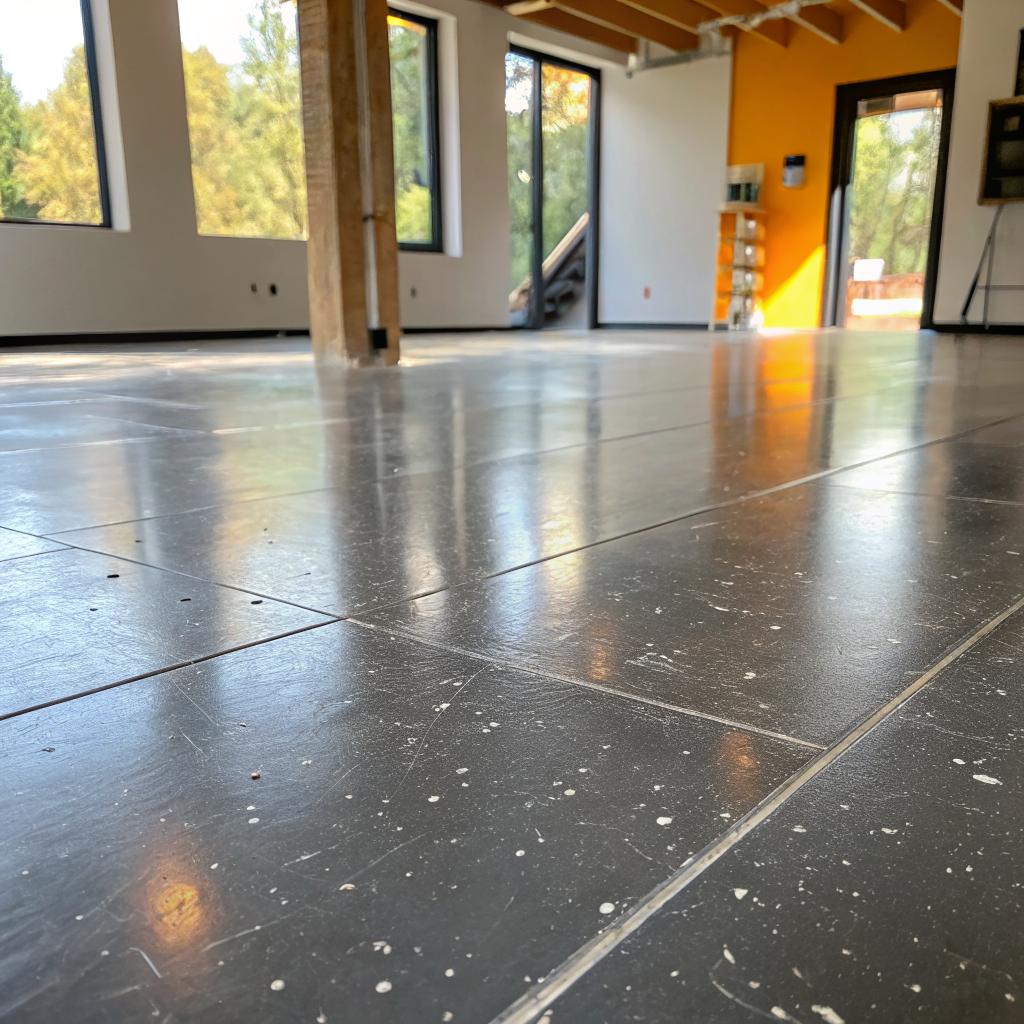
So, you are trying to protect new flooring in Southlake from termites before they ruin it. The direct answer is that you need a mix of soil or perimeter treatment, moisture control, regular inspections, and smart material choices, backed up by a local termite plan that fits how your home is built and how your flooring was installed, often through a service like termite control Southlake.
The short version is this: termites do not care that your floors are new. In fact, new flooring sometimes gives them hidden pathways and gaps they can use. Southlake has the right mix of soil, weather, and irrigation habits that help termites stay active through most of the year. So if you just laid new hardwood, LVP, tile over wood subfloor, or even engineered planks, the real question is not whether termites like it. It is how quickly they can reach it from the soil, the slab, or the framing.
Before we go deeper, here are the key points.
- Termites in Southlake are mostly subterranean and come from the soil up, not from the flooring down.
- New flooring can hide termite activity and make early damage harder to spot.
- Moisture around the slab, crawl space, and bathrooms is one of the main triggers for termite problems.
- Simple habits, like how you water your lawn or store cardboard, can affect your risk more than people assume.
- Pre-treatment or post-construction barriers around the foundation help protect all types of new flooring.
- Good inspections focus on subfloors, baseboards, door frames, and transitions, not just on the exposed surface of the floor.
How termites actually reach your new flooring
A lot of people focus on the visible floor. The glossy hardwood. The new vinyl planks. The perfect tile. Termites focus on what is below and around that.
Most homes in Southlake fall into one of three general build types:
- Slab-on-grade with wood or tile on top of concrete
- Crawl space with wood subfloor and finish flooring on top
- Basement or partial basement, less common but still present
In almost every case, termites start in the soil and work their way into:
- Expansion joints and cracks in the slab
- Gaps around plumbing or electrical penetrations
- Wood framing that touches or is very close to the soil
- Porch or deck attachments that connect soil to structure
Once they are inside the structure, the path to your flooring is quite simple: up the framing, into the subfloor, then into any cellulose they can reach. That may be the wood subfloor, the wood layer in engineered flooring, or baseboards and door casings right at floor level.
Termites do not care what your finish flooring looks like; they care how easy it is to reach wood that stays slightly moist and hidden.
This is why two houses with the same flooring in the same neighborhood can have very different termite problems. The floor itself is just the final surface. The risk comes from the pathways leading up to it.
New flooring and hidden termite damage
From a renovation and flooring point of view, termites are tricky because new floors often hide early clues.
Think about what usually happens during a remodel:
- Old carpet or tile is removed.
- Subfloor or slab is exposed.
- Any obvious soft spots are patched.
- New flooring is installed and seams are sealed.
If you are lucky, the installer notices suspicious areas in the subfloor and speaks up. If you are not, small termite galleries or moisture damage get covered by underlayment, then a brand new floor goes right over the top.
Later, somebody spots something odd:
- A slight bounce in one board.
- A hairline crack in grout along a baseboard.
- Paint bubbling at the bottom of a wall.
- A gap that keeps coming back along a threshold.
On its own, each sign is easy to blame on normal settling or a rushed install. But underground, termite activity may have been building for months.
When you install new flooring without checking for termites, you might lock in a hidden problem that becomes more expensive to fix later.
So if your flooring is new, that does not mean your house is safe. It just means any damage will be more painful, because you will hate tearing up a floor you recently paid for.
Moisture: the quiet factor tying termites and flooring together
Flooring people talk about moisture a lot, but usually because of cupping boards, loose tiles, or failed adhesives. Termite techs talk about moisture because it keeps colonies active.
The truth is those two concerns overlap more than most homeowners realize.
Common moisture sources in Southlake homes
Here are some of the main ways moisture sneaks into the picture around your floors:
- Overwatering landscaping right next to the foundation
- Poor gutter drainage that dumps water near the slab or crawl space vents
- Leaky hose bibs, irrigation lines, or AC condensate drains near walls
- Slow plumbing leaks under sinks, tubs, and toilets
- Humidity trapped in closed crawl spaces without proper ventilation or vapor barriers
For flooring, that moisture shows up as:
- Cupped or crowned hardwood
- Buckled laminate or LVP
- Loose tile or hollow spots from failed thinset
- Mold or mildew smell, especially near baseboards
For termites, it is a kind of support system. Moist soil around the foundation lets them travel more easily. Damp wood in crawl spaces or bathrooms is easier to chew and easier to tunnel through.
If you control moisture around your home, you protect both your floors and your structure from termites at the same time.
Practical moisture habits that help your flooring and termite control
You do not need a perfect house. You need fewer long term damp spots. Some basic habits make a difference:
- Set sprinklers so they water plants, not the siding or foundation.
- Extend downspouts several feet away from the house, not just a few inches.
- Check under sinks and around toilets twice a year for small leaks.
- Install a vapor barrier in crawl spaces if one is missing.
- Use bath fans and kitchen fans long enough to clear humidity.
These are not flooring projects in the strict sense, but if you care about your floors, you should still care about them.
Choosing flooring with termites in mind
People often ask if one flooring type is “termite proof.” That is not quite the right question. The structure below the floor is what termites attack first. Still, different floors behave differently when termites are nearby.
Here is a simple comparison:
| Flooring Type | Termite Interest | Risk to Structure | Typical Signs |
|---|---|---|---|
| Solid hardwood | High, all wood | High, boards and subfloor | Cupping, soft spots, blistered finish |
| Engineered wood | Moderate to high, wood layer and core | Moderate, depends on core and subfloor | Localized soft or hollow planks |
| Laminate | Moderate, fiberboard core | Moderate, core and subfloor | Swelling edges, gaps, lifted boards |
| Luxury vinyl plank (LVP) | Low for surface, higher for wood subfloor | Indirect, mostly through subfloor or baseboards | Movement in planks, baseboard damage |
| Tile over concrete slab | Low for tile, higher for framing around it | Framing and cabinets at floor level | Cracked grout at walls, loose tiles at edges |
So yes, hardwood is more inviting as a direct food source. LVP or tile give you a bit of a buffer, but they will not stop termites from reaching wall framing, door jambs, or cabinets if the soil and structural paths are open.
If you are planning new floors, think in layers:
- What is the subfloor made of?
- How close is that subfloor to the soil?
- Is the foundation treated or monitored for termites?
The more wood you have near the ground, the more you should lean on a strong perimeter termite strategy.
Pre-construction and post-construction termite treatments
For new homes or major renovations, pre-construction termite treatment is one of the best values you can add. Problem is, once the concrete is poured and the walls are up, many homeowners forget about it.
If your house is older or you just installed new flooring in an existing structure, you are now in the post-construction camp. That is still fine, but methods and cost are a bit different.
Typical termite defense methods around flooring projects
Here is a quick view of what is commonly used:
| Method | When Used | How It Helps Floors |
|---|---|---|
| Soil termiticide trenching | Post-construction, around slab or perimeter | Cuts off termite access from soil to framing and subfloor |
| Bait stations | Post-construction, around yard and perimeter | Reduces surrounding colonies that might reach your house later |
| Pre-construction soil treatment | Before slab or foundation work | Builds a barrier below the slab supporting future flooring |
| Wood treatments and borates | On framing and subfloor during build or remodel | Makes the wood less attractive as food |
From a flooring view, the most relevant steps are the ones that directly protect the slab and subfloor, because that is the layer your new floors rest on.
Inspecting your new floors for early termite clues
If you already installed new flooring and are now worried about termites, the next best step is not to panic. It is to inspect with a clear checklist.
Here are zones that matter most.
1. Baseboards and trim at floor level
Walk each room slowly and look where the wall meets the floor. Look for:
- Baseboard paint that looks bubbled or rippled
- Small, pencil width mud tubes up from the floor
- Hairline splits or bulges in MDF or wood trim
- Pin sized holes in the trim, sometimes with dust
Baseboards are often the first visible spot of termite activity that you can see without tools.
2. Transitions and thresholds
Areas where flooring changes are weak points, such as:
- Doorways between rooms
- Flooring transitions from tile to wood or vinyl
- Entries from garage or porch into the house
Things that raise a red flag:
- Transitions that keep loosening even after repair
- Thresholds that feel spongy underfoot
- Small cracks in grout lines right at the edge of walls
Because these spots often sit over framing changes, termites like to travel through them.
3. Soft spots and unusual sounds
Termites eat from the inside out, so the surface can look fine while the support is compromised.
Pay attention when you:
- Feel a board flex in just one area
- Notice hollow sounds when you tap compared to nearby areas
- See a plank or tile move even a bit, but only in one place
One odd plank does not prove anything, but two or three clustered in a path from an exterior wall toward the center of a room are worth checking.
4. Underneath where you can
If you have a crawl space, basement, or unfinished area under a portion of the house, a quick look from below can save your floors.
Watch for:
- Mud tubes on foundation walls leading up to joists or subfloor
- Wood that looks carved out or has tunnels under the surface
- Areas of subfloor that feel softer when probed with a screwdriver
Termite damage under a bathroom or kitchen can show up in the subfloor long before the tile or LVP above reacts.
Simple habits that lower termite risk without huge projects
You do not always need big construction changes. Habit changes go a long way, and most of them are not very glamorous or exciting. They just work.
Here are some habits that matter more than people expect:
- Do not store firewood or lumber directly against the house.
- Cut back plants that touch siding or overhang the foundation.
- Keep mulch a few inches back from the edge of the slab or brick.
- Fix any gap where siding meets the slab and you can see daylight.
- Avoid stacking cardboard straight on garage or basement floors.
Each of these is a small thing. Together, they reduce the chance that termites move from your yard to your structure and finally into the layers under your floors.
Coordinating termite work with a flooring project
If you are about to install new floors, this is the best moment to think about termites. It might feel like one more item on an already long checklist, but it slots in pretty easily.
Before demo or right after demo
Once old flooring comes up, you have a view of the subfloor or slab that you will not see again for years. Use it.
You or a pro can:
- Check for prior termite damage or tunnels around plumbing penetrations.
- Probe suspicious wood for softness or hollow spots.
- Seal non-structural cracks in the slab to reduce entry points.
- Treat exposed framing or subfloor with a borate product, if appropriate.
This is not complicated work. It just needs to happen before the new floor covers everything.
Right after installation
After the new floor is in place and baseboards are caulked, it can be helpful to:
- Take photos of each room from several angles as a “baseline.”
- Note any tiny gaps that exist at transitions from day one.
- Check that exterior grading and gutters direct water away from those rooms.
Six months or a year later, you can compare what you see to those photos. If you notice new gaps, fresh cracks, or changes in certain areas, it is easier to tell if something new is happening, rather than guessing.
When to bring in a termite professional, even if damage looks minor
Some homeowners wait until there is obvious, dramatic damage before they call anyone. From a flooring and cost point of view, that is the most expensive way to handle termites.
There are three times where calling a professional makes sense, even if everything looks fine or almost fine:
- Right before a major flooring renovation, especially over wood subfloors
- Right after you buy a house that is more than 5 to 7 years old
- When you see any mud tubes, unexplained wood dust, or soft trim
You can ask for a focus on flooring risk. That means checking:
- Perimeter soil and slab interfaces
- Crawl spaces under key rooms
- Areas under bathrooms, kitchens, and laundry rooms
- Door frames and window frames at floor level
A good inspection should end with clear answers, not vague talk. Something like:
- “No active termites found, but conditions X and Y raise risk.”
- “Active termites in area Z; here is the treatment and monitoring plan.”
If you feel someone is pushing services that do not fit what they found, it is okay to push back a bit or get a second opinion. Blind trust is not a strategy.
Balancing aesthetics, budget, and termite protection
Flooring projects often start from looks. Color, plank width, pattern, grout line size. Then budget hits, and you trim things down. Somewhere in there, termite risk belongs, even if you do not care about insects much.
Here is a practical way to think through it:
- If your home has a history of termite activity, give more weight to perimeter treatment and inspections before picking flooring.
- If you are on a slab with no visible cracks and good drainage, you can focus on inspection and simple moisture habits.
- If your home sits on a crawl space with wood subfloor, treat protection like part of the project cost, not an add-on.
Some options that help without changing your finish choice:
- Adding termiticide perimeter treatment during other exterior work.
- Including crawl space sealing or vapor barrier upgrades in the flooring budget.
- Planning a yearly or bi-yearly termite inspection as part of home upkeep.
You might decide not to do every possible step. That is fine. The point is to decide with eyes open rather than guess.
Common myths about termites and new floors
I will push back a bit on a few beliefs that keep coming up in flooring and renovation conversations.
“My house is new, so I do not need to worry about termites yet.”
New houses in Southlake can get termites within a few years if soil conditions are right and the treatment at construction was light or has broken down. Construction disturbed the soil, sometimes created moisture pockets, and often left wood scraps in the ground. All of that can actually attract termites.
“I used LVP or tile, so termites will not ruin my floors.”
The surface may be safer, but the structure under and around it is not magically safe. Termites can damage subfloor, bottom plates, door frames, and cabinets. Replacing that often means removing at least some of your nice, “safe” floor.
“I had a general home inspection; that covers termites.”
Most standard home inspections are visual and surface level. Many inspectors are not licensed for termite work, and they usually recommend a separate termite or wood destroying insect report. If you skipped that or only did it once years ago, assumptions about safety might not match reality.
Putting it all together for your flooring project
To make this less abstract, here is how a pretty normal Southlake project might look when termite awareness is folded in.
Example: Replacing carpet with engineered wood on a slab
Home: 20 year old, slab foundation, no known termite history.
A practical plan could be:
- During demo, check slab for cracks, especially around exterior walls and bathrooms.
- If budget allows, have a termite professional inspect the perimeter and recommend trench or bait if needed.
- Make small grading adjustments so soil slopes a bit away from the slab where it was flat or sloping inward.
- Install engineered wood with attention to expansion gaps and transitions, so any future movement is easier to notice.
- Set a reminder to inspect baseboards and transitions every 6 months for subtle changes.
No major drama, just logical steps that respect the risk.
Example: Refinishing hardwood over a crawl space
Home: 35 year old, documented termites 10 years ago, treatment done back then.
A balanced plan might be:
- Before sanding, inspect crawl space for mud tubes, moisture, and soft subfloor.
- Install or repair crawl space vapor barrier.
- Have a new termite treatment or at least a detailed inspection focused on the past activity areas.
- Repair any damaged subfloor and framing before touching the hardwood surface.
- Refinish the floor once the structure is stable and treated.
Skipping that crawl space work just to save time would be a mistake, because the cost of refinishing again later will be much higher.
Q & A: Common questions about termites and new flooring in Southlake
Q: I just put in new floors and now I see tiny cracks in the caulk at the baseboards. Is that a termite sign?
Small cracks in caulk can happen from normal settling, changes in humidity, or minor install movement. They are not proof of termites by themselves. It gets more concerning if the cracks line up with:
- Soft or bulging baseboards
- Mud tubes or dirt flecks nearby
- One section of wall that seems to shift or gap more than others
If you only see hairline caulk cracks and no other signs, note the spots and watch them for a few months. If new gaps or soft areas show up in the same regions, get an inspection.
Q: Can I treat for termites after installing new flooring, or is it too late?
You can treat after new flooring goes in. Most termite plans for existing homes work from the outside and below, not by drilling through your finished floors. Soil trenching, bait stations, and crawl space treatments are all done without tearing up new floors unless there is already severe internal damage.
You might lose access to some easy in-wall treatments that would have been simpler during open wall work, but flooring alone does not block termite control.
Q: Do termite chemicals damage hardwood or other floors?
Termite treatments stay in the soil or in targeted wood framing. They are not sprayed across finished floors in a normal plan. If drilling is needed at slab level inside, a careful professional will plug the holes neatly, often under baseboards or along joints. The bigger risk to floors comes from delayed treatment, not from the treatment itself.
Q: How often should I check for termites if my flooring is new?
A reasonable rhythm is:
- Do a focused look around baseboards, transitions, and door frames twice a year.
- Walk crawl spaces or unfinished areas once a year if you have safe access.
- Schedule a professional termite inspection every 1 to 3 years, depending on prior history and your risk comfort.
It is less about a strict schedule and more about making termite checks as routine as changing HVAC filters. Not very interesting, but it keeps surprises away.
Q: If I plan to sell the house, should I still bother with termite work for my floors?
If you want buyers to feel confident about your flooring and structure, then yes. Termite letters, recent inspection reports, and proof of treatment can calm a lot of worry during negotiations. Also, if a buyer does their own termite inspection and finds something you ignored, that usually hurts your leverage, sometimes more than the actual repair cost.
So it comes down to what matters more to you: saving some money now, or having fewer questions and price drops later.