
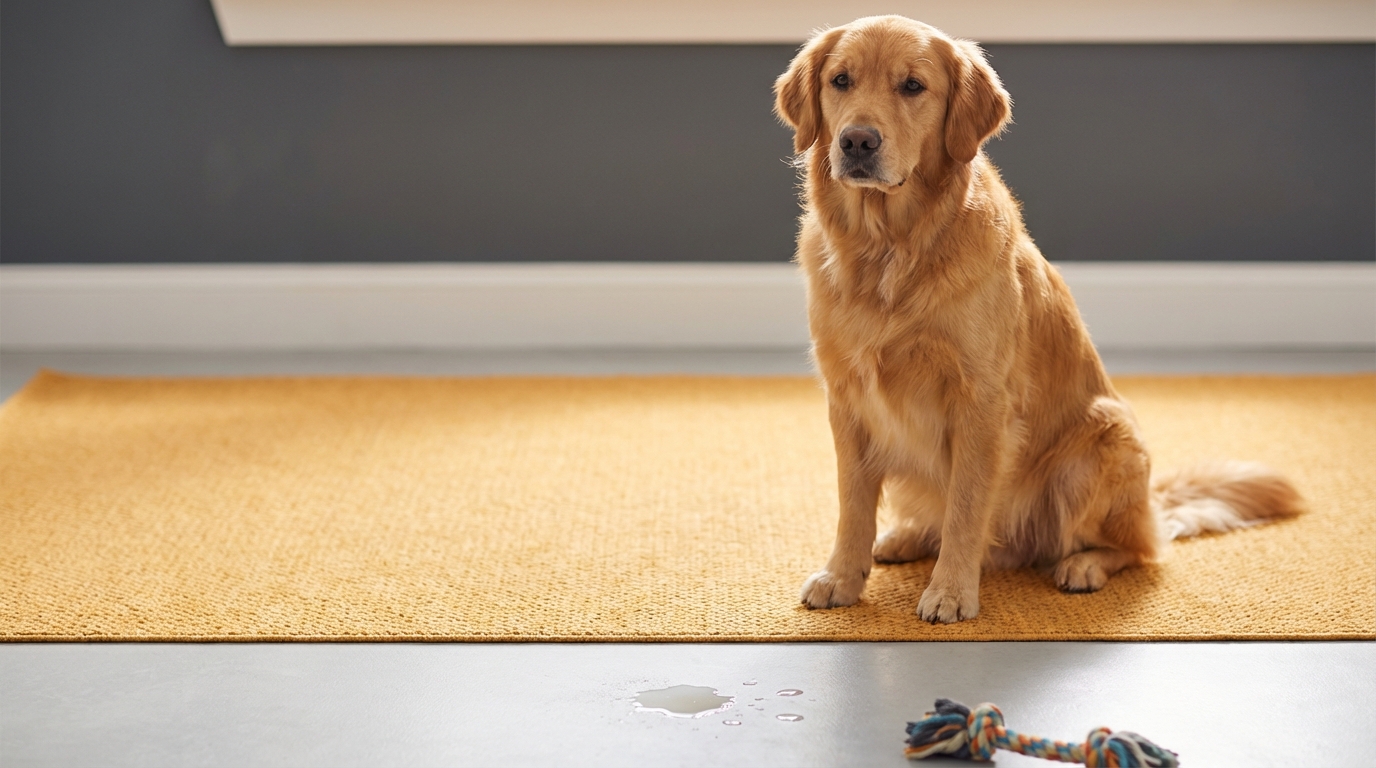
So, you are trying to figure out how to pet-proof your home and protect your floors from claws and accidents. The short answer is you need the right flooring materials, smart layout, and a few habits that protect the floor every single day.
Your floors live at ground zero of pet life. Nails, zoomies, accidents, food spills, water bowls, litter, and mud all end up right there. If you ignore that, you pay later with deep scratches, stains, swelling, and sometimes full replacement. If you plan for it, you get a home that looks good, feels safe for your pets, and does not need a full renovation every few years.
Things you need to know:
- Different floor types handle claws and moisture very differently.
- Nail length and traction matter almost as much as the material itself.
- Moisture is usually a bigger long term problem than scratches.
- Area rugs, runners, and mats are cheap insurance for high traffic spots.
- Fast cleanup and simple daily routines do more than expensive products.
- Right now, some vinyl and tile products handle pets better than most wood.
- Tech like sensors and cameras can help you catch accidents earlier.
How pet claws actually damage floors
Before you pick a product or change your routine, it helps to know what the floor is actually dealing with.
Your pet’s nails create three main problems:
- Micro scratches that build up over time into a dull, cloudy surface.
- Deep gouges from sudden force, like a large dog jumping or scrambling.
- Impact points with grit (tiny rocks, sand) trapped in paw pads.
Harder surfaces do not automatically mean safer surfaces. Some finishes are hard but brittle, so they show white scratches quickly. Others are softer but “forgiving” and hide marks better.
For example:
| Floor type | How claws affect it | What usually fails first |
|---|---|---|
| Solid hardwood (site finished) | Surface scratching, dents on softer species | Finish layer, then wood fibers |
| Prefinished hardwood | Scratches show as white/light lines | Factory finish edges, micro-bevels |
| Luxury vinyl plank (LVP/LVT) | Surface scuffs; deep cuts if something sharp is dragged | Wear layer, then printed film |
| Laminate | Scratches in wear layer; chips at edges | Edges, click joints, water-swollen core |
| Ceramic/porcelain tile | Claws rarely scratch tile; grout stains | Grout, sometimes glaze on cheap tile |
| Carpet | Snags, pulled loops, matting | Fibers crush and stain |
So the material choice is critical, but it is not the only piece. Nail management matters more than people expect.
Claw control: simple habit, huge impact
Think about your pet like a tiny walking floor tool. If that tool has sharp metal spikes, it is going to mark almost anything over time.
You can reduce that in three ways:
- Keep nails short and rounded.
- Give natural sanding surfaces.
- Add optional protection on the nail itself.
1. Regular nail trimming
For most indoor dogs, trimming every 3 to 4 weeks works. Active dogs on concrete walks might stretch that to 6 weeks, small indoor dogs might need every 2 weeks.
Cats need their nails trimmed too, especially older indoor cats that move less and do not wear nails down on their own.
Signs nails are too long:
- You hear loud clicking on hard floors.
- Nails touch the ground when the pet stands still.
- Paw posture looks “spread out” or awkward.
2. Scratch and file zones
If you give the nail a “job”, it stops working on your floors.
- For dogs: concrete patio, textured outdoor tile, or a nail board (a wooden plank with fine sandpaper) as part of a trick or game.
- For cats: multiple scratching posts and pads near doors, windows, and furniture they love.
> Placing cat scratchers right next to where they already scratch works far better than forcing a new spot in a quiet corner.
3. Nail caps: when they make sense
Soft nail caps (often used with cats) can protect surfaces from sharp claw tips. Some owners use them for small dogs too, especially in apartments with glossy wood.
They need refill every 4 to 6 weeks and not every pet will tolerate them, so treat this as extra protection, not a primary strategy.
Moisture: the silent floor destroyer
Scratches look ugly. Moisture quietly wrecks the structure.
Pet-related moisture problems:
- Urine accidents (especially if not found quickly).
- Water bowls and slow leaks around stands.
- Wet fur and paws after walks or baths.
- Litter box tracking and missed aim.
Urine is more harmful than plain water because of the acid and salts. On wood and some laminates, it can:
- Darken or bleach the finish.
- Soak into seams and swell boards.
- Leave long term odor that is very hard to remove.
> With porous surfaces, the first 10 to 15 minutes after an accident matter more than any cleaner you buy later.
Water bowls and fountains create slow, constant risk. Not dramatic, but long term. You often see:
- Cupped or raised planks around the dish.
- Soft, spongy subfloor under carpets near bowls.
- White ring staining on some vinyl seams.
Best pet-proof flooring types (and what to avoid)
Now to the part where you probably want a straight ranking. Here is a simple comparison focused only on pets: claws and accidents.
| Floor type | Claw resistance | Accident resistance | Noise | Comfort for pets |
|---|---|---|---|---|
| Porcelain/ceramic tile | Very high | Very high (if grout sealed) | High | Hard, often cold |
| Luxury vinyl plank/tile (LVP/LVT) | High (with thick wear layer) | High (waterproof types) | Medium | More forgiving, warmer underfoot |
| Sheet vinyl | High | Very high (few seams) | Medium | Soft, good grip |
| Engineered hardwood (matte) | Medium | Low to Medium | Medium | Comfortable, natural |
| Solid hardwood | Medium | Low to Medium | Medium | Comfortable, natural |
| Laminate (water-resistant) | Medium to High | Medium | High | Hard surface, can be slick |
| Carpet (pet rated) | Low (snags, wear) | Low for liquid, high for sound & comfort | Low | Very comfortable, warm |
1. Tile: strongest shield, but with tradeoffs
Porcelain and ceramic tile are tough. Claws almost never scratch them. Urine and water do not penetrate the tile itself.
Upsides:
- Top choice for bathrooms, laundry rooms, mudrooms, some kitchens.
- Easy wipe cleanup after accidents.
- Great for heavy dogs or multiple pets.
Challenges:
- Cold and hard on joints, especially seniors.
- Grout can stain and absorb urine if not sealed.
- Some glossy tiles get slippery when wet.
If you go this route, pick:
- Porcelain or high quality ceramic with a matte or textured finish.
- Smaller grout joints with darker grout color.
- Underfloor heat only if budget allows and climate calls for it.
Then soften it with strategic rugs and beds.
2. Luxury vinyl plank (LVP) or tile (LVT): most balanced option
This class has grown fast partly because of pet owners. You get a surface that is:
- Resistant to surface scratching.
- Waterproof or at least very water-tolerant.
- Quieter and softer than tile or laminate.
> If you want one floor type through most of the house with pets, thick-wear-layer LVP is one of the lowest-risk picks right now.
Look for:
- Wear layer at least 20 mil (0.5 mm) for active dogs.
- Full waterproof core for accident prone pets.
- Non-glossy finish with some texture for grip.
Watch out for cheap vinyl with thin wear layers. Claws can cut through and once the printed layer is damaged, there is no easy repair.
3. Sheet vinyl: overlooked but very pet friendly
Sheet vinyl is one continuous sheet with fewer seams. That alone makes it very strong against moisture from accidents or water bowls.
Good for:
- Basements that see occasional dampness and pets.
- Utility rooms, rental units, or budget projects.
- Homes with older pets that have frequent accidents.
It still needs a good subfloor and careful installation, but maintenance for pet owners is pretty simple.
4. Hardwood: still possible, but pick carefully
You do not have to give up on wood just because you have pets. You just need to adjust expectations and pick the right setup.
Key choices:
- Species: harder woods like oak, maple, or hickory handle dents better than pine.
- Finish sheen: matte hides scratches better than glossy.
- Color and pattern: varied grain and medium tones hide wear better than flat dark stains.
- Site-finished vs prefinished: site-finished with several coats of poly can create a more continuous film, but prefinished often has harder factory finishes.
Manage your expectations: you will get scratches. The question is whether you see them as character or damage.
If you have puppies or are house training, protect wood floors with:
- Gates that limit access until they are dependable.
- Rugs in main play areas.
- Crate or playpen use when you cannot supervise.
5. Laminate: better than it used to be, but watch water
Modern laminate often has good scratch resistance. For claws alone, it can perform well. The problem starts with liquid. Many laminate products still have sensitive cores that swell when exposed to standing water or urine.
If you already have laminate and pets:
- Seal transitions and edges carefully.
- Put waterproof mats around bowls and litter boxes.
- Clean any liquid immediately, do not let it sit in joints.
For new projects with heavy pet traffic, LVP often ends up a safer choice for similar budgets.
6. Carpet: use in zones, not across the whole home
Carpet is nice for pets to lie on. It is quieter and warm. The tradeoff is obvious: stains, odors, and claw snags, especially with loop pile.
If you want carpet around pets:
- Pick “pet rated” fibers with stain resistance and tight construction.
- Avoid long loops where nails can snag; go for cut pile or tight low pile.
- Use carpet tiles in some spaces, so you can swap damaged squares.
> In homes with multiple dogs or cats, carpet works best in bedrooms or low-traffic retreat spaces, not in entry halls or main living rooms.
Zone-based pet-proofing plan
You do not need the same level of protection everywhere. Think in zones:
- Accident zones: where your pet eats, drinks, sleeps, and spends time when you are away.
- Impact zones: entryways, stairs, hallways where they sprint or turn.
- Quiet zones: resting spots, beds, window perches.
Accident zones
These need the strongest moisture defense.
Common areas:
- Near water and food bowls.
- Around litter boxes.
- Crate areas and pen zones.
- Favorite sleeping spots for older or incontinent pets.
Protection steps:
- Use waterproof mats under bowls and fountains with raised edges.
- Place litter boxes on large, waterproof backing mats or low trays.
- Put a washable rug or rubber-backed runner under pet beds.
- Consider vinyl or tile in rooms that also serve as “pet headquarters”.
Impact and traffic zones
Think doors, stairs, and any spot where your pet chases something.
Common issues:
- Scratch marks where pets leap at doors or windows.
- “Zoomie” tracks where they turn sharply.
- Slipping on stairs, especially for older dogs.
Protection moves:
- Install runners in hallways and stair treads on wood stairs.
- Add a mat at every entry where paws bring in grit and moisture.
- Use baby gates to calm traffic in small rooms with slick floors.
> A simple non-slip runner on a staircase can reduce both scratches and vet visits from falls.
Quiet and rest zones
Here the focus is comfort, joint health, and odor control.
- Give thick beds in several rooms so pets are less tempted to sleep on high traffic, bare flooring.
- Use washable covers and wash them on a clear schedule.
- Keep these zones slightly away from direct sun on wood, which can fade and dry planks.
Daily and weekly habits that protect your floors
You can have the toughest floors in the world, but habits still decide how long they stay that way.
1. Paw cleaning routine
Make paw care part of the walk.
- Keep a small towel and a shallow tray near the main door.
- Use a pet-safe wipe or water to remove grit and road salt.
- Focus on between toes where tiny stones hide.
Road salt and ice melt compounds can damage some finishes, not just pet paws. Quick wipe downs reduce both floor wear and skin problems.
2. Fast accident response
The faster you act, the less soaking and staining you have to fight later.
Steps:
- Blot with paper towels or a cloth, do not rub.
- Apply an enzyme-based cleaner for urine on hard or soft surfaces.
- On wood, keep moisture time low: clean, then dry with a separate towel.
> For lingering odor problems, blacklight flashlights help you see old dried spots on hard floors and carpets that your nose still detects but your eyes cannot.
3. Grooming and shedding control
Loose hair traps dirt and oils that grind into your floor finish.
Routines:
- Brush shedding breeds at least a few times per week.
- Vacuum or sweep high-traffic paths daily or every other day.
- Use a robot vacuum in open areas to keep hair and grit down.
If you choose a robot vacuum, pick one with tangle-resistant rollers and, if possible, pet accident detection to avoid the classic “robot spreads the mess” nightmare.
4. Furniture and floor interface
Sometimes you think your pet caused a scratch, but a chair leg started it and claws just made it worse.
Protective steps:
- Use felt pads or soft caps on chair and table legs.
- Add rugs under areas you pull chairs in and out daily.
- Place a small mat under crates to catch movement and moisture.
Tech tools that help protect floors from pets
This is where tech starts to quietly support the physical side of pet-proofing.
Smart sensors and monitors
You cannot watch your floors all day, but sensors can.
- Leak sensors around pet fountains or large water bowls can ping your phone when water pools where it should not.
- Humidity sensors in basements or closed rooms with pets help you spot trends that lead to mold and odors.
> Some smart home platforms let you link a leak sensor to turn on a light or send a louder alarm, which is useful if you are often in a different part of the house with headphones on.
Pet cameras
These do not protect floors directly, but they show what your pet really does when you leave.
You might see:
- The exact path your dog runs to bark at the window.
- Where your cat tends to cough up hairballs or have stomach issues.
- Spots where anxiety or boredom triggers indoor marking.
Once you see patterns, you can protect that zone with washable rugs, more litter boxes, or training.
Feeding tech
Automatic feeders and water fountains help regularity, which helps floors.
- Less frantic feeding can mean less bowl flipping and water spills.
- Fountains encourage drinking, which can reduce concentrated urine odor, especially for cats.
Just remember to put all of these on waterproof mats, because when they fail or tip, they often leak quite a bit.
Training and behavior: hidden factor for floor damage
Much floor damage is a side effect of stress or boredom, not just normal movement.
Managing zoomies and excitement
You will not stop zoomies. You can steer where they happen.
- Play higher-intensity fetch or tug outside, or on rugs in larger rooms.
- Use baby gates to limit sprinting on slick stairs.
- Teach “wait” or “place” at doors to avoid full-speed launching on entry.
Reducing marking and repeat accidents
If your pet urinates repeatedly on the same spot, the floor gets more than its fair share of moisture.
Steps that help:
- Use enzyme cleaners that break down odor compounds, not just mask them.
- If possible, change the purpose of a frequently targeted spot: add a bed, feeder, or even block it off for a while.
- Add or move litter boxes for cats; some need more boxes or quieter spots.
Scratching behavior in cats
Cats need to scratch. You will not get rid of that, but you can redirect it.
- Give both vertical and horizontal scratch options in access paths and social areas.
- Place scratchers near furniture corners they already target.
- Reward them whenever you see them use the “good” scratchers.
> A strong, stable scratching post does more to protect floors and furniture than any spray or cover you buy once and forget.
Product choices that quietly help your floors
You do not need a closet of cleaning products. You need a small set that works well and does not hurt the floor itself.
Floor cleaners
Match the cleaner to the surface:
- For sealed wood and laminate: neutral pH cleaners made for that surface, used with a lightly damp mop.
- For tile: pH neutral cleaners to protect grout and sealer; avoid strong acids unless you know the material can handle them.
- For vinyl: mild cleaners without strong solvents that can dull the finish.
Avoid constant use of steam mops on wood or laminate, even if ads promise it. Repeated heat and moisture at joints can cause issues over time.
Enzyme-based accident cleaners
These attack the organic compounds in urine and feces that cause long term odor.
Use them:
- On both hard floors and carpets or rugs.
- On baseboards and walls near accident sites.
- With enough contact time; many need 10 to 15 minutes before blotting.
Rug and runner choices
Think of rugs as sacrificial layers that take the abuse instead of your permanent floor.
Look for:
- Low pile, flat-woven rugs that are easier to clean and less tempting to dig.
- Machine washable rugs for accident prone areas.
- Rug pads designed for your floor type that do not stick or stain.
If you layer rugs on wood or vinyl, avoid cheap rubber backings that can react with finishes over time.
Fixing common pet-related floor problems
Even with careful planning, things happen. The key is knowing when you can fix something yourself and when it signals a deeper problem.
Surface scratches on wood
Light scratches that have not broken through the finish:
- Try a floor polish or restorer product that fills micro scratches.
- Use color-matched pens or wax sticks on deeper lines.
- Buff gently with a soft pad after.
Deep scratches that reach bare wood:
- Spot repair with stain and finish can help, but may still show in angled light.
- In some cases, area rugs in busy pet zones are a better long term solution than constant touch-ups.
Swollen laminate or vinyl planks
If you see raised edges or “tented” boards near frequent wet spots:
- Fix the source first: bowls, leaks, repeated accidents.
- Replace damaged planks; most floating floors allow plank replacement if you know the brand and locking system.
- Add extra water protection (mats, caulk at room edges) before you reinstall.
Grout discoloration
Urine and water can darken or bleach grout lines.
Steps:
- Clean with a dedicated grout cleaner or baking soda paste for mild cases.
- If staining remains, consider grout color sealer to recolor and protect.
- Use mats and adjust litter box placement to prevent repeat contact.
Carpet odors and stains
For fresh accidents:
- Blot immediately and apply enzyme cleaner generously.
- Place a towel with a weight on top to pull moisture up as it dries.
For long term odors:
- Rent or buy a carpet extractor that pulls rinse water out, not a surface-only cleaner.
- If padding is soaked repeatedly in a spot, replacing that section of padding may be needed.
Planning a remodel with pets in mind
If you are about to change floors, this is the best moment to build pet-proofing into the design instead of trying to fix it after.
Questions to ask yourself
- How many pets do you have, and what size are they?
- Are they still being house trained or fully reliable?
- Do they have known health issues that cause accidents?
- Where do they spend most of their time now?
- Do you plan to add more pets during the lifespan of this flooring?
Your answers help decide:
- Where to use tile or LVP instead of wood.
- Where to budget more for durable surfaces, and where you can save.
- Which rooms should stay pet-free or pet-limited for long term floor care.
Combining comfort and protection
Pets need comfort as much as your floors need protection. You can support both:
- Tile or LVP in kitchens, entries, mudrooms; then runners and soft beds.
- Wood or better carpet in bedrooms where you want warmth and less moisture risk.
- Multi-level beds and ramps to keep older pets off slippery stairs and key zones where falls are more likely.
> When you design with your pet’s daily route in mind, protecting floors stops feeling like a constant battle and starts feeling built-in.
One small habit that pays off fast
If you remember nothing else, set up a simple “pet entry station” by the door you use most with your dog:
- A mat outside for the first dirt drop.
- A grippy mat inside to catch the rest.
- A towel and small container of pet-safe wipes for paws.
- A hook or bin for leashes so you are not juggling gear as you try to grab a towel.
Do that every walk for a week and then look at the difference in grit and streaking on the floors beyond that doorway. That one tiny system takes almost no extra time and quietly protects your floors every single day.