
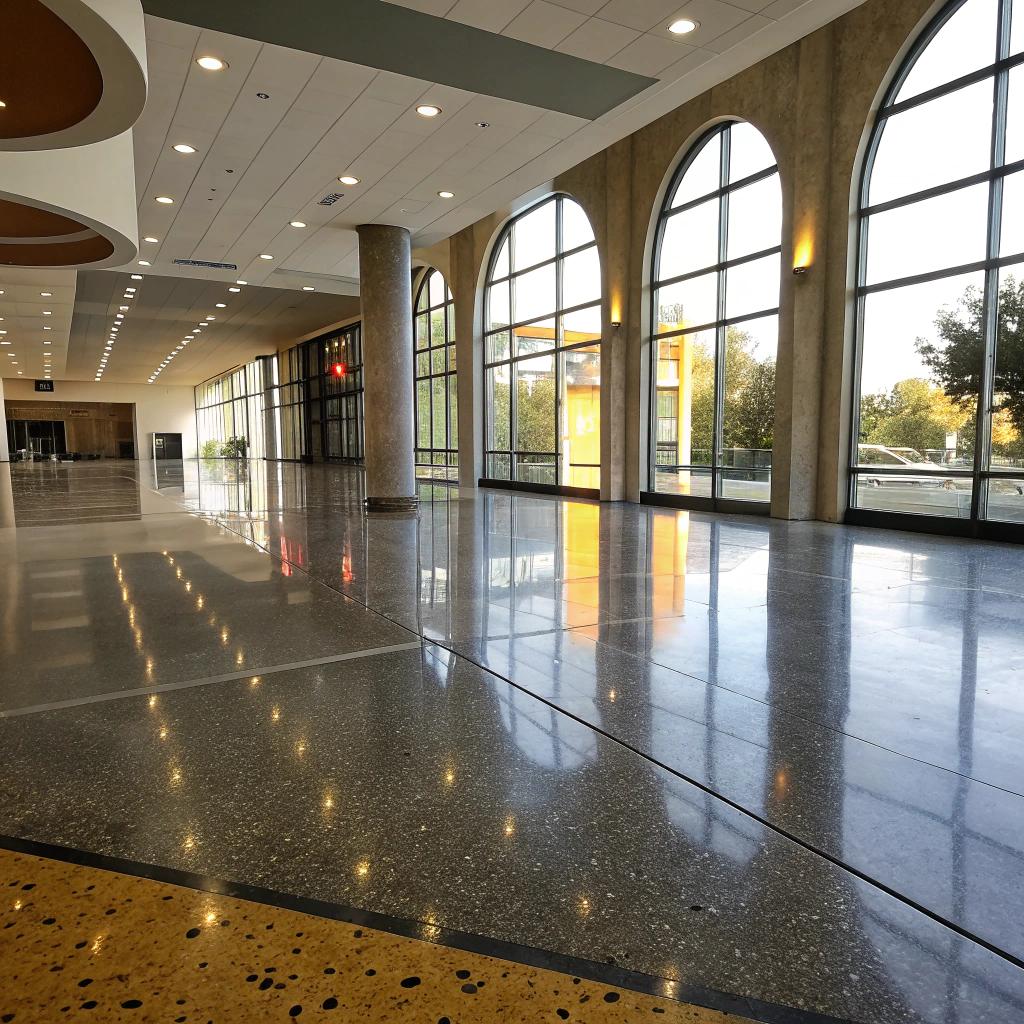
So, you are trying to fix dull or damaged floors and want concrete ideas that actually elevate them, not just cover them up. The direct answer is that you can upgrade bare concrete with finishes like stains, epoxy, polished concrete, overlays, and custom textures that change both the look and durability of your floors without a full rip-out.
In other words, you keep your slab, but you treat it as a design surface instead of a construction leftover. That is the mindset shift. Concrete does not have to be gray, dusty, or cold. It can be smooth, warm in tone, reflective, colorful, or quiet and minimal. If you live near Lone Star Denver, you probably already know that there are more product choices than most people expect. The challenge is working out what makes sense for your home, your climate, and how you actually live day to day.
Here are a few things you need to know before you start picking colors and patterns:
- Concrete is a finishable surface, not just a subfloor.
- Prep work matters more than the coating you choose.
- Moisture and temperature affect which products make sense.
- Interior and exterior floors need different systems.
- Gloss level changes how dust, dirt, and scratches show.
- Realistic maintenance expectations will save you from frustration.
- Your slab’s current condition limits or shapes what is possible.
Thinking of concrete as a finished floor, not a backup plan
Many homeowners treat concrete like the thing you hide under carpet or vinyl. That is a bit backward now. Concrete finishes have improved a lot in the last 10 to 15 years.
I notice a pattern when people start planning renovations. They look at hardwood, then luxury vinyl, then tile. Concrete usually comes last, if at all. But when someone finally sees a good stained or polished concrete floor in a real home, not a showroom, something clicks.
Concrete floors work best when you treat them as the main design feature, not an afterthought under furniture and rugs.
If you are starting from a bare basement slab, a garage, or a ground floor with old tile removed, you already have a solid base. Instead of spending money building up layers, you can put that budget into treatments that change how the existing slab looks and feels.
Ask yourself a few questions before you go further:
- Is this space for heavy traffic, like a mudroom or garage, or a quiet room like a bedroom?
- Do you prefer a clean, modern look or something a bit rustic and varied?
- Are spills, pets, or kids going to be part of daily life here?
- How often are you realistically willing to clean and reseal?
Your honest answers help narrow down which options are worth serious thought and which are just Pinterest material that will annoy you in real life.
Major ways to elevate your concrete floors
There are many products and systems, but for most homes the realistic choices fall into a handful of categories.
1. Stained or dyed concrete for color and movement
If you like the idea of seeing the character of the slab, stains and dyes are often the best route. They add color without covering the surface completely.
There are two broad types:
- Acid stains that react with the concrete chemically.
- Water based stains or dyes that behave more like penetrating color.
Acid stains tend to give more variation and a mottled effect. Water based systems give more predictable color. I lean toward water based stains in homes where people want a calmer, more consistent look, but acid stains still have their place if you like something a bit random.
Staining works best on structurally sound slabs that do not have heavy patching, old glue lines, or big color differences from repairs.
If your floor has lots of scars from old walls or patching, stain may highlight those instead of hiding them. In that case, you might want to move up to an overlay or epoxy instead.
2. Polished concrete for a clean, low visual noise look
Polished concrete is more of a grinding and refining process than a coating. Installers use diamond grinders to smooth the surface, gradually moving to finer grits. Then they use a densifier and often a guard product to improve stain resistance.
You usually choose a gloss level:
- Matte or satin for a quieter, more subtle floor.
- Semi gloss for light reflectivity without a showroom feel.
- High gloss for a more dramatic, reflective surface.
One thing people do not always expect: polished concrete often shows the history of the slab. If you have aggregate close to the surface, grinding may expose it. Some people love that. Others are surprised by it.
If you like a modern, minimal interior and want something that feels solid and simple, polished concrete makes sense. It works very well in open concept spaces, basements, and entry areas.
I like polished floors where natural light is limited, because the reflectivity helps a space feel brighter without extra fixtures.
3. Epoxy and similar resin floors for protection and design
Resin systems take concrete in a different direction. Instead of treating the slab as the focal point, you create a new surface on top.
Common resin floor types include:
- Solid color epoxy floors.
- Flake floors with colored chips broadcast in the epoxy.
- Metallic epoxy floors with flowing, cloudy patterns.
- Quartz broadcast floors with texture and grip.
These are strong choices in garages, workshops, laundry rooms, and busy mudrooms. They also work indoors if you like a very crisp look that covers up patchwork or cracks.
Resin floors are forgiving when a slab has stains, old glue, or color differences, because you are hiding the slab instead of showcasing it.
There are a few tradeoffs to keep in mind:
- Prep work is intense: grinding, crack repair, and often moisture testing.
- Sunlight can cause some epoxies to yellow over time if they are not protected with the right topcoat.
- High gloss resin floors can be slippery when wet unless textured or flaked.
If you are the type of person who keeps a garage clean and organized, a good resin floor almost feels like moving your living space standards into that area. If your garage is more chaotic, a flake system in natural colors can hide dirt between cleanings and still feel tidy.
4. Microtoppings and overlays when your slab looks tired
Not every floor is worth polishing or staining as is. If the concrete has patches, surface contamination, or small damage, overlays can give it a second life.
A microtopping is a thin layer, often about 1/16 to 1/8 inch, that is applied over the old slab. It can be:
- Smooth and modern, ready for stain or dye.
- Textured for slip resistance on patios or walkways.
- Stamped to imitate stone or tile patterns.
Thicker overlays exist too, for leveling or more dramatic textures, but microtoppings are common inside homes.
Overlays are nice when someone wants a very specific color or feel and the existing concrete just will not cooperate. They also work well when you want a seamless look that runs from one room to another without grout lines.
You do need to accept one thing: overlays can crack if the slab moves a lot. Good prep and crack treatment help, but they are not magical. If movement continues, some of that may show over time.
5. Stamped and textured concrete for outdoor spaces
For patios, walkways, and pool decks, stamped or textured concrete is common. Indoors, it is less common, but in sunrooms or enclosed patios it can work.
Patterns include:
- Stone or slate looks.
- Wood plank patterns.
- Simple broom or trowel textures.
I am cautious about indoor stamped textures where people might walk barefoot a lot. Deep joints or aggressive texture can collect dust and feel odd underfoot. For outdoor living areas, though, texture helps with slip resistance and can tie into landscaping nicely.
If you already have a poured exterior slab, sometimes an overlay stamp system can refresh it without a full new pour, assuming the base concrete is in fair condition.
How these options compare for real homes
To make this more practical, here is a simple table comparing some common choices. This is not every detail, but it can help you sort ideas in your head.
| Finish type | Best spaces | Look | Maintenance | Hides slab issues? |
|---|---|---|---|---|
| Stained / dyed concrete | Basements, living areas, entryways | Mottled, natural, or subtle color | Regular cleaning, periodic reseal | Poor at hiding patches or big color changes |
| Polished concrete | Open living spaces, basements, modern homes | Smooth, reflective, minimal | Dust mop, occasional burnish or re-guard | Emphasizes existing slab character |
| Solid color epoxy / resin | Garages, workshops, utility rooms | Clean, uniform, often glossy | Mild detergent, protect from harsh impacts | Good at hiding stains and minor repairs |
| Flake or quartz systems | Garages, mudrooms, exterior entries | Speckled, textured, hides dirt | Simple cleaning, occasional topcoat refresh | Very good at disguising imperfections |
| Microtopping / overlay | Interiors needing a “reset” | Can be smooth, textured, or patterned | Similar to stained or sealed floors | Good, but still affected by slab movement |
| Stamped / textured exterior | Patios, walkways, pool decks | Patterned, more decorative | Reseal occasionally, clean as needed | Depends on thickness and prep |
Key factors people ignore, then regret later
When concrete floors disappoint, it is rarely because the material is bad. It is usually because someone skipped a basic step.
1. Not taking moisture seriously
Concrete is porous. Moisture can move through it from below, especially in basements or on ground level. That moisture can:
- Push up coatings like epoxy or paint.
- Cause hazy spots under clear sealers.
- Lead to efflorescence, which is the white powdery residue you sometimes see.
You do not need to be paranoid, but you do need to test. A simple calcium chloride test or in situ probe test tells you whether a high performance coating will behave properly.
If you ignore this and just roll something on, you are gambling. Sometimes it works. Sometimes it fails in a year and people blame the product when the real issue was moisture from below.
2. Skipping mechanical prep
There is a temptation to think “My slab looks fine, I will just clean it with a degreaser and roll on a sealer or epoxy.” That sometimes works for a short time. Then you start seeing peeling around tires, hot spots near sunlight, or flaking in high traffic.
Concrete needs a certain profile for coatings and overlays to bond. Installers usually create this with:
- Grinding with diamond tooling.
- Shotblasting for heavier profile needs.
You might think this step is overkill, but it is not. Coatings bond mechanically and chemically. No profile, weak bond.
I ran into one homeowner who had rolled a hardware store epoxy over a very smooth garage pad. It looked great for about 8 months. Then tire hot pickup started peeling rings under the car. At that point, fixing it cost more than doing it properly the first time.
3. Underestimating how color and gloss affect cleaning
Glossy, black or very dark floors look great in photos. In daily life they can drive you a bit crazy.
High gloss shows:
- Fine scratches.
- Dust and pet hair.
- Footprints in strong light.
Dark colors show dust and salts from shoes much more than mid tone or lighter shades. If you like dark floors, that is fine, but be honest about how often you want to sweep or dust mop.
Sometimes a satin or matte finish in a neutral, slightly varied color gives you 80 percent of the visual impact with half the day to day fuss.
4. Ignoring how the space feels underfoot
Concrete is hard. That is part of its benefit, but it can also feel tiring in kitchens or laundry areas where you stand for long stretches. Some people are fine with that and add soft mats where they stand most.
If you know your knees or back are sensitive, you might:
- Keep concrete in living spaces and use another surface in long-stand areas.
- Add area rugs wherever you stand often.
- Choose a resin system with a slight cushion layer under the top coats.
It is better to accept this early than to pretend it will feel like wood or cork. Concrete has its own strengths, but softness is not one of them.
Ideas room by room: practical concrete upgrades
Sometimes it helps to walk space by space and think through what actually makes sense.
Garage floors
Garages get a lot of use that most flooring would not survive. Hot tires, road salts, tools, sometimes oil and chemicals.
For garages, people usually look at:
- Solid color epoxy or polyaspartic systems.
- Flake systems that hide dirt.
- Simple clear sealer on well finished slabs for a more subtle change.
Flake floors in gray, beige, or natural tone mixes are popular because they break up dirt visually. You still clean, but you are not staring at every dusty footprint.
If you really use your garage as a workshop, adding a textured topcoat or quartz broadcast near work zones can help with traction if things get wet.
Basements and lower levels
Basements feel bigger and less like storage when the floor is finished properly. Carpet can hold moisture, so concrete finishes often make more sense.
Good approaches for basements:
- Polished concrete if the slab is decent.
- Stain and seal for a warmer tone that still shows movement.
- Overlay if there is patchwork or old glue marks you want to hide.
Basements also benefit from lighter colors and mid sheen levels, because they tend to be short on natural light. I have seen basement floors transformed by a fairly simple grind, stain in a soft gray or tan, then sealer in satin. Suddenly it feels like a living space instead of a storage room.
Do not skip moisture checks here. Basement slabs can surprise you.
Entryways and mudrooms
These areas see water, mud, melted snow, and grit. They need grip, cleanability, and a surface that does not panic when it gets wet.
Options that work:
- Lightly textured sealer over stained or dyed concrete.
- Flake or quartz resin systems with anti slip texture.
- Microtopping with a subtle broom or trowel texture.
You might think a totally smooth, glossy finish would be easy to mop, but in a wet entry it can feel slick. A little texture helps a lot and still wipes clean.
Here I like mid-tone floors, because they hide the in-between stages of dirt between cleanings. Very light floors show every bit of mud. Very dark floors show salts and dust.
Kitchens and living spaces
Concrete in kitchens can look great. The question is whether you are okay with a bit of patina over time.
A sealed or polished concrete kitchen floor will pick up minor marks from dropped items, chair legs, and small spills. If you want a floor that never changes, tile or some vinyl products might suit your mindset better.
If you like the idea of a surface aging a bit, concrete works. You can protect high traffic kitchen zones with:
- Chair glides or soft feet on stools.
- Rugs in front of the sink and stove.
- Regular cleaning and resealing as recommended.
Living rooms often benefit from polished or stained concrete when the rest of the finishes are clean and simple. It works well with modern sofas, metal, and wood. If your style is very traditional, you can still use concrete, but you may want warmer tones and softer textures.
Outdoor spaces
For patios and pool decks, concrete can change the feel of the whole yard.
Ideas that tend to age well:
- Soft, stone-like stamped patterns in neutral colors.
- Broom or trowel finishes with two-tone staining for depth.
- Knockdown textures around pools for grip with cooler feel in the sun.
Bright, trendy colors can feel fun for a few years, then start to feel dated. Natural stone tones, grays, and muted browns usually age better alongside landscaping.
Because these surfaces get sun, rain, and sometimes snow, plan on resealing on a schedule. That might be every 2 to 4 years depending on products and exposure.
Planning your project: questions that save time and money
Before you choose any system, ask a few grounded questions. These apply whether you do it yourself or hire someone.
What is the current condition of the slab?
Walk the floor carefully and look for:
- Cracks: are they hairline or wide? Do the edges sit at different heights?
- Pitting or spalling on the surface.
- Areas with old glue, paint, or stains.
- Low spots where water pools.
Some cracks are fine to repair and coat over. Others signal movement that might keep going. A good installer will be honest if something is a red flag.
If your slab is full of deep repairs and unevenness, a simple stain will not magically make it look perfect. You may need an overlay or resin system to get a more uniform appearance.
How much maintenance is realistic for you?
Every floor needs some care. The difference is how often and how involved.
Here is a rough idea:
| Finish | Day to day care | Longer term care |
|---|---|---|
| Polished concrete | Dust mop, neutral cleaner as needed | Re-guard or burnish after some years in high traffic |
| Stained & sealed concrete | Sweep or vacuum, mild mop | Reseal every few years depending on wear |
| Epoxy / resin floors | Sweep, mop with suitable cleaner | Topcoat refresh when gloss and protection fade |
| Exterior textured concrete | Blow or hose off debris | Reseal on a schedule to protect color and reduce wear |
If you like low fuss, polished concrete or mid sheen resin floors may suit you. If you enjoy home projects and do not mind resealing yourself from time to time, stained concrete can give you more visual warmth.
How much grip do you need?
A lot of people think about color first and slip resistance last. Try flipping that.
For each space, ask:
- Will this floor get wet often?
- Do you have young children, older adults, or anyone with mobility issues at home?
- Will shoes usually be on or off in this area?
If the answer points to more caution, choose:
- Textures or additives in sealers and topcoats.
- Lower gloss levels on ramps, stairs, or near doors to outside.
- Mat placements planned out in advance.
You do not have to make everything rough. You just plan grip where risk is higher and keep smoother surfaces where it is safe.
DIY vs hiring out: being honest with yourself
Concrete upgrades can be very tempting as DIY projects. Some are realistic. Others are not.
Generally easier for careful DIY work:
- Simple cleaning and resealing of an existing stained slab.
- Clear sealing of a small, well prepped patio.
- Very small flake floor systems with clear instructions and good prep tools.
Harder to handle without experience:
- Full grind and polish projects, especially over large areas.
- Moisture sensitive epoxy systems in basements or big garages.
- Microtoppings where a consistent finish is critical.
The tricky part with DIY is that mistakes often only show a year later. If something peels, stains badly, or wears unevenly, you may end up paying twice: once for materials and again for professional correction.
On the other hand, if you enjoy learning, have patience, and start with a small test space, you can save on labor and still get a good outcome. Just do not skip the unglamorous steps like grinding and cleaning thoroughly.
If the idea of renting grinders, reading safety sheets, and doing moisture tests feels overwhelming, hiring a pro is not a failure. It is just a different kind of smart.
Common questions about concrete floors, answered plainly
Will concrete floors crack no matter what I do?
Hairline cracks are common and sometimes unavoidable, especially in older slabs or areas with temperature swings. Good joint placement, reinforcement, and curing reduce the risk, but do not erase it.
Many people accept fine cracks as part of the character. If you want a cleaner look, overlays or resin systems can hide them, but strong movement in the slab can still show over time.
Are concrete floors too cold for homes?
Concrete itself is not usually colder than tile, but it does hold the temperature of the room. In colder climates, radiant heat in or under the slab makes concrete very comfortable. Without radiant, area rugs and good insulation help.
If you walk barefoot a lot and dislike cooler surfaces, you might combine concrete in common areas with warmer surfaces in bedrooms. You do not need a single material everywhere.
Do concrete floors hurt resale value?
This depends on your local market and how well the floors are done. In many modern or urban areas, good concrete floors are seen as a plus, especially in basements, entries, and open layouts.
Poorly finished, patchy, or peeling floors obviously hurt value. Nicely polished or stained floors that suit the style of the home can help. If you are planning to sell soon, lean toward neutral colors and finishes that will work with a wide range of buyer tastes.
Can concrete be made to look “soft” enough for a cozy home?
Yes, but not with concrete alone. The floor can be kept in warm earth tones, low to mid sheen, and paired with:
- Textiles like rugs, curtains, and cushions.
- Warmer woods and softer lighting.
- Plants and softer decor elements.
Concrete gives a stable, quiet visual base. Coziness comes from what you put on and around it. If everything in a room is hard and minimal, it will feel colder. That is not the concrete’s fault on its own.
What is the simplest concrete upgrade if I am unsure where to start?
Often, the simplest step is to clean your existing slab thoroughly, repair obvious cracks, and apply a clear or lightly tinted sealer with the right prep. It will not fix every visual flaw, but it shows you what a “finished” version of your existing floor feels like.
From there, you can decide if you want to go further into stain, polish, overlays, or resin systems. Starting small gives you real feedback, not just photos.
If you stand in that space, barefoot or in shoes, and ask yourself, “Can I live with this look if it were a bit more refined?” your answer will be more honest than anything a catalog or showroom can give you.