
So, you are trying to plan Jacksonville NC electric work for renovation success and not blow your budget, your timeline, or your walls.
The short answer is: start with a clear electrical plan, bring in a qualified local electrician early, coordinate it with your layout and flooring choices, and do not cut corners on safety or permits.
Most renovation problems around electrical are boring, predictable, and avoidable. Circuits get overloaded, outlets land in bad places, lighting looks wrong with new flooring, or someone skips permits and has trouble selling the house later. If you nail the planning and inspection side, the rest is mainly patience, dust, and a few honest compromises between what you want and what you can safely power.
- Know what work must be done by a licensed electrician and what you can safely do yourself.
- Plan outlets, lighting, and switches with your flooring and furniture layout, not after.
- Budget for panel upgrades, AFCI/GFCI protection, and grounded receptacles where needed.
- Pull permits when required and schedule inspections at the right stages.
- Think about future loads: EV chargers, workshops, hot tubs, and home offices.
Start with a realistic electrical plan, not random fixes
So you are renovating a room, a kitchen, or maybe the whole house, and you are thinking, “I will just add a few outlets and some better lights.” That is where most people start, and it is usually too vague.
You need a simple but clear plan. Nothing fancy. A sheet of paper or a basic digital sketch works.
Here is a process that actually works in real houses with real budgets:
- Print or sketch your floor plan.
- Mark where big furniture, cabinets, and appliances will go.
- Mark where you will stand, sit, or work most of the time.
- Now add outlets and switches where your hands will naturally reach.
- Add lighting to match tasks: cooking, reading, working, relaxing.
You can then take that to a local pro, for example a electrical contractors Jacksonville NC contractor, and ask, “What here is realistic, what needs more power, and what is against code?”
Good electrical planning starts with how you live in the space, not with what wire fits in the wall.
If you skip this and just tell an electrician “Put some outlets wherever,” you often end up with:
- Extension cords across new floors.
- Lamps in weird corners.
- Too few kitchen and bathroom outlets.
- Lighting that makes your new flooring look dull or mismatched.
That is frustrating because it is so predictable. A half hour of planning early saves you years of annoyance.
How electrical choices affect your flooring and layout
This is a flooring-focused site, so let us be honest: flooring and electrical are more connected than most people think.
Where cords go, your eyes go
You can have perfect LVP, hardwood, or tile. If you have orange extension cords running across it, the room still feels unfinished.
Some questions to ask yourself while planning:
- Where will the TV, sound system, or projector go?
- Will you have floor lamps or mostly ceiling lighting?
- Will you use area rugs that might hide or block floor outlets?
- Do you want powered recliners or adjustable beds?
If you know these answers, you can plan outlets to feed power from walls behind furniture, not across your walking paths.
Floor outlets: nice in theory, tricky in practice
Floor outlets sound smart in large living rooms or open plans. Sometimes they are. But they are not always as great as they look on Pinterest.
Pros:
- Nice for lamps in the center of a room.
- Helps avoid cords across walkways.
Cons:
- They can be awkward with certain flooring types.
- The covers can catch dirt or mop water.
- They are hard to move later, especially on concrete slabs.
If you are installing new flooring over a slab, you need this decided before the floor goes down. Cutting into new tile or engineered wood to add a floor outlet later is usually a bad conversation to have with your contractor.
Any outlet that goes in or near your new flooring should be planned before the first plank, tile, or board is installed.
Lighting and how your floor actually looks in real life
Lighting can make your new floor look warmer, cooler, darker, or even slightly different in color.
Think about:
- Color temperature: 2700K to 3000K feels warmer; 4000K can look a bit clinical.
- Direction: Downlights pointed straight down can highlight every plank joint.
- Glare: Shiny tile plus harsh lighting can be tiring on the eyes.
A lot of people choose flooring samples in store lighting and then install cooler LED lights at home, and the floor looks different than they expected. It is not the floor’s fault. It is the lighting.
Know what to DIY and what to leave alone
If you live in Jacksonville or Onslow County, you still face the same basic question as anywhere else: what can you safely do yourself, and what needs a licensed electrician?
Some basic guidelines that make sense:
| Task | Often DIY-friendly | Hire a pro |
|---|---|---|
| Replace a light fixture with the same type | Yes, if power is off and you know the basics | Yes, if circuit or box is old or damaged |
| Replace an outlet or switch like-for-like | Maybe, for confident homeowners | Yes, if old wiring, no ground, or aluminum wire |
| Add new outlets, circuits, or move wiring | No | Yes |
| Upgrade panel or add subpanel | No | Yes |
| Bathroom, kitchen, or outdoor circuits | Rarely, and only minor changes | Yes |
I know some people will say, “I watched a few videos, I can do this.” Maybe. But house wiring behind finished drywall is not the same as swapping a lamp cord.
If you are already investing in new floors, cabinets, or layout changes, gambling with wiring behind it is not smart. Fixing hidden electrical problems later means cutting into the new finishes you just paid for.
If the work affects safety, code, or what is behind walls, that is the moment to call a licensed electrician, not after something fails inspection.
Permits, inspections, and why they actually help you
Nobody enjoys paperwork. But with electrical work, permits are not just red tape. They protect you from some very real problems.
Here is what permits and inspections quietly support:
- They verify that circuits are properly sized and protected.
- They help prevent hidden splices or buried junction boxes.
- They give you documentation when you sell the house.
- They can help with insurance claims after a fire or storm.
Skipping a permit to “save time” often slows you down later when:
- A buyer’s home inspector flags unpermitted electrical work.
- Your DIY additions overload an older panel.
- A small problem becomes a big one behind finished walls.
If you prefer to stay on schedule, plan permits and inspections right into your renovation calendar. This is one place where a local pro who knows Jacksonville and Onslow County rules can save you headaches.
Panel capacity and future plans
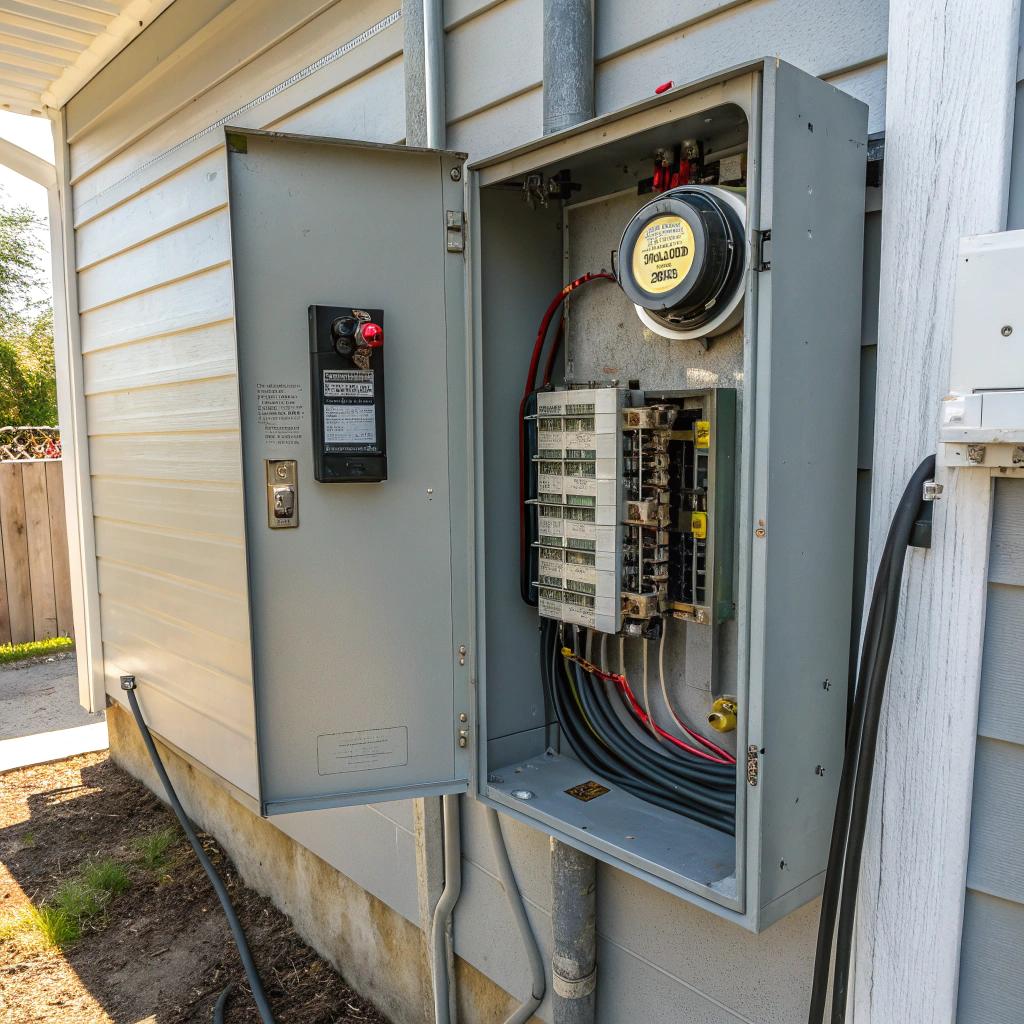
Many older homes in Jacksonville and surrounding areas still run on 100 amp or older panels. That might have been fine when houses had fewer large loads. Now, with:
- HVAC
- Dryers
- Dishwashers
- Tankless or large water heaters
- Garage tools
- EV chargers or plans for one
the main panel can quietly become the bottleneck.
Here are some signs your panel deserves a closer look:
- Frequent tripping when you run more than a couple of appliances.
- Double-tapped breakers, or messy labeling, from years of small add-ons.
- Old fuse boxes still in use.
- Rooms that only have two-prong outlets and no clear path to grounding.
It is easy to say, “We will just add a circuit for the kitchen for now.” But if you plan to:
- Finish the garage or attic.
- Add a workshop.
- Install a hot tub or pool equipment.
- Add an EV charger in a few years.
then you might be better off talking about a panel upgrade once, instead of fighting the panel every single time you change something.
Kitchens: where electrical and flooring missteps really hurt
Kitchens combine water, heat, sharp tools, high-watt appliances, and usually some of your most expensive flooring. This is where sloppy electrical planning shows up fast.
Plan for real life, not just the photos
Think through an actual day in your kitchen:
- Where do you prep food most often?
- Where do you plug in coffee makers, air fryers, stand mixers?
- Do you use multiple appliances at once?
Common mistakes:
- Too few countertop outlets, spaced badly.
- No dedicated circuits for big appliances.
- Lighting that casts shadows on work areas.
- Outlets that look fine on paper but feel awkward once the backsplash and counters are in.
If you are installing new tile or luxury vinyl plank in the kitchen, floor outlets are usually not what you want, but toe-kick lighting or under-cabinet lighting might be. Both affect wiring paths.
Kitchen electrical basics that are worth insisting on
Many of these are code driven, but even if they were not, they still make sense:
- Dedicated circuits for microwave, dishwasher, disposal, and refrigerator.
- GFCI protection for all countertop outlets.
- Good general lighting plus task lighting over counters and the sink.
- Outlets that are high enough above the countertop to clear backsplash details.
When done well, the kitchen feels easy to work in and the flooring feels safe and dry, instead of a place where you worry about spilled water near outlets or cords hanging over the edge.
Bathrooms and moisture: protect people and your new finishes
Bathrooms are small but packed with risk and code rules. Water, steam, metal tools, and bare feet meet electricity. Not a great combo without some protection.
Must-haves that are worth checking before you close anything up:
- GFCI protected outlets near sinks.
- Properly rated fixtures in shower areas and over tubs.
- Vent fans wired correctly, with enough power and vented outdoors.
If you are installing new tile floors with electric heating mats, it gets more interesting. Heated floors feel great, especially in winter, but:
- The heating system must be rated for use under your flooring choice.
- A dedicated circuit is often needed.
- Controls should be easy to reach, preferably near the door.
You really do not want to open a new tiled floor to chase a wiring mistake. That is one of the worst renovation scenarios, and it is avoidable with clear planning and inspection.
Living rooms, bedrooms, and “invisible comfort”
In living spaces, electrical work is part comfort, part safety, and part just not being annoyed daily.
Think about:
- Outlet placement behind nightstands, couches, and desks.
- Switched outlets for lamps if you do not want ceiling fixtures.
- USB or USB-C outlets in convenient spots for charging.
- Enough circuits to handle modern TV systems and game consoles.
If you are putting in new carpeting, laminate, or hardwood, these choices matter before flooring installers arrive, not after.
I have seen people move into a freshly renovated room and realize they have no convenient place to charge a phone near the bed, and then they start running cords around the edge of their new floors. It is such a small thing, but it makes the space feel unfinished.
Garages, workshops, and future EV charging
Garages and workshops are where many homeowners push their luck with extension cords and overloaded outlets.
For a garage renovation, think in terms of zones:
- Storage zone: minimal outlets, maybe lighting only.
- Work zone: several 20 amp outlets along a workbench wall.
- Parking zone: lighting, plus potential EV charger location.
For EV charging, even if you are not ready for a charger now, ask:
- Is there space in the panel for a future 240V breaker?
- Is there a practical path for that wiring to reach the garage?
If you leave room for this early, you save money and hassle later. It is one of those “future you will thank past you” situations.
Common electrical mistakes in Jacksonville renovations
Every area has patterns. In and around Jacksonville, some common renovation issues keep showing up:
- Older houses that have been “updated” several times with no clear plan.
- Unlabeled or mislabeled panels that nobody understands anymore.
- Additions that tap into existing circuits that were already maxed out.
- Enclosed porches turned into rooms with questionable electrical feeds.
When you open walls during a renovation, you often find:
- Wires not stapled or supported correctly.
- Junction boxes buried behind drywall or paneling.
- Different types or ages of wiring spliced together.
It can feel stressful, because it means more work than you expected. But that is also the best time to fix problems for good, before you close the walls and lay new floors.
Best order of operations so flooring does not get ruined
This order is not perfect for every project, but it helps avoid rework:
- Plan layout, electrical, plumbing, and HVAC together.
- Get your electrical scope priced and scheduled.
- Do rough electrical work before insulation and drywall.
- Get rough inspections done.
- Close walls, finish drywall and painting.
- Install ceilings fixtures, switches, and outlets but keep covers protected.
- Install flooring.
- Install baseboards and final touch fixtures.
What you do not want is someone cutting into walls and ceilings above freshly finished floors because something was missed or failed inspection. That is when tempers flare and budgets stretch.
Budgeting for electrical: where to spend and where to hold back
Electrical work does not always show in photos, so it can feel hard to spend money on it.
I would look at it like this:
Spend more on:
- Panel upgrades and safe, modern wiring.
- Dedicated circuits for heavy loads.
- Proper GFCI and AFCI protection where required.
- Good quality recessed cans and dimmers.
Be moderate or simple on:
- Fancy smart switches in every room.
- Complex multi-color lighting controls you might barely use.
- Overly customized systems that are hard to maintain or repair.
A solid, simple system usually ages better than a very clever one that nobody understands by year three.
Questions to ask your electrician during a renovation
If you are not used to talking with contractors, it can feel awkward to know what to ask. You do not need to be technical, but you should be curious and clear about your goals.
Some direct questions that help:
- “What does my panel capacity look like for this project and for future changes?”
- “Are there any safety issues you see in the existing wiring that we should fix while the walls are open?”
- “Where do you recommend GFCI and AFCI protection in this house?”
- “Is there any part of this scope that you think is overkill for how we actually live?”
- “How will this plan affect future options for an EV charger, hot tub, or workshop?”
If the answers are vague or rushed, ask for a short walkthrough on site. It is easier to point at walls and ceilings and talk through what will go where.
Coordinating electric work with other trades
On a renovation, different trades can either cooperate or step on each other’s work.
Some practical tips:
- Share your electrical layout with your flooring installer before they start.
- Confirm whether any floor penetrations or transitions need power.
- Make sure cabinets, vents, and lighting all make sense together.
- Ask who is responsible for patching holes after electrical changes.
If you are the one coordinating everything, a simple printed schedule on the fridge or in the garage where everyone can see it can help. Nothing fancy. Just who is coming when, and what needs to be ready for them.
Quick Q&A to wrap things up
Q: Should I upgrade my panel before or after my renovation?
A: If your panel is old, often overloaded, or near capacity, it usually makes more sense to upgrade before or during the main renovation. That way, all your new circuits are cleanly organized, and you avoid patchwork fixes.
Q: Do I really need GFCI and AFCI breakers or outlets?
A: Yes, in areas like kitchens, bathrooms, laundry rooms, and bedrooms, these are about preventing shocks and electrical fires. They are not a luxury item. They are basic protection that current code expects and that most buyers quietly assume is there.
Q: Is recessed lighting always better than floor and table lamps?
A: Not always. Recessed lighting is good for general brightness, but rooms still feel better with a mix of sources, including lamps. The key is planning power for both, so you are not forced into one approach because you lack outlets or switched locations.
Q: How many outlets is “enough” in a room?
A: Code gives a minimum, but comfort usually means more. For most living spaces, having an outlet every 6 to 8 feet along usable wall space is a decent target, plus extras behind where you know the TV, desk, or bed will go.
Q: Can I add a heated floor later without major electrical work?
A: Sometimes, but not always. Heated floors often need their own circuit, and wiring paths need to be planned. If you think you might want heated floors in a bathroom or entry someday, mention it now so your electrician can leave room for it in the panel and routing.
If you walk through your renovation with these points in mind and stay honest about what you can handle and what you should hand off, your electrical system can support your new floors and layout instead of fighting them.