
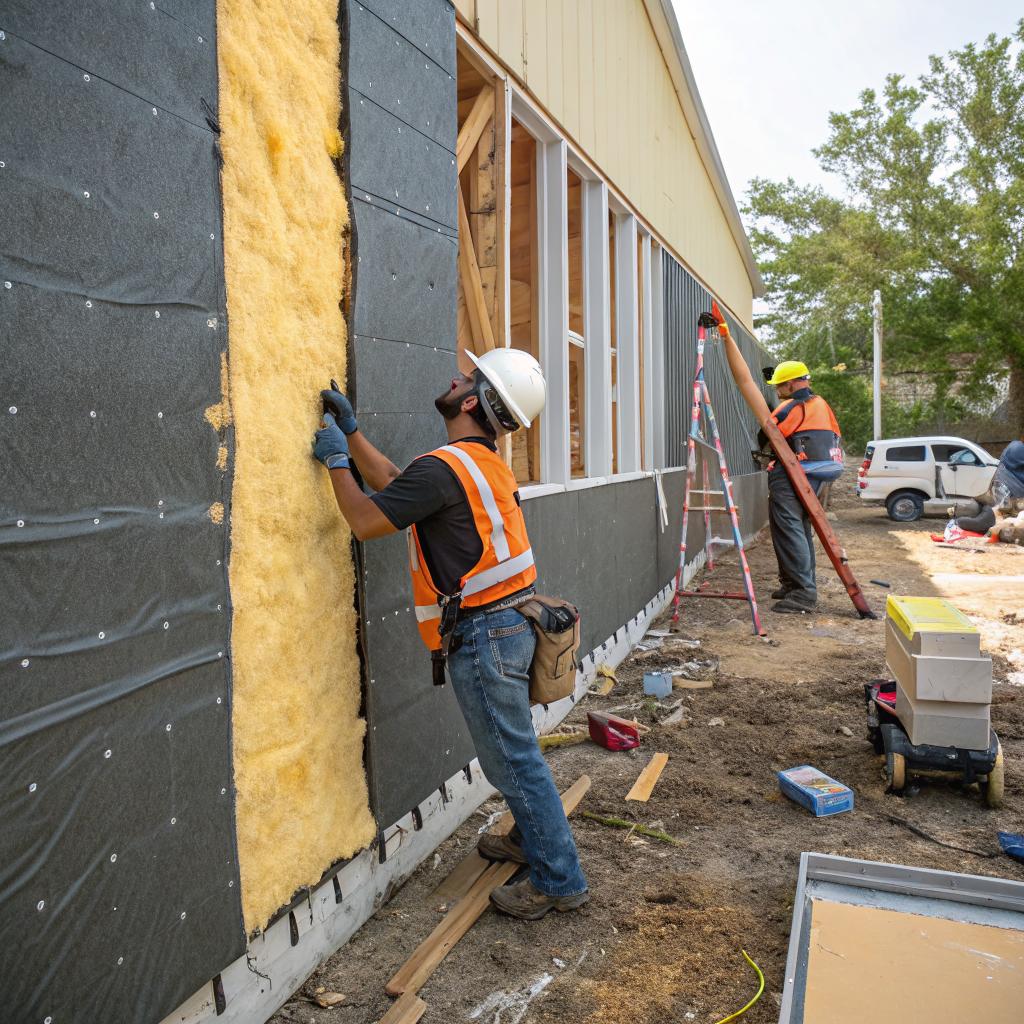
So, you are trying to figure out insulation removal in Houston so your renovation plans actually make sense and not create new problems. The short answer is that you need a clear plan for safety, dust control, disposal, and timing, and in many cases you are better off mixing some DIY prep with professional removal instead of trying to do everything yourself.
In Houston, insulation removal is not just about ripping old material out of the attic and calling it a day. Heat, humidity, past roof leaks, bugs, and rodents often leave your insulation in worse shape than you expect. That affects air quality, energy bills, and even the condition of your floors and subfloor during a remodel. If you want smarter renovations, you need to think about insulation early, not as an afterthought when the drywall is already up and the floors are down.
- Old insulation can hide mold, droppings, and moisture damage that will spread into new finishes if you ignore it.
- Attic dust and fibers can drift into your living space, affecting indoor air and making your flooring and paint work look dirty fast.
- Houston heat puts pressure on your HVAC and new floors, so the way you remove and replace insulation affects comfort long term.
- Professional insulation removal Houston services often come with better vacuum systems and containment than DIY gear.
- Timing insulation removal before major flooring, trim, or cabinet work protects your new materials from contamination.
- You need to know what type of insulation you have before you touch it, because the removal method changes a lot.
- Plan for gaps, air leaks, and attic ventilation while the insulation is out, so you do not have to open everything up again later.
How insulation removal fits into smarter renovations
If you are planning a renovation that involves new flooring, fresh paint, or layout changes, insulation might not be the first thing on your mind. That is understandable. Most people start with what they see: floors, cabinets, and fixtures.
Still, the shell of the house controls comfort and energy use. Insulation is a big part of that shell. When you ignore old insulation during a remodel, you can end up with:
- Hot and cold spots in rooms that you just finished
- Condensation or minor cupping on certain types of wood floors
- Persistent dust settling on new flooring and furniture
- Strange smells that seem to come from “nowhere” after the project
If you are renovating in Houston, treating insulation as part of the project, not an extra, usually gives you better results for comfort, air quality, and the life of your flooring.
Think of insulation removal as a reset. When old material is gone, you can see the structure, wiring, and ductwork. You can seal air leaks and then put back the right insulation for your climate and budget.
How to know if your insulation should be removed at all
Not all old insulation needs to come out. This is where some people go too far and waste money.
Here are signs removal is worth serious thought:
1. Water damage or past leaks
If your roof has leaked, or your AC drain pan overflowed, that moisture often sits in the insulation. In Houston’s humidity, that is a problem.
Look for:
- Dark, matted sections of fiberglass or cellulose
- Moldy smell when you open the attic hatch
- Visible mold on rafters or decking near the wet insulation
Wet insulation does not insulate well. It can hold moisture against wood, which can lead to rot. Leaving it in place under new flooring or drywall is a risk.
2. Rodent or insect activity
Mice, rats, and insects love attic insulation. They tunnel through it, nest in it, and leave droppings and urine behind.
Signs include:
- Small burrows or tunnels in blown material
- Pellets or droppings scattered on top
- Nests made of shredded insulation or paper
- Noticeable smell in certain seasons
If you see this in more than one spot, removal across the affected area is usually smart. Leaving contaminated insulation can compromise indoor air, even if your finishes look nice.
3. Very low insulation levels
Old houses in Houston often have thin layers of fiberglass batts between joists, or a light layer of blown fiberglass or cellulose.
If you can see the top of your ceiling joists clearly across the attic, you probably do not have enough insulation for modern expectations.
You do not always have to remove old material in this case. Sometimes you can add new material on top. But if the existing insulation is dirty, patchy, or has other problems, removal gives you a cleaner base.
4. Old or unknown insulation material
Some older homes have insulation that people are not sure about. For example:
- Loose, gray, fluffy material that might be cellulose or might be something else
- Very old vermiculite pellets (in older parts of the country this can be a red flag for asbestos; in Houston it is less common, but still worth checking)
- Insulation that crumbles when touched, or smells chemical
If you are uncertain what you are dealing with, do not guess. Get a sample checked or talk to a pro. You do not want to disturb something that needs special handling.
Do not assume every attic needs a full “gut” of its insulation. Sometimes carefully targeted removal in problem zones is the smarter use of your budget.
How insulation removal affects your floors and subfloor
You might be thinking: “Why should my attic insulation have anything to do with my floors?” It is a fair question.
Here is how they connect in real houses, not just in theory:
- Heat from a poorly insulated attic can drive more expansion and contraction in wood floors downstairs.
- Gaps in insulation and air sealing can create drafty areas that feel like problem spots in your new flooring, even when the installation is fine.
- Moisture traveling through poorly sealed attic penetrations can raise humidity in certain rooms, which hardwood and some laminates really do not like.
On the flip side, if you are doing a big flooring project, you might soon have:
- Temporary open ceilings for new lights or HVAC work
- Exposed subfloor where you can see insulation in joist bays
- Stairs and landings without treads or finished surfaces
That is the ideal moment to rethink insulation. It is easier to remove and replace material while things are open. Waiting until after the floor is finished means more dust, risk of damage, and higher cleanup costs.
DIY vs professional insulation removal in Houston
This is where opinions get split. Some people swear they did it all themselves and saved a lot. Others say they will never try that again.
To figure out a realistic approach, it helps to break down what actually happens during removal.
What insulation removal really involves
No matter who does it, removal usually includes:
- Inspection and identification of the existing insulation
- Setting up containment so dust and fibers do not spread
- Removing the insulation using vacuums or manual bagging
- Handling and hauling bags out of the house
- Basic cleaning of surfaces and checking for obvious damage
The difference between DIY and pro is in the tools, time, and experience.
DIY insulation removal: when it makes some sense
DIY can be reasonable if:
- The attic is easy to access and not too cramped
- You have relatively clean fiberglass batts that are simple to pull up
- You are willing to rent a proper insulation vacuum for blown material, not just a shop vac
- You have time to do the messy work before flooring and finishes go in
You still need safety gear:
- Respirator with P100 or equivalent filters
- Gloves and eye protection
- Coveralls or clothing you do not mind throwing away
And you need a plan for:
- Where the filled bags will go
- Keeping kids and pets out of the area
- Extra cleaning so dust does not settle on new surfaces later
Some people underestimate how tiring it is to work in a hot Houston attic for hours. Or how many bags they will fill. That is where reality does not match the original plan.
When a pro is usually worth it
Professional crews, at least the better ones, have:
- Large-capacity insulation vacuums with proper filtration
- Long hoses so they can keep the machine outside the house
- Experience spotting damaged wiring, ducts, or framing while they work
- Systems for bagging and legal disposal
This tends to matter when:
- You have a large area of blown insulation, not just batts
- There is known rodent or pest contamination
- You suspect mold or have a history of roof leaks
- You are on a tight renovation schedule and need it done in a day or two
The smartest compromise for many homeowners is to handle prep work and small batts yourself, then hire a pro for the heavy vacuum work and disposal.
Step by step: planning insulation removal around a renovation
If you are remodeling, you do not want insulation removal to fight against other trades. You want it to fit into the flow.
Here is a simple sequence that works in many projects.
1. Pre-renovation inspection
Before floors come up or walls come down, do a walk-through.
Look at:
- Attic hatch, access, and lighting
- Type and depth of insulation across the attic
- Any stained or damaged areas
- Ducts, can lights, and wires buried in insulation
If you feel comfortable, pull back a small section in one spot to see how clean or dirty it is underneath.
2. Decide on full vs partial removal
You do not have to choose all or nothing. Think in zones:
- Areas over spaces that are getting major renovation
- Sections with past leaks or clear contamination
- Fine areas you might leave alone for now
The more targeted you can be, the easier it is to keep costs under control.
3. Schedule removal before drywall and flooring work
This is where many projects go out of order.
If you can, plan insulation removal:
- After any structural changes in the attic (new beams, HVAC rerouting)
- Before new drywall, paint, and flooring
That way, dust that escapes is not falling on your brand new surfaces. And if removal exposes issues like bad wiring, you can fix them without undoing finished work.
4. Combine removal with air sealing
Once the insulation is gone, you have a rare clear view of:
- Gaps around plumbing and wires
- Open chases and soffits that communicate with the attic
- Cracks around recessed lights and vents
Using caulk and foam sealant in these areas before you install new insulation can make a noticeable difference in comfort. It can also help keep attic dust and fibers out of living areas.
This step is easy to skip when you are tired or under time pressure, but it is one of the most effective steps in the whole process.
5. Choose replacement insulation with your flooring and finishes in mind
This is where the renovation and insulation plans finally connect.
For example:
- If you are installing hardwood that is sensitive to humidity swings, you may want to pay more attention to air sealing and balanced attic ventilation.
- If you are finishing an attic into a living space, sound control between floors affects how that new space feels compared to the rest of the house.
- If you choose certain types of radiant barrier or foam, you will want to understand how they change attic temperatures, which affects HVAC and comfort on the top floor.
Common insulation types you might encounter in a Houston home
Knowing what you are looking at in the attic helps you choose the right removal method.
Here is a simple table you can use to identify common materials.
| Insulation type | Typical appearance | Common issues | Removal notes |
|---|---|---|---|
| Fiberglass batts | Pink, yellow, or white rolls or panels between joists | Can sag, collect dust, harbor rodents | Usually lifted by hand and bagged; wear gloves and a respirator |
| Blown fiberglass | Light, fluffy layer, often white or light pink | Can be uneven, easily disturbed, itchy | Best removed with a dedicated vacuum into large bags |
| Blown cellulose | Gray, looks like shredded paper, more dense | Can settle and hold moisture, heavy when wet | Vacuum removal works; watch for hidden electrical connections |
| Spray foam (open or closed cell) | Rigid foam adhered to roof deck or framing | Hard to remove, can hide wiring or roof defects | Often cut or scraped off; usually not a DIY-friendly job |
Sometimes you will see a mix of these, especially in older homes where someone “topped up” with blown material over batts.
Risks people often ignore during insulation removal
Not all risks are dramatic. Some are just annoying and expensive.
Here are real problems that come up more than people expect.
1. Damaging electrical wiring
In many attics, older wires run along or on top of the joists and through the insulation. When you pull batts quickly or use a vacuum hose without looking, you can:
- Pull wire staples loose
- Nick insulation on the wire
- Disconnect weak splices
At best, a breaker trips later and you call an electrician. At worst, you do not notice damage and risk a fire hazard.
This is one reason pros move more slowly than you might expect. They are often watching for wires and junction boxes while they work.
2. Disturbing mold or other growth
If moisture has been a problem, there may be minor mold on rafters, decking, or even on the insulation itself.
When you pull material or vacuum, spores can become airborne. That does not mean everyone in the house gets sick right away, but it can affect sensitive people.
This is where better masks, containment, and sometimes a simple negative pressure setup become worth it.
3. Underestimating dust cleanup
Even with good technique, some fine dust escapes. It finds every gap:
- HVAC returns and supplies
- Around light fixtures and access hatches
- Baseboard and door trim gaps
If you just had new floors installed, this dust tends to show up as a dull film or settled lines along edges. It is annoying, and in some finishes it can scratch the surface if you dry mop instead of vacuum first.
Planning removal before flooring is finished helps a lot. So does sealing off work areas and covering registers.
Cost factors for insulation removal in Houston
People often ask, “What does it cost per square foot?” The honest answer is that it varies more than most want to hear.
Still, you can understand the main drivers.
What affects cost
- Type of insulation: Blown material takes longer and needs vacuum equipment. Batts are usually faster.
- Depth: Thicker layers mean more volume to bag, haul, and dispose of.
- Access: Easy attic stairs and good headroom cost less than tight access and crawl spaces.
- Contamination: Rodent or mold issues may require extra steps and disposal rules.
- Project size: Very small jobs sometimes have minimum charges; very large jobs can benefit from volume pricing.
If you plan to replace insulation right away, some companies may bundle removal and new install, which can lower the combined cost.
Where DIY often saves less than expected
People think they will save a lot by handling everything solo. Sometimes they do. Other times, the hidden costs stack up:
- Rental fees for proper vacuums and hoses
- Lots of heavy-duty bags and tape
- Disposal fees or time spent making multiple trips
- Time off work or lost weekends
- Extra cleaning of your renovation work area
It is fine to want to save money, but if insulation removal pushes back other trades or delays flooring installation, you might lose the savings on the other side.
How insulation removal connects to energy use in a Houston home
Houston has long cooling seasons and plenty of humidity. That shapes how you think about insulation, especially after removal.
Here is the basic logic:
- The attic often reaches very high temperatures in summer.
- Old or thin insulation lets that heat travel into your living space.
- Your AC has to work harder to pull the heat and moisture back out.
If you are aiming for a more comfortable home, you want to leave the attic better than you found it.
After removal, you have a chance to:
- Increase insulation depth to a level that actually makes sense for your goals
- Add or improve radiant barrier products if that fits your plan
- Seal air paths that connect the attic to the rooms below
- Check that attic ventilation is balanced enough to let moisture escape without creating drafts
You do not need perfection. You just need to avoid the situation where you do a beautiful renovation but leave the attic in 1980s condition.
Practical tips for planning your own insulation removal project
To make this less abstract, here are some specific, practical steps you can take.
Make a simple worksheet
On a single page, write:
- Square footage of your attic or area to be cleared
- Insulation type and depth in each section
- Any known leaks, insect, or rodent issues
- Dates when flooring, drywall, or HVAC work is scheduled
This helps you talk clearly with contractors and avoid miscommunication.
Ask insulation contractors the right questions
If you talk to professionals, you do not need complex technical terms. Plain questions work well:
- How will you keep dust out of the rest of my house?
- What kind of vacuum or equipment do you use?
- Can you show me where you will put the machine and hoses?
- What happens if you find damaged wires or mold?
- Will the same crew that removes the insulation also install the new material?
- How long do you expect the removal to take, and what do you need from me that day?
You are not looking for perfect answers. You are looking for clear, honest ones.
Coordinate with your flooring installer
This step often gets skipped, but it can save frustration.
Ask your flooring contractor:
- When in your schedule is the best time for messy attic work?
- How do you want the home protected from dust during the project?
- Do you prefer insulation removal to happen before subfloor repairs or after?
Sometimes they will have a strong opinion. Sometimes they will not. Either way, starting the conversation helps.
Realistic expectations: what insulation removal will not do
It is easy to hope that one project will fix every issue. Insulation removal helps a lot, but it has limits.
You should not expect it to:
- Fix structural issues like sagging rafters or cracked joists
- Correct all HVAC design problems such as undersized ducts
- Make a poorly sealed house perfectly tight by itself
- Remove all dust from your home forever
What it can do is:
- Give you a clean starting point for better insulation
- Expose hidden problems that you can choose to fix
- Reduce the amount of contamination and dust in the attic
- Support your renovation plans instead of working against them
Sometimes that feels almost underwhelming when written out. In real life, it often makes a noticeable difference over time, especially through Houston summers.
Example renovation timelines that handle insulation well
To pull this together, here are two simple examples.
Small renovation: new flooring on the second floor
A homeowner wants to replace carpet with engineered wood on the second floor.
A reasonable sequence might be:
- Inspect attic over the second floor and find thin, dirty blown fiberglass.
- Schedule insulation removal for the area above the second floor a week before flooring starts.
- Have removal crew vacuum out the blown material and lightly clean the attic floor.
- Spend one day sealing obvious gaps and penetrations from the attic side.
- Let flooring contractor repair any subfloor issues from above.
- Install new insulation after subfloor repairs but before final floor installation, using care around recessed lights and wiring.
This keeps the dirtiest work away from the new wood surface and reduces heat and humidity swings above the renovated space.
Larger renovation: partial remodel of a single-story home
Another homeowner is redoing the kitchen, living room, and main hallway, including floors, drywall patches, and new lighting.
Possible sequence:
- Walk attic and find a mix of old batts and blown cellulose, with signs of rodents above the kitchen.
- Have an insulation contractor remove insulation over the affected half of the house first.
- Electrician and HVAC crew use the cleared attic to run new circuits and ducts for the remodel.
- General contractor completes structural and drywall work.
- Before painting and flooring, new insulation is installed in the cleared zones, with attention to sealing and depth.
- Later, if budget allows, the homeowner can extend removal and re-insulation to the rest of the house.
This way, the renovation areas get the biggest comfort gains first, and the homeowner is not forced into a full-house project all at once.
Common questions about insulation removal for Houston renovations
Is it always necessary to remove old insulation before adding new?
No, not always. If the existing material is dry, clean, and not badly compressed, you can sometimes add new insulation on top. In Houston, problems start when the old layer is dirty, moldy, nest-filled, or so uneven that adding more will not give a consistent result. When you see those signs, removal is often smarter than trying to bury the problem.
Can insulation removal help with dust in my home?
It can help, but it is not a magic switch. Removing filthy or rodent-affected insulation reduces one major source of dust and particles that can drift into the house. If you also seal attic bypasses, replace filters regularly, and manage entry points, many people notice less settling dust over time. If your house has other issues, like crumbling ductwork or open wall cavities, you will need to address those too.
How long does insulation removal usually take?
For a typical attic in a single-family Houston home, professional removal often takes part of a day to a full day, depending on size, depth, and access. Complex projects can run longer. DIY projects usually take longer than people think, especially in summer heat. It is better to assume you will need at least a full weekend for a serious DIY effort, and then add time for cleanup and breaks.
If you plan your renovation around realistic timeframes, coordinate with your flooring and other contractors, and treat insulation as part of the project instead of an afterthought, do you get a home that not only looks newer, but also feels better to live in?