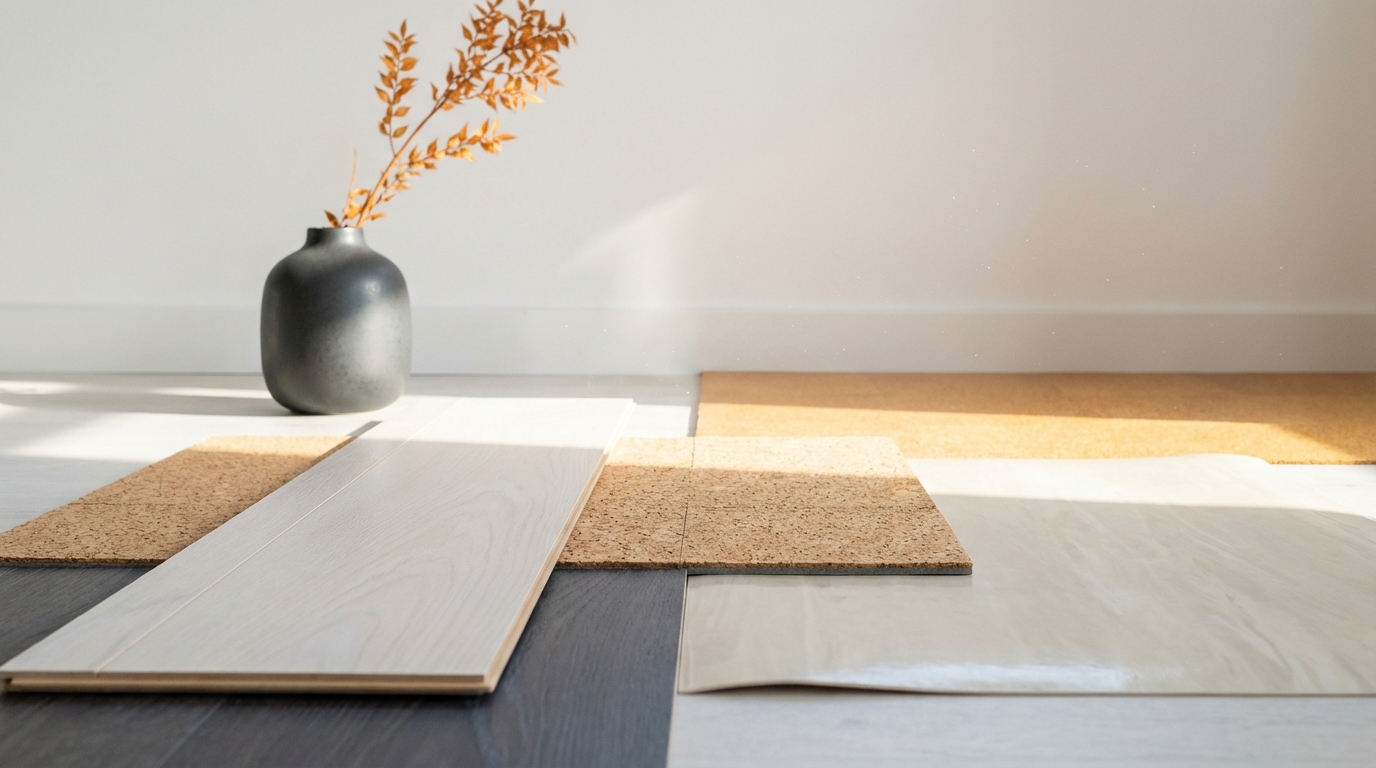
So, you are trying to figure out the best floors for allergy sufferers and how they affect indoor air quality. The best floors for allergies are usually hard, low‑VOC, easy‑to-clean surfaces like tile, sealed hardwood, some vinyls, and certain hypoallergenic carpets with low pile.
Allergy friendly flooring is less about one “perfect” material and more about how the floor traps, releases, and emits stuff into your air. You want floors that do not hold dust and pollen, that do not off‑gas a lot of chemicals, and that you can clean fast without a professional crew.
Here are the key things you need to know before you rip out anything or sign a contract:
- Hard, smooth floors are usually better for allergies than thick, fluffy carpet.
- Low VOC (volatile organic compound) materials and adhesives matter a lot for indoor air quality.
- Regular cleaning is just as important as the material you pick.
- Installation quality, underlay, and sealers can turn a good product into a bad one for allergies.
- Bathrooms, kitchens, and bedrooms may need different flooring choices.
- Budget floors can still be allergy friendly if you pick the right specifications.
How floors actually affect indoor air quality and allergies
If you or your kids wake up with stuffy noses, it is easy to blame the weather or the dog. Often, the floor under your feet is doing more damage than the dog.
There are three main ways flooring impacts allergies and indoor air quality:
- Trapping allergens: Dust, pet dander, pollen, mold spores, and dust mite droppings either sit on the surface or hide deep in fibers or gaps.
- Releasing chemicals: Floors and glues can off‑gas VOCs like formaldehyde, which can irritate lungs, eyes, and sinuses.
- Supporting mold or bacteria: Moisture plus the wrong material equals mold, which is bad news for most allergy sufferers.
> A 2018 study in the journal “Indoor Air” found that floor dust can hold far higher allergen levels than the air itself, and that vacuuming technique changed exposure levels by a factor of two to three.
In other words, yes, the floor is a big deal.
Key criteria for allergy friendly flooring
Before comparing wood vs tile vs vinyl vs carpet, lock in these criteria. When I work with clients on home upgrades, we usually build a simple checklist like this.
- Low VOC content: Look for “low VOC” or “no added formaldehyde” and certifications like GreenGuard Gold or FloorScore.
- Smooth or low‑pile surface: Less depth for dust to hide in.
- Resistant to moisture: Especially for kitchens, bathrooms, and basements.
- Easy to clean: Works well with HEPA vacuuming and damp mopping.
- Durable joints and seams: Fewer cracks where debris and mold can collect.
- Hypoallergenic underlay and adhesives: A good top layer with a bad glue still hurts air quality.
Here is a quick comparison table before we go deeper.
| Floor Type | Allergen Trapping | VOCs Risk | Moisture Risk | Cleaning Effort | Good for Allergies? |
|---|---|---|---|---|---|
| Ceramic / Porcelain Tile | Very low | Low (with good grout/sealer) | Low to medium (grout) | Medium | Excellent |
| Natural Stone | Very low | Very low | Medium (porous) | Medium to high | Excellent with sealing |
| Solid Hardwood | Low | Low to medium (finish/glue) | Medium (warping risk) | Low to medium | Very good |
| Engineered Wood | Low | Medium (check formaldehyde) | Medium | Low to medium | Good if low VOC |
| Luxury Vinyl Plank / Tile (LVP/LVT) | Low | Low to medium (varies by brand) | Low | Low | Good with certified low VOC |
| Laminates | Low | Medium to high (older/cheap products) | Medium | Low | Mixed, check certification |
| Cork | Low | Low | Medium (needs sealing) | Low | Good with proper finish |
| Bamboo | Low | Medium (formaldehyde in some) | Medium | Low to medium | Good if verified low VOC |
| Low‑pile Hypoallergenic Carpet | Medium | Low to medium (check backing) | Medium | High | OK if cleaned very well |
| High‑pile / Plush Carpet | High | Medium | Medium | High | Poor for allergies |
Ceramic and porcelain tile: the allergy gold standard
So, you are wondering if tile is the best floor for allergies. For many people, yes, tile performs best for indoor air quality.
Tile itself does not absorb dust, and it does not feed mold. Allergens stay on the surface where a damp microfiber mop can pick them up.
Key advantages:
- Nonporous surface on most glazed tiles.
- No fibers for dust mites or pet dander to hide in.
- Inert material, so no significant off‑gassing once installed.
- Works well with underfloor heating, which can help reduce damp spots.
The weak point with tile is not the tile. It is the grout and the cleaning products.
> In a lot of allergy cases I hear about, the family installed tile, but mold developed in the grout because cleaning was only topical. The owner thought, “It is tile, so it is safe,” and stopped checking corners and wet areas.
If you choose tile, pay attention to:
- Grout type: Epoxy grout resists moisture and staining better than cement grout, though it costs more.
- Sealing schedule: Cement grout needs sealer, often once a year in wet rooms.
- Non‑fragranced cleaners: Strong scented cleaners can trigger symptoms as much as dust.
Best rooms for tile:
- Bathrooms
- Kitchens
- Entryways and mudrooms
- Basements with moisture concerns
Natural stone: great if sealed and maintained
Natural stone like slate, granite, or marble is also very friendly for allergies, with one asterisk: porosity.
Stone is a hard, flat surface, so dust and pollen do not go deep. That is the good part. But some stones, especially limestone and some marbles, are porous and can absorb spills and moisture if they are not sealed.
That moisture can support mold at or just below the surface.
> Think of stone as a strong, stable platform that still needs a raincoat. The sealer is the raincoat. Without it, spilled juice, bathroom humidity, or small leaks can sit in tiny pores.
If you take this route, look for:
- Dense stones (like granite) for kitchens and high traffic areas.
- Penetrating sealers with low VOC certifications.
- Regular re‑sealing schedules, usually every 1 to 3 years based on wear.
For indoor air quality, stone is almost always a net positive if you are willing to maintain the sealer.
Hardwood floors and allergies
So, you are trying to figure out if hardwood floors are good for allergy sufferers. Solid hardwood, when finished and sealed well, is usually a strong choice.
Advantages:
- Smooth surface that does not hold dust deeply.
- Timeless look that works in most rooms and for resale.
- Can be refinished instead of replaced.
Potential issues for allergies:
- Cracks and gaps: Planks move slightly with humidity, which can open small gaps that hold dust.
- Finishes and stains: Some oil‑based finishes have higher VOCs, especially right after installation.
- Subfloor and adhesives: If the wood is glued down, the adhesive might be a VOC source.
> A common pattern: family installs beautiful hardwood, feels better for a month, then symptoms come back because the cleaning routine never changed. Dust still builds up, just in quieter corners and under furniture.
How to make hardwood more allergy friendly:
- Choose prefinished hardwood labeled low VOC, with third‑party certifications.
- Ask your installer about nailing instead of full‑spread gluing where possible.
- Use a HEPA vacuum with a soft floor head once or twice a week.
- Damp mop with water or a low‑odor cleaner; do not soak the floor.
Solid hardwood can work in:
- Living rooms
- Bedrooms (especially for allergy sufferers)
- Hallways and home offices
I would not put solid hardwood in full bathrooms or damp basements if allergies are a concern, because water damage and cupping can lead to hidden mold.
Engineered wood: similar look, different allergy tradeoffs
Engineered wood has a thin real wood layer over plywood or high density fiberboard (HDF). It often looks similar to solid hardwood but behaves differently inside your home.
Pros for allergies:
- Smooth, hard surface, so dust stays on top.
- Often more stable with humidity than solid wood, so fewer gaps.
- Can be floated, glued, or stapled, which gives you some flexibility.
Cons:
- The core can contain resins with formaldehyde or other VOCs.
- Cheaper engineered boards tend to use lower grade glues.
> A study of flooring products found that older engineered panels without low emission labels could off‑gas formaldehyde above some national limits for months, not just days.
If you like the look of wood but want better moisture behavior and a slightly lower price, engineered wood is a good middle ground if and only if you pick a product with:
- CARB Phase 2 or equivalent low formaldehyde standards.
- GreenGuard Gold, Blue Angel, or FloorScore certification.
- Low VOC adhesives for installation.
Luxury vinyl plank (LVP) and tile (LVT) for allergy sufferers
So, you might be asking if vinyl is safe for indoor air quality and allergies. Older vinyl had a bad name for phthalates and VOCs. Newer high quality LVP/LVT products have improved a lot.
From an allergen trapping standpoint, vinyl performs well:
- Smooth, flat surface, similar to hardwood or tile.
- Water resistant, so spills and mopping are easy.
- Very few seams when installed correctly.
The concern is more about chemical content:
- Plasticizers (like some phthalates) have raised health questions.
- Cheap vinyl floors can smell strongly for weeks or months.
> I see a pattern where homeowners get LVP because “everyone is doing it,” but skip reading the label. The product might be fine from a durability angle but rough from an air quality angle.
If you are considering LVP/LVT for an allergy prone home, focus on:
- Certifications: FloorScore, GreenGuard Gold, or similar.
- Phthalate free labeling: Many higher tier brands highlight this.
- Installation: Floating floors can reduce adhesive volume.
Best rooms for LVP/LVT:
- Basements
- Bathrooms (not showers)
- Kitchens with a lot of traffic
- Kid playrooms where spills are routine
Laminates: proceed carefully if allergies are severe
Laminate floors have a printed layer that looks like wood or stone, on top of HDF. From a cleaning standpoint, laminates are similar to vinyl:
- Smooth, hard surface.
- Dust and dander sit on top, not deep inside.
The air quality side is more mixed:
- Core boards often contain urea formaldehyde resins.
- Older or cheap products can off‑gas for a long time.
> When a client says “The house smells like a new office for months,” I usually ask about laminate or particleboard furniture. The pattern is pretty clear.
If budget pushes you toward laminate and you still want to protect an allergy sufferer:
- Find products certified to meet very low emission standards (CARB Phase 2, E1, or better).
- Leave boxes open in a ventilated area for days before installation if possible.
- Use a good underlay with low VOC labeling.
Given other choices like vinyl, cork, or engineered wood, many families with moderate to severe allergies decide to skip laminate unless there is a strong price reason.
Cork flooring: softer feel, decent for allergies
So, is cork flooring allergy friendly? In a lot of homes, yes, with the right finish.
Cork has some neat properties:
- It is naturally antimicrobial to a degree, which can help limit mold and bacteria growth on the surface.
- It gives a little underfoot, which is nice in kitchens where you stand longer.
- Noise reduction can be helpful in kids rooms or apartments.
From an allergen angle, cork is like a soft hard floor. Dust does not bury as deeply as in carpet but still needs regular cleaning.
Risks:
- Unsealed cork is porous and can absorb spills, which feeds mold.
- Some cork products use adhesives with VOCs in the backing.
> Think of cork as a wood alternative with extra comfort, but treat it like wood: seal it well, avoid standing water, and clean it regularly.
If you pick cork, look for:
- Factory finished planks with low VOC sealers.
- Floating click systems to reduce adhesive volume.
- Clear cleaning instructions from the manufacturer.
Bamboo flooring: similar to wood, with glue questions
Bamboo is grass pressed and glued into planks. It is hard, looks like wood, and often marketed as more sustainable.
From an allergy standpoint, it behaves a lot like hardwood:
- Hard, smooth surface that does not hold dust deeply.
- Easy vacuuming and damp mopping.
The concern again is the glue. Some bamboo manufacturing lines used higher levels of urea formaldehyde in the past.
When choosing bamboo for an allergy sensitive home:
- Ask the retailer for emission class documentation.
- Look for “no added urea formaldehyde” wording.
- Check third‑party certifications for VOC emissions.
If you cannot see any emission data for a bamboo product, treat that as a red flag.
Carpet and allergies: when, where, and how
So, you are wondering if you have to remove all carpet from your home to help with allergies. Not always. But thick plush carpet across the whole house is rarely friendly for asthma or dust mite allergies.
Carpet issues:
- Fibers hold dust, pollen, and pet dander.
- Dust mites live in carpets, feeding on skin flakes.
- Cleaning must be more frequent and more thorough.
In one study, vacuuming carpets twice a week with a standard vacuum removed only around half the dust mite allergen compared to using a HEPA vacuum and multi‑pass method.
> The biggest shock for many homeowners is that their “strong” vacuum does not help much if it is venting fine particles right back into the room.
If you keep carpet in an allergy prone household, aim for:
- Low pile or loop pile: Less depth to hide dust.
- Tightly woven backing: So debris does not sink all the way through.
- Solution dyed fibers: Can handle more frequent cleaning.
- Low VOC backing and adhesive: Look again for GreenGuard or similar labels.
Best places to avoid carpet if allergies are serious:
- Bedrooms of allergy sufferers
- Basements or any damp space
- Bathrooms and kitchens
- Entryways where outdoor allergens come in on shoes
If you must have something soft underfoot in those rooms, area rugs over hard floors, washed regularly, are usually a better balance.
Area rugs: how to use them without making allergies worse
Area rugs can give you the comfort of carpet with less permanent commitment. They can still cause allergy issues if you pick the wrong materials or skip cleaning.
For rugs in an allergy focused home:
- Pick low pile rugs that you can take outside and beat or wash.
- Use a rug pad that is labeled low VOC and mold resistant.
- Avoid shag or super thick piles in bedrooms of allergy sufferers.
> A trick I like: have two rugs for high use areas, and rotate them. While one is in use, the other one is getting a deep wash or airing out in the sun where UV can help break down some allergens.
Natural fibers like wool can work for some people, but if anyone in your home has a wool allergy or sensitivity, stick to synthetics with clear emission data.
Underlay, adhesives, and finishes: the hidden allergy triggers
You can pick a great top surface and still hurt indoor air quality if the layers underneath are ignored.
Key invisible layers:
- Underlay / padding: Foam, rubber, or felt under hard floors or carpets.
- Adhesives: Glues for wood, vinyl, carpet, and underlay.
- Finishes and sealers: Used for wood, cork, stone, and grout.
Common issues:
- Foam underlay that smells for months in small bedrooms.
- High solvent adhesives used in poorly ventilated spaces.
- Oil based finishes in winter when windows are closed.
> A simple rule: if it smells strong for more than a week, your body is telling you that VOCs are still high. Do not ignore that.
What to ask your installer:
- “Which products in this system are low VOC or no VOC?”
- “Can we nail instead of glue where practical?”
- “Can you share the safety data sheets for the adhesives and finishes?”
Most good installers will have low emission product lines. You just have to ask clearly.
Room by room: best flooring choices for allergy sufferers
Bedrooms
Bedrooms matter most for allergies because you spend 7 to 9 hours there breathing the same air.
Better choices:
- Solid hardwood or engineered wood with low VOC finishes.
- Cork with a sealed surface.
- Low VOC LVP or LVT.
Try to avoid:
- Wall to wall carpet, especially plush carpet.
- Any flooring that still smells strongly after installation.
If you already have carpet and cannot replace it right now:
- Use a HEPA vacuum 2 to 3 times per week.
- Run an air purifier with a HEPA filter while you sleep.
- Use a stiff brush attachment to loosen embedded dust before vacuuming.
Living rooms and family rooms
These are mixed use spaces. Comfort and noise control are more of a factor, especially with kids.
Good all‑around options:
- Hardwood or engineered wood plus washable area rugs.
- LVP/LVT with low VOC labeling and area rugs.
- Cork for extra comfort if spills are controlled.
Try not to cover the whole room in thick carpet if someone has asthma or dust allergies.
Kitchens
Kitchens are high spill areas and often connect to entries where outdoor allergens walk in.
Good choices:
- Tile with epoxy grout.
- LVP or LVT.
- Well sealed stone.
Hardwood can work, but it needs fast cleanup of spills and good humidity control.
Bathrooms
Moisture is the big enemy here.
Best choices:
- Ceramic or porcelain tile with sealed grout.
- Natural stone with regular sealing.
Avoid:
- Carpet of any kind.
- Wood without very careful sealing and maintenance.
Basements
Basements often mix moisture, mold risk, and cooler temperatures. All of that is rough for allergies.
Better options:
- Tile with moisture management.
- LVP or LVT on a proper vapor barrier.
- Sealed concrete with area rugs that can be washed.
Wall to wall carpet in a basement often becomes a mold factory if there is any small leak or condensation.
Real world examples: what works and what backfires
Example 1: Family with a child who has dust mite allergy
- Original floors: high pile carpet in bedrooms and living room, sheet vinyl in kitchen, old linoleum in hallways.
- Symptoms: morning congestion, night cough, frequent wheezing.
Upgrade path:
- Replaced bedroom carpet with sealed hardwood.
- Used low VOC finish and kept windows open for a week.
- Added a small, low pile washable rug next to the bed.
- Bought a HEPA vacuum and set a weekly schedule.
Result after three months:
- Fewer night symptoms.
- Lower dust mite allergen levels in bedroom dust samples according to their allergist.
Example 2: Condo with new laminate
- Owner installed low cost laminate across the unit.
- Glue and boards off‑gassed strongly for weeks.
- Owner had headaches and irritated eyes.
Fix steps:
- Improved ventilation with window fans and a portable air purifier.
- Contacted manufacturer and confirmed emission class (older stock, not low emission).
- Ended up replacing laminate in bedroom with engineered wood that had clear low VOC documentation.
> The lesson from cases like this: do not treat all “wood look” floors as equal. The chemistry under the pattern matters.
How to evaluate flooring products for indoor air quality
When you are standing in a flooring store or scrolling through an online catalog, you want a quick way to filter products.
Here is a simple checklist:
- Look for labels: GreenGuard Gold, FloorScore, Blue Angel, or similar.
- Check technical data sheets: Many brands publish VOC data on their sites.
- Ask direct questions: “Does this product have added urea formaldehyde?”
- Smell the sample: If it smells sharp or chemical in a few minutes, be cautious.
If you are buying online:
- Read not just star ratings but comments mentioning smell or headaches.
- Order one box first and leave it open in a spare room to test for odor before committing.
Cleaning routines that make your flooring choice actually work
You can have the best allergy friendly floor in the world and still struggle if cleaning is random.
Baseline routine for hard floors:
- Vacuum with a HEPA filter once or twice per week. Yes, vacuum hard floors too. It picks up more fine dust than dry sweeping.
- Damp mop using microfiber once a week in bedrooms, more often in kitchens.
- Wipe baseboards and corners monthly, where dust collects.
For carpet or area rugs:
- HEPA vacuum 2 to 3 times per week in high use rooms.
- Deep clean or steam clean at least once or twice a year, using low fragrance products.
- If anyone has serious allergies, talk with your allergist about dust mite treatment sprays or specific wash routines.
> One small shift that helps: move from “I will clean when it looks dirty” to “I will clean on a fixed schedule.” Allergens build up before you can see them.
Tech tools that help you manage indoor air quality with any floor
Since this is a tech blog, let us pull in some simple tools that fit into a modern smart home.
Indoor air quality monitors
Small consumer IAQ monitors can track:
- PM2.5 (fine particles)
- VOC levels
- Humidity and temperature
They are not lab grade, but they are good for trends. For example:
- You install new flooring and see VOC levels spike for a few days, then drop.
- Humidity in the basement stays above 60 percent, pointing to a mold risk with carpet.
> You do not need features like smartphone graphs to make progress, but they help you see which rooms have more persistent issues.
Smart dehumidifiers and fans
For basements and bathrooms, smart dehumidifiers and fans that kick on based on humidity can help reduce mold risk on and around your floors.
Smart vacuums and scheduling
Robotic vacuums with HEPA filters are not perfect, but they can:
- Handle daily dust pickup on hard floors.
- Reduce total visible dust and pet hair.
You still need periodic deep cleaning, but they offload a chunk of day to day work.
How to phase flooring changes if you cannot do everything at once
Most people cannot replace all flooring in a single project. That is fine. Start where the impact is highest.
Suggested order:
- Bedroom of the person with the strongest symptoms.
- Basement or any space with known moisture issues and carpet.
- Living room and family room with high use carpets.
- Remaining bedrooms and hallways.
When you replace floors:
- Plan projects for seasons when you can open windows.
- Stay away or close off rooms during installation and for a day or two after.
- Run an air purifier in the space at higher fan speeds for that first week.
Common myths about flooring and allergies
“Carpet always makes allergies worse”
Not always. In some dry climates with good cleaning routines, low pile carpet with HEPA vacuuming and regular washing can work for mild allergies.
The bigger pattern is that thick carpets in bedrooms, plus low cleaning frequency, plus high humidity, add up over time.
“Hard floors do not need vacuuming”
They do. Dust and pet dander still land there. Sweeping just kicks particles into the air. A HEPA vacuum is better for your lungs.
“New flooring smell means quality”
That “new” smell is often VOCs, not quality. Less smell, in many modern products, is usually better for indoor air quality.
A simple decision guide for allergy friendly floors
If you want a minimal stress way to decide, use this path:
- If moisture is high or the room is a bathroom or basement:
- Pick tile with good grout or low VOC LVP/LVT.
- If it is a bedroom of an allergy sufferer:
- Pick hardwood, engineered wood, cork, or LVP with verifiable low VOCs.
- If budget is tight:
- Look at good quality LVP with emission certifications before cheap laminate.
- If you want some softness:
- Use washable area rugs on top of hard floors, not permanent thick carpet.
One last practical tip: before ordering thousands of dollars of flooring, ask for 3 to 5 full planks or tiles, bring them home, leave them in a closed room for 48 hours, and then walk in and take a slow breath. Combine that simple “smell test” with the certification labels and you will make a much better choice for your indoor air and your allergies.