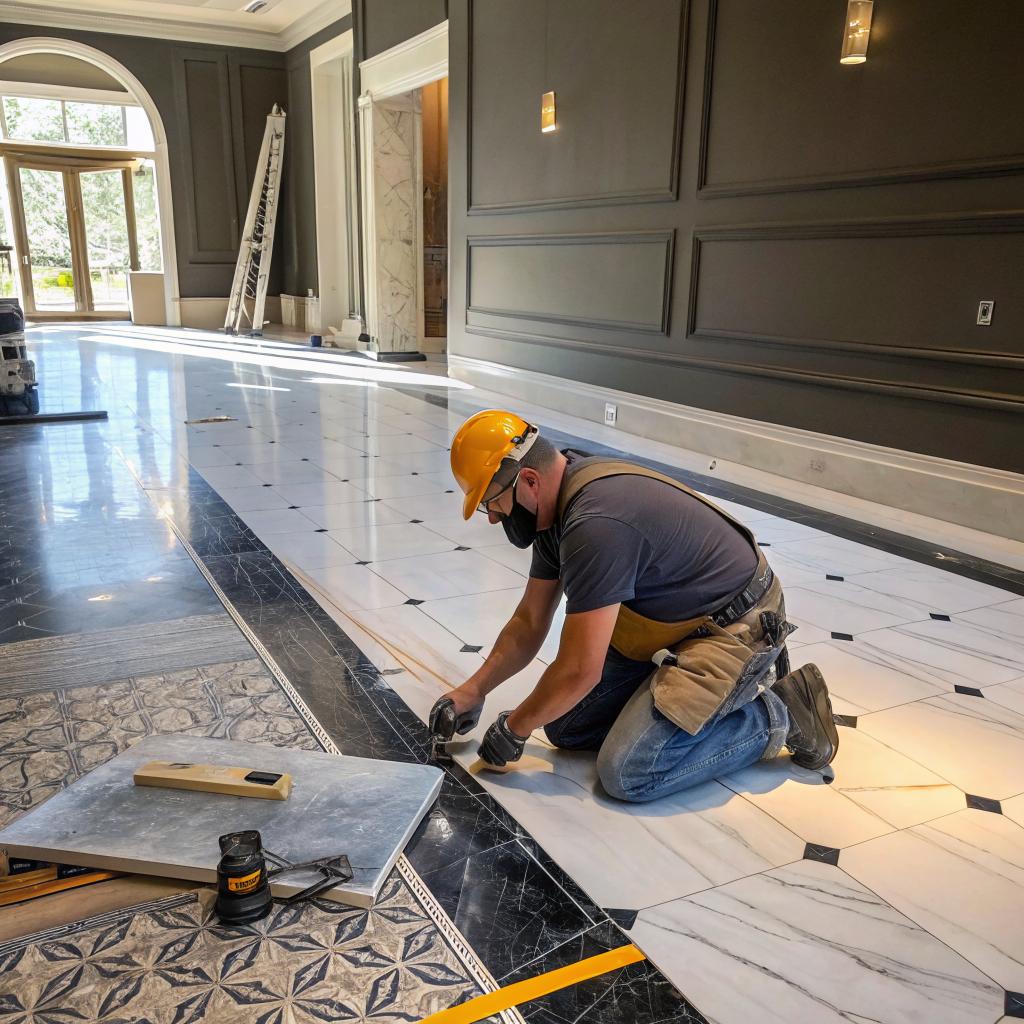
So, you are trying to find general contractors in Nashville TN for stunning floors, and you want to know what actually matters, not just slogans. The direct answer is that you should look for a licensed general contractor with real flooring experience, clear communication, and a track record you can check, then match their strengths with the type of floor you want. That is the simple version.
Most people start by searching for names and prices, but floors are one of those things that are easy to get wrong and annoying to live with when they are wrong. You walk on them every day. They affect sound, comfort, and how every other part of your renovation feels. A good general contractor in Nashville does more than install pretty floors. They plan for your subfloor, moisture, traffic, pets, kids, and even how sunlight hits each room. That is where the difference shows six months later, not just on day one.
- Know what kind of floor you really need, not just what looks nice in photos
- Check licensing, insurance, and references before you even talk price
- Ask how the contractor handles subfloors, moisture, and transitions between rooms
- Match the contractor to the material: hardwood, LVP, tile, concrete, or a mix
- Make sure the quote includes prep work, trim, and cleanup, not just material and labor
- Write everything down: products, colors, layout, schedule, and payment terms
- Think about the rest of the renovation so flooring does not get damaged or delayed
If you want a quick example of how general contracting and floors connect, some people who look for General Contractors in Nashville TN actually need someone who can coordinate several trades around flooring: demo, leveling, tile, carpentry, and painting. Not just one installer.
Why a general contractor matters for flooring projects
You might wonder why you should hire a general contractor instead of going straight to a flooring installer. Sometimes a direct flooring crew is fine. But when your floors touch other work like walls, plumbing, or structural changes, a general contractor keeps all those moving parts from clashing.
Think about a small kitchen remodel. New cabinets, maybe moving a wall a few inches, new plumbing lines, fresh paint, and then new floors. If every piece is done by a different company without a central plan, the floor installer can show up to uneven subfloors, missing baseboards, and last minute layout changes. That usually leads to gaps, strange transitions, or more cost.
Good floors come from planning the whole room, not just picking a pretty plank or tile.
A general contractor in Nashville who knows flooring will:
- Look at your entire layout, not just the floor area
- Schedule demo, leveling, and framing before flooring day
- Coordinate electricians and plumbers so they are not cutting into finished floors later
- Plan the sequence so floors are protected from overspray and heavy tools
I have seen projects where the floors went in too early. They looked perfect for a week. Then the painter dropped a sprayer, the plumber dragged a heavy tool across the living room, and the homeowner had brand new boards with deep scratches. The problem was not just bad luck. It was poor planning.
Types of floors Nashville homeowners ask for
Nashville has a mix of older cottages, new builds, and remodels in every style. That means you are not limited to one type of floor. Still, the climate and lifestyle here push some choices to the top.
| Floor type | Best for | Main pros | Main cons |
|---|---|---|---|
| Solid hardwood | Living rooms, bedrooms, dining areas | Can be refinished, classic look, long life | Does not love moisture, needs stable humidity |
| Engineered hardwood | Areas with some moisture, upper floors | More stable than solid wood, still looks real | Limited refinishing, quality varies a lot |
| Luxury vinyl plank (LVP) | Kitchens, basements, rentals, busy homes | Water resistant, forgiving, lower cost | Can look flat if you pick cheap lines |
| Tile (porcelain or ceramic) | Baths, showers, entries, laundry rooms | Durable, water resistant, many styles | Cold, hard, needs good prep to prevent cracks |
| Concrete (polished or stained) | Basements, modern spaces, some main floors | Long life, unique look, low daily care | Hard, can be slippery, needs skilled installer |
You do not have to pick just one. Many Nashville homes mix surfaces. For example, hardwood in bedrooms and living areas, LVP in a basement, tile in baths, and maybe a stained concrete workshop floor.
The best floor choice is the one that fits your actual life, not the one that looks perfect in a staged photo.
Questions to ask yourself before you call anyone
Before you start phoning contractors, it helps to be honest about how you live in the house. A few simple questions narrow things down fast.
- Do you have kids, pets, or both?
- Do you take shoes off at the door or walk through with boots a lot?
- Is your home on a crawlspace, slab, or basement?
- Are you planning to stay more than five years?
- Do you care more about low maintenance or the exact look?
- Do you cook often, or is the kitchen more for show?
For example, if you have a big dog and a toddler, delicate softwood floors and glossy tiles can turn into a daily stress. A contractor who asks about your lifestyle is already thinking one step ahead. If they only ask what color you like, that is a small red flag.
How general contractors handle subfloors and structure
Floors look simple on top. Underneath, they depend on what is below. This is one area where a general contractor who understands structure can save you a lot of trouble.
Nashville has plenty of homes with crawlspaces and older framing. Some common issues:
- Soft or bouncy spots in old subfloors
- Uneven areas where walls were moved earlier
- Moisture in crawlspaces affecting hardwood stability
- Varying heights between old and new additions
A flooring-only crew might cover that with underlayment and move on. A general contractor can actually fix the problem: reinforce joists, replace damaged subfloor sections, add proper vapor barriers, or adjust framing before floors go in.
Stunning floors on a weak subfloor are like a fresh coat of paint on a cracked wall. It looks fine for a moment, then the reality shows through.
Leveling and transitions
One part that homeowners often underestimate is leveling and transitions between rooms. Older homes rarely have perfectly flat floors. Sometimes that slope is minor and harmless. Other times it causes:
- Gaps between boards
- Clicking or movement under floating floors
- Tile that cracks along high or low spots
- Trip hazards at doorways
A capable contractor will use self-leveling compound, shimming, or even limited framing corrections where needed. Then they plan where each transition strip goes and what it will look like. Not as an afterthought, but as part of the design. That is part of the reason two similar projects can feel very different when you walk through them.
Planning your flooring project with a general contractor
I think the projects that go smoother share one trait: the homeowner and contractor write everything out before the first board or tile is removed. Nothing fancy, just clear.
Key topics to agree on in writing
- Flooring materials and brands, including color and finish
- Direction of planks or tile layout pattern
- How they will handle baseboards and door casings
- What happens with existing flooring removal and disposal
- Prep work: leveling, subfloor repair, moisture barriers
- Work hours, project length, and room access
- How they will protect other areas of the house
- Payment schedule tied to milestones, not vague dates
This might feel picky, but it prevents misunderstandings. For example, some contractors reuse your baseboards. Others remove and replace them with new ones. If this is not spelled out, the final look can surprise you, and not in a good way.
Scheduling around the rest of your renovation
Flooring is usually not the first or last step. In many Nashville projects, a simple sequence like this works well:
- Demo, framing, and rough plumbing/electrical
- Subfloor repair and leveling
- Drywall work and priming
- Flooring installation
- Trim and baseboards
- Final painting and touch ups
Some people push floors to the very end. That can be fine, but the risk is that painters and trim carpenters are working over brand new surfaces. Others install floors too early, then cover them with paper for months, and still end up with damage. A good general contractor will tell you where flooring should land in your project schedule, room by room, not just guess.
Comparing general contractors for flooring projects
When you start talking to contractors in Nashville, everyone will say they do quality work. You need a way to sort through the noise. The table below can help you compare in a simple way.
| Factor | What to look for | Why it matters for floors |
|---|---|---|
| License & insurance | State license, liability, and workers comp | Protects you if someone is hurt or something is damaged |
| Flooring experience | Photos and references for flooring heavy projects | Shows they can handle layout, transitions, and finishes |
| Subcontractors | Clear who does demo, installation, finishing, and cleanup | Helps avoid finger pointing between crews |
| Moisture and subfloor approach | They test, not just look, especially over concrete or crawlspaces | Prevents cupping, warping, and tile cracks later |
| Written scope | Detailed scope with materials and prep described | Reduces change orders and frustration |
| Communication | Responds clearly, explains options, gives realistic timelines | Makes the project less stressful when surprises show up |
Questions to ask contractors during estimates
Here are some simple questions that reveal a lot about how a contractor thinks.
- What is your process for checking and fixing subfloors before you install anything?
- How do you handle moisture in basements or over crawlspaces?
- Who actually installs the floors: your own crew or a separate company?
- How will you protect my home from dust and debris during the work?
- Can I see recent floor projects you completed in the area?
- What does your warranty cover, and for how long?
Pay attention not only to the words but to how they answer. If someone gets annoyed by these questions, that is already feedback. You are not being picky. Floors are a big investment, and you have to live with the result daily.
Choosing materials with a contractor, not just a showroom
Showrooms are good for seeing colors and textures. The risk is that they can make every option look perfect. A general contractor adds the reality side. They know what holds up in real homes nearby.
Hardwood choices for Nashville homes
Hardwood remains a favorite in this area. Still, not all hardwood is the same.
- Species: Oak is common because it is stable and takes stain well. Maple has a cleaner look but shows scratches more. Pine is softer and dents quickly.
- Width: Wide planks look modern and open, but movement from humidity is more visible. Narrow planks hide small shifts better.
- Finish: Matte and satin finishes hide wear better than high gloss. Oil based finishes amber over time, which some people like and others do not.
In many Nashville homes with mixed humidity and older HVAC, a contractor will lean toward engineered hardwood or well installed solid oak with good climate control. The key is not picking something that looks perfect on day one and then cups at the first damp summer.
LVP, tile, and concrete in active homes
If you expect heavy use, lots of visitors, or rental activity, you might lean away from delicate surfaces.
- LVP is often used in basements, rentals, and busy kitchens because it tolerates moisture and impact.
- Tile works well in baths and showers but needs a flat, strong base. The grout choice also affects cleaning and staining over time.
- Concrete floors, whether polished or stained, can suit modern spaces or basements. They need good prep and sealing or they can look patchy and show hairline cracks.
A contractor who has seen dozens of installs will have opinions here. They might tell you that a certain LVP line is prone to joint separation, or that a certain tile needs very tight tolerances. Listen for real stories, not just marketing lines.
Cost, budgets, and where contractors see people regret cutting corners
Money always enters the picture, and it should. Floors touch a lot of square footage. Prices change over time, so I will not throw exact numbers here, but the pattern is usually the same.
What tends to drive flooring costs
- Material quality and brand
- Complex patterns such as herringbone or borders
- Subfloor work and leveling
- Stairs, landings, and tricky transitions
- Old floor removal and disposal
- Custom staining or on site finishing
People sometimes try to save a bit by skipping subfloor work, going with the cheapest underlayment, or picking flooring that is not suited for moisture. General contractors often see those projects again a few years later, when repairs cost more than doing it right the first time.
If your budget is tight, it is usually smarter to pick a slightly less expensive material and keep the proper prep than to pick a premium product on a bad base.
Talking budget honestly with a contractor
You do not have to tell a contractor every detail about your finances, but giving a firm range helps them design something that fits. For example, if you say you are willing to phase the work, they can start with main living areas and leave bedrooms for later. If you say this is a flip and you plan to sell soon, they might suggest different products than if this is your forever home.
Sometimes homeowners feel like saying a higher number will magically raise the quote. A good contractor is not playing that game. They will show you options, and you will still pick what makes sense. If every quote you get blows past your limit, you may need to adjust scope, not just keep hunting for a miracle price.
Protecting your new floors after the contractor leaves
A good general contractor will leave you with clean, finished floors. What happens in the first year has a lot to do with you.
Simple care tips that matter more than fancy products
- Use proper felt pads under chairs and tables
- Place mats at entries, especially from garages and patios
- Keep pet nails trimmed if you have hardwood or softer surfaces
- Use cleaners recommended for your floor type, not general purpose chemicals
- Control humidity where possible with HVAC and dehumidifiers
During the rest of your renovation, ask how to protect floors when other trades come through. Many contractors will give you extra paper or recommend a specific floor protection product for that phase. Leaving floors completely uncovered while other work goes on is asking for trouble.
When you might not need a general contractor
It is fair to say that you do not always need a full general contractor. If your project is something like replacing carpet with LVP in a single room, with no structural changes and no tricky subfloor issues, a dedicated flooring company may be enough.
Where a general contractor really adds value is when:
- Multiple rooms are being renovated at once
- Walls are moving or layouts are changing
- You have structural or moisture concerns
- You need permits or inspections
- Several trades need to work in sequence
There is a gray area here. Some flooring companies handle light carpentry and minor fixes. Some general contractors bring in specialist flooring installers. The key is not the label but the actual scope and coordination. So if a contractor waves away moisture or structural questions, you might want to keep looking.
Common mistakes Nashville homeowners make with flooring projects
After seeing a lot of renovation stories, certain patterns repeat. If you avoid these, your odds of being happy go up a lot.
Picking floors just for looks
We touched on this earlier, but it comes up so often that it is worth repeating briefly. A floor that photographs well is not always a floor that feels good, stays clean, or fits your climate. Glossy dark floors, for example, can show every speck of dust and scratch, especially in bright Nashville sunlight. Some people love that sharp look, others find it exhausting.
Skipping proper moisture checks
This is a big one over basements and crawlspaces. If a contractor is ready to lay hardwood over concrete or a damp crawlspace without talking about moisture barriers, dehumidification, or vapor tests, that is a concern. Warped boards, cupped planks, and moldy smells are hard to fight once they start.
Not budgeting time for the project
People often think about money and forget time. Large flooring jobs can disrupt your daily life. You may not have access to certain rooms for a few days. Glue down products and some finishes need cure time. A general contractor can plan phases so you still have some livable space, but you must be ready for some inconvenience. If you need everything done between two guests staying over, say that up front and accept that it might limit what is possible.
Quick Q&A to wrap things up
How long does a typical whole house flooring project take with a general contractor in Nashville?
For an average size home, full flooring replacement across most rooms often runs from several days to a couple of weeks, depending on material and prep. Hardwood that needs on site finishing and heavy subfloor repair will be on the longer end. A contractor should give you a schedule broken down by areas, not just one vague timeline.
Is it worth paying more for a contractor who does detailed prep work?
In most cases, yes. Prep work is what prevents squeaks, gaps, and movement. People almost never complain that their floors are too solid or too quiet. They complain when things creak and separate. Paying for good prep is usually cheaper than tearing up sections later.
Should flooring go under kitchen cabinets or stop at the bases?
This is a bit debated. Many contractors in Nashville prefer to set cabinets first and run flooring up to them, especially on floating floors, so that future cabinet changes do not force a huge floor repair. Others run hardwood under cabinets for a cleaner look and slightly better resale flexibility. Ask your contractor to explain their approach and the pros and cons for your specific kitchen.
Can I stay in my home during a big flooring job?
Often yes, but you may need to shift living areas and accept some noise and dust. Some people move out for a few days during the messiest part. A general contractor can help you plan the sequence so bedrooms or a key living area stay usable as long as possible.
What is the one thing I should not compromise on?
If you have to pick just one, do not compromise on proper subfloor and moisture work. Color trends change, finishes can be refreshed, and furniture can shift your style. But if the foundation under your floors is wrong, nothing else will feel quite right.
If you keep that in mind when you talk to general contractors in Nashville, you will be much closer to floors that look good and still feel solid years from now.