
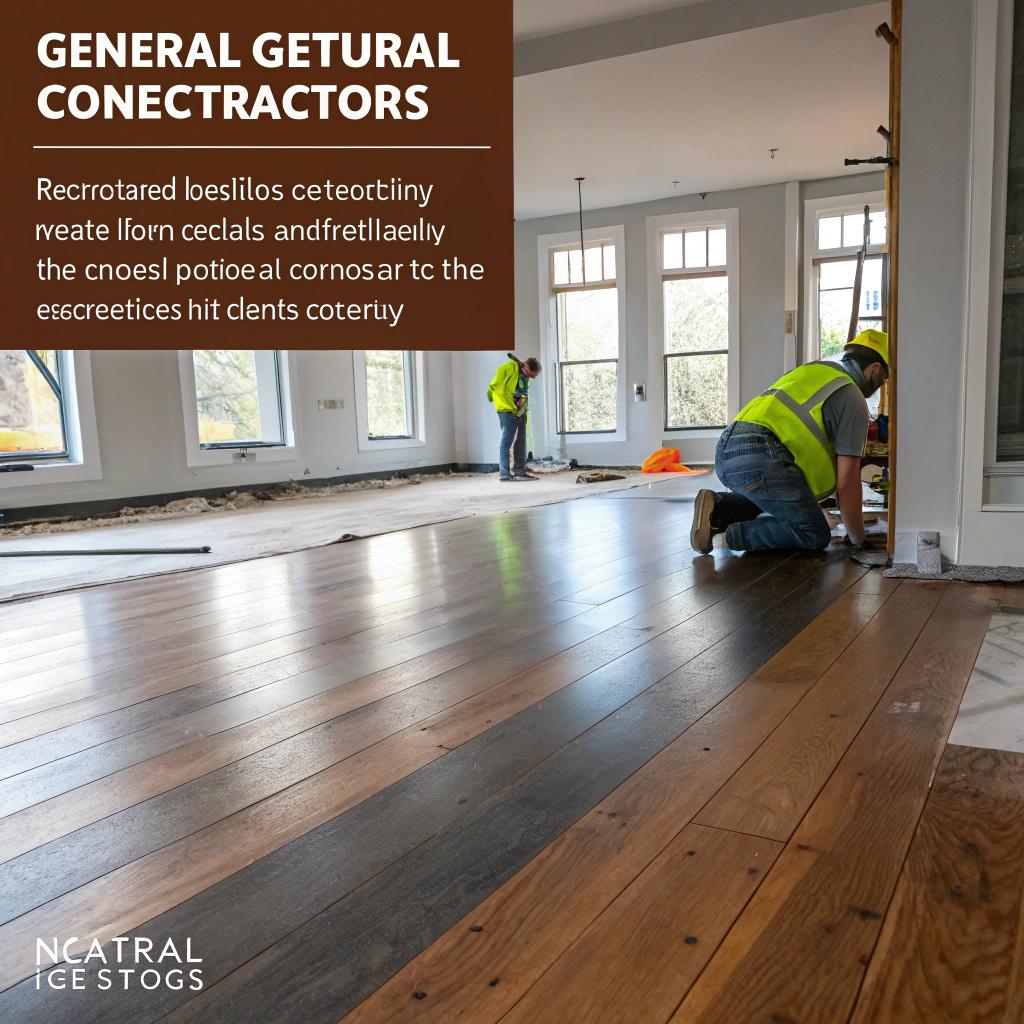
So, you are trying to figure out how general contractors in Boston approach floors and renovations in real homes, not just in pretty photos.
The short answer is that the best ones start with the structure, then the layout, then the floors, and only then the finishes, while staying realistic about Boston quirks like old framing, uneven subfloors, and tight city codes.
If that sounds a bit dry, it is, but it is also how you avoid wavy floors, doors that do not shut right, and surprise costs halfway through your renovation. Boston homes are older on average, many have been renovated multiple times already, and they hide a lot of unknowns. So a good renovation here is less about picking the trendiest floor and more about planning, sequencing, and asking the right questions before anyone swings a hammer.
- Boston homes often need structural checks before new flooring.
- Subfloor prep matters more than the flooring brand you pick.
- Moisture, temperature swings, and building codes shape your options.
- Good contractors walk you through real tradeoffs, not just design boards.
- Layouts, lighting, and traffic patterns should drive flooring choices.
- Permits, inspections, and condo rules can affect your schedule and budget.
- Small early decisions, like floor thickness, can ripple through the whole project.
If you want an example, many people here start their search with local general contractors Boston because they need someone who knows how a Back Bay brownstone or a Dorchester triple decker behaves under real use, not just in a design mockup.
How contractors actually think about a Boston renovation
Most homeowners start with finishes:
– “Which hardwood looks nicer?”
– “Should we get heated floors in the bathroom?”
– “Can we keep the old pine floors?”
Contractors often start somewhere else:
– “Is the structure sound?”
– “Is the subfloor flat enough?”
– “Will this pass inspection?”
– “Where will the moisture come from?”
I know that sounds a bit boring. But when I talk to people who regret a renovation, it is almost never because they picked the wrong shade of oak. It is usually because:
– Floors squeak a month later
– Doors scrape the floor after a minor season change
– Tiles crack because the base was not stiff
– They discovered rotten framing after demo and the budget exploded
So if you are planning a renovation in Boston, it helps to think the way a contractor thinks, at least a little.
Good renovation work in Boston starts where you can not see: structure, framing, and subfloors. Nice floors come after that, not before.
Planning a renovation around your floors, not on top of them
Most people treat the floor as a separate choice. Pick cabinets, pick paint, pick floor. Contractors tend to see the floor as part of a full system.
Here is how a typical thought process might look for a Boston project.
1. What kind of home are we dealing with?
A floor in a 140-year-old brownstone is not the same as a floor in a 1990s condo in the Seaport. The structure under your feet shapes everything.
Common Boston situations:
- Old row houses with sagging joists and patchwork repairs from past owners
- Triple deckers with uneven floors and noise concerns between units
- Condos with concrete slabs and strict condo rules about sound and materials
- Basements that are half-finished and have moisture coming through the slab
A contractor will often:
– Look for slope with a level or even with a marble rolling on the floor
– Check for bounce when you walk across the room
– Ask about noise complaints between floors
– Ask if you want radiant heating now or in the future
These questions feel a bit technical, but they protect your investment. For example, that beautiful wide plank wood you like might not handle big dips or high moisture well.
If your home is older and the floors are already uneven, expect time and money to go into fixing that before new flooring goes in. Skipping that step is where trouble starts.
2. How will you actually use the space?
Many people underestimate how hard they are on floors.
A good contractor will ask:
- Do you have kids or pets?
- Do you cook a lot at home or order in most nights?
- Do you wear shoes in the house?
- Is there a direct entry from outside into this room?
- Are you planning to age in place here?
Those simple questions can change the flooring choice:
– Heavy cooking and constant spills can make some wood finishes age faster
– Dogs with long nails can scratch softer woods
– A direct exterior entry near winter slush can be tough on real wood
– Someone with mobility issues might need smoother transitions and fewer thresholds
This is where you might feel a small conflict. You like one look, but your life points to another material. A good contractor will not force you, but they should at least tell you the tradeoffs plainly.
3. How does flooring thickness affect the rest of the renovation?
This is an area many people forget about. Floors have thickness. That thickness affects:
– Door clearances
– Stair riser heights
– Transitions between rooms
– Cabinet installation height
– Appliance fit under counters
Here is a simple table that shows why this matters.
| Floor type | Typical thickness | What contractors think about |
|---|---|---|
| Solid hardwood | 3/4 inch | Door trimming, stair adjustments, transition strips |
| Engineered wood | 3/8 to 1/2 inch | Underlayment choice, height vs existing rooms |
| Luxury vinyl plank | 4 to 8 mm | May need extra underlayment to match other floor heights |
| Tile on cement board | 1/2 inch board + tile | Door, toilet flange, and threshold planning |
| Tile on slab | Tile thickness only | Slab flatness, crack isolation |
In Boston renovations, where you might be mixing old and new spaces, ignoring this can create trip hazards and awkward transitions that feel cheap, even if the materials are high quality.
Common Boston flooring choices and when they work
Now we can talk about actual flooring types. This is usually the fun part, but you still want to keep the practical side in mind.
Solid hardwood
Solid hardwood is very common in older Boston homes. Often it is already there, under carpet or under another layer.
Pros:
– Can often be refinished multiple times
– Looks right in period homes
– Adds a feeling of warmth and value
– Long life if cared for
Cons:
– Sensitive to moisture and humidity swings
– Can expand and contract in older, drafty homes
– Can be noisy in multi family buildings
– Higher cost than vinyl or laminate
Best uses:
– Living rooms and dining rooms in older homes
– Bedrooms where you want a warm feel
– Upper floors where moisture is low
Problem spots:
– Below grade basements
– Bathrooms with daily shower steam
– Direct entry mudrooms without protection
Sometimes the best move in a Boston renovation is to keep the old hardwood, repair gaps, and refinish, instead of ripping everything out.
Engineered wood
Engineered flooring has a real wood top over a stable core. It can handle movement better than solid wood.
Pros:
– Better stability in changing humidity
– Works well over some concrete slabs
– Many modern styles and widths
– Often easier to install
Cons:
– Limited refinishing, depending on wear layer
– Quality can vary by brand
– Still sensitive to standing water
Best uses:
– Condos with concrete structure
– First floors close to grade where moisture is moderate, not extreme
– Projects where you want the wood look but need more stability
In Boston, contractors might pick engineered wood in newer buildings and reserve solid hardwood for those older framing systems they can correct or reinforce.
Luxury vinyl plank and tile (LVP/LVT)
This has exploded in use. Some contractors love it, some tolerate it. Homeowners often like it because it is tough and easier on the budget.
Pros:
– Handles spills and moisture reasonably well
– Less prone to scratching from pets
– Softer underfoot than tile
– Lower material cost in many cases
Cons:
– Can feel less solid than real wood
– Quality differences are huge across brands
– Poor install can look cheap, even with good material
– Not great on very uneven floors without prep
Best uses:
– Basements that are finished but still a bit damp
– Rental units where durability matters more than premium feel
– Kids playrooms
– High traffic entry areas paired with a mat system
One caution: if you are renovating a historic Boston space and care about long term value, you might feel better with real wood in the main living areas and reserve vinyl for secondary spaces.
Tile
Tile is still the standard for many bathrooms and some kitchens.
Pros:
– Very resistant to water
– With the right pattern, can feel timeless
– Works with radiant heat
Cons:
– Cold underfoot without radiant
– Hard on dropped items and joints
– Needs a very stiff, flat base
– Bad install cracks and telegraphs movement
Best uses:
– Bathrooms
– Laundry areas
– Entry vestibules with heavy winter use
– Some kitchens, if you are ok with harder floors
In Boston, older joist systems sometimes need reinforcing to handle tile without future cracking. This is where an experienced contractor quietly saves you from long term headaches.
How contractors sequence flooring in a renovation
Timing matters. The floor is not just “installed at some point.” There is a rhythm to it.
Here is a common sequence in a kitchen or full floor renovation:
- Structural changes and framing
- Rough plumbing, electrical, HVAC
- Insulation and drywall
- Subfloor fixes and leveling
- Flooring installation (sometimes before cabinets, sometimes after)
- Cabinets and built ins
- Trim, baseboards, and doors
- Final painting and touchups
There is debate about whether floors go under or up to cabinets. Contractors in Boston often decide based on:
– Type of flooring
– Height constraints for appliances
– Future flexibility for replacing floors
As a rough guide:
– Hardwood often goes in before cabinets, so you have a continuous surface and easier layout.
– Tile may go either way, but many prefer it under cabinets for a cleaner look.
– Floating floors, like some vinyl and engineered products, might stop at cabinet bases to avoid trapping them.
Ask your contractor early: “At what stage will the floors go in, and will they run under the cabinets and walls or stop at them?” This one question can save you from surprises.
Budgeting for floors in a Boston renovation
Many people try to pick flooring based only on square foot price. That can be misleading. Labor, prep, and unexpected fixes often cost more than the actual material.
Key cost drivers:
- Leveling or replacing subfloors
- Removing old flooring layers (sometimes there are 3 or 4)
- Asbestos or lead related safety work in older homes
- Staircase refinishing and railing changes
- Baseboard and trim changes to match new heights
Think of flooring cost in three parts:
| Part | What it includes | Why it matters |
|---|---|---|
| Material | Boards, tiles, underlayment, adhesive, finishes | Visible quality and durability |
| Prep | Demo, leveling, moisture barriers, subfloor repair | Longevity, squeak resistance, flatness |
| Labor | Actual installation, cutting, fitting, sanding, staining | Fit and feel of the final product |
If you need to trim budget, most contractors would rather you pick a slightly less expensive material and keep proper prep and good labor, instead of buying a premium material and skimping where nobody “sees” it. Floors that look great but move, squeak, or gap will bother you every day.
Renovating kitchens and baths around flooring choices
Floors do not live alone. They interact with cabinets, appliances, tubs, and walls. That is even more true in small Boston kitchens and bathrooms.
Kitchen flooring choices in tight spaces
In many Boston kitchens, space is tight and walls are not square. That affects flooring choice.
Things contractors think about in kitchens:
- Water near sinks and dishwashers
- Heavy appliances rolling during install
- Cabinet layout and floor direction lines
- Transitions to hallways or dining rooms
Common kitchen flooring decisions:
– Using wood in open concept layouts where the kitchen flows into living areas
– Using tile or LVP in small, separate kitchens to better handle spills
– Laying planks in the direction that makes the room feel longer or straighter
In older homes, a contractor might suggest using flooring to visually correct a crooked wall. That is a small design trick that you may not notice at first, but it makes the room feel calmer.
Bathroom flooring in older buildings
Bathrooms in Boston can be tricky. You might be working with:
– Small footprints
– Old, patched subfloors
– Radiators or weird plumbing runs
– Low ceiling heights on top floors
Most contractors still pick tile for the main floor, with slip resistant options near showers. For small baths, floor layout matters a lot. A few extra cuts around a toilet or tub can either look clean or messy.
Also, if you plan to stay long term, ask about heated floors. The cost upfront is not trivial, but many homeowners say they wish they had added it, especially on cold winter mornings.
Moisture, seasons, and Boston weather
Boston has humid summers, dry winters inside heated homes, and some pretty wild swings in between. Floors feel that.
Contractors think about:
– Expansion gaps around wood and laminate flooring
– Moisture barriers over slabs and in basements
– Ventilation in small bathrooms
– Snow, salt, and water tracked in from outside
If you have ever seen gaps appear between wood planks in winter and close again in summer, that is normal movement. The goal is to control it, not eliminate it completely.
A few simple practices:
- Acclimate wood flooring on site before installation
- Keep indoor humidity within a reasonable range
- Protect direct exterior entries with mats and sometimes a harder flooring zone
- Use proper underlayments that match both the product and the building conditions
In basements, many contractors prefer products that tolerate moisture better, like vinyl or tile, instead of traditional solid hardwood. If a contractor agrees too fast to do solid hardwood in a damp basement, you should at least ask a few more questions.
How permits, codes, and condos affect flooring work
In Boston, flooring is not always just a private choice. Code, building rules, and condo boards can step in.
Some issues that often appear:
- Sound transmission rules between condo units, which affect underlayment choice
- Fire codes and egress rules when you change floor levels or stairs
- Permits triggered by larger renovation scope, not just the floors
- Historic review in some areas if you change visible thresholds or exterior entries
A contractor used to Boston buildings will know which floors can get noisy for the downstairs neighbor, and how to build sound control layers into the system. That might be a dense mat, added mass, or just a different product choice.
Before you fall in love with a flooring idea, check if your building or condo has rules about sound ratings, underlayments, or material types. It is much easier to adjust early than to fight later.
Working with a contractor on design choices, not just labor
Some people see contractors as “the people who install.” That is only half true. The good ones help you avoid mismatched choices.
A few ways to use your contractor better:
- Bring them your flooring ideas early, not at the last minute
- Ask what they have seen hold up well in homes like yours
- Ask what they would do if it were their own house and budget
- Have them walk the whole house to discuss transitions
You do not have to agree with everything. In fact, you probably should not. But that back and forth is where a lot of value shows up. If a contractor never pushes back, that is not always a good sign. They might just be avoiding conflict instead of protecting you from long term issues.
I have seen people insist on certain floors in clearly damp basements. Most good contractors will try to gently explain the risk. If you push past that, at least go in with open eyes.
Examples of real world Boston style scenarios
To make this less abstract, here are a few situations that feel pretty common.
Scenario 1: South End condo with original pine floors
– Existing 19th century softwood floors
– Some boards cupped, gaps near walls, squeaks in high traffic spots
– Owner wants a “clean, modern look” but likes the idea of keeping original materials
What a contractor might suggest:
– Tighten framing where needed from below, if accessible
– Patch damaged areas with reclaimed boards that match age and grain more closely
– Sand and refinish with a natural matte finish
– Add area rugs in heavy wear zones to protect softer wood
Result:
– You keep the history, get a smoother floor, and avoid the cost and disruption of full replacement.
Scenario 2: Dorchester multifamily rental, full gut on one unit
– Framing is old and somewhat uneven
– Units above and below are occupied
– Owner cares about durability and sound, not perfect historical correctness
What a contractor might suggest:
– Rebuild or top the subfloor with new, flatter plywood
– Add a sound mat layer
– Install a mid range LVP product in a neutral color
– Use tile in baths and possibly near entries
Result:
– Quieter floors for the neighbors, tough surface for tenants, reasonable budget that matches the use of the space.
Scenario 3: Single family in Jamaica Plain, kitchen and first floor renovation
– Existing oak floors in living room and hall
– Old tile and layers of vinyl in the kitchen
– Owners want open flow and a bigger kitchen
What a contractor might suggest:
– Remove walls between kitchen and living room, as design allows
– Strip kitchen flooring layers down to subfloor
– Patch and blend new oak in the kitchen to match existing
– Sand and finish the full floor as one large space with the same stain
Result:
– One continuous floor gives a sense of larger space, while keeping period appropriate materials.
Questions to ask your contractor before you sign
If you like lists, here is one place where a short list helps. These are questions that often expose whether someone has real experience with Boston style projects.
- How do you handle uneven or sloped subfloors in older homes?
- What flooring types do you recommend for my home type and why?
- How have you dealt with sound issues between units in past projects?
- Can you walk me through the sequence of work, especially when the floors go in?
- What could go wrong with my preferred flooring choice, in this specific house?
- How do you protect new floors from damage while other trades are still working?
If someone gives only short, vague answers, or always says “there will be no issues,” that is a small red flag. Real contractors often have stories about things that went wrong before they learned how to do it right.
One last Q&A to ground all this
Q: If I can only remember three things about floors for my Boston renovation, what should they be?
A: Here is a simple way to keep it straight:
- Fix what is under the floor first. Structure, subfloor, moisture. Without that, nothing lasts.
- Choose flooring that fits how you live, not just how it looks in a showroom.
- Plan transitions and thickness early, so doors, stairs, and cabinets all work together.
If you keep those in mind when you talk with your contractor, the rest of the details usually fall into place with a lot less stress.