
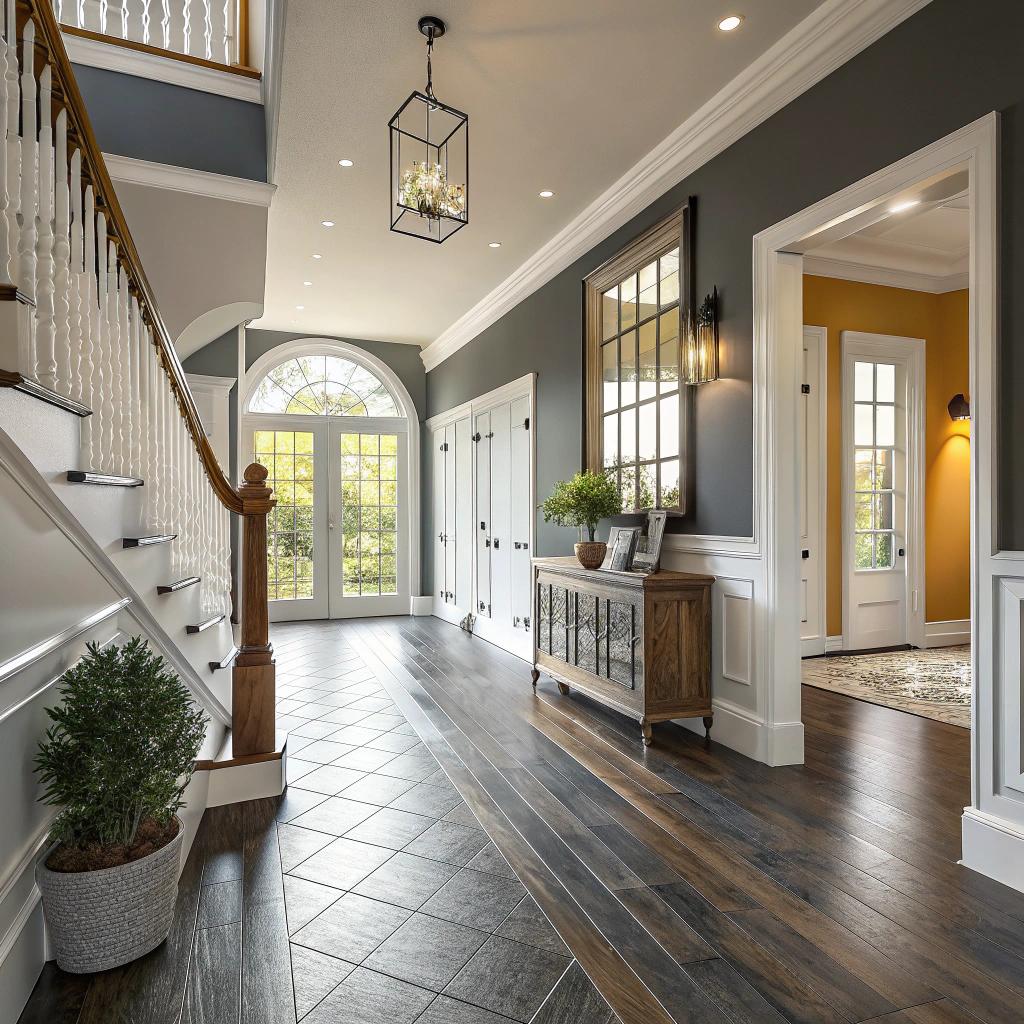
So, you are trying to figure out how flooring fits into a full home makeover with Distinct Remodeling and what that process really looks like in real life. The simple answer is that flooring is usually the backbone of the whole remodel plan, and with a good contractor, it connects your rooms, shapes the style, and often drives the layout choices for the rest of the project.
The short version is that flooring is not just one line item on a quote. It affects how your space feels, how you move through it, how loud your home is, and even what kind of lighting and furniture choices make sense. A smart home remodel, especially a whole home project, tends to start with structure and layout, but flooring is close behind, and sometimes it even pushes layout decisions one way or another. I think many homeowners underestimate that link until they start picking materials and costs start stacking up.
- Flooring choices often set the style and color story for the entire remodel.
- Continuous flooring across rooms can make a modest house feel larger.
- Different flooring in zones can help with noise control and comfort.
- Subfloor condition can affect your budget and schedule more than you expect.
- Good planning avoids awkward transitions and mismatched materials.
- Working with one team for flooring and full remodel usually avoids gaps and confusion.
How flooring shapes a full home remodel
People sometimes think of flooring as a finish you pick near the end, like paint color. That sounds logical, but in practice it is a bit backwards. Flooring choices can affect wall placement, cabinet layout, door swings, and even electrical and lighting plans.
If you are talking about a full home makeover, not just a small update, flooring is part of the base layer of your project. If you change it late, you might end up undoing earlier work or paying twice for things like baseboards or door trimming.
Flooring is not just what you walk on. It is the surface that ties all your remodel decisions together, or exposes every mismatch.
Think about a simple example. You want to remove a wall between your kitchen and living room. You also want new hardwood in both spaces. If you handle flooring as an afterthought, you might pay to patch the old floor, struggle with color match, and still see the old room lines forever. If you plan it early, you run one consistent floor, and the old wall line just disappears.
The role of continuous flooring vs room-by-room choices
One decision that shapes the whole remodel is whether you want one main flooring type in most of the house or a room-by-room approach. Neither is perfect, and different homes call for different solutions.
Continuous flooring across most public areas can:
- Make your home feel bigger and calmer
- Reduce floor transitions that can trip you or bother the eye
- Simplify cleaning because you are not switching tools and products every room
Room-by-room flooring, with more variety, can:
- Help with moisture and durability in kitchens, baths, and laundry
- Give bedrooms a quieter and softer feel with carpet or cork
- Lower costs in low-traffic or hidden areas where premium material is not needed
There is a middle ground that works for many remodels: one main flooring type in the living, dining, kitchen, and halls, then more practical or comfort-based choices in baths, laundry, and maybe bedrooms.
If you are not sure what to do, think in zones, not individual rooms: public, private, and wet areas.
Starting with flooring: when it makes sense
Some projects really should start with flooring decisions. Others can let flooring follow layout. You are not wrong to wonder which type your home falls into. Contractors sometimes shrug this off, but for real people trying to plan a budget, the order matters.
Projects where flooring should come early
I think flooring needs to be settled early in these cases:
- You want to remove or add walls across multiple rooms.
- You plan to change stair railings or rebuild stairs.
- You have very uneven floors or an older home with sagging areas.
- You want in-floor heating in baths or maybe in a basement.
- You want aligned transitions across wide openings.
In those cases, flooring thickness, subfloor repairs, and material layout can change how high your doors need to be, what trim profiles work, and even how cabinets sit. Ignoring that until the end usually leads to extra time and cost.
Projects where you can decide flooring a bit later
If you have a simpler remodel, like a single bathroom or a cosmetic kitchen refresh where you keep the same footprint, you can usually wait a little longer on final flooring selection. You still need to know type and thickness, but you can finalize color and pattern later.
That said, many people underestimate how long flooring decisions take. You might think you will walk into a showroom and just “see what you like.” Then you are 30 minutes in and overwhelmed by options, finishes, and strange product names. Planning some time for samples and small tests at home is just practical.
How Distinct Remodeling ties flooring into whole home projects
When you work with one team for both flooring and the rest of your remodel, the process is usually smoother. I am not saying it is perfect, or that every project is drama free. That would be naive. But there are fewer points where one trade blames another for a gap or a miscalculation.
With a contractor that does whole home remodeling, flooring is usually part of a bigger plan that includes:
- Structural changes like wall removal or beam installation
- New kitchens and baths with updated plumbing and electrical
- Lighting rework, including recessed and accent lighting
- New trim, doors, and built-ins like benches or shelves
- Layout changes to improve traffic flow and storage
A good remodel plan treats flooring, walls, lighting, and storage as parts of one puzzle, not separate mini projects.
One simple example: if you are planning recessed lights and new flooring, a thoughtful team will plan both so that light falls nicely on the main walkways and key surfaces, not in random strips that highlight every seam or plank variation.
Choosing flooring for different rooms during a full remodel
Most people start with what looks good. That is normal. But when you are redoing the entire home, you want to balance look, comfort, durability, and cost. It helps to think room by room, but still keep consistency in mind.
Living room and hallway flooring
These are high-traffic areas. They set the tone when you walk through the door.
Common choices:
| Material | Pros | Cons |
|---|---|---|
| Solid hardwood | Classic look, can be refinished, long life | Sensitive to moisture, higher cost, scratches show |
| Engineered hardwood | Better stability, many styles, thinner profile options | Limited refinishing in some products |
| Luxury vinyl plank (LVP) | Water resistant, softer underfoot, cost friendly | Not as long lasting as real wood, quality varies |
| Laminates | Affordable, many looks, scratch resistant | Can sound hollow, does not like standing water |
For hallways, durability and sound are big. You might want something that looks calm and does not echo too much. Long, continuous runs of plank with minimal transitions look cleaner and make the hall feel less cramped.
Kitchen flooring in a whole home remodel
The kitchen is where style, moisture, and comfort collide. During a full home remodel, kitchen flooring choices affect cabinet layout and appliance placement, because thickness and material type impact toe kicks, island height, and level transitions to other rooms.
Popular picks for kitchens include:
- Tile or porcelain for high moisture tolerance
- LVP or high-quality laminate for softer standing and easy cleaning
- Engineered wood if you want a continuous look from living to kitchen and are willing to be careful with spills
If the kitchen is open to the living and dining areas, many people choose one main floor across these spaces. The benefit is a cleaner look and more flexibility for rearranging furniture and zones later, since you do not have fixed visual boundaries at the flooring changes.
Bathroom flooring decisions
Bathrooms are where practicality matters most. Water, steam, and cleaning habits all matter. During a full home remodel, you may also be changing layouts, moving drains, or adding in-floor heating.
Typical bathroom flooring categories:
| Material | Best use | Watch for |
|---|---|---|
| Porcelain or ceramic tile | Showers, main baths, powder rooms | Can feel cold without radiant heat, grout upkeep |
| Stone tile | High-end primary baths | Sealing, slippery when polished, higher cost |
| LVP rated for wet areas | Family baths, kids baths, lower level baths | Proper installation around tubs and toilets |
If you plan to add radiant floor heating, this needs to be part of the early design work, not a late add-on. It affects subfloor prep, electrical planning, thermostat placement, and even floor build-up heights.
Bedroom flooring for comfort and quiet
In a full home makeover, bedrooms are sometimes the last areas people think about, but flooring there affects rest and sound transfer. Carpet is still common because it is soft and quiet, but many homeowners now switch to hard flooring with area rugs for easier cleaning.
Choices here are more about comfort and lifestyle:
- Carpet for maximum softness and sound control
- Engineered hardwood or LVP with rugs for allergen control
- Cork or other softer products if you want a quieter hard surface
If you live above someone else or have kids on different floors, sound transfer under hard flooring becomes a real concern. Underlayment choice and even plank thickness play a role. This is another place where planning the whole home as one system helps avoid surprises.
How flooring affects budget, schedule, and stress
Flooring is a visible part of your budget, and often one of the biggest line items in a full home remodel. Materials, prep, removal of old floors, and labor all add up. It can also be a major source of schedule delays if products are backordered or if subfloor conditions are worse than expected.
Budget ranges and what drives them
Exact costs vary by region and product, but a rough way to think about flooring in a full home remodel is by total area and complexity. Small spaces with lots of cuts and details can cost more per square foot than open areas.
| Flooring type | Relative material cost | Relative labor cost |
|---|---|---|
| Basic carpet | Low | Low to medium |
| LVP / laminate | Low to medium | Medium |
| Engineered wood | Medium to high | Medium to high |
| Solid hardwood | High | High |
| Tile | Medium to high | High |
Things that tend to add cost during whole home projects:
- Removing several layers of old flooring or damaged subfloors
- Leveling concrete or wood subfloors for tile or plank products
- Complicated layouts, lots of angles, or patterns like herringbone
- Multiple transitions where different floor heights need to meet cleanly
How schedule and logistics work in real life
On a full home remodel, flooring is usually installed after most of the rough work is done and after drywall and priming, but before final paint touch-ups and trim. The actual order can vary, but a rough sequence looks like this:
- Demolition and structural work
- Rough plumbing, electrical, and HVAC
- Insulation and drywall
- Priming and initial paint work
- Flooring prep and installation
- Cabinet and trim installation
- Final paint, fixtures, and hardware
That sounds neat, but real life has overlap and adjustments. For example, you might set some kitchen cabinets before flooring and others after, depending on the flooring type and design. Some people want flooring run under all cabinets, others prefer to run to the toe kick. There are pros and cons to each.
Coordinating flooring with kitchens, baths, and storage
A lot of remodel frustration comes from disjointed decisions. The flooring was picked on one day, cabinets on another, trim later, and nothing truly lines up. Working through these choices in a connected way takes more energy up front, but it usually saves you from awkward “I wish we had thought of that earlier” moments.
Flooring and cabinet layout
Cabinet placement and flooring layout go hand in hand. A few key points that people often miss:
- Cabinets need to sit level. If the floor slopes, your contractor will shim and adjust, and that can affect how flooring meets toe kicks.
- Island placement might line up with flooring seams. If it is off by a little, it can look odd to some people.
- Appliance height and clearances depend on total floor build-up, from subfloor to finish layer.
In an ideal remodel, your layout plan and flooring plan live together. The installer knows where cabinets and appliances will be and can adjust plank direction or tile layout so it looks intentional.
Flooring in relation to storage and built-ins
Bench seating, mudroom storage, and built-in shelving all interact with flooring. For example, if you want a mudroom with tile but the hall flooring is wood or LVP, you need a nice transition at the doorway, and the built-ins should sit in a way that works with both.
Ask yourself some questions while planning:
- Do you want floor to run under built-ins, or stop at their base?
- Will you ever want to move or change that storage later?
- Do you want the flooring pattern to center on a feature like a fireplace or a bench?
These sound like small details, but they are often what makes a finished home feel calm and considered rather than thrown together.
Common mistakes when tying flooring into a full remodel
People sometimes think the biggest mistake is picking the “wrong” color floor. In practice, color is usually fixable with rugs and furniture. Structural and layout issues are harder to correct. The real problems tend to come from poor planning or rushed choices.
Rushing material selection
Grabbing the first sample that looks decent to “keep things moving” can lead to regret later. Seeing a single board under fluorescent lights in a store is very different from seeing an entire room of it under your own lighting.
Better approach:
- Take home several samples and view them at different times of day.
- Place samples next to wall paint, cabinet, and countertop choices.
- Pay attention to undertones rather than exact shade names.
Ignoring the subfloor
Another common issue is assuming the existing subfloor is fine. In older homes, or homes that had multiple remodels, you may find layers of old material, squeaks, dips, or signs of water damage.
When planning a full home remodel, budget something for subfloor repairs, especially if you are changing from carpet to hard flooring. It is not fun to spend money on a layer you never see, but your floors will feel better, last longer, and make less noise.
Too many materials in a small home
Some people love variety and end up with one floor type in the entry, another in the hall, a third in the kitchen, a fourth in the living room, and so on. That can work in a very large home, but in an average size house it often feels busy.
If you are not sure where to draw the line, limit yourself to:
- One main flooring for living, kitchen, dining, and halls
- One wet-area flooring for baths and laundry
- Optional different flooring in bedrooms if comfort demands it
That is still some variety, but not so much that your eye never gets a break.
A practical step-by-step path: from floors to full makeover
If you feel pulled in many directions, it might help to walk through a straightforward process. Not every project will follow this exactly, but it gives you a structure to react to and adjust.
Step 1: Define your zones and priorities
Before you touch materials, think about your home in terms of zones:
- Public: entry, living, dining, kitchen
- Private: bedrooms, offices
- Wet: baths, laundry, mudroom
- Support: hallways, stairs, closets
Ask yourself what each zone should feel like. Calm, bright, cozy, easy to clean, kid-friendly, pet-friendly. Write those down. It sounds simple, but having this in front of you helps when you are staring at 40 types of plank.
Step 2: Decide on a main flooring type
Pick what you want as the “default” flooring for the public areas. That might be a certain engineered wood, a specific LVP line, or a tile if you live in a very warm climate and like that look.
You do not need to finalize the exact color yet, but you should commit to the product category and likely thickness. That lets your contractor plan transitions, subfloor work, and door heights.
Step 3: Choose practical floors for wet areas
Next, choose material categories for bathrooms and laundry. Tile or moisture-rated LVP are the usual choices. Again, you can settle on exact patterns later, but you need to know what type of installation will be used.
At this stage, you also decide if radiant heat will be included in any of these rooms. That has ripple effects into electrical planning and scheduling.
Step 4: Address bedrooms and stairs
Once public and wet zones are set, decide how bedrooms will relate. Do you want them to match the hallway, or be different? If you plan carpet in bedrooms, how will that meet the hall flooring at the door?
Stairs deserve special attention. Stair treads, risers, and railings are very visible, and the transition at the top and bottom of the stairs will be right in your face every day. Stair finishes should coordinate with both the main floor and the floor above or below.
Step 5: Sync flooring with cabinets, trim, and paint
Once flooring categories are set, start collecting samples of cabinets, countertops, and paint. Put them together with actual flooring samples and check for clashes. Sometimes the perfect cabinet color suddenly looks wrong next to your chosen floor, or vice versa.
If something feels off, it is usually better to adjust at this stage than live with the mismatch. Flooring is hard to change later. Paint is easy. Cabinets are in the middle.
Step 6: Finalize details and transitions
The last planning step is the least glamorous but very real: transitions, thresholds, vents, and trim. For a full home remodel, these small details add up to a big part of how “finished” your house feels.
Questions to cover with your contractor:
- Where exactly will floor transitions sit relative to door swings?
- What kind of transition strips or profiles will be used?
- Will floor vents be standard, painted, or recessed into flooring?
- How will baseboards and door casings meet the floor?
Some of this might sound picky, but this is where a lot of buyers and guests quietly judge the quality of a remodel, even if they do not say it out loud.
Living through flooring work during a remodel
If you stay in your home during a full remodel, flooring days can be some of the hardest. Rooms may be off limits, there may be fumes from finishes, and you might have to walk on subfloor or temporary paths for a while.
A few practical tips that help many people:
- Plan a short stay elsewhere if sanding and finishing hardwood, especially with kids or pets.
- Ask for a clear schedule that shows when each area will be out of use.
- Protect paths you still need to use with temporary runners if your contractor allows it.
- Pack up more than you think from floors and lower shelves so workers can move freely.
No remodel is perfectly comfortable, and anyone who tells you it will be “no disruption” is glossing over reality. But a clear plan and honest expectations lower the stress a lot.
Questions homeowners often ask about flooring and full remodels
Q: Should I pick flooring before I even talk to a contractor?
A: Not completely. It helps to have a sense of what you like and what you do not, but you do not need to lock in a specific product before getting design help. In fact, discussing your goals with a contractor or designer first can narrow the options and save time. At the very least, know if you lean toward wood, tile, or synthetic products, and where you might want each.
Q: Is it worth spending more on flooring if I am already over budget?
A: Sometimes yes, sometimes no. Flooring is one of the surfaces you see and touch every day. If the choice is between a cheaper faucet and a better floor that will last longer and make your spaces feel calmer, I would usually spend more on the flooring. On the other hand, paying a large premium for a unique pattern that you might get tired of in a few years can be risky. It is often smarter to pick a solid, simple floor and express your style in items that are easier to change.
Q: Can I mix real wood and LVP in the same home?
A: You can, and many people do, but it requires careful planning. Color and texture should harmonize, and transitions between the two materials need to be placed in logical spots, like doorways. If one area gets a lot more light, the difference may be more obvious. Some homeowners are fine with that, others find it distracting. Getting samples of both and placing them side by side in your actual rooms is the only honest way to decide.
Q: What if I regret my flooring choice later?
A: This is a real fear, and it happens sometimes. The good news is that if the subfloor work and layout planning are done well, changing surface materials later is easier and less invasive. You might not want to redo it right away for cost reasons, but knowing the “bones” under the floor are solid gives you flexibility in the future. That is another quiet benefit of treating flooring as part of a full home plan, not a last-minute finish.
Q: Does flooring really change how big my home feels?
A: Yes, often more than people expect. A single continuous surface with a calm pattern can make spaces feel larger and more peaceful, even if you have not moved a single wall. On the flip side, very busy patterns or frequent color changes can make rooms feel chopped up. You can test this by laying several sample planks across the width of a room and seeing how the eye moves. If your eye keeps stopping at every seam or color shift, the full floor will probably feel hectic.
If you step back and think about your own home right now, which area bothers you the most? Is it the look of the flooring, the noise when people walk, the cold feeling in the morning, or the way rooms feel disconnected? That answer might tell you more about how flooring should fit into your remodel than any design rule ever will.