
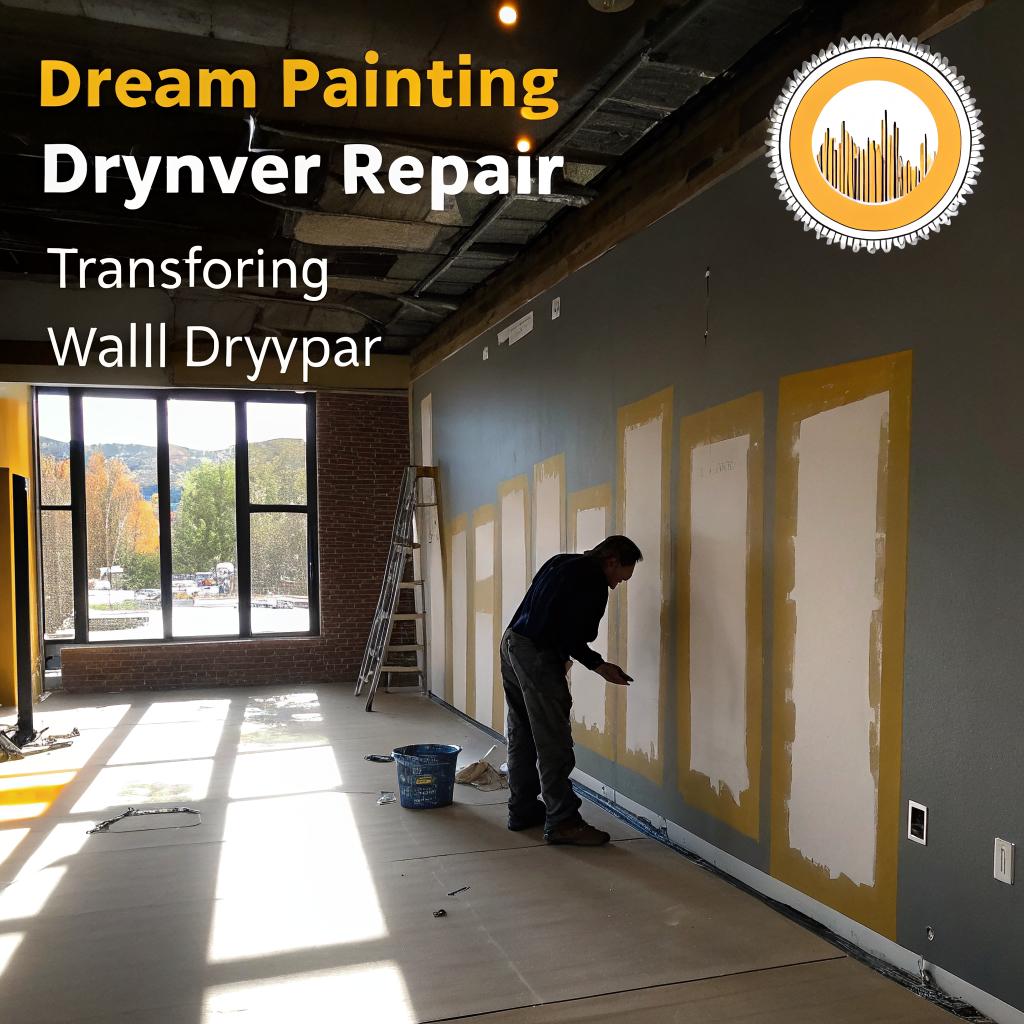
So, you are trying to figure out how Dream Painting LLC is changing the way Denver drywall repair gets done and whether they are worth calling for your home projects. The short answer is that they handle drywall repair as a finish-quality trade, not as a quick patch job, which matters a lot for painting, flooring, and long term home value.
Most homeowners think of drywall repair as a small side task. A hole in the wall before listing the house. A crack near a doorway. Maybe fixing a dent after moving furniture. But if you have ever tried to paint over a bad patch, or install new flooring next to a wavy wall, you know it becomes obvious very fast. That is where companies like Dream Painting LLC stand out. They treat drywall repair, texture, and prep as the foundation for good paint, smooth baseboards, and clean transitions to your floors.
- Drywall quality changes how your paint looks, especially with lighter colors and higher sheens.
- Bad repairs show up next to baseboards, flooring edges, and trim.
- Texture matching in Denver homes is tricky, because many houses mix different textures and ages of drywall.
- Moisture issues, settling, and remodels often hide behind what looks like “just a crack”.
- A professional drywall and paint team can prepare rooms better for future flooring upgrades.
Why drywall repair in Denver is more than filling holes
When you start planning a remodel, you probably think about new flooring, fresh paint, maybe new fixtures. Drywall can feel like the boring part. Just a canvas in the background.
But if the canvas is uneven, everything on top of it looks off.
Denver homes have a mix of construction styles and ages. You see newer builds with standard textures, and older homes with strange repairs, multiple additions, and walls that are not quite flat. Add in our dry climate, small shifts in framing, and seasonal humidity changes, and you get cracks, nail pops, and seams that slowly reappear.
I think this is where a lot of people underestimate drywall repair. They focus on the damage they can see, not what happens when the light hits the wall at an angle after new paint or new floors go in.
“Most drywall problems look small until you turn on bright lights or pull out old flooring. Then every bump, ridge, and patch jumps out at you.”
So, when a company treats drywall repair as part of the finish work, not just prep, the final look of your renovation changes a lot.
How Dream Painting LLC approaches Denver drywall repair
Many paint companies will say “yes, we can patch that” as an add-on. The difference comes from how systematic the process is, and how much time they spend on blending everything, not just filling.
Here is a more realistic breakdown of what a careful Denver drywall repair process looks like when tied to painting and, indirectly, your flooring and trim.
1. Inspection that looks past the obvious damage
A decent repair starts with a walk-through that does more than “yep, that is a hole.”
Things a careful crew will usually check:
- Cracks along doors, windows, and ceiling joints that could be from movement, not just old age
- Soft or stained drywall that could point to previous water leaks
- Nail pops or screw pops where the fasteners lost grip in the stud
- Gaps between walls and baseboards that will matter when you change flooring height
- Texture differences from earlier patch jobs that show under paint
In my experience, the best time for this inspection is right before any major interior painting or flooring work, while the room is fairly empty. You see more of the wall and ceiling that way.
“If your drywall repair quote only mentions the big holes but ignores cracks, pops, and texture issues, you will probably see those flaws more after painting, not less.”
2. Choosing repair methods based on cause, not just appearance
This is where some contractors rush. They treat all damage the same. But a hairline crack from tape failure needs a different fix than a gap from framing movement.
Common repair types used in Denver homes:
- Surface cracks
Often cut back, re-taped with paper or fiberglass tape, then topped with joint compound in 2 or 3 thin coats. Sanding happens between coats. - Corner bead damage
Corners that have been hit by furniture often need new metal or vinyl corner bead, not just mud over the dent. - Small holes
Nail holes and small screw holes can usually be filled with light compound and sanded smooth. - Medium holes
For holes around 2 to 6 inches, a backer piece or patch kit is often used so the compound has support and does not sink over time. - Large openings
Bigger areas usually need new drywall pieces cut in, screwed to framing or backing material, then taped and finished like new construction.
The part many homeowners do not see is how the repair ties into existing seams and corners. A quick patch that stops too close to an old seam will telegraph through the paint.
3. Texture matching, which is usually the hardest part
If you have ever seen a wall where the patch is smooth but the rest of the wall has texture, you know exactly how distracting that is. Matching texture is where skill really shows.
Common textures in Denver homes:
| Texture Type | Where You See It | Why It Is Tricky |
|---|---|---|
| Knockdown | Newer homes, basements, large walls | Needs timing control so the “knockdown” pattern matches size and spread |
| Orange peel | Many production homes, hallways | Spray pressure and thickness affect the final look |
| Smooth or near-smooth | Higher-end interiors, older renovations | Shows every flaw, needs more sanding and skim coating |
| Heavy hand textures | Older houses, some custom work | Often done by hand years ago, hard to copy exactly |
Texture matching is part science, part feel. A good crew tests a small area first, adjusts the mix, spray, or knife technique, and only then finishes the full repair. This is where rushing causes that “patchy” look you see under new paint.
4. Sanding, dust control, and room prep
Drywall dust gets everywhere. If you are planning flooring work, you really do not want dust in seams or under planks.
A careful drywall repair team will usually:
- Mask off nearby areas, especially vents and returns
- Cover floors with protective material, not just thin plastic that tears
- Use sanding tools that can connect to vacuums for reduced dust
- Vacuum baseboards, corners, and edges where dust collects
This matters for your flooring project because dust can affect glue, underlayment, and the way trim caulk adheres. It also matters for paint, since dust left on walls or trim will show as rough spots.
5. Priming and paint readiness
Good drywall repair is not finished until it is fully ready for paint. That means:
- Spot priming or full priming of repaired areas so they do not flash under paint
- Checking for remaining ridges or low spots by using side lighting
- Light touch-up sanding before the first paint coat
You have probably seen “flashing” before without realizing the name. It is that spot where a patch looks either dull or too shiny compared to the rest of the wall. Primer choice and coverage make a big difference here.
“If a repair looks perfect before primer but shows lines after the first coat of paint, the prep was incomplete. That is usually a sanding, feathering, or priming problem, not a paint problem.”
How quality drywall repair affects flooring and baseboards
Since this article is for people interested in home renovation and flooring, it is worth spending time on how walls and floors meet. That little joint between baseboard and wall makes more visual impact than people think.
1. Straighter walls mean better flooring transitions
When walls are wavy or bowed, flooring installers have to choose what to follow: the straightness of the floor or the curve of the wall. If the drywall kicks in or out at different points, you can end up with:
- Uneven gaps at the baseboard
- Caulk lines that look thick in one area and thin in another
- Baseboards that do not sit tight against the wall
During drywall repair, a good crew can sometimes gently correct minor wall waves with skim coating, especially near the baseboard height. This is not structural correction. It is more about smoothing those visible transitions so your new floors do not highlight old flaws.
2. Repairing damage left behind after old flooring removal
Pulling out old carpet, tile, or laminate often reveals damage:
- Baseboard dings and scrapes
- Chipped drywall at the bottom edge from prying tools
- Nail and staple holes where tack strips used to sit against the wall
Some flooring installers are careful and leave this nearly untouched. Others are more rough, especially during demo. Either way, you want these areas patched before caulk and paint, or those shadows and gaps stick out.
If you plan ahead, a drywall and paint crew can follow flooring replacement to:
- Repair chipped drywall at floor level
- Tighten the visual line where baseboard meets wall
- Caulk and paint baseboards for a complete, finished look
I have seen projects where homeowners focused all their budget on the flooring material and installed it next to cracked, dinged baseboards. The floor looked nice, but the room still felt half-finished.
3. Accounting for flooring height changes
Switching from carpet to LVP or hardwood changes floor height. That can expose more of the wall or create small gaps at the bottom of existing trim.
When drywall repair is done with future flooring in mind, a crew can:
- Patch the wall behind areas where taller carpet once hid minor flaws
- Help you plan whether to remove and reset baseboards or work with them in place
- Pretreat corners and doorways that often get hit during heavy flooring tools movement
If you are planning both painting and flooring, it is worth asking: “Do we fix all the drywall first, then paint, then floor? Or repair again after flooring?” The timing can change based on the scope of work. Sometimes minor touch-ups later are still needed, but starting with solid walls saves headaches.
Why pairing drywall repair with interior painting makes sense
Drywall repair on its own is helpful, but you get real impact when it leads directly to a full or partial repaint. The two trades are closely tied.
1. Color changes reveal hidden flaws
Light colors with eggshell or satin finishes show imperfections more than flat paint. Darker colors can also highlight texture issues when sunlight hits at an angle.
If you are switching colors, especially in high-traffic areas, a thorough drywall check first is almost required. Otherwise:
- Old patches may stand out more with the new sheen
- Hairline cracks you barely saw before might pop under rich colors
- Shadowing from ridges in the mud will appear when side light hits the wall
This is one reason professional painters push for more prep time than you might expect. They know that once the new color is on, any flaw in the substrate will get blamed on the paint job.
2. Consistent finish between walls, ceilings, and trim
Denver homes often have mixed ceiling conditions. Some areas still have older textures. Others are smooth or have been painted many times. When you repair drywall on walls but ignore ceilings, the room can still feel tired.
A more complete approach is:
- Address drywall cracks where walls meet ceilings, especially in corners
- Fix water stains and retexture small areas so the ceiling looks consistent
- Repaint walls, ceilings, and trim as a set, even if you keep similar colors
It might sound like more work, and it is, but the space ends up feeling refreshed instead of “patched.”
3. Better resale value and inspection results
Home buyers in Denver often notice patched corners, ceiling stains, and bubbling tape. Inspectors will point them out as potential signs of movement or moisture.
When you have a clean drywall and paint job:
- Rooms photograph better for listings
- Buyers have fewer questions about what happened behind those old repairs
- Your flooring and fixtures look newer by association, even if they are not
It is not magic. A good repair will not fix structural issues. But it removes visual distractions that make people doubt the overall care of the house.
What sets a careful Denver drywall repair company apart
Not every contractor pays attention to the same things. If you are considering hiring someone, there are a few signs that they approach drywall in a more thorough way.
1. They talk about light, not just damage
Anyone can say “we fill holes.” A more thoughtful pro talks about:
- How the light hits your main walls during morning and evening
- Which walls are “feature walls” where flaws are more visible
- How texture and sheen interact in your specific rooms
If your estimator walks around and keeps checking the walls from different angles, that is a good sign. If they barely look up from their clipboard, not so much.
2. They explain repair levels in plain terms
Drywall has different finish levels, from quick patches to near-perfect smooth surfaces. You do not need all the jargon, but you do need clear expectations.
A good conversation might sound like:
- “This area is fine with a standard patch and knockdown match.”
- “This main living room wall might benefit from a wider skim to reduce waviness.”
- “We can repair this ceiling, but if we only treat this one spot, you may notice a slight difference in texture under certain light.”
You should never feel pushed into the highest level of finish, but you should at least know your options.
3. They connect drywall work to your other projects
Since you are interested in flooring and general renovation, it helps when your drywall contractor asks:
- “Are you changing flooring in this room soon?”
- “Are these baseboards staying or getting replaced?”
- “Are you planning a full repaint or just patching for now?”
If they do not ask any of that, they might repair in a way that creates more work later, like building up too much material where new baseboard will go, or ignoring areas that will be exposed after flooring changes.
Common drywall repair situations in Denver homes
Let me go through a few everyday cases and how a thoughtful approach helps. You may recognize your own house in some of these.
1. Settling cracks near doorways
You see a crack at the corner of a door, maybe above a closet, and you assume the house is falling apart. Usually it is not. It is often just normal movement or tape that gave up.
A good approach:
- Cut back the crack instead of just filling over it
- Reinforce with tape and multiple coats of compound
- Feather the repair wide enough that the transition is invisible
- Match texture and repaint the full area, not just a tiny strip
If you just caulk or smear compound over the crack, it will probably show again next season.
2. Old water damage on ceilings
Maybe you fixed the roof or the upstairs bathroom leak years ago, but the stained, sagging drywall is still there. This is common.
Depending on severity, the solution might be:
- Cutting out soft or crumbled drywall and replacing it
- Re-taping seams that gave way during the leak
- Applying stain-blocking primer over the area
- Re-applying texture to blend with the rest of the ceiling
If your ceiling has heavy texture, the challenge is matching the existing pattern without needing to redo the entire room. It can be done, but it takes testing.
3. Repairing after electrical or plumbing work
Any time someone opens up a wall for new pipes, wires, or recessed lighting, you are left with rectangular or odd shaped cutouts.
Clean repair here means:
- Cutting patches to land on framing or adding backing strips behind openings
- Using proper tape and mud sequences, not just plastering compound over everything at once
- Bringing the surface back to the same plane as surrounding drywall
When this is done poorly, you can see the outline of every patch after painting, almost like a grid.
How to plan your drywall, paint, and flooring projects together
If you are organizing a renovation yourself, the sequence of trades matters. There is no perfect rule for every home, but some patterns work better in practice.
General order that tends to work well
- Major demolition and framing changes
- Rough plumbing, electrical, and HVAC work that requires opening walls
- Drywall installation or larger repairs and patches
- Taping, mudding, sanding, and texture work
- Primer and first coat of interior paint on walls and ceilings
- Flooring installation and baseboard or trim installation
- Final caulking, touch-up drywall repairs if any, and finish paint on walls and trim
This way, most dirty work happens before your floors go in, but you still leave room for final touch-ups after flooring and trim.
Where homeowners often go wrong
A few patterns show up over and over:
- Installing new flooring before drywall repair and painting, then dealing with dust and accidental damage
- Skipping texture matching and hoping paint will hide it
- Only patching the most obvious holes while ignoring subtle cracks in high visibility areas
- Not budgeting for primer and extra sanding on smooth walls, which are unforgiving
If you are already spending money on nice flooring and paint, cutting corners on drywall prep usually feels like a regret later.
Questions to ask a Denver drywall repair and painting company
You do not need to be an expert to screen contractors. A few simple questions can reveal a lot about how they work.
1. “How do you handle texture matching in older homes?”
Look for answers that mention:
- Testing small areas first
- Adjusting tools or materials based on what they find
- Honesty about when a perfect match is tough and what the alternatives are
If you hear “we just spray and it always works,” that sounds overconfident.
2. “What does your dust control process look like?”
They should talk about:
- Covering floors and furniture
- Hooking sanding tools to vacuums where possible
- Cleaning at the end of each workday
This matters for your comfort, but also for paint and flooring adhesion.
3. “Will the repaired areas be ready for paint, or is that separate?”
Clarify if:
- Repairs include priming and basic readiness for painting
- They handle both drywall and painting, which is usually smoother
- You will need to handle any extra sanding or priming on your own
Ideally, you want one team responsible for both repair and paint, so there is no finger-pointing later.
4. “How do you coordinate with flooring work if I am changing my floors?”
A good answer includes discussing:
- Protecting existing or new floors during drywall and paint
- Timing drywall repair before major flooring work when possible
- Scheduling a final visit for small touch-ups after flooring is installed
If a contractor says “we do not worry about other trades,” that might cause problems.
Is professional drywall repair in Denver worth the cost?
You might wonder if you really need help or if a bit of joint compound and sandpaper from the hardware store is enough. Sometimes DIY is fine, especially for small nail holes or a single small patch in a low light area.
But there are a few signs that bringing in a pro is a better idea:
- Large or multiple repairs, especially in main living spaces
- Ceiling repairs where matching texture on overhead surfaces is hard
- Homes with mixed or older textures that are not easy to copy
- Projects where you also plan to repaint or install new flooring soon
The cost jump from “paint over old flaws” to “repair then paint” can feel frustrating, but you are paying for the time and skill needed to make those repairs disappear, not just for material.
I have seen both sides. DIY patches that looked okay until the first strong sunlight. And professional work that stayed invisible for years, even after more renovations. It really comes down to how much the room matters to you and how perfectionist you are about finishes.
Q & A: Common questions about Denver drywall repair and home updates
Q: If I am on a tight budget, should I prioritize drywall repair, painting, or flooring?
A: This depends on what bothers you most, but in many cases, fixing noticeable drywall issues in the main living areas and repainting those rooms gives more visual impact than new flooring alone. Worn floors show, of course, but badly patched walls pull your eye immediately. One compromise is to focus on thorough drywall and paint in the most used rooms and delay flooring changes there until later, while doing more basic updates in low traffic spaces.
Q: Do I need to repair every single wall before painting, or can I be selective?
A: You do not have to make every wall perfect. A realistic approach is to treat high visibility areas more carefully: entry walls, living rooms, hallways with side light, and any wall facing large windows. Less visible areas like closets or behind large furniture can get simpler repairs. A good contractor will walk through with you and mark where detailed work is worth the time and cost.
Q: Will repairing drywall now help if I plan to replace flooring in a year or two?
A: Yes, as long as you keep in mind the flooring height and baseboard situation. If you plan to keep your baseboards, repairing drywall and painting now is fine. If you know you will change baseboards along with flooring, you can still fix cracks, nail pops, and larger surface flaws now, then do small touch-ups at baseboard level after the new floors go in. The structural and cosmetic soundness of the walls will already be in place, which makes the final stage easier.
Q: Can I just spot paint over patches instead of repainting full walls?
A: Sometimes, on small repairs in corners or low traffic areas, spot painting with a perfect paint match is acceptable. But on larger patches, or in areas with different lighting conditions, you usually see a blend line. The sheen rarely matches perfectly over time, even if the color match is close. For most main walls with noticeable repairs, repainting at least that full wall from corner to corner is the safer choice.
Q: Is smooth drywall always better than textured walls?
A: Not always. Smooth finishes look more modern and clean, but they highlight every ding, wave, and joint. You need more prep and more careful sanding for smooth work to look good. Mild texture, when done well, can hide small flaws and be more forgiving in busy households. The “better” choice is really about your taste, your budget, and how much maintenance you are willing to handle.
What room in your home annoys you most right now when you really look at the walls, ceiling, and floors together?