
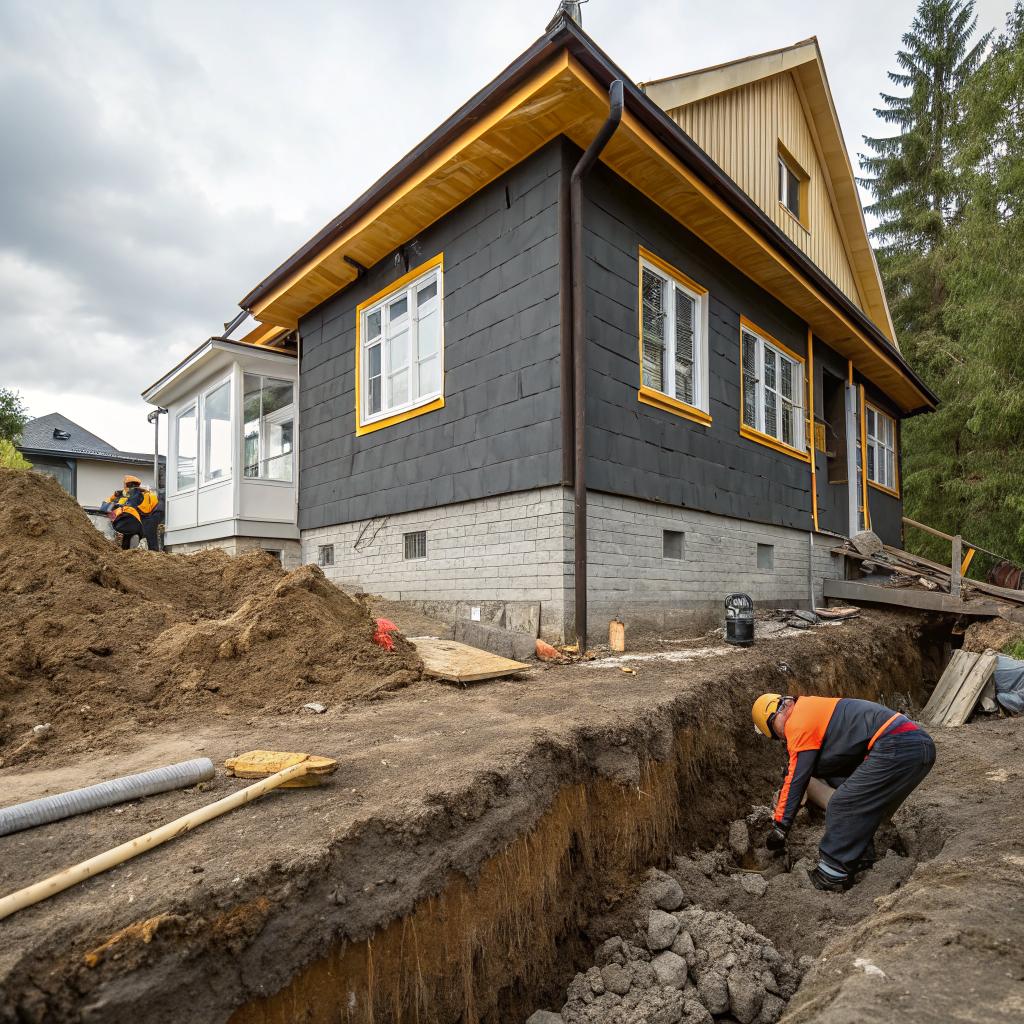
So, you are trying to understand the importance of foundation repair for home upgrades and how it ties into projects like new flooring or remodeling. The direct answer is simple: if your foundation is not stable, every upgrade you put on top of it is at risk of damage, wasted money, and a lot of stress later.
Your foundation is not a flashy part of your home. You do not show it off like new hardwood floors or a walk-in shower. But it quietly controls how long those upgrades last and how good they look over time. Small cracks, sinking spots, or moisture under the slab can slowly twist floors, open gaps at baseboards, and even ruin that nice tile job you just paid for. So, if you are planning a major home upgrade, the foundation should not be an afterthought. It should be the first thing on your checklist.
You can read a lot about flooring, kitchens, and bathrooms online, but people skip the structure underneath. That is where a lot of long term problems start. If you deal with the foundation early, you spend once and enjoy your upgrades for years. If you ignore it, you may end up paying twice for the same work. That sounds harsh, but I have seen it play out in real homes.
Here is a quick list of things you need to know before you pick your new floors or start a big renovation.
- Foundation problems can ruin new floors within a few years.
- Cracks, slopes, and sticking doors are early signs you should not ignore.
- Level floors matter for tile, hardwood, luxury vinyl, and even carpet.
- Water around the foundation can damage subfloors and underlayment.
- Fixing the foundation first usually saves money over doing it later.
- Real estate value and home inspections often focus on foundation health.
- Some foundation repairs are less disruptive than you might think.
If you want a deeper explanation and you live in an area with clay soils or older construction, it is even more relevant. For people in Tennessee, where concrete work is a big part of local building, the importance of foundation repair shows up pretty quickly once you start planning real upgrades.
Why foundation repair matters before new flooring
If you are planning new flooring, you probably focus on style and budget. Hardwood vs vinyl. Tile vs laminate. Maybe heated floors. That is normal.
But every single flooring material expects one thing from your home: a solid and level base.
When the foundation shifts, sinks, or moves, it shows up on your floors first. You might notice:
- Gaps between planks that were tight when installed.
- Cracked tiles or grout lines that keep breaking.
- Soft spots or bouncing areas in wood floors.
- Baseboards pulling away from the floor or wall.
- Floor slopes that you can feel when you walk.
Here is where a lot of people go wrong. They blame the flooring installer, the material, or “cheap work.” Sometimes that is fair. But often the real cause is movement in the structure below.
If the foundation is moving, no flooring installer can guarantee perfect floors for long, no matter how skilled they are.
Tile is especially sensitive. It does not like movement. Even a little shifting can crack the grout or the tiles themselves. Floating floors like some vinyl and laminate handle movement a bit better, but they also have limits. Once the subfloor is too uneven, you see problems.
So, if the plan is to spend several thousand dollars on new floors, it is reasonable to spend some time checking the concrete or foundation first. A small repair today can protect that whole project.
How foundation problems show up in flooring
If you are not sure whether your house has foundation issues, look down. Floors tell a story.
Common signs include:
- One room feels lower than another when you walk across the threshold.
- Balls or marbles roll to one corner by themselves.
- Tile lines look straight in one area and crooked in another.
- Floating floor planks separate in specific spots and keep doing it after repairs.
- Flooring edges rub against door frames or closet tracks.
Sometimes this is just subfloor damage, old framing, or moisture problems. Sometimes it is the foundation. You do not need to panic, but you should not ignore it either.
If you feel like you keep fixing the same flooring problem again and again, that is usually a sign you are treating symptoms, not the real cause.
How foundation repair protects your other home upgrades
Flooring is just one piece. Once a foundation starts moving, it affects other projects too.
Here are a few upgrades that depend on a stable foundation:
- Kitchen remodels
- Bathroom renovations
- Room additions and sunrooms
- Finished basements
- New doors and windows
Think about a new kitchen with custom cabinets and stone countertops. The cabinets are set with tight tolerances. The countertop seams line up cleanly. If the floor under them moves, one side can sink and suddenly the doors do not shut right. You might see cracks where the backsplash meets the countertop. It feels like the remodel “failed,” but the problem might be movement under the slab or under the sill plate.
Bathroom upgrades have a similar risk. If the foundation drops a little on one side:
- Showers can develop hairline cracks at corners.
- Caulk joints open up again and again.
- Toilets can rock on the floor and break the wax ring, leading to leaks.
Room additions are even more sensitive. If the new part of the house is not tied to the old foundation in a smart way, the two sections can move differently. You might see:
- Cracks at the transition where old and new meet.
- Floor height differences that get worse over time.
- Doors in the new room sticking, even if they were fine the first year.
So yes, foundation repair is not just about avoiding worst case structural failure. It is also about giving every remodel project a fair chance to last.
Common signs you might need foundation repair before upgrading
You do not need to be an engineer to spot basic warning signs. Some of these look small, but they often point to underlying movement.
Visual signs inside the house
- Cracks in drywall, especially at door corners or over windows
- Stair step cracks in brick or block walls in basements
- Doors that stick or latch differently from season to season
- Gaps at the top or bottom of interior doors
- Uneven spacing where cabinets meet the wall or ceiling
Visual signs outside the house
- Cracks in exterior brick that look like a staircase pattern
- Gaps between siding and trim
- Visible separation between the house and attached steps or porches
- Concrete stoops or walkways settling toward the house or away from it
Floor and foundation signs
- Sloping floors that feel noticeable as you walk
- Cracks in slab floors, especially wider than a hairline
- High or low spots you can feel under flooring
- Water pooling around the base of the house during rain
One or two of these on their own may not mean you need major work. Houses move a bit as they age. But if you are checking several of these boxes, and you are also planning a big upgrade, it is smart to talk to someone before you spend money on finishes.
How foundation repair and flooring choices interact
Not all flooring reacts the same way to small movement. That is why people who focus on flooring care so much about subfloor prep and structure.
Here is a simple comparison.
| Flooring type | How it reacts to movement | Foundation quality needed |
|---|---|---|
| Tile / Stone | Cracks easily with even mild movement; grout fails first. | Needs very stable, flat, and stiff base. |
| Solid Hardwood | Can gap, cup, or crown; movement shows at seams and near walls. | Needs stable and reasonably level base to avoid long term issues. |
| Engineered Wood | Handles minor movement better but still unhappy with big shifts. | Benefits from stable foundation and good subfloor. |
| Laminate | Floating design tolerates small movement; clicks or separates if uneven. | Needs fairly flat and consistent floor. |
| Luxury Vinyl Plank (LVP) | More forgiving; telegraphs big dips and humps underneath. | Needs relatively smooth and level surface. |
| Carpet | Hides minor unevenness but not deep dips or structural problems. | Can tolerate small imperfections; still affected by major settlement. |
If your foundation repair involves lifting or stabilizing parts of the house, you usually want that process finished before you invest in the flooring layer. That way you are not putting rigid surfaces on top of something that might move.
Think of foundation work and flooring like order of operations: fix movement first, then install the finish. Not the other way around.
Types of foundation repairs and what they mean for your upgrades
Foundation repair covers a wide range of work. Some jobs are small, like sealing minor cracks or improving drainage. Others are more extensive, like installing piers or re-leveling parts of a house.
Here are common approaches and what they mean if you are planning upgrades.
Crack repair and sealing
This is usually the lightest category:
- Epoxy injection in structural cracks
- Polyurethane injection in leaking cracks
- Surface patching on minor non-structural cracks
Impact on upgrades:
- Good for stopping moisture that can damage floors and framing.
- Small cracks can often be fixed with minimal disruption.
- Still wise to monitor over time to confirm cracks are not growing.
Slab leveling and mudjacking / polyjacking
Concrete slabs inside or outside can settle. To lift them, contractors may pump material under the slab:
- Mudjacking: a cement-based slurry mixture
- Polyjacking: expanding foam injections
This helps with:
- Sunken sections of basement or garage floors
- Uneven patios or walkways near the house
- Tripping hazards that also affect drainage
For flooring and other upgrades:
- Level slabs provide a better base for tile and rigid flooring.
- Raised slabs often need surface prep before finish flooring goes down.
- Timing matters; lifting should be complete and stable before flooring install.
Piering and underpinning
This is more serious work. When parts of a foundation sink, contractors might install:
- Steel piers
- Helical piers
- Concrete piers
The goal is to transfer the weight of the home to deeper, more stable soil or bedrock. Sometimes the house is lifted slightly to correct settlement.
Impact on upgrades:
- If you do this after new floors and cabinets, they might shift or crack.
- Doing it before upgrades gives you a more stable base for everything.
- There can be some cracking or cosmetic issues during lifting, which are easier to address before you have fresh finishes.
Drainage and moisture control
Not every “repair” involves jacks and piers. Many foundation issues start with water:
- Poor grading around the house
- Short downspouts that dump water at the base
- Clogged gutters
- High groundwater around a basement
Solutions may include:
- Regrading soil to slope away from the foundation
- Extending downspouts
- Adding or fixing a sump pump
- Installing interior or exterior drain systems
For flooring, this is huge. Constant moisture under a slab or in a crawlspace can cause:
- Cupping in hardwood
- Mold under carpet
- Failure of adhesives under tile or vinyl
Sometimes, just fixing drainage before you put in new floors is enough to avoid years of headaches.
When should you repair the foundation in your project timeline?
People often ask: “Do I really need to do foundation work first? Can I just go ahead with my flooring and remodel and handle it later?”
The honest answer is that timing matters a lot.
Here is a rough guideline for planning:
| Project type | Foundation work timing | Reason |
|---|---|---|
| Whole-house flooring replacement | Do foundation repair first. | Prevents new floors from cracking or separating after leveling or lifting. |
| Kitchen or bathroom remodel | Assess foundation first; repair if any movement is suspected. | Cabinets, tile, and plumbing fixtures are sensitive to shifts. |
| Room addition | Evaluate and correct existing foundation before tying in new work. | Reduces uneven settling between old and new sections. |
| Basement finishing | Fix leaks, cracks, and moisture issues before framing walls or laying floors. | Prevents mold, ruined insulation, and damaged finishes. |
| Minor cosmetic upgrades (paint, trim) | Foundation can be checked but may not delay work. | Paint and trim are easier to adjust later if needed. |
If you already did some upgrades and are now facing foundation work, it is not the end of the world. It just may mean some repairs or adjustments to what you already installed.
The cost question: is foundation repair worth it before upgrading?
No one likes the idea of spending money on something they cannot see. New countertops are fun. New paint is fun. Piering or drainage improvements feel less rewarding.
Still, leaving a real foundation problem alone while investing heavily in finishes is risky.
Think about cost in three layers:
- The cost of the foundation repair itself.
- The cost of the upgrade or remodel you are planning.
- The cost of fixing or redoing that upgrade if the foundation shifts later.
If the foundation repair is minor, like crack sealing or simple leveling, it is almost always a good trade to get it done before spending big on flooring or tile.
If the repair is more serious, like piering, you are making a bigger decision. But skipping it does not make the movement stop. It just means that future repairs will have to work around new finishes, which often raises the price of both.
A simple way to think about it:
If you are putting a new finish on top of a problem that is still active, you are turning that finish into a temporary bandage, not a long term solution.
Some homeowners decide to phase their projects. For example:
- Year 1: Fix drainage, stabilize foundation, basic repairs.
- Year 2: Replace floors on the first level.
- Year 3: Remodel kitchen or bathrooms.
This spread-out approach is less flashy, but it often produces better results than trying to do everything at once while the structure is still moving.
Foundation repair and home value
If you think you might sell your house in the next few years, this topic matters even more.
Home inspectors look closely at foundations. Appraisers and buyers do as well. A house with clear foundation issues and brand new finishes often raises red flags. People worry that the shiny upgrades are hiding deeper problems.
On the other hand, if you can show:
- Professional foundation assessment
- Completed repair work with warranties
- Documented drainage improvements
you give buyers more confidence. Then your flooring, kitchen, and bathroom upgrades look like smart, well planned investments, not makeup over a bigger problem.
Some buyers will actually prefer a house that had foundation work done, if they can see it was handled properly, rather than a house that never dealt with issues at all.
Practical steps before you start a big upgrade
If you are reading this and thinking, “I might have some of those signs,” here is a simple path you can follow. It is not perfect for every case, but it works for many.
1. Walk your house slowly
Take an hour and walk around intentionally:
- Look at corners of doors and windows for cracks.
- Check along baseboards for gaps and separation.
- Pay attention to how the floor feels under your feet.
- Step outside and look for cracks in brick, siding shifts, or settled steps.
Write down what you see, even if it feels minor. You might notice patterns between rooms.
2. Ask your flooring or renovation contractor honest questions
If you already have a flooring or remodeling contractor lined up, ask them directly:
- Do you see any signs that suggest foundation movement?
- How level is my subfloor or slab compared to what you normally see?
- Will you need to do extra leveling or prep before installing floors?
If their answer involves a lot of leveling compound or subfloor work, that can be a hint that the foundation below is not as stable as it should be.
3. Get a professional foundation assessment
If you suspect a problem, talk with a foundation or structural professional. A good assessment should include:
- Visual inspection inside and outside
- Measurements of floor elevation in different rooms
- Check of moisture levels in basements or crawlspaces
- Discussion about soil conditions and neighborhood patterns
Even if they recommend no major work, you now have a baseline and some peace of mind.
4. Plan your projects in a smart order
Once you have all this information:
- Prioritize any serious structural or moisture issues.
- Schedule foundation work before large finish upgrades where possible.
- Leave some room in your budget for repairs behind walls or under floors.
You do not have to fix every small crack before you paint or install a new light fixture. But if there is clear movement, that should come first.
What about homes that already have new floors over a bad foundation?
Maybe you already did your floors. Maybe you just finished a beautiful remodel, and now you are seeing cracks or slopes. That feels discouraging. It can even make you angry.
You still have options, but the choices are different:
- You can stabilize the foundation without fully lifting it, reducing further movement.
- You can fix the foundation and accept that some finishes may need repair afterward.
- You can monitor movement for a period of time before deciding on big structural work.
None of these are perfect. This is where you weigh real-world tradeoffs. How long do you plan to stay in the home? How bad are the signs? How much risk are you willing to accept?
If the issues are mild and you plan to stay only a few years, you might choose careful monitoring and spot repairs. If you plan to stay for decades, investing in a stable structure first often makes more sense.
Questions homeowners often ask about foundation repair and upgrades
Q: Do I always need foundation repair before a flooring project?
A: No, not always. If your house is stable and you have no signs of movement, you might not need any structural work at all. But you should at least check for warning signs and talk with your contractor. If there are signs of movement, handling the foundation first is usually the smarter path.
Q: Can new flooring hide foundation problems?
A: It can hide them for a while. New floors can cover cracks, dips, and stains. But if the underlying issue is active, the new flooring will start showing problems again. Cracks, gaps, squeaks, and slopes tend to come back through, just in a cleaner form.
Q: Will foundation repair damage my existing floors or finishes?
A: Sometimes, yes. Lifting or stabilizing a house can cause minor cracking in drywall and may affect very rigid finishes like tile. That is one reason people prefer to do structural work before big upgrades. Many repair companies try to minimize damage, but some risk stays.
Q: Is it better to sell a house with foundation problems as-is, or fix them first?
A: That depends on your market, budget, and how serious the problems are. Fixing structural issues before listing can attract more buyers and higher offers, but it also means spending money upfront. Selling as-is may mean a lower price and a smaller pool of interested buyers. Talking with a local real estate agent and a foundation contractor together can help you make a clearer decision.
Q: If I can only afford one thing this year, should I do foundation work or cosmetic upgrades?
A: If there is a real structural or moisture problem, it makes more sense to handle that first. Cosmetic work can always be done later. Fixing cracks in tile or repainting is cheaper and easier than fixing long term structural damage because the base of the home was ignored.
Q: How do I know if a foundation company is giving me an honest assessment?
A: Ask questions. Ask how they measured movement, what other options exist, and what might happen if you wait. Ask for clear explanations instead of heavy pressure. If something feels off, bring in a second opinion from another contractor or even a structural engineer who does not sell repair work.
If you think about your house like a layered system, the foundation sits at the bottom and flooring sits near the top. Every layer between them depends, in some way, on the one below. That does not mean you need to panic about every small crack or slope, but it does mean you should give the structure as much attention as the finishes. Would you rather fix a problem when it is still behind the scenes, or after it has already ruined the work you were excited about?