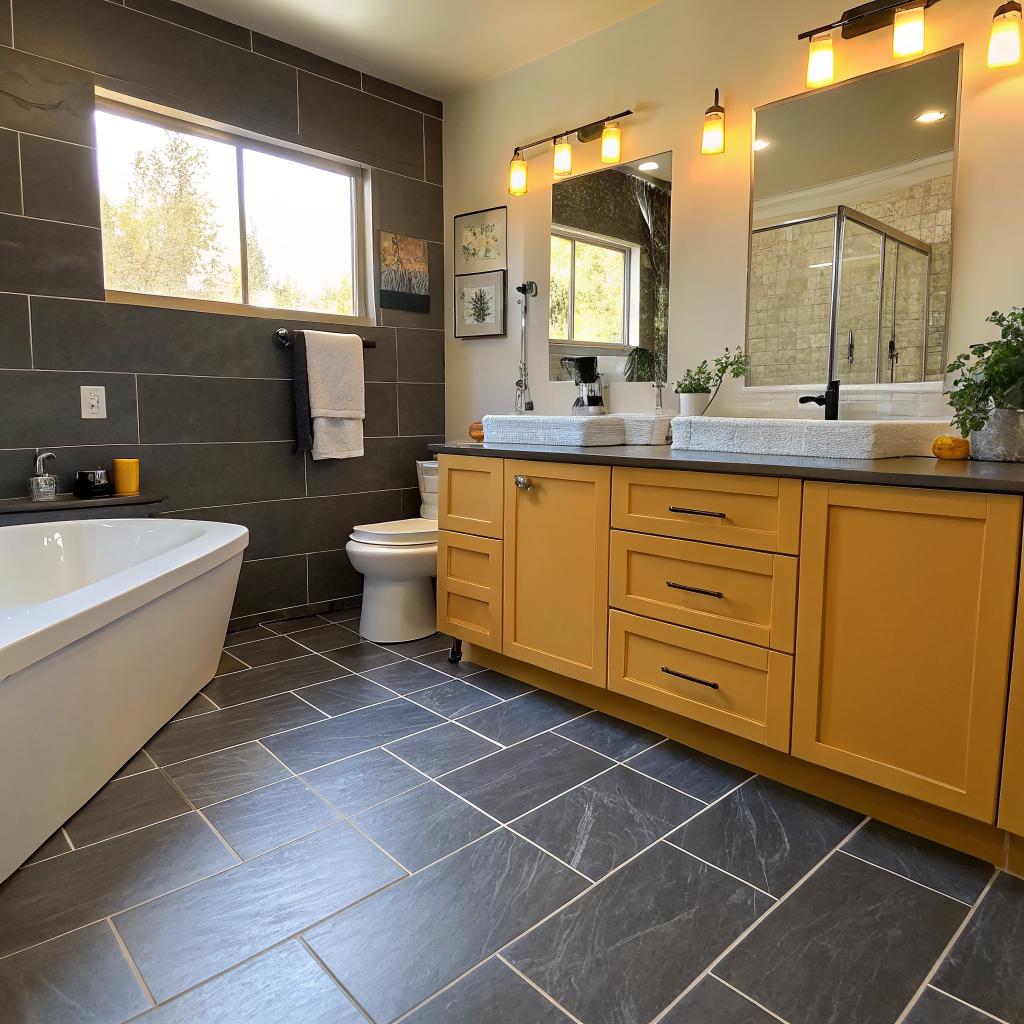
So, you are trying to find Scottsdale bathroom remodel ideas that really elevate your floors and not just the vanity or the paint on the walls. The direct answer is that you get better bathroom floors in Scottsdale by choosing the right material for the desert climate, planning a solid subfloor, and pairing that with smart layout, lighting, and color choices that make the floor the main design element instead of an afterthought.
In other words, your floor is not just a surface you walk on. In a bathroom, it affects everything: comfort, cleaning, resale, and how “rich” or cheap the whole room feels. Scottsdale homes also deal with very dry air, dust, big temperature swings, and a taste for clean, open interiors. So if you take the time to pick the right tile or plank, prep the base properly, and think about how light and grout will look, you usually end up with a bathroom that feels calm and expensive, even if the budget is not massive.
Here are some things you need to know before you start calling contractors or walking into showrooms.
- Tile is still the safest choice for bathroom floors in Scottsdale, but not all tile feels good under bare feet.
- Large tiles and long planks make bathrooms feel bigger, yet they require a flatter subfloor and better layout planning.
- Grout color can make or break the look of your floor, and it also affects how often you will notice dirt.
- Waterproof luxury vinyl and porcelain that looks like stone or wood are usually more practical than real wood or natural stone for busy homes.
- Warm floors, either radiant heat or heated mats, are worth thinking about even in Arizona, especially in tiled, north-facing, or windowless baths.
- The best Scottsdale bathroom remodel results come from matching the floor to the rest of the house, not treating the bathroom as a separate style universe.
- Lighting, mirrors, and wall color should be chosen after you settle on the floor, not before.
If you want to jump straight into planning and you already know you want pros to handle it, you can look at a local Scottsdale bathroom remodel company that focuses heavily on flooring design. But let us walk through the ideas first, so you know what you are asking for and you do not get pushed into a generic package.
How Scottsdale climate affects bathroom flooring choices
Scottsdale bathrooms are not the same as bathrooms in a small coastal town or a humid northern city. The climate shapes what works long term.
You have:
- Hot, dry summers with strong sunlight
- Cooler nights and some cold mornings in winter
- Dust that finds its way into every tiny gap
- Lots of households with pools, where people track in water and pool chemicals
So the floor has to handle:
- Thermal movement from temperature changes
- Occasional puddles from showers, kids, or pets
- Cleaning products, sunscreen, hard water, and sometimes chlorine traces
- Very frequent sweeping or vacuuming of dust
That means some materials sound nice in theory but are risky in practice.
If you want a bathroom floor that ages well in Scottsdale, focus on stability, water resistance, and ease of cleaning before you fall in love with a look on Instagram.
Best floor materials for Scottsdale bathrooms
Here are the main flooring options and how they behave in a Scottsdale bathroom. I will keep this practical and skip the sales language.
| Material | Water resistance | Heat / sun response | Comfort underfoot | Maintenance needs | Good for resale? |
|---|---|---|---|---|---|
| Porcelain tile | Excellent | Very stable | Cool, hard | Simple, mostly about grout care | Yes, very |
| Ceramic tile | Very good | Stable | Cool, hard | Simple, watch for chipping | Yes |
| Natural stone (travertine, marble) | Good but porous | Can crack if installed poorly | Cool | Sealing and stain care needed | Yes, if maintained well |
| Luxury vinyl plank / tile (waterproof) | Very good | Can expand with heat | Softer, warmer | Easy, light cleaning | Good in mid-range homes |
| Engineered wood | Fair, not fully waterproof | Moves with humidity | Warm, pleasant | Needs gentle cleaning | Mixed, depends on buyer |
| Solid hardwood | Poor for wet areas | Prone to gaps and cupping | Warm | High | Often seen as risky in baths |
| Laminates (non-waterproof) | Poor | Edges can swell | Moderate | Needs careful cleaning | Weak in a bathroom setting |
If you care about realistic Scottsdale use, porcelain and quality waterproof vinyl usually win. Stone can be beautiful, but it needs more care and better sealing, and not every homeowner will stay on top of that.
Tile ideas that make your floor the star
Most Scottsdale bathrooms still use some form of tile. The challenge is to avoid the bland, builder-grade look.
Large format tile for a cleaner look
Large tiles can make a typical Scottsdale bathroom look bigger and calmer. But they do demand a flatter subfloor, and that adds some cost.
Here is what tends to work:
- 24 x 24 inch square porcelain tiles for a modern grid look
- 12 x 24 inch rectangles laid in a stacked pattern, not a brick offset, to avoid lippage
- Large tiles that continue from the bathroom floor into the shower pan (with cut pieces for slope)
If your existing floor is not very flat, a contractor might need to use a leveling compound. Many homeowners fight that extra cost at first. I did the same once in my own remodel and later regretted not letting them level more. Every time your bare foot feels a sharp edge, you remember that decision.
If you choose large format tile but skip proper leveling, small ridges and raised edges will be obvious every morning when you step out of the shower.
Wood look tile in a desert home
Wood look porcelain is extremely common in Scottsdale right now. That can be good or bad. Good, because it is practical and familiar. Bad, because it can look fake if you pick the wrong pattern or install it poorly.
To keep wood look tile from feeling cheap:
- Pick planks with variation in pattern so every piece does not repeat every few feet.
- Avoid extreme high-contrast grain if you want a calm spa mood.
- Use a narrow grout joint with a matching color.
- Run the “grain” in the same direction as the rest of the house flooring if possible.
If your hallway already has real wood or engineered wood, aligning directions helps rooms feel related, not chopped up.
Patterned tile for bold Scottsdale bathrooms
Not everyone wants a minimal spa space. Patterned cement-style tile, or porcelain that mimics it, can add interest on the floor while walls stay simple.
A few notes from projects I have seen:
- Patterned floors work best in smaller bathrooms or powder rooms, where the visual punch is short and sharp.
- If you cover both the floor and the entire shower with busy pattern, it can feel cramped.
- Keep the vanity and wall colors neutral if the floor is loud.
Think of it less like wallpaper and more like an area rug that you never have to wash.
Porcelain that mimics Scottsdale stone and concrete
Many Scottsdale homes lean into muted neutrals, stone, and light concrete looks. Porcelain tile that mimics limestone, travertine, or smooth concrete fits that very well.
Pros:
- Lighter colors keep the bathroom from feeling cave-like, especially if there is no window.
- Soft beige, greige, or warm gray pairs well with both dark and light cabinetry.
- Porcelain versions are less porous than real stone and do not need sealing as often.
One common mistake is going too light and glossy. On paper it sounds clean and bright. In real life, ultra light glossy floors show every hair, every dust speck, and every water streak.
If you live with kids, pets, or dark hair, pick a floor with a bit of movement and mid-tone color so daily dust and hair are less visible.
Finishes: matte vs polished vs textured
Finish matters as much as the tile color.
- Matte: Best traction for wet feet, hides smudges, feels more relaxed.
- Polished: Reflective, looks nice in photos, but can be slick and shows spots.
- Textured / grip: Good for shower floors, but might be harder to mop if texture is heavy.
A common compromise is:
- Matte tile on the main bathroom floor
- Slightly more textured version of the same tile on the shower floor
That way the whole room feels consistent, but you have more grip where you need it.
Grout choices that change everything
Grout sounds like a small detail. It is not. In a light-filled Scottsdale bathroom, grout lines can either create a calm grid or a busy checkerboard.
Consider these points:
- Color match vs contrast: Matching grout color to the tile gives a softer, almost seamless effect. A contrasting grout draws the eye to each tile.
- Joint width: Narrow joints (1/16 or 1/8 inch) look more modern and reduce visible grout area. Wider joints can fit rustic styles but show more dirt.
- Grout type: Premixed or epoxy-style grout can resist staining better, but cost more. Cement grout is more common and cheaper.
For most Scottsdale bathrooms, a narrow grout joint with a color just a shade darker than the tile works well. Dust and hard water stains blend better into slightly darker grout than into a harsh white.
Subfloor prep: the boring part that still matters
Most people do not want to talk about subfloors. That is fair. It is not pretty. But if the floor structure is weak or uneven, you will end up with cracked tile, hollow sounds, or planks that separate.
Quick checklist to discuss with your contractor:
- Is there any previous water damage around the toilet or shower curb?
- Is the subfloor wood or concrete?
- Do they plan to install cement board or a waterproof underlayment?
- Will they use a crack isolation membrane if your slab has existing cracks?
For Scottsdale homes on slab, cracks are common. They are not always dangerous, but tile laid right across an active crack can telegraph that crack into the tile later.
You do not need to become an expert, but you should ask basic questions. If a contractor brushes those off as unimportant, that is a small red flag.
Luxury vinyl in bathrooms: when is it a good idea?
Waterproof luxury vinyl has gotten better in the last few years. It can mimic oak, hickory, or stone, and it feels a bit softer than tile, which some people appreciate.
Good situations for waterproof vinyl in a Scottsdale bathroom:
- The rest of your home already has luxury vinyl, and you want continuity.
- You prefer warmer, quieter floors under bare feet.
- You are remodeling for rental or mid-range resale, and durability and cost matter more than bragging rights.
Things to keep in mind:
- Confirm it is truly rated as waterproof, not just water resistant.
- Check how it handles heat, especially near sunny sliding doors or large windows.
- Pay attention to transition details around the shower and tub so water does not sneak under planks.
If you like long, wide plank looks, vinyl can give you that continuous, low-grout appearance that makes small baths feel bigger.
Connecting bathroom floors with the rest of your home
Scottsdale homes often have open layouts, with views from bedrooms into bathrooms, or from hallways into powder rooms. A sharp change in flooring can break the flow.
Here are some ways to keep things connected:
Color families that relate
You do not need the same material in every room, but similar undertones help. For example:
- If your living room has warm oak floors, pick a bathroom tile with warm beige or light brown movement.
- If your main floors are cool gray, aim for tile or vinyl with subtle gray veining or a soft concrete shade.
You can test this by holding floor samples next to each other in the same light. If one makes the other look dirty or yellow, they might fight each other.
Thresholds and transitions
Awkward transitions ruin good flooring work. The old, chunky brass strip at the doorway is not your only option.
Better options:
- Low-profile metal transitions in a brushed nickel or black that match your fixtures.
- Wood reducers stained to match adjacent hardwood or vinyl.
- Tile edging strips that finish cleanly where tile meets carpet or plank.
In some cases, especially between a bedroom and its bathroom, you can install floors at the same height and skip a noticeable transition altogether.
Floor layouts that change how the room feels
The pattern of how you lay your floor matters more than many people expect. It can fix or worsen the proportions of the bathroom.
Direction of planks and rectangular tile
A simple rule that works most of the time:
- Run planks or rectangular tiles in the direction you walk into the room.
That tends to make the room feel deeper. If you turn them sideways in a narrow bathroom, it can feel shorter and more cramped.
In long, narrow Scottsdale bathrooms, running tiles lengthwise can reduce that bowling alley feeling. I have seen the same bath with sample boards turned both ways, and it feels like a different space.
Herringbone or chevron accents
If you want to do something more tailored without going full pattern tile, a herringbone area in front of the vanity can look very “finished.”
You can:
- Lay a herringbone rectangle just in the vanity zone, with straight-laid field tile everywhere else.
- Use a slightly contrasting grout to show off the pattern.
Just keep in mind that special patterns cost more in labor. They take more time and more cuts.
Heated floors in a desert city: worth it or not?
People sometimes assume radiant heat does not make sense in Scottsdale. The air outside gets hot, so why warm the floor?
But tile floors can feel very cold first thing in the morning, especially in bathrooms facing away from the sun, or in winter when nights dip low.
Heated floors make sense if:
- You are already opening up the floor during a remodel.
- You like to walk barefoot and hate cold tiles.
- You plan to stay in the home for several years and actually value comfort over pure ROI.
Electric heat mats are the most common option in bathrooms. They sit under the tile and connect to a wall thermostat.
If you are splurging only in one place, heated floors often feel like a smarter daily luxury than an overly expensive faucet that you barely notice after the first month.
Slip resistance and safety without making it look like a gym
Nobody loves the idea of slipping in the bathroom, especially around kids or older family members. At the same time, many “non-slip” products used in commercial spaces look harsh.
You can get more grip in softer ways:
- Use smaller tiles on the shower floor so more grout lines add texture.
- Pick a matte or honed finish instead of polished.
- Add bath mats only in key spots, and choose mats with simple, low-profile designs.
Some porcelain lines have slip ratings. If you are dealing with aging in place, you can ask about those specifically and still stay in a residential, attractive style.
Lighting choices that honor the floor you just paid for
If your new floor is the design anchor, you want lighting that helps it, not fights it.
Ideas that work well in Scottsdale bathrooms:
- Recessed lights placed near the mirrors and along the main traffic path.
- Under-vanity LED strips that wash soft light across the floor at night.
- A dimmer so you can go from bright, task lighting to soft, spa-like mood.
Under-vanity lighting is a small touch that shows off patterned, textured, or stone-look floors very nicely. At night, it acts like a low night-light, so you do not have to turn on a harsh overhead.
If you pick very reflective tile, be careful with super strong downlights. They can create glare spots that are hard on the eyes and that highlight any streaks or water spots.
Color schemes that support the floor instead of fighting it
Since this article is about elevating floors, the floor should drive the rest of the palette, not the other way around.
You can treat the floor in one of three basic roles:
The floor as the main character
This is when you choose patterned tile, strong veining, or bold color.
In that case:
- Keep vanity finishes simple, like white, black, or natural wood.
- Use quiet wall colors, usually white or soft gray/beige.
- Limit extra patterns in the shower or on textiles.
The floor handles the design drama, and everything else stays calm.
The floor as quiet support
This is common with soft stone look tile or wood look.
Here, you can:
- Use a more expressive vanity color, like muted navy, forest green, or charcoal.
- Add a feature wall in the shower, maybe with vertical stacked tile.
- Play with interesting mirrors and lighting.
The floor fades into the background and lets fixtures and walls do the talking.
The floor as a link between spaces
Sometimes the goal is continuity with other rooms more than a bathroom showpiece. Then:
- Pick a floor color that sits between your main living floors and the shower tile.
- Match metal finishes across door hardware, faucet, and light fixtures so it all feels cohesive.
This approach is subtle but it makes the house feel calmer as you move through it.
Realistic budgeting for elevated bathroom floors
Costs move around a lot, but it helps to know roughly where floor upgrades can fall into your bathroom remodel budget.
Here is a very general range just for flooring labor and materials, not counting cabinets, plumbing, or walls. Numbers can swing based on material brands and contractor rates, but this gives context.
| Scope | Material range | Approx. cost range (flooring only) |
|---|---|---|
| Small powder room, basic porcelain tile | Mid-range porcelain | $800 – $1,800 |
| Standard full bath, upgraded porcelain or LVP | Good-quality tile or vinyl, simple layout | $1,800 – $3,500 |
| Primary bath, large format tile, some leveling | Large porcelain, upgraded grout, transitions | $3,500 – $7,000 |
| Primary bath, stone look, heated floors | Premium porcelain/stone, heat mats | $6,000 – $10,000+ |
If a quote seems far below those numbers for similar scope, it could be a sign that corners might be cut on prep, grout, or layout details. That is often where problems show up later.
Small Scottsdale bathrooms: tricks to make them feel bigger through flooring
Not every home in Scottsdale has a spa-sized primary bath. Many townhomes and smaller houses have tight spaces. Flooring can help them feel less cramped.
Some straightforward tricks:
- Use large tiles and minimize cuts where you can, which reduces visual clutter.
- Run the floor continuous under a floating vanity to show more tile and more floor area.
- Keep the same floor tile inside and outside the shower, with a subtle change for slope, so the room reads as one surface.
Glass shower panels instead of framed doors also let you see the floor deeper into the room, which makes the bath feel larger.
Common mistakes to avoid when focusing on bathroom floors
Let me be blunt for a moment. People often obsess over fancy fixtures and skip basics on the floor. That almost never works well in the long term.
Here are some mistakes that show up a lot:
- Choosing a polished floor tile just because it looks glamorous in a showroom, then hating the slipperiness and water marks at home.
- Ignoring subfloor issues to save money, then dealing with cracked tiles or hollow sounds a year later.
- Picking grout that is too light and then scrubbing stains every weekend.
- Choosing a busy patterned floor and an equally busy shower wall at the same time.
- Not thinking about how the bathroom floor color interacts with the hall or bedroom floor.
If you catch yourself getting pulled into fixture catalogs and forgetting about the floor plan and tile layout, slow down a little. Floors and walls are harder to change later than a faucet or mirror.
How to talk to contractors about the floor so you get what you actually want
Many homeowners feel rushed or overwhelmed when discussing flooring with contractors. You do not need to know all the technical language, but you can be clear about a few key expectations.
Try to bring:
- A couple of photos that show the kind of floor vibe you want, not just the exact tile.
- Basic preferences, like “no slippery surfaces,” “easy cleaning,” or “must match existing wood tones.”
- A rough idea of your budget range for flooring, separate from the whole remodel.
Questions you can ask directly:
- “How will you handle cracks in my slab before laying tile?”
- “What grout joint width do you recommend for this tile, and why?”
- “Can you show me how the tile will be laid out starting from the doorway?”
- “Do you plan to run the same floor into the shower, or change it? What is the benefit of either choice?”
If the answers are vague or dismissive, it might be worth getting a second opinion. Floors are not something you want done twice.
Is it worth prioritizing the floor in a Scottsdale bathroom remodel?
One last question that often comes up is whether the floor should be the main focus compared to vanity, shower, or lighting.
Here is a simple way to look at it:
- If your existing floor is dated, cracked, or very hard to clean, changing it usually has a bigger daily impact than upgrading a mirror or faucet.
- In resale, buyers pay attention first to surfaces and space. Floor condition, grout cleanliness, and overall feel matter a lot.
- Floors affect how every step in your routine feels, from your first step out of bed to your last shower at night.
So yes, in Scottsdale, where people often value clean, open, and bright interiors, treating the bathroom floor as a core design decision makes sense.
Let me end with the question many homeowners quietly think:
Is tile always better than vinyl for a Scottsdale bathroom floor?
The honest answer is no, not always. Tile is usually better for long-term durability, higher-end homes, and direct wet areas like large walk-in showers. But quality waterproof vinyl can be the smarter pick if you are working with a tighter budget, want a warmer surface, or are matching extensive vinyl floors in the rest of the house.
If you hate cold floors and want a wood look with less worry about grout, vinyl might suit you. If you want a classic, solid feel and the best impression for buyers who expect tile, then porcelain tile is still the safer bet.
So ask yourself: how do you live in this bathroom day to day, and which floor will quietly make that routine easier and more pleasant for the next ten years?