
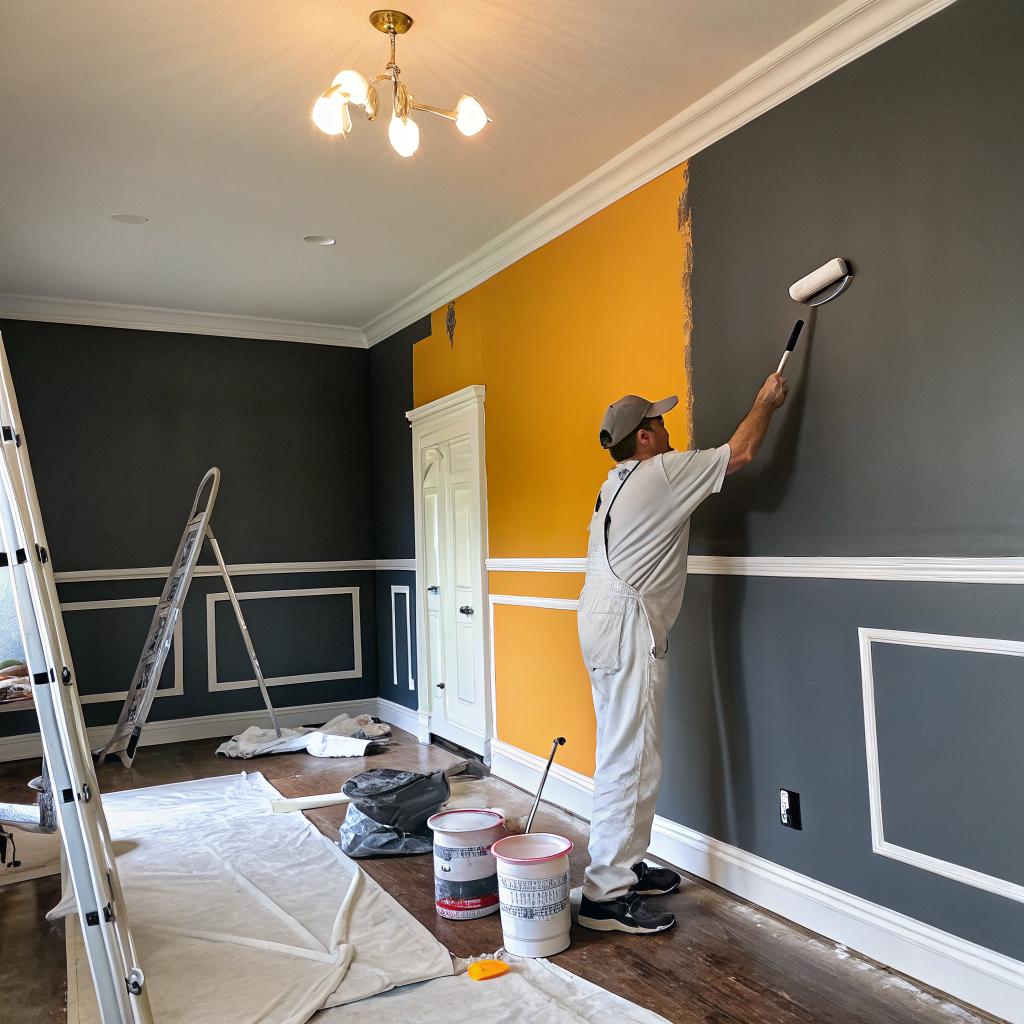
So, you are trying to hire the best interior painter in Huntley IL for makeovers in your home, and you want to get it right the first time. The direct answer is simple: look for a local, reviewed interior painter Huntley IL that shows proof of quality work, clear pricing, strong prep skills, and respect for your home and schedule.
That sounds a bit dry, I know, but this is really what it comes down to. Paint is one of the most visible things in your house. It affects how your floors look, how your cabinets feel, and even how big or small a room seems. If the painter cuts corners, you will stare at those flaws every single day. On the flip side, when a room is painted well, with clean lines along the trim and consistent color that fits your flooring and furniture, the whole space suddenly feels updated, even if you have not changed anything else.
- Check local reviews and references, not just photos on a website.
- Ask direct questions about prep, products, and schedule.
- Match paint colors and finishes to your floors, trim, and lighting.
- Get a written estimate that explains what is and is not included.
- Make sure they protect flooring and clean up every day.
- Do a final walk through and speak up about touch ups.
Why interior paint makes such a big difference in a makeover
When people think of home renovation, they often picture new floors or a full kitchen remodel. New flooring is a big change, of course, but fresh paint changes how that new floor looks and feels. If you update one and ignore the other, the result can feel a bit off.
I have seen this happen more than once. Someone installs beautiful hardwood, then leaves old, yellowed wall paint. The floor looks newer, but the walls drag the room back in time. Or the opposite: rich wall color, but faded carpet with stains. The space still feels tired.
A good makeover usually treats paint and flooring as a pair, not two separate projects that do not talk to each other.
You do not need a full house renovation every time, but you should at least think about how wall color, trim, and flooring play together. A skilled interior painter will talk about this with you, not just ask “What color?” and walk away.
Things you need to know before you start calling painters
1. Decide what kind of makeover you actually want
Before you start searching online or asking neighbors for names, spend a little time figuring out what you want from this project. Do you want a total change, or just a refresh of what you already have?
A few questions to ask yourself:
- Are you keeping your current floors, or planning to change them soon?
- Do you want all rooms painted, or just a few key spaces?
- Are you okay with strong color, or do you prefer light neutrals?
- Is this for you, or are you preparing to sell?
If you are planning new flooring in six months, you might not want to spend a lot on detailed wall repairs in those areas yet. Or you might want to get the floors done first, then paint, so you do not risk scratching fresh hardwood with ladders and tools. Not every painter will guide you through these decisions, but the better ones usually ask.
Tell the painter your long term plans for the house, not just the color you picked this week.
2. How interior paint and flooring affect each other
Paint color does not live alone. It sits next to wood tones, tile, carpet, rugs, cabinets, and furniture. If you ignore that, you can end up with a nice color that just does not fit your home.
Here is a simple way to think about it, without getting lost in “color theory” talk.
| Floor Type / Look | Wall Color Approach | Common Mistake |
|---|---|---|
| Dark hardwood | Lighter, warm neutrals or softer colors to keep the room from feeling heavy. | Choosing very dark walls so the whole space feels small and flat. |
| Light hardwood | Warm whites, soft grays, or muted colors for contrast. | Very cool gray walls next to warm floors, which can look mismatched. |
| Gray tile | Check the undertone, then pick paint in the same family. | Mixing blue gray paint with green gray tile so the room feels off. |
| Beige carpet | Greige or off white that leans slightly warm. | Pure white walls that make the carpet look old and dirty. |
Ask your painter how they test colors with your floors. A careful painter will suggest placing paint swatches or small sample spots right next to the baseboard and looking at them during different times of day.
How to find a reliable interior painter in Huntley IL
3. Start local, but do not stop at Google
Typing “interior painter Huntley” into a search bar is a decent start, but it will give you a mix of large companies, small crews, and sometimes people who only painted a few jobs. You need to filter that list.
Use more than one source:
- Ask neighbors or local friends who recently painted, especially if their style is similar to yours.
- Check Google and Yelp, but focus on detailed reviews, not just star ratings.
- Look at Facebook community groups for names that come up more than once.
Do not ignore one or two bad reviews, but read them carefully. Sometimes they are about small miscommunications, and sometimes they reveal real problems like no-shows or sloppy cleanup. You want patterns, not single stories.
4. What to look for on a painter’s website or profile
When you click through websites or social pages, pay attention to a few things beyond the “before and after” photos.
- Do they mention actual local areas like Huntley, Algonquin, Lake in the Hills, or nearby towns, not just “Chicagoland” in general?
- Do they talk about prep work, patching, caulking, and primer, or only about “fast” results?
- Do photos show neat edges, covered floors, and ladders on drop cloths?
- Is there a way to contact them that feels direct, like a phone number or a simple form?
If all you see is flashy text and no real information about how they work, that is a small red flag. It does not mean they are bad, but it suggests they focus more on marketing than on sharing their process.
Questions you should ask before hiring
5. Ask about their process, not just the price
When you speak with a painter, listen to how they describe their work. You do not need fancy industry terms, but you should hear a clear plan.
A good interior painter can explain what they do in plain language, step by step, without making you feel silly for asking.
Some practical questions:
- How do you protect my floors and furniture?
- Who will actually be in my home, and how big is the crew?
- What prep work is included in your price?
- What brands and finishes of paint do you usually use, and why?
- How many coats of paint do you plan for these rooms?
- What is your normal workday schedule? When do you start and finish?
If the painter struggles with these questions, or answers with very vague “We do it all, do not worry,” that is not a great sign. They might still do okay work, but you are taking more of a risk.
6. Make sure they match the paint to your home, not a random trend
Trends come and go. A few years ago, everything was gray. Now, people are moving toward warmer whites and softer tones. None of that matters if the color does not fit your current floors, trim, and light.
Ask the painter:
- Will you sample a few colors on the wall before we decide?
- Can you help pick a sheen that works with our flooring and lifestyle?
- How do you handle color changes if we hate the first choice?
You also want to talk about finish. For example:
| Surface | Common Finish | Why it matters |
|---|---|---|
| Walls in living areas | Matte or eggshell | Helps hide minor wall flaws; eggshell is easier to wipe. |
| Bathrooms and kitchens | Satins or semi gloss | Better for moisture and cleaning. |
| Trim and doors | Semi gloss | More durable and gives a sharper edge against flooring. |
| Ceilings | Flat | Hides marks and surface unevenness. |
Your floors matter here because glossier finishes can reflect floor color. For example, a shiny white trim next to dark hardwood creates strong contrast and shadows. Some people love that crisp look, while others feel it is too sharp. Your painter should at least bring this up.
Understanding estimates and contracts
7. What a clear interior painting estimate should include
When you get an estimate, you should not be left guessing what you are paying for. A good estimate might not be perfect, but it should cover the main points.
Look for:
- Which rooms and surfaces are included (walls, ceilings, trim, doors)
- How many coats of paint they plan to apply
- Whether primer is included and where
- Basic prep work like nail hole filling, caulking, light sanding
- Paint brand and product line
- Who buys the paint, and in what quantity
- Start and approximate finish dates
- Payment schedule
Be wary of one line quotes like “Whole house: $X” with no breakdown. That kind of quote makes it easy for misunderstandings later, especially if you thought ceilings were included and they thought they were not.
8. Price ranges and what they might mean
I will be honest: low prices feel attractive at first. But if one quote is far below the others, there is usually a reason.
| Price level | What it might mean | What to ask |
|---|---|---|
| Much lower than others | Less prep, cheaper paint, rushing the job, or missing items in the quote. | “Can you explain what is not included in this price?” |
| Middle range | Standard quality, typical for a careful small crew. | “What prep and number of coats are part of this price?” |
| Higher than others | More prep, better materials, extra services, or higher overhead. | “What do you include that the cheaper quotes do not?” |
There is no single right price, but the conversation around the price tells you a lot. A good painter can justify their cost in clear terms. If they get defensive or vague when you ask, that is not a great sign.
Prep work: the part you do not see but always feel
9. Why prep is often the real difference between bad and great
Most people judge paint jobs by color and straight lines. That makes sense. Prep gets less attention because it is kind of boring to watch someone sand walls or tape off baseboards. Still, prep is where most good painters spend a lot of their time.
If a painter tells you they can start painting right away with almost no prep, you are not getting a real makeover, just a quick cover up.
Common prep tasks for interior painting:
- Repairing nail holes and small dings
- Patching cracks in corners and along ceilings
- Caulking gaps between trim and walls
- Light sanding of glossy surfaces
- Priming stained or patched areas
- Cleaning greasy or dirty spots, especially in kitchens
When prep is done well, the final finish looks smoother, even if your walls are not perfect. Your floors also benefit, because a careful painter will tape the baseboards, lay down drop cloths, and protect transitions between rooms.
10. How painters should protect your floors and cabinets
Since this article also speaks to people interested in flooring, it is worth being a bit picky here. Good interior painters act as if they are working on top of brand new hardwood or tile, even if your flooring is older.
Ask your painter:
- Do you cover the entire floor or just a narrow strip near the wall?
- What kind of drop cloths do you use, and do you tape plastic where needed?
- How do you handle stairs and tight hallways?
Plastic can be slippery, especially on stairs. Heavy canvas drop cloths tend to stay in place better. On new hardwood or luxury vinyl planks, some painters also lay down a soft paper or rosin paper and tape only to the baseboards, not the floor itself, to avoid pulling finish.
Working around furniture, kids, and daily life
11. Planning the schedule so your home still functions
One of the most stressful parts of interior painting is the disruption. You lose access to rooms, furniture is wrapped or moved, and you may have kids or pets who do not understand why they cannot touch that wall.
Talk with the painter before you sign:
- Which rooms will you do first, and in what order?
- Can you finish certain key rooms earlier, like the kitchen or a home office?
- How do you ventilate during painting, especially in winter or very hot days?
- Do you clean up and move tools each day, or leave them set up?
Some painters are flexible and can work around school runs or remote work schedules. Others have a tighter structure. Neither is right or wrong, but you should know what to expect.
12. Working around new flooring projects
If you are also planning new floors, timing matters. There is no perfect rule, but a few patterns show up often.
- If you are replacing flooring soon, many painters prefer to paint walls and ceilings first, so they do not have to protect old floors heavily.
- Trim and baseboards are sometimes better painted after new floors go in, especially if baseboards are getting replaced or adjusted.
- If floors are already new, ask the painter to double up floor protection around doorways and traffic zones.
This is one of those areas where different trades sometimes blame each other for damage. Clear communication helps. Do not be shy about asking the painter and the flooring installer to talk directly, even for a few minutes.
Color choices that work well with common Huntley homes
13. Looking at the style of your house
Huntley has a mix of newer subdivisions, townhomes, and a few older places. While every home is different, some patterns show up. Many homes have open floor plans where the living room, kitchen, and dining areas connect. In those cases, picking one main neutral color for the big spaces, then using accent colors in smaller rooms, usually works better than a different color every ten feet.
When talking to your painter about color, consider:
- Main living spaces: soft neutral that works with your wood tones and floors
- Bedrooms: calmer shades, slightly darker is fine since you do not need them super bright
- Bathrooms: light colors that feel clean next to tile and fixtures
- Basements: warmer tones, because below grade spaces often read cooler and darker
Bring photos of rooms you like, but also bring a simple list of what you dislike. Sometimes it is easier to say “no” than “yes,” and that still guides the painter.
14. How lighting changes what you see
Color shifts through the day. Morning light, afternoon light, LEDs, warm bulbs, north facing rooms, basement rooms with small windows, it all changes paint. A color that feels “off white” in a store can look fully beige in a dim hallway.
Ask your painter to place sample spots:
- Next to windows and in darker corners
- Near flooring transitions, like from carpet to tile
- Close to big items you are keeping, like a sofa or large rug
Live with the samples for at least a day or two. Look at them early morning, midday, and at night with lights on. That small pause can prevent costly repaints later.
Evaluating the finished work
15. What a good interior paint job should look like
When the painter says they are done, do not rush the final check. It is easier to get touch ups handled while their tools are still on site.
Walk room by room and look for:
- Consistent color with no obvious roller lines or thin spots
- Clean cut lines along ceilings, baseboards, and around outlets
- No paint drips or heavy ridges on trim
- All outlet covers and switch plates reinstalled
- Floors and counters free of splatters
Remember that walls are rarely perfect, especially in older homes. You will still see some dents or waves from certain angles. The goal is not perfection, but honest, careful work that clearly improved the space.
16. How to handle small issues after they leave
No painter is perfect, and real life happens. Maybe a chair bumps the wall during move back, or you find a small missed spot behind a door a week later. Good painters expect a “punch list” of small items.
A simple way to handle it:
- Make a written list room by room.
- Take photos if it helps describe the problem.
- Send it once, clearly, instead of several scattered messages.
- Agree on a short visit for touch ups.
If you kept a small amount of leftover paint labeled by room, minor scuffs can sometimes be fixed on your own later. Just do not spot paint with a different sheen or color, that usually looks worse.
Common mistakes people make when hiring interior painters
17. Focusing only on speed
It is tempting to pick the painter who promises to be “in and out” in no time. Sometimes that works, especially in small spaces, but fast and careful are not always friends. Short project times can mean less prep or fewer coats.
A better approach is to ask: “How long do you expect this to take, and what happens each day?” Then judge the answer by how thoughtful it is, not how short it is.
18. Ignoring how you feel about the communication
If something feels off during the estimate stage, it rarely gets better later. Maybe the painter is late to appointments, or gives vague answers, or pressures you to decide right away. Those habits sometimes follow into the project.
On the flip side, some of the best painters are not smooth talkers. They might be a bit direct, or not polished with words, but they show up when they say they will, listen well, and follow through. I would trust that person more than someone who talks perfectly but does not answer emails.
19. Not connecting paint plans with future flooring or renovations
A lot of people treat painting as a quick fix, then a year later decide to change floors, trim, or cabinets. That is fine, but it might mean redoing some of the paint work. If you already suspect you will change flooring or do a kitchen remodel soon, bring that up.
A thoughtful painter can help you decide whether to:
- Do only certain rooms now and save others for later
- Pick a neutral wall color that fits both your current and future floors
- Hold off on painting baseboards until new floors go in
This kind of planning saves money and keeps your home from feeling like a constant project zone.
How to keep your newly painted rooms looking fresh
20. Basic care so your makeover lasts longer
Once the paint is dry and the room is back together, a little care goes a long way. You do not need special products, but you should be a bit careful with cleaning, especially in the first month.
- Dust walls and trim with a dry cloth or soft brush instead of harsh scrubbing.
- Use mild soap and water for marks, and test in a small spot first.
- Avoid taping things directly to freshly painted walls for several weeks.
- Add felt pads under furniture to avoid scraped baseboards.
Regular vacuuming or sweeping also helps protect baseboards from dings, especially where floors and walls meet. That small detail is where people often first notice wear.
Q & A: Common questions about hiring an interior painter in Huntley IL
How many quotes should I get?
Often, two or three solid quotes are enough. If you gather more than that, the details start to blur and it becomes hard to compare. Focus on the painters who answer questions clearly and whose references check out.
Should I buy the paint myself?
You can, but it is usually better to let the painter handle it. They know how much to buy, can often get better pricing, and understand which product line works for your walls and trim. If you do want a particular brand, just talk about it upfront.
Do I have to move all my furniture?
Most painters move light and medium furniture away from walls, but they usually ask you to clear small items, art, and electronics. Large pieces like pianos or very heavy cabinets are often left in place and painted around. Clarify this before the job starts so nobody is surprised.
Is it worth paying extra for higher quality paint?
In many cases, yes. Better paint can give you richer color, better coverage, and easier cleaning. Over several years, that can matter more than the small up front price difference. That said, very premium lines are not always needed in low traffic rooms. Ask for a good mid to upper range product for most spaces, and maybe a stronger option in busy areas like hallways and kitchens.
What if I pick the wrong color?
It happens. This is why samples on the wall are so helpful. If you still hate it after the room is painted, talk honestly with the painter. Some will offer a discount on repainting if it is a quick color change and not a major product switch. Not every painter can do that, but asking is reasonable.
How early should I book a painter in Huntley IL?
Spring and early summer often fill up fast, especially for well known local painters. If you have a target date, try to reach out at least a few weeks in advance. For bigger whole house projects, more lead time is better. Still, do not rush into the first open slot if the painter does not feel like a good fit. Waiting a bit for the right person is usually less stressful than living for years with work you do not like.