
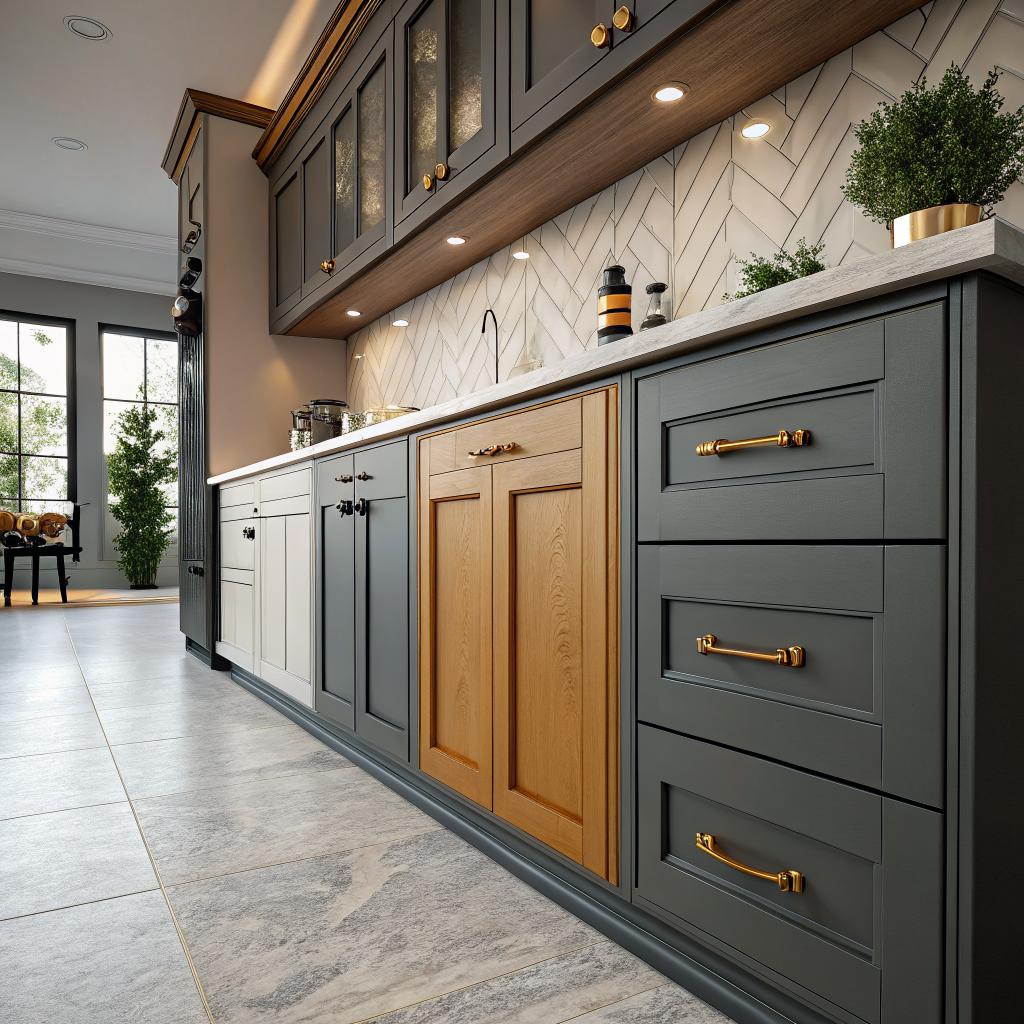
So, you are trying to figure out cabinet refinishing in Colorado Springs for a remodel, and you want a clear, practical guide. The short answer is that cabinet refinishing here usually means cleaning, light repairs, sanding, and spraying or brushing on a high quality coating that can handle our dry climate, with a realistic budget of about 2,000 to 6,000 dollars for a typical kitchen if you hire a pro.
The reason this matters so much is that cabinets sit right in the middle of your remodel. They touch the walls, the flooring, and the counters. If you get the color or the timing wrong, you can throw off the whole space. If you plan it well though, you can match your new floors, protect against Colorado Springs temperature swings, and avoid paying for full cabinet replacement. Since you are reading a site about flooring and renovation, it makes sense to treat cabinets as part of the whole room plan, not a side project.
- Cabinet refinishing is often cheaper and faster than replacement, but it is still a real construction step, not a quick DIY craft project.
- Colorado Springs climate matters: dry air, sun, and temperature changes affect products and cure times.
- Your flooring and cabinet schedule need to work together so you do not damage one while working on the other.
- Sprayed finishes usually give a smoother, more “factory” look than brushed finishes, but both can work if done well.
- Prep is everything: cleaning and sanding matter more than the label on the paint can.
- You need a plan for your kitchen or bath to be out of service for some days, sometimes more than a week.
If you want a professional option to compare to DIY, you can look at cabinet refinishing Colorado Springs services and use their scope as a benchmark. That does not mean you have to hire anyone, but it does give you a sense of what a complete job looks like.
What cabinet refinishing actually means in a remodel
People use the word “refinishing” in different ways. Some mean a full strip down to bare wood with stain and clear coat. Others mean cleaning and painting over the existing finish. For most remodelers here, refinishing usually fits into three main paths.
| Type | What happens | Best for | Cost level |
|---|---|---|---|
| Painted refinishing | Clean, sand, prime, then paint with enamel or similar product | Older oak or maple cabinets, dated stain, mixed floors | Low to medium |
| Stain and clear coat refinishing | Strip old finish, sand to bare wood, stain, then clear coat | High quality wood you want to keep visible | Medium to high |
| Hybrid (doors replaced, boxes refinished) | New doors and drawer fronts, refinish or paint cabinet boxes | Damaged doors but solid boxes, bigger style change | High |
In real remodels, especially when you are also changing flooring, the painted path is the one that fits most budgets and timelines. It covers mismatched grains, hides wood filler, and lets you match new LVP or hardwood more easily.
For most Colorado Springs kitchens under 300 square feet, painted cabinet refinishing gives the best mix of cost, speed, and design flexibility.
I say that as someone who has seen people fight their oak grain for weeks, only to wish they had just painted from the start. If your cabinets are builder grade oak from the early 2000s, paint is usually your friend.
How Colorado Springs climate affects cabinet refinishing
People sometimes ignore climate when planning interior work, but here it matters more than you think. Our air is dry, the sun is strong, and temps swing from cold nights to warm days in some seasons. That affects how products dry and how they hold up next to windows, vents, and exterior walls.
Dry air and cure times
At first you might think dry air is good because things dry faster. It is a bit more complicated.
- Water based products can skin over fast on the surface, while staying soft underneath.
- If you stack doors or close cabinets too soon, they can stick together or print impressions from bumpers.
- Solvent based products can off gas more in closed, heated homes.
So yes, things feel dry to the touch, but that does not mean they are cured. When a pro here says a cabinet finish needs 7 to 30 days to fully cure, they are not trying to slow down the job. They just do not want your plates or knobs to leave marks.
Plan on treating your freshly refinished cabinets gently for at least two weeks, no matter what the product label claims.
Sun exposure and fading
Areas near large windows or patio doors sometimes yellow or fade faster. Painted whites can warm up, stains can lighten or shift. This can throw off that clean new look against your updated flooring.
If you know a bank of cabinets lives in direct sun for part of the day, you might pick slightly warmer whites or mid tones that age more gracefully, instead of ultra bright whites that show every bit of change.
Temperature swings
Garages and unheated basements are popular DIY workspaces for spraying doors. In winter or early spring here, that is a problem.
- Cold temps can stop products from curing correctly.
- Thick coats can sag when it warms up.
- Frozen or overheated products from the store shelf simply do not perform as they should.
This is one of the quiet advantages of hiring a pro who understands local conditions. They know which materials handle our lows and highs best, and they usually have a controlled spray area. But even if you are doing it yourself, you can plan around this and avoid painting in the coldest weeks.
How cabinet refinishing fits with new flooring
Since this site focuses on renovation and flooring, it makes sense to talk about scheduling and design choices that link cabinets and floors together.
What to do first: flooring or cabinets?
Contractors argue about this, and I think there is no perfect rule for every project. Still, there are patterns that help.
| Sequence | Pros | Cons | Best suited for |
|---|---|---|---|
| Refinish cabinets first | Less risk of paint on new floors, easier masking, more freedom to move ladders and tools | Old floors can get banged up but they are about to be replaced anyway | Projects that involve full floor replacement |
| Install floors first | You can match cabinet color precisely to final floor tone | Need strong floor protection, risk of scratches, more careful ladder placement | Partial flooring changes, or where cabinet color matching is very exact |
In many Colorado Springs kitchens, redoing cabinets first then replacing floors works best. Old vinyl, tile, or tired hardwood often acts as a sacrificial surface while you spray or paint. Then the new LVP, tile, or prefinished wood goes in at the end, when the messy work is done.
If you are planning both new floors and cabinet refinishing, do the messiest step first, as long as you know your color scheme ahead of time.
Coordinating colors with your floors
Here is where many remodelers overcomplicate things. You do not need an interior design degree, but you do need a plan.
Ask yourself three simple questions:
- Is the floor light, medium, or dark?
- Is the floor warm (more yellow/red) or cool (more gray/brown)?
- Do you want contrast or a blended look between cabinets and floors?
A few practical patterns that tend to work in Colorado Springs homes with the styles we see a lot (craftsman, newer suburban, mountain modern):
- Light LVP or oak floors pair well with soft white or light greige cabinets.
- Medium warm floors pair well with off whites, mushroom tones, or darker island cabinets.
- Dark floors often need lighter cabinets to avoid a heavy look, especially in kitchens with limited daylight.
I once saw a remodel where the homeowner picked dark espresso cabinets and dark walnut floors in a kitchen with one small window. It felt like a cave, even though the finish work was good. They later said they wished someone had questioned that choice. This is where I will push a bit: if you are tempted to mix dark floors with dark cabinets, pause and check your natural light first.
Step by step: typical cabinet refinishing process
Whether you hire a cabinet refinishing company or do it yourself, the broad steps are similar. The difference is in the products, tools, and care used at each step.
1. Assessment and planning
Start by looking at what you actually have, not what you wish you had.
- Check door and drawer alignment.
- Look for water damage near sinks and dishwashers.
- Check hinge screws for stripping.
- Note any peeling veneer or deep dents.
If the boxes are falling apart or you see major swelling from water, refinishing might be throwing good money at bad material. At that point, partial or full replacement could make more sense, especially if you are already paying for new floors and counters.
2. Cleaning and degreasing
This is the step many people rush, and it comes back to haunt them. Kitchens collect grease and residue over years, especially above cooktops and near handles.
Use a strong but safe degreaser, rinse well, and let the cabinets dry fully. If you skip or rush this, your primer will not grip well, and your nice new finish can peel with a fingernail or a bit of tape.
3. Removing doors and labeling
Take off doors and drawers, and label everything. You might think you will remember where each piece goes, but on day 5 it all looks the same.
Use painter tape or a small labeling system on the hinge side or inside edge. Take quick photos on your phone so you remember which door style goes where. That small step saves a lot of guesswork later.
4. Sanding and surface prep
Most cabinet refinishing in Colorado Springs uses a “scuff sand” method instead of grinding all the way to bare wood, at least for painted projects. The goal is to break the gloss and create a mechanical bond.
- Use fine grit sandpaper or sanding sponges.
- Vacuum and tack cloth the dust after sanding.
- Fill dents and old hardware holes before priming if you plan to change handle placement.
For stained refinishing, you will be sanding more aggressively or using chemical strippers. That is a bigger, messier job that many remodelers only choose when the wood itself is special and worth saving.
5. Priming
Primer acts as the bridge between the old finish and the new coating. Good primer bonds to the surface and blocks stains and wood tannins.
On older oak and pine cabinets, tannin bleed can be a problem. That is when yellow or brown stains show through white paint. A quality bonding and stain blocking primer solves most of that, but sometimes you need two coats, especially on the end grain and knots.
6. Painting or finishing
Now you are in the stage that most homeowners focus on, but by this point more than half of the work is already done.
You have two main approach choices:
- Brushing/rolling
- Spraying
Spraying gives a smoother, more “factory” look, especially on doors and drawer fronts. Brushing and rolling can work fine on boxes and frames, especially if you use good tools and products that level well. Many remodelers in town spray the doors in a controlled area and brush/roll the boxes in place.
Product choice matters, but here is the simple version: pick a cabinet rated coating with a hard, washable surface. Products designed for trim and doors often cross over well to cabinets. Avoid cheap wall paint. It will not hold up to constant touching, cleaning, and bumps.
7. Curing and reassembly
After final coats, be patient. Let doors sit flat on risers with space between them. Do not stack them. Install soft close bumpers when you rehang them so they do not slam while the finish is still curing.
Reattach hardware carefully. Dragging a screw driver over a fresh finish can leave a scar that is hard to hide. Give yourself time. Kitchen work often goes wrong when people rush through the last 10 percent.
Cost ranges for cabinet refinishing in Colorado Springs
Costs vary, and anyone who gives you one number for every project is simplifying too much. Still, you need ballparks to budget your remodel, especially if you are also buying new floors, counters, and maybe appliances.
| Kitchen size / scope | DIY material costs | Typical pro range | Notes |
|---|---|---|---|
| Small kitchen (10 to 15 doors) | $250 to $600 | $1,500 to $3,000 | Often part of condo or small home remodel |
| Medium kitchen (16 to 25 doors) | $400 to $800 | $2,500 to $5,000 | Most typical for Colorado Springs suburban layouts |
| Large kitchen (26+ doors, island, pantry) | $600 to $1,000+ | $4,000 to $8,000+ | Often higher end homes, more detail work |
DIY numbers cover basic materials: cleaners, sandpaper, primer, paint, rollers, and maybe a budget sprayer. They do not cover your time or any mistakes. Pro numbers often include minor repairs, masking, furniture pads, and sometimes small carpentry adjustments.
One honest question to ask yourself is: how much is your time worth, and how picky are you about the final look? Some people are happy with a good “household level” finish. Others want a near factory look, which often leans toward professional work.
Common mistakes remodelers make with cabinet refinishing
When you are trying to juggle cabinets, floors, counters, paint, and maybe a tight move in date, it is easy to misjudge a few steps. Here are some of the patterns I see more than I would like.
1. Underestimating the time needed
People sometimes think cabinet refinishing is a weekend project. For a full kitchen, it rarely is. With proper cleaning, sanding, priming, multiple coats, and cure time, you are looking at several days to a couple of weeks, depending on crew size and product choice.
If you stack this on top of flooring installs, plumbing work, and countertop templating, your schedule can fall apart fast. Better to overestimate time and finish early than the other way around.
2. Ignoring ventilation and dust control
Cabinet work creates dust and fumes. If you do not tent off the area, that dust can land on new floors or in other rooms. Solvent products can also linger in closed homes.
Plan for:
- Plastic sheeting to close off work areas
- Box fans in windows where possible
- Vacuum sanding where you can
New floors, especially darker ones, show dust more. Doing cabinet sanding carefully protects that fresh look.
3. Poor color testing
I see this a lot with whites and grays. The small paint chip in the store looks good, but in your actual kitchen, it goes blue or yellow against your floors and counters.
Always test colors on large samples. Paint them on primed scrap boards or the back of a spare door, then hold them next to your actual flooring sample and countertop. Look at them in morning light, afternoon, and at night under your actual fixtures.
Do not pick your cabinet color from a phone screen or a 2 inch paint chip; use real samples in your real lighting.
4. Skipping hardware planning
Cabinet knobs and pulls affect both the look and day to day use. They also interact with the finish. If you plan to change hardware style or size, you need to fill old holes and drill new ones during prep.
Trying to change hardware after everything is painted usually leads to chipped edges or misaligned handles. Decide early, measure, and mark before painting, even if you install the hardware at the end.
When does cabinet replacement make more sense than refinishing?
I know the title here is about refinishing, but telling you that refinishing is always the right call would be misleading. There are times where replacement or a hybrid approach makes far more sense for a Colorado Springs remodel.
- Boxes are water damaged, swollen, or moldy.
- Layout is bad and you want to move appliances or walls.
- Doors are low quality thermofoil peeling across many panels.
- You want a very different style, like frameless cabinets or glass panels all over.
In those cases, refinishing might be like putting fresh paint on a car with a bent frame. It might look nicer for a while, but it does not solve the main problem.
A hybrid path some remodelers use is to keep solid boxes, replace doors and drawers with new ones, and then paint everything together. This can give you a fresh style with lower cost than full replacement, while still upgrading the pieces you see and touch most.
Practical tips for everyday durability
Once the job is done, you want it to last. Our dry climate and regular use can be hard on finishes. A few small habits help a lot.
- Use gentle cleaners instead of harsh abrasives.
- Wipe spills and splashes near sinks and coffee makers quickly.
- Add felt pads where doors or drawers hit frames.
- Use range hoods to limit grease buildup around cooktops.
- Do a light clean and hardware check once or twice a year.
None of that is complicated, but I have seen 5 year old refinished cabinets that look 15 years old because they sat under constant steam from a kettle or were scrubbed daily with rough pads.
How cabinet refinishing affects resale value in Colorado Springs
If you are remodeling with an eye toward selling, you might wonder whether refinishing cabinets actually matters to buyers. It usually does, more than many people expect.
In local real estate listings, clean, updated kitchens and baths photograph better and draw more showings. Buyers often respond to bright, neutral cabinets paired with current flooring much more strongly than to older orange oak, even when the cabinet boxes themselves are the same age.
One small thing to keep in mind: pick colors that are friendly to a wide range of buyers. Very bold cabinet colors can look great in photos but may turn off more conservative buyers. Soft whites, greiges, and light warm grays tend to show well against typical Colorado Springs flooring choices like LVP, tile, and lighter hardwoods.
Frequently asked questions about cabinet refinishing and remodeling
How long will refinished cabinets last?
With good prep and products, you can expect 8 to 15 years of solid use before you start to see real wear, sometimes longer. That range is broad because it depends on how hard the kitchen is used, how often you clean it, and whether you have kids, pets, or rental tenants.
Should I refinish cabinets before or after installing new countertops?
If you are changing counters, doing cabinets first is usually easier. That way you do not risk damaging fresh counters with sanding dust or tools. You can mask old counters more freely and replace them once the messy work is done. Many remodelers paint or refinish boxes and doors, then bring in counters, then finish with backsplash and hardware.
Is cabinet refinishing a good DIY project or should I always hire a pro?
It depends on your patience, tools, and standards. If you are okay with a “good but not perfect” finish and like detailed work, a DIY project can save money. If you want a very smooth, near factory look, have a tight schedule, or are already managing multiple trades for a big remodel, hiring a cabinet refinishing company often makes sense. Both paths can be right, but being honest with yourself up front helps avoid frustration.
What is the one thing I should not skip when refinishing cabinets in Colorado Springs?
If I have to pick only one, I would say proper cleaning and degreasing before anything else. Without that, primer and paint sit on top of residue instead of bonding to the surface, and you will see chips and peels much sooner. Sanding matters a lot too, but sanding over grease just grinds it into the finish.
If you step back and look at your own project right now, does your plan for cabinets, floors, and counters feel clear and realistic, or are there parts that still feel fuzzy?