
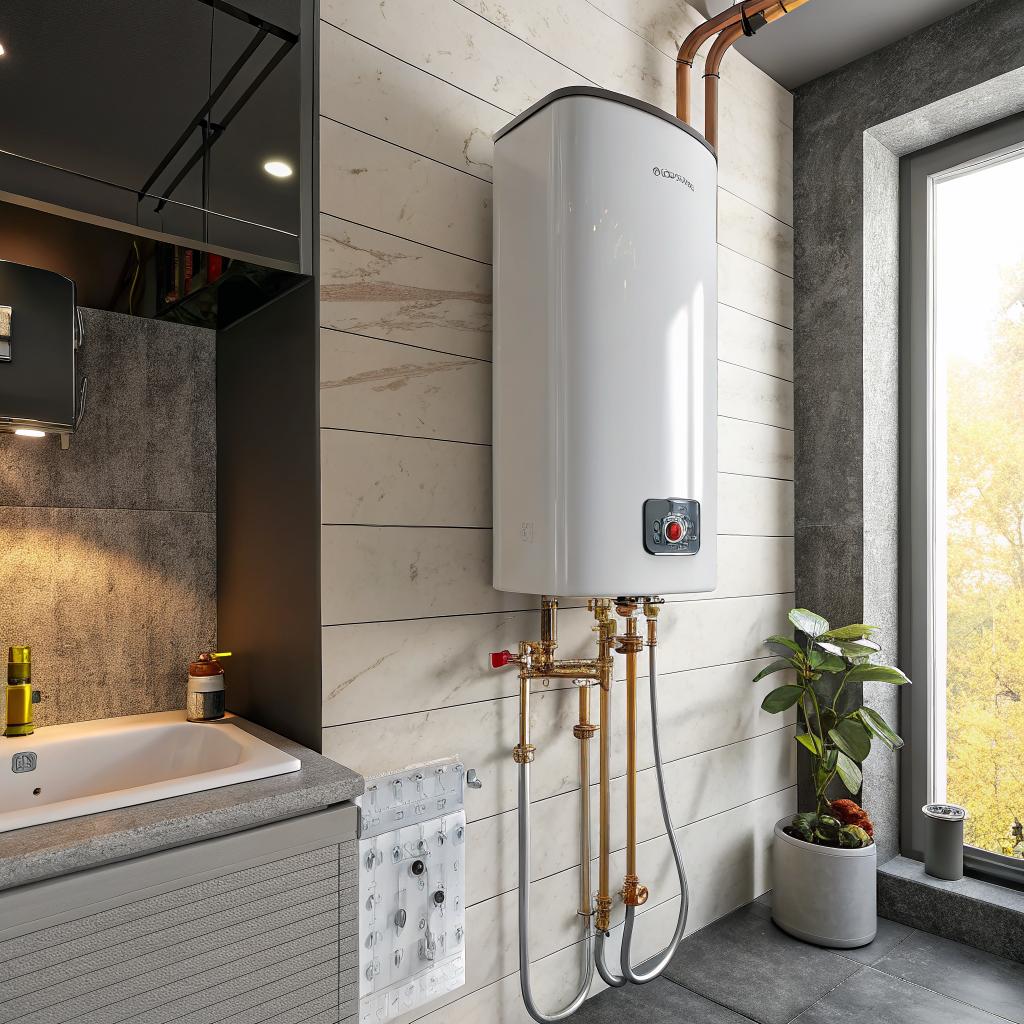
So, you are trying to figure out smart water heater repair in Aurora while you are in the middle of a remodel. The short answer is this: plan the water heater work early, coordinate it with your plumbing and flooring schedule, and bring in a local pro for anything beyond basic checks, especially if it affects permits or warranties, and here is one option for water heater repair Aurora.
Most remodelers, or homeowners who act like remodelers, treat the water heater as an afterthought. Then it floods a new LVP floor or blows a breaker on day one. The smarter move is to treat the water heater like part of the renovation design, not just a box in a closet. It affects layout, floor choice, noise levels, and even how you run new plumbing lines. A small bit of planning here can save you from ripping out brand new flooring or patching drywall you installed last week.
- Think about the water heater before drywall and flooring go in.
- Know when it is repairable and when replacement makes more sense.
- Respect gas, venting, and electrical rules, especially in Aurora.
- Protect floors and finishes from leaks and service access problems.
- Use smart controls and sensors, not just for convenience but to protect your remodel.
How water heaters fit into a remodel plan
When people plan a kitchen or basement remodel, they talk about cabinets, tile, and paint. The water heater sits in a corner, unmentioned, until it leaks on the new subfloor. That is usually when the panic starts.
If you are remodeling, you should treat the water heater as one of the first questions, not the last.
If the water heater is more than 8 to 10 years old, assume you will either repair it soon or replace it during the remodel, and plan around that reality.
Some basic questions to ask yourself right at the design phase:
- How old is the existing heater?
- Is it gas, electric, or hybrid?
- Is it a standard tank or tankless?
- Where is it located, and how will flooring and walls change around it?
- Is access to it going to get tighter after the remodel?
If you are moving walls, creating a mechanical room, or finishing a basement in Aurora, you also need to think about local code and permit requirements. This is one area where DIY guessing can turn into failed inspections. I know that is boring, but failed inspections are more boring and more expensive.
How this ties into flooring decisions
Since this article is for people who care about flooring and renovation, it is worth saying clearly: the water heater is one of the biggest threats to your new floors.
Some quick examples:
- A tank water heater on a second floor above hardwood can leak and stain or warp boards you just installed.
- A drain pan with no actual functioning drain line might overflow onto new carpet or LVP.
- Incorrect TPR (temperature and pressure relief) valve discharge can direct hot water right across your floor.
Whenever you install new flooring in a room with a water heater, ask yourself, “If this tank leaks at 2 a.m., where does the water actually go?”
If the honest answer is “onto my new vinyl plank and then under the baseboards,” you still have work to do.
Repair or replace during a remodel?
Most remodelers run into this decision: fix the old unit or replace it while everything is already open. There is no simple rule that fits all cases, but we can make a reasonable guide.
Age and condition guide
| Type | Age | Typical choice during remodel | Notes |
|---|---|---|---|
| Gas tank water heater | 0 to 6 years | Repair if minor issue | Check warranty, do preventive service. |
| Gas tank water heater | 7 to 10 years | Leaning toward replacement | If you already opened walls or floors, replacement is often smarter. |
| Gas tank water heater | 10+ years | Replace | Tank failure risk climbs fast here. |
| Electric tank water heater | 0 to 8 years | Repair if cost is low | Elements and thermostats are often cheap to replace. |
| Electric tank water heater | 9+ years | Consider replacement | Weigh cost of repair vs new unit with warranty. |
| Tankless | 0 to 12 years | Repair and maintain | Regular descaling, part swaps can keep them going. |
There are always exceptions. I have seen 15 year old heaters that refuse to die, and 5 year old units that failed early. But when you are spending serious money on a remodel and brand new floors, betting on an old tank usually feels like false savings.
Cost vs risk during a project
Here is how I think about it:
- If the repair is under 20 to 25 percent of the cost of a new heater and the unit is under the average lifespan, repair is fine.
- If the repair is closer to half the cost of a new unit and the heater is older, especially in a finished space, replacement usually makes more sense.
- If you need to cut and patch new drywall or remove new flooring just to access an old heater for repair, that old unit becomes a liability.
Do not look only at the cost of the water heater; include the possible cost of damage to new finishes and the cost of future access.
Smart troubleshooting steps for remodelers
If you are on site and the water heater acts up, there are some basic checks you can do before calling a pro. I am not saying you should fix gas and venting yourself, but you can at least narrow the problem.
No hot water at all
Ask a few quick questions:
- Is this a gas or electric unit?
- Did any electrical or gas work happen recently near the heater?
- Did anyone shut off water or gas for rough-in plumbing work?
Common quick checks:
For gas units
- Check the gas shutoff valve near the heater. Someone may have turned it perpendicular to the pipe during plumbing work.
- Look at the status light or diagnostic code on newer units.
- Smell for gas. If you smell gas, do not light anything or keep poking at it. Leave it and call a pro.
For electric units
- Check the breaker panel. Remodel work often means breakers get turned off and not turned back on.
- On the heater, look for the high limit reset button under the upper access panel. If it has tripped, that can stop all hot water.
- If the panel was recently worked on, check that the breaker matches the heater rating and that any new circuits are wired correctly.
Not enough hot water
During or after a remodel, this can point to:
- Cross connection through a mis-plumbed mixing valve or shower valve.
- Adjusted or wrong dip tube inside the tank.
- One failed heating element in an electric tank.
- New larger bathtub or extra fixtures that simply outpace the old heater size.
For example, if you just installed a soaking tub and a rain shower, the old 40 gallon tank that worked fine before might feel weak now. That is not exactly a “repair” problem. It is more of a design mismatch.
Water leaks during a remodel
Leaks are where remodelers get hurt the most, especially with new flooring.
Common leak points:
- Loose connections on newly run copper or PEX lines.
- Dielectric unions where copper meets steel.
- Leaking TPR valve or discharge line.
- Rust along the bottom of an old tank, which usually means replacement.
If you see slow seepage at the tank seam or heavy rust around the base, patching it is usually a waste of time. That tank is at the end of its life.
Protecting floors near a water heater
If a remodel includes new flooring near a water heater, you need a plan for protection. Not an abstract plan, but a physical one.
Drain pans and floor drains
For tanks located over finished spaces or on upper floors, a drain pan is not optional. It should have:
- A pan sized correctly for the tank footprint.
- A real drain line that actually leads to a safe discharge location, not just the middle of a room.
- A slight slope so water does not pool at the back edge.
If you are laying tile or LVP, think about the height of the pan and transition strips. I have seen jobs where the flooring locked the pan in place so tightly that any future tank swap meant cutting the floor.
Floor types and moisture risk
Some flooring handles leaks better than others. Here is a simple comparison to think about during planning.
| Floor type near heater | Leak tolerance | Notes for remodelers |
|---|---|---|
| Tile over proper underlayment | High | Grout and tile can handle minor spills, but watch for subfloor damage at edges. |
| Luxury vinyl plank (LVP) | Moderate | Water resistant on top, but standing water can creep under and cause issues. |
| Engineered wood | Low to moderate | Short leaks may be fine, long leaks cause swelling or cupping. |
| Solid hardwood | Low | Very sensitive to ongoing moisture and leaks. |
| Carpet | Very low | Can mold and smell quickly after leaks. |
If you have the freedom to choose, tile or a water resistant surface in the mechanical or utility area tends to age better around water heaters.
Smart water heaters and remodel planning
Smart water heaters and controls are not just about phone apps. For a remodel, the real value is alerts, leak detection, and better control over energy use, especially with new insulation and windows.
Types of smart features
Some of the useful features for remodelers and homeowners include:
- Built in Wi-Fi control and status monitoring.
- Leak detection at the base of the tank with auto shutoff.
- Learning usage patterns to schedule heating cycles.
- Integration with home automation hubs or thermostats.
If you are already running new power, network lines, or smart home gear during the remodel, it is not that hard to plan a space for smart controls near the heater. It is harder to add later once walls are finished and painted.
Smart leak detection in finished spaces
One of the simplest upgrades, especially where there is new flooring, is a water leak sensor. These can be:
- Standalone battery powered pucks with alarms.
- Sensors tied into a smart shutoff valve on the main water line.
- Part of the water heater manufacturer’s smart system.
Place sensors:
- In the drain pan under or near the heater.
- At the low point of the floor where water would naturally collect.
- Behind the heater if you have any suspicion of slow leaks back there.
You can think of this as a smoke detector for your floors. It does not stop every problem, but one cheap sensor can save a whole basement floor.
Code, permits, and Aurora specific concerns
Local rules change over time, and Aurora is no exception. I am not going to list code sections, but there are patterns that matter when you remodel around a water heater.
Venting and combustion air
If you tighten up a house, add insulation, upgrade windows, and close off old leaky chases, you may unintentionally reduce combustion air for a gas water heater. That can lead to backdrafting and carbon monoxide issues.
Signs of potential trouble:
- New walls or doors around a heater that used to be in a more open area.
- Adding a powerful kitchen range hood or bath fans without thinking about make up air.
- Moving the heater into a small closet with no vents or grilles.
This is not a place to guess. A licensed pro in Aurora will know the current requirements for combustion air and venting, and an inspector will check this before signing off a remodel.
Seismic strapping and support
Even if you are not in a high earthquake zone, many areas still expect some form of strapping or bracing for tall tanks. During a remodel, when walls are open, it is the easiest time to add:
- Blocking for straps.
- Better platforms or stands for garage installations.
- Anchoring that does not rely on crumbling or random old blocking.
This matters for flooring too. If you are raising floor height, you need to think about tank stability and how any stand or platform interacts with new surfaces.
Planning access for future repair
One mistake I see in remodel projects is beautiful finishes that trap the water heater in place like a display item. It looks tidy on day one. It is a nightmare when the tank needs service.
Service clearance
Basic questions to ask when framing or building around the heater:
- Can a technician remove and replace the anode rod without hitting the ceiling?
- Is there room to get a dolly in and out without cutting door trim?
- Is the gas valve, drain, and electrical disconnect visible and reachable?
If the answer to any of those is no, rethink the layout while you still can. Cutting that access later usually means damaging completed work.
Panels and closets near flooring
For heaters tucked into closets:
- Use doors or panels wide enough for future tank sizes, not just your current one.
- Install trim and flooring so they can be removed without total destruction.
- Consider thresholds and transitions that will not crack under a loaded dolly.
Think ahead about how a full tank will be removed. Even pros struggle when a closet is framed too tight or when the new floor height steals precious inches of clearance.
Common mistakes remodelers make with water heaters
You probably already know some of these, but they still happen all the time.
Ignoring the heater until the final punch list
By the time you are at punch list, walls are painted, floors are done, and cabinets are installed. If the inspector flags the water heater then, changes are ugly and rushed.
Better approach:
- Check heater age and condition during the first site walk.
- Plan repair, replacement, or relocation while you are still roughing in.
- Schedule any pro work early, not at the end.
Covering access points with flooring or trim
I have seen TPR discharge lines hidden behind glued-on panels, expansion tanks partially buried in framing, and drain valves blocked by built in shelving. All of these make repair harder and more expensive.
Ask yourself:
- If I needed to replace this tank on a Saturday night, could I do it without tearing up flooring?
- Can I reach every valve and connection without special gymnastics?
If the honest answer is no, change the design while you still can.
Assuming any plumber understands remodel priorities
Some plumbers are great with rough-in but do not think much about finished floors or trim. That is not criticism, just reality. If you care about flooring and details, you need to communicate that.
Tell them clearly:
- Which surfaces are finished and cannot be cut.
- Where you prefer penetrations and access panels.
- How much clearance you want for future service.
Sometimes, a ten minute talk before work starts saves hours of repair later.
Preventive maintenance that remodelers should build in
If you are already touching the heater, it is a good time to do basic maintenance that can extend its life, especially when the property is about to look brand new.
Simple tasks that make a difference
- Flush sediment from the tank. Sediment buildup leads to noise, lower efficiency, and shorter life.
- Check or replace the anode rod if it is heavily corroded.
- Test the TPR valve to make sure it operates freely.
- Inspect the expansion tank to see if it is still holding air.
- Insulate hot water lines that run through unconditioned spaces.
None of these are glamorous, but they blend naturally into a remodel timeline. You already have trades on site, some walls open, and tools around.
Scheduling maintenance with other trades
You can pair tasks to keep things smooth:
- Have plumbers flush and inspect the heater when they rough-in the new bathroom lines.
- Have electricians confirm breaker size and wiring when they run circuits for kitchen updates.
- Coordinate any vent changes with HVAC work if you are adjusting furnaces or makeup air.
This sounds like over planning, but many callbacks on remodels are plumbing and hot water related. A bit of forethought here reduces those.
When to stop and call a professional in Aurora
There is wise DIY and there is risky DIY. With water heaters, a few lines separate the two pretty clearly.
You should stop and bring in a pro when:
- You smell gas, hear hissing, or suspect a gas leak.
- You see backdrafting signs, like soot marks or melted plastic near the draft hood.
- You need to touch venting components and are unsure of rules on distances, slopes, or materials.
- The tank is rusting at seams or the bottom and you suspect a structural failure.
- Local inspectors are pointing out code issues that you do not fully understand.
I know it is tempting, in the middle of a remodel budget, to patch one more thing yourself. Sometimes that is fine. Sometimes you are just moving the cost into the future, where it will be bigger, and perhaps messier.
Putting it all together in a real remodel scenario
Imagine this common setup:
You are finishing a basement in Aurora. New LVP flooring, a nice family room, maybe a small bar. The existing gas water heater is in the corner, about 9 years old. The plan is to frame a closet around it and run a new bedroom next to it.
Step by step, a smart approach might look like this:
- Check the heater age and serial number. Nine years is getting up there for a gas tank.
- Look at the current venting. Is it up to current code or will moving walls affect it?
- Plan a utility or mechanical room layout with enough clearance for service and replacement.
- Choose flooring for that room that deals well with moisture, maybe tile or a similar surface.
- Install a proper drain pan and drain line to a floor drain or safe discharge area.
- Decide whether to replace the heater now instead of waiting a year or two.
- Add a smart leak sensor tied to a shutoff or at least to your phone.
- Frame doors and openings large enough for a future tank, not just the current one.
This takes more thought on paper, but less heartache years from now. It respects the flooring, the layout, and the budget over time, not just on day one.
Quick Q&A: Common remodeler questions about water heater repair in Aurora
Q: If the tank is not leaking now, is it overkill to replace it during a remodel?
Sometimes it is, sometimes it is not. If the heater is only 4 or 5 years old and has no rust, maintain it and keep it. If it is past 8 or 9 years, especially above finished floors, the risk of a leak during the next few years is real. You have to balance the cost of a new tank against the cost of possible damage to new flooring and finishes.
Q: Can I hide the water heater completely so it looks cleaner?
You can close it in, but you should not hide it in a way that blocks access, airflow, or combustion air. You still need service clearances, ventilation, and visible valves. A clean, well designed mechanical closet usually looks better in the long term than a cramped, hidden corner that no one wants to open.
Q: Do smart controls actually help with repair, or are they just gadgets?
Smart controls do not fix parts, but they help you catch problems earlier. A leak alert at 2 a.m., or a warning that the tank is not heating correctly, can prompt a repair call before a full failure or flood. That early warning is especially helpful when you have new floors, new drywall, and no interest in tearing any of that out again.