
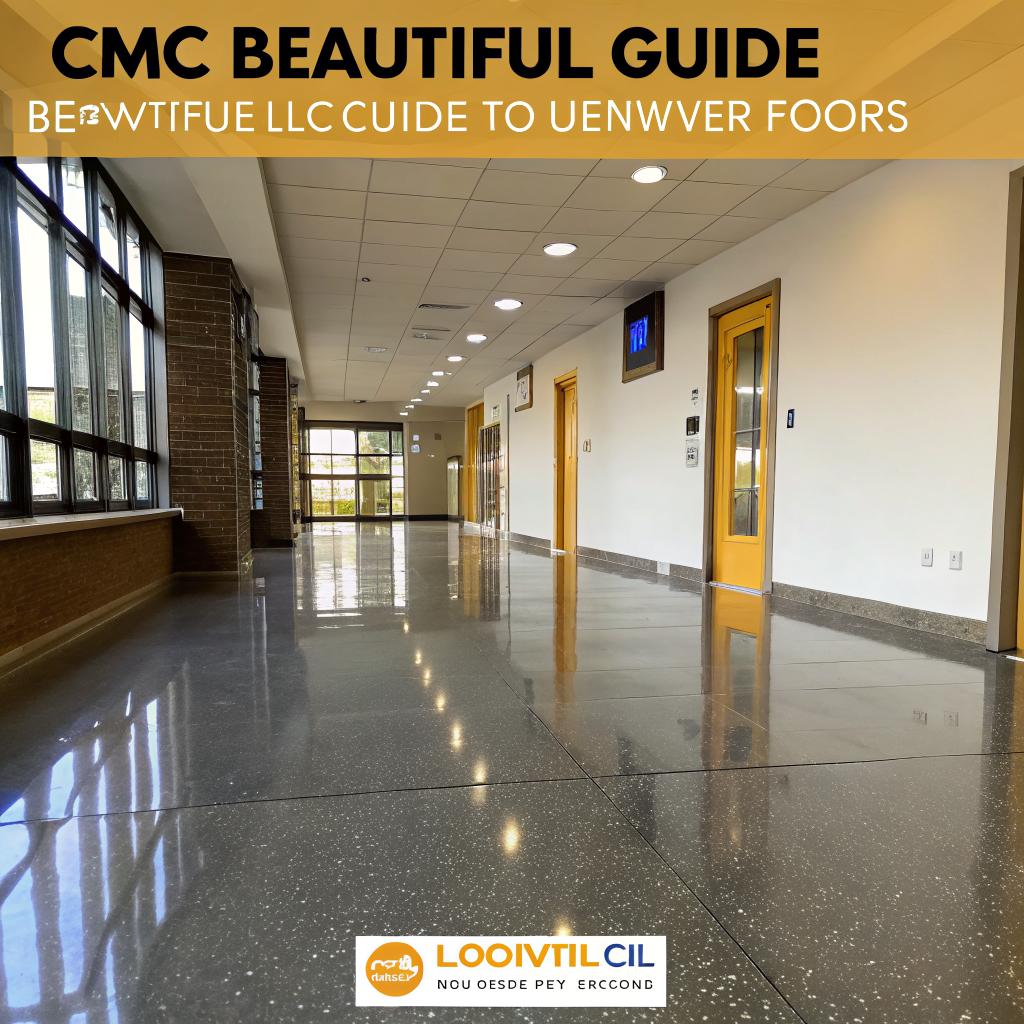
So, you are trying to figure out how to get beautiful floors in your Denver home without making a mess of the process. The short answer is that you need the right material for our climate, careful prep, and a pro-level installation plan that covers both looks and long-term performance.
Most people jump straight to picking a color or a style. That part is fun, but in Denver, your floor choice has to stand up to dry air, intense sun, snow melt, pets, and a lot of temperature swings. If you ignore those, the floor might look good for a year and then start gapping, fading, or swelling at the edges. So this guide is about looks, but it is also about how the floor actually lives with you.
Here are the things you need to know before you start calling installers or shopping samples.
- Denver’s dry climate and elevation change how wood and laminate behave.
- Subfloor prep is usually the part that makes or breaks a flooring job.
- Laminate and hardwood each shine in different rooms and lifestyles.
- Light, medium, and dark floors all show wear differently.
- You should think through stairs, transitions, and vents early, not at the end.
- Quality installation matters more than the brand name on the box.
- Maintenance is not complicated, but it has to match Denver’s conditions.
If you feel like that is already a lot, that is normal. Most homeowners feel a little lost at first. I will walk through it step by step, the way a good local contractor would explain it in your living room.
For local context, CMC Flooring LLC focuses on floors that handle Colorado homes, so I will pull on that kind of approach here: practical, not flashy.
Why Denver floors are a bit different
Denver is not the same as a coastal city or a humid southern town. Floors behave differently here. If you grew up somewhere else, your past experience might mislead you a bit.
Dry air and wood movement
In Denver, the air is dry for most of the year. During winter, with the heat on, it gets even drier inside the house.
Hardwood and some engineered woods respond to that:
- Boards can shrink and leave small gaps.
- Edges can slightly curl if the moisture level swings too much.
- Cheap products can crack or split over time.
Laminate is more stable, but it still expands and contracts a little. That is why installers leave expansion gaps around the edges and under your trim.
If you want a floor that stays beautiful in Denver, you have to respect how the material moves with the seasons, not fight it.
So when someone says “we can butt this tight to the wall, no gap,” that is usually a red flag.
Temperature swings and sun exposure
You know how the sun feels stronger here. Your floor feels it too.
Large windows, patio doors, and skylights can cause:
- Fading in hardwood, especially darker stains.
- Yellowing in some cheaper finishes.
- Expansion on hot spots if the floor is near glass.
With laminate and modern finishes, you get better UV resistance than older products, but there is still an impact over time. Deep, rich colors might not stay exactly the same forever near windows.
Snow, water, and daily life
Winter means boots, water, and sometimes ice melt coming in from outside. If you have kids or dogs, you probably see puddles by the front door often.
Hardwood does not love standing water. Laminate handles wear well, but older styles can swell at the edges if water sits on them for a long time.
So when you plan floors, especially in Denver:
- Entry areas need a strategy: mats, tile, or extra durable flooring.
- Kitchen and bath areas need better moisture resistance.
- Pets matter. Their claws and habits will influence your finish choice.
Picking between hardwood and laminate in Denver
You will hear strong opinions here. Some people say “only real wood is worth it.” Others swear by modern laminate. The truth is more boring: both can look great if you match them to the right space and expectations.
Where hardwood makes the most sense
Hardwood is about feel as much as looks. It is warm underfoot, can be renewed by sanding, and adds a certain “solid” presence.
Common spots where hardwood works well:
- Living rooms and family rooms
- Dining rooms
- Bedrooms
- Hallways with normal traffic
In Denver, many people like:
- White oak with a natural or light stain
- Wide planks that fit open floor plans
- Matte or satin finishes that hide scratches better
One honest drawback: hardwood will show seasonal gaps here more than in a humid area. If you expect perfect, no-gap lines all year, you might be disappointed. A few hairline gaps in January are normal.
Where laminate shines in Denver homes
Modern laminate is not the plastic-looking floor from the 1990s. Newer products have better textures and more realistic patterns. Many Denver families go this route because of kids, pets, and budget.
Laminate is strong in areas like:
- Basements with good moisture control
- Playrooms
- High-traffic hallways
- Rental units or short-term rentals
Some lines are rated for water resistance, which helps with spills and entryways. You still do not want standing water for hours, but normal life is less stressful.
If your main goal is a nice look, with less worry about every scratch or dent, laminate often works better than hardwood for busy households.
Quick comparison for Denver conditions
| Feature | Hardwood | Laminate |
|---|---|---|
| Look and feel | Natural, warm, can vary board to board | Very consistent, realistic patterns |
| Reaction to dry air | Moves more, can gap and shrink | More stable, still needs expansion gap |
| Scratch resistance | Can scratch, especially dark and glossy | Usually better against scratches |
| Water resistance | Handles small spills, hates standing water | Water resistant types handle spills better |
| Refinishing | Can be sanded and refinished | Cannot be refinished, replacement only |
| Cost range | Higher material and labor, but long life | Lower cost, easier to replace later |
In many Denver homes, a mix works best: hardwood in main areas, laminate in basements or heavier use spaces.
You do not have to be pure about it. Your house is not a showroom; it is where you live.
Getting the style right for Denver homes
Once you know the type of floor, you still have to pick the style. This is where people often freeze up in front of a wall of samples. A few basic choices guide most of it: color, plank width, texture, and sheen.
Color choices that age well
You might love a bold color in the showroom. The real question is: do you still want to see it every day in ten years?
Some Denver-friendly ideas:
- Light natural tones: Great with lots of sun and modern interiors. They hide dust and small scratches well.
- Medium brown: Works with many furniture styles, from rustic to clean and simple.
- Very dark floors: They can look sharp, but they show dust, pet hair, and scratches much more.
- Gray and cool tones: Still common, but you might feel trend fatigue sooner with very strong gray.
If you are unsure, mid-tone or light natural shades usually outlast trends and handle Denver’s daylight better.
I have seen quite a few homeowners repaint walls three times to “fix” a floor color they picked too fast. Adjusting wall colors is easier than replacing the floor, but picking a balanced floor tone avoids that swirl.
Plank width and layout
Wide planks are popular in Denver, especially in open floor plans. They give a calm, continuous look.
Some tradeoffs:
- Wide planks show the character of the wood more.
- They can show gaps a bit more when the air gets very dry.
- Narrow boards feel more traditional and can handle slight movement with less visible effect.
You can also think about layout:
- Running boards along the length of a room usually makes it feel longer.
- Running them toward your main windows can make the room feel more pulled together.
- Diagonal layouts cost more in labor and waste more material. They can look interesting but are not always worth the extra cost.
Texture and sheen
Texture is not only about style. It changes how much you see every little mark.
Common options:
- Smooth: Classic, clean lines, but shows dents and scratches more.
- Wire brushed / light texture: Hides daily wear better.
- Heavy hand-scraped: Strong style. Some people grow tired of it over time.
Sheen level:
- Matte: Hides scratches and dust, softer reflection.
- Satin: Light shine, often a good middle ground.
- Gloss: Shows everything. Rare choice in busy Denver homes now.
For families, matte or low-satin with a bit of texture is usually the most forgiving choice.
What a proper installation in Denver should look like
This is the part you do not see in photos. Still, it affects how your floor looks in year three and year ten.
Subfloor checks
Subfloor prep seems boring, but it affects the feel underfoot and the life span of the floor.
Basic checks a good installer should do:
- Flatness: High and low spots need leveling.
- Structure: Loose or squeaky areas should be screwed down.
- Moisture: Concrete and basements need moisture readings.
If someone skips this and just says “we will make it work,” the floor may flex, squeak, or have hollow spots.
Acclimation and climate control
Hardwood boards are not meant to go straight from a cold truck to your floor. They should sit in your house for a bit, with heating or cooling running, so they adjust to your home’s conditions.
Laminate usually needs less time, but it still should reach room temperature.
In Denver, this step can be more noticeable, especially if your house is chilly in winter before the work starts. A quick, same-day install from delivery to finished floor is not usually a good sign for wood.
Moisture barriers and underlayments
Everything under the visible floor matters:
- On concrete, you usually need a moisture barrier for both hardwood and laminate.
- Underlayment can reduce sound and make the floor feel more solid.
- Some products come with attached underlayment, but it might not be enough for every case.
If most of your house is over a crawlspace or unfinished basement, addressing moisture and insulation there can also help with comfort and sound.
Details that separate a sharp job from an average one
You can see the difference along the edges and transitions, not in the middle of the room.
Details to look at:
- Doorways: Clean transitions between rooms, no harsh bumps.
- Stairs: Matching color and nosing, solid and squeak free.
- Vents: Cut neatly, with covers that sit well.
- Baseboards and trim: Clean caulk lines, no big gaps.
Ask your installer how they plan to handle stair noses and transitions. If the answer is vague or “we will see,” that might be a problem later.
Refinishing and repairing floors in Denver
At some point, every floor needs help. Either from time, accidents, or pets. How that works depends a lot on your material.
Refinishing hardwood floors
One of hardwood’s biggest strengths is that it can be sanded and refinished, sometimes more than once.
A typical refinishing in Denver might include:
- Sanding down to bare wood
- Repairing damaged boards
- Applying stain (if you want a color change)
- Sealing with several coats of finish
You can change from dark to light tones or from glossy to matte. It is one of the simplest ways to give an older home a fresh, modern feel without ripping everything out.
Be aware:
- Very thin engineered wood layers have limited sanding life.
- Old floors might have patches that react differently to new stain.
So an exact magazine-perfect result is not always realistic, but a big improvement is.
Repairing laminate floors
Laminate does not sand or refinish. When it is damaged, you are mostly looking at spot repairs or replacement.
Options:
- Single board replacement if the floor is a click-together style and you still have extra material.
- Section replacement for larger damage areas.
- Scratch repair kits for minor issues, though those only go so far.
This is one reason to keep a few extra boxes of your laminate tucked away. If the line is discontinued, matching later can be hard.
Common local repair scenarios
Some things I have seen in Denver homes:
- Hardwood near patio doors drying out and shrinking more than the rest of the room.
- Laminate swelling at edges where snow and water from boots pile up.
- Older hardwood cupping slightly in homes without proper humidity control.
These are usually fixable or improvable, but they are also reminders that floor planning should include everyday habits, not just what the house looks like in photos.
How to keep your Denver floors looking good
You do not need a complicated cleaning routine. The main goal is to deal with dust, grit, water, and sun in a simple, steady way.
Daily and weekly habits
For both hardwood and laminate:
- Use a soft broom or vacuum with a hard-floor setting.
- Wipe spills soon instead of letting them sit.
- Use felt pads under chairs and furniture.
For mopping:
- A damp mop, not a soaked one.
- Use cleaner made for your floor type.
- Avoid steam mops on hardwood and most laminate.
Dry floors and gentle cleaners are your friends. Water and harsh chemicals are not.
Seasonal care in Denver
You can think about it by season.
Winter:
- Put mats at entries, inside and outside.
- Consider a tray for boots and shoes.
- Wipe up melted snow quickly.
- A small humidifier can help reduce extreme dryness.
Summer:
- Close blinds or use sheer curtains in very sunny areas.
- Keep windows and doors closed in dust-heavy days if you can.
If your floor seems to be changing a lot between seasons, check the humidity inside with a simple meter before blaming the material.
Sometimes, a small change like a humidifier in winter can do more for your floor than an expensive cleaner.
Planning your floor project without losing your mind
A floor job can touch a lot of your routine. Furniture moves, dust, noise, maybe limited room access for a few days. It helps to think through it before anyone shows up with tools.
Set your priorities clearly
Ask yourself a few straight questions:
- Is this more about looks, or more about durability?
- How long do you plan to stay in this home?
- Do you want a “forever” floor, or something that looks good for the next 5 to 10 years?
- Do pets and kids rule the house, or are they more of a small factor?
Your answers should shape the choice between hardwood and laminate, and also the finish and color.
If you have three big dogs and a busy schedule, going for a very dark, glossy hardwood is not just risky, it is almost asking to be unhappy. That is not about taste; it is about daily life.
Plan the project timeline
Some basic timing thoughts:
- Moving furniture out of rooms takes more time than people expect.
- Refinishing hardwood usually means staying off the floors for at least a few days.
- Laminate installation is faster, but still disruptive.
- Busy seasons in Denver can book up quickly for installers.
If you can, avoid stacking other big projects on top of flooring at the exact same time, like kitchen remodels or major painting. Or at least put them in an order that makes sense: often flooring comes after major dusty work but before final baseboard painting.
Questions to ask your flooring contractor
You do not need to be an expert to have a good conversation. A few simple questions tell you a lot.
- How will you prepare my subfloor?
- How do you handle moisture tests?
- What expansion gaps will you leave and how will you cover them?
- How will you manage dust and cleanup during the job?
- Who will be on site doing the work day to day?
- What happens if we find a problem once the floor is installed?
If the answers are clear and specific, that is a good sign. If they feel vague or rushed, that usually shows how the project will feel too.
Common mistakes with Denver floors and how to avoid them
Sometimes it is easier to think in terms of what to not do.
Choosing based only on a single small sample
A small board in a showroom under bright lights is not your living room. Your wall colors, your light, and your furniture all change the look.
If you can:
- Bring home a few larger samples.
- Look at them in morning light, evening light, and with lights on at night.
- Place them next to your couch, table, and cabinets.
One color that looked perfect in the store might feel too orange or too gray at home. That is normal.
Ignoring humidity and temperature control
Some people think floors just “fail” out of nowhere. Most of the time, there is a pattern: the house is extremely dry, or moisture is sneaking in from below.
Small steps that help:
- Keep your HVAC system in decent shape.
- Use a simple humidifier during the driest months if you see a lot of gapping.
- Make sure basements and crawlspaces are vented and not damp.
You do not need a complex system, just a basic balance.
Cutting corners on underlayment and prep
It is tempting to save money here, because you do not see these things. The problem is that you feel them later.
Cheaper, thin underlayment can make a floating floor sound hollow. Skipping leveling makes furniture wobble or causes click-together joints to fail early.
Those “savings” often cost more in repairs or early replacement.
Putting it all together for your Denver home
If you want a simple way to think through the whole thing, you might walk through this rough path:
- Decide how long you plan to stay and how hard the home is on floors.
- Pick hardwood, laminate, or a mix based on that and your budget.
- Focus on color tone first, then plank width, texture, and sheen.
- Talk with a local contractor about subfloor, moisture, and climate details.
- Plan the timing around your daily life, pets, and furniture moves.
- Set a simple cleaning and care routine that fits Denver’s seasons.
You will probably still change your mind a couple of times. That is normal. The idea is not to be perfect, just to avoid big blind spots.
Frequently asked questions about beautiful Denver floors
Is hardwood or laminate better for Denver’s climate?
There is no single winner. Hardwood gives you a natural feel and the option to refinish. It does move more with dry air, so you need good climate control and realistic expectations about small seasonal gaps.
Laminate usually handles scratches and busy traffic better, with less movement. It cannot be refinished, so at the end of its life you replace it rather than refresh it.
For many Denver families, hardwood in main, calmer areas and laminate in high-wear or basement spaces is a good balance.
Do I really need to worry about humidity in Denver?
Yes, at least a little. Our air is dry, and heating in winter dries interiors further. Wood reacts to that. You do not need a complex system, but using a humidifier in the driest months and avoiding extreme swings in temperature helps keep floors more stable.
A cheap humidity meter can tell you if you are way out of range. Many floors are happiest around a moderate indoor humidity. If you live at one extreme all the time, expect more visible movement.
What floor color works best with Denver’s bright light?
Light and medium tones usually handle Denver sun better. They show less dust and fading is less obvious. Very dark, rich colors can look great, but they show every speck of dust and light scratch.
If your home has large south or west facing windows, a mid-tone or light natural floor with a matte or satin finish will likely age more gracefully.
How long does a flooring project usually take?
Timing varies by square footage, material, and how much prep is needed. As a rough guide:
- Small laminate jobs: a couple of days.
- Larger homes: several days to a week.
- Hardwood installation plus finishing or refinishing: about a week or a bit more, depending on drying times.
Furniture moving, baseboard work, and any repair surprises can add time. It is smarter to allow a bit more room in your schedule than to plan on the tightest possible timeline.
What is the single most important choice for a beautiful Denver floor?
If you had to pick only one, it would probably be matching the material and finish to your real life, not your ideal picture.
A floor that fits your climate, your pets, your habits, and your patience for upkeep will stay beautiful much longer than a trendy look that fights those things every day.