
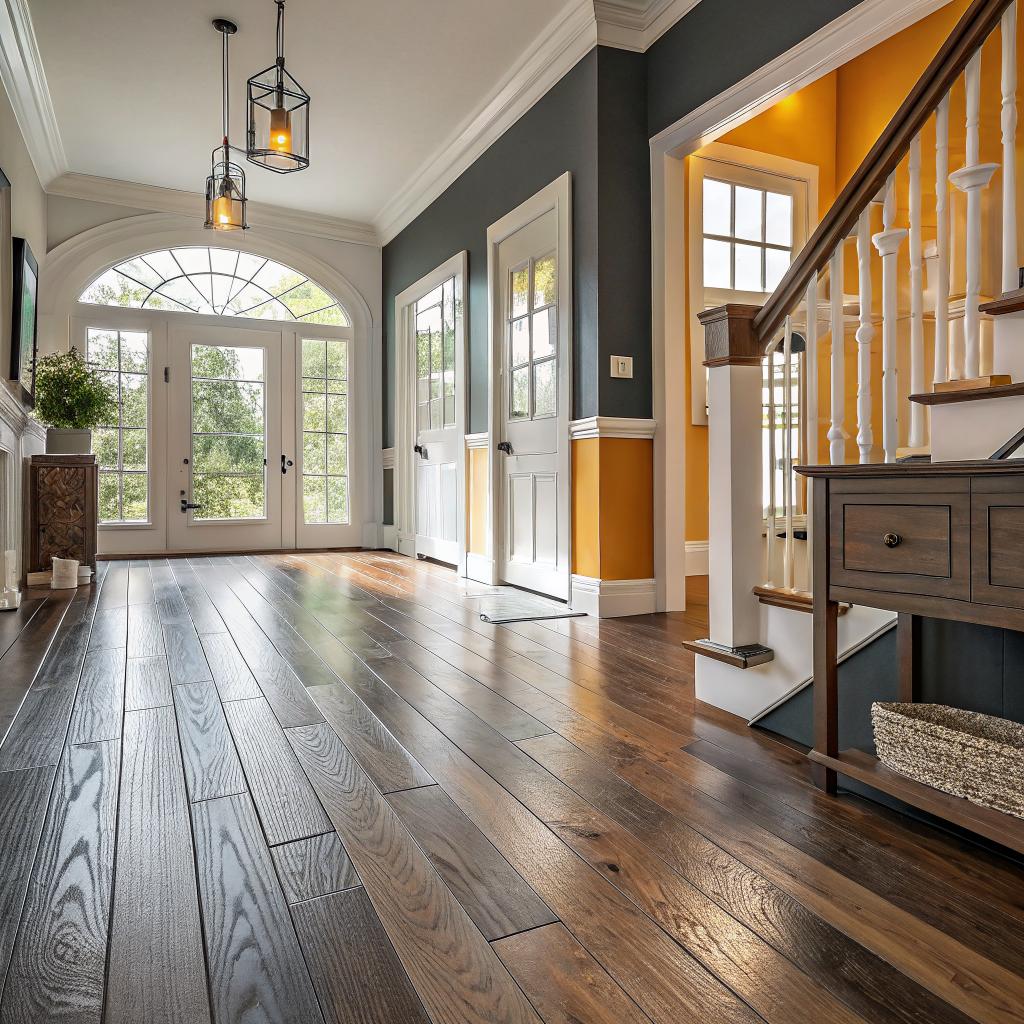
So, you are trying to find distinct remodeling ideas to elevate your home floors and make them feel more interesting, warm, and updated. The direct answer is to mix materials, play with layout patterns, upgrade underfoot comfort, and match each room with a flooring style that fits how you actually live, not just how it looks in photos.
Most floors do not need to be ripped out and replaced with something wild or trendy. They need small, smart changes that work together: better material choices in key areas, bolder layout patterns in a few spots, thoughtful transitions between rooms, and a bit of texture. When you combine those, even in a fairly normal house, the floors suddenly look intentional and more high end. If you are already thinking about a wider remodel, a company like Distinct Remodeling can help you coordinate floors with kitchens, bathrooms, and layouts so it all feels like one plan, not a patchwork.
- You do not need the same floor everywhere to get flow.
- Pattern and direction of boards or tiles matter as much as the material.
- Comfort underfoot can be as impactful as visual changes.
- Lighting, wall color, and trim will change how your floors look.
- Bathrooms and kitchens need more planning because of water and heavy use.
- Good transitions between surfaces keep the house from feeling chopped up.
- Resale value is affected by floor choices, but not in the way many people assume.
Thinking about floors like a system, not a one-off project
Most people start with a single room: “I want nicer floors in the living room.” That makes sense. But floors connect everything, so one change can make the next room feel tired.
I think it helps to see your flooring as a system that ties together:
- Traffic flow from entry to kitchen to living areas
- “Wet” spaces like bathrooms and laundry
- Quiet spaces like bedrooms and offices
- Natural light and where it hits during the day
If you are working with a remodeler, ask them directly: “How do you see the flooring tying these rooms together?” If they only talk about square footage and cost, push more. You want talk about direction of planks, transitions, thresholds, and how different materials will age.
Think of floors less as background and more as a major design decision that affects every room you walk into.
Idea 1: Mix two or three flooring types on purpose, not by accident
I see a lot of homes where each room has a totally different floor, and it feels random. The key is not to have one material everywhere. The key is to have a clear plan.
Choose a main “spine” floor
Pick one material to act as your base. This usually runs through:
- Entry
- Hallways
- Main living areas
Good “spine” options:
| Floor type | Best locations | Pros | Cons |
|---|---|---|---|
| Engineered wood | Living, hallways, bedrooms | Warm look, more stable than solid wood, many finishes | Sensitive to water, can scratch |
| Luxury vinyl plank (LVP) | Whole house, including kitchen | Water resistant, softer than tile, wide style range | Quality varies, can look flat if very cheap |
| Larger format tile | Hot climates, modern homes | Durable, good for pets, easy to clean | Cold and hard, can crack, more grout to clean |
Add “accent” surfaces where they make sense
Pick one or two other surfaces for special conditions:
- Porcelain or ceramic tile in bathrooms and laundry
- Textured tile or LVP at entries that get wet or muddy
- Carpet or carpet tiles in bedrooms or media rooms for sound and softness
The trick is to repeat these accents. For example, use the same style of tile in all full bathrooms, maybe in different patterns. Or keep all bedrooms carpeted in the same line, even if you tweak the tone.
Repeating a few materials in smart ways usually looks better than using ten different “special” floors that do not talk to each other.
Idea 2: Change your floors by changing the pattern, not just the product
Sometimes you do not need a new material at all. You need a different layout.
Play with board or tile direction
Many homes have planks or tiles laid parallel to the longest wall. That is common, but not mandatory.
Consider:
- Running boards along the main sight line from entry to back windows to pull the eye forward
- Running boards perpendicular to a hallway to make it feel shorter and less tunnel-like
- Using one direction in the main area, then switching direction in a small hallway to define it quietly
If you already have wood or LVP and it is in good shape, you will not change direction without replacement. But if you are replacing, talk through this before anything is ordered.
Use patterns in small, high-impact areas
Full herringbone or chevron floors across a whole level can be expensive and sometimes a bit much. Instead, use pattern in smaller zones:
- Herringbone inset at the entry
- Basketweave tile pattern in a powder room
- Hex tile “rug” in the kitchen in front of the sink
This is where a good remodeler earns their fee. Pattern work takes planning for layout, waste, and symmetry. Even a small area needs careful measuring so it does not look crooked at doorways.
Widen or shrink the “look” of your spaces
If you have a long, narrow room, running planks across the narrow width can make it feel wider. It is a bit of a visual trick. In square rooms, you can choose the direction that lines up with the most important wall or the main windows.
Pattern and layout are often cheaper to change than buying the most expensive product, and the visual impact can be just as strong.
Idea 3: Layer in underfoot comfort that you actually notice
A lot of people pick flooring based only on color. Then they realize they stand on it for hours and their feet hurt.
Improve underlayment where you can
Underlayment is not exciting to talk about, but it matters. It affects:
- Sound between rooms and floors
- How “solid” or “hollow” the floor feels
- Thermal comfort, especially on slab
You can upgrade in these ways:
- Thicker, higher quality underlayment under LVP or laminate for better sound control
- Cork underlayment under wood or LVP to soften foot impact
- Better carpet pad in bedrooms, which often matters more than the actual carpet
If you live in a condo or multi-level home, this can make a real difference for noise.
Add radiant heat in key rooms
Radiant floor heat is not just a luxury. In a cold climate, warm tiles in a bathroom can change how you feel every single morning.
Common spots:
- Primary bathroom
- Powder room right by a drafty entry
- Basement family room with tile or LVP
You can choose electric radiant mats for smaller areas or hydronic systems tied into the home heating for bigger projects. Radiant works best when you are already opening the floor for tile.
Use area rugs with intention
Rugs sometimes hide worn floors, but they can also support the layout:
- Rug that defines a conversation area in a large great room
- Runner down a long hallway to break up repetition
- Soft rug in a playroom for kids, even on top of carpet
I think it helps to choose flooring that pairs well with the kind of rugs you like. For example, heavy pattern on both rug and floor can look busy.
Idea 4: Use color and tone to control mood and maintenance
Color choice is where many people get stuck. They want “light but not too light, not gray, not yellow” and stare at samples until everything looks the same.
Understand how tone affects daily life
Here is a rough guide:
| Floor tone | Look | Shows dirt? | Best for |
|---|---|---|---|
| Very light (white oak, pale LVP) | Bright, airy | Shows dark hair and dark dirt more | Small or dark rooms, modern styles |
| Mid tone natural wood | Classic, flexible | Hides most daily dust ok | Most family homes, mixed styles |
| Very dark wood | Formal, dramatic | Shows dust and pet hair fast | Lower traffic areas, no pets, or very tidy owners |
| Gray or greige | Cooler, modern | Depends on exact shade, can show spots | Homes with cool wall colors and modern finishes |
I used to think darker floors always looked richer, but after seeing friends constantly fight dust, I changed my mind. Mid tones with some variation hide real life better.
Coordinate with walls and trim, not just cabinets
People often match floors to kitchen cabinets and forget about everything else. Instead, think through:
- Wall colors throughout the main level
- Trim and door color, especially in hallways
- Furniture tones you already own
You do not need perfect matches. In fact, if cabinets and floors are almost the same color, it can feel flat. Aim for some contrast so each element can stand out.
Idea 5: Smarter transitions between rooms and surfaces
This is an area that can either look custom or cheap.
Limit the number of transitions
Every time you step over a different floor, there is a line. Too many lines, and the home feels chopped up. Try to:
- Run the same floor through all common areas on one level when possible
- Group surfaces by use, like all baths with similar tile
- Avoid unnecessary strips in the middle of doorways if heights can be aligned
Use clean, low-profile thresholds
For color and style changes, aim for:
- Flush wood reducers where hardwood meets tile
- Metal or stone transitions that are low and neat, not big bulky ramps
- Thresholds that line up with the actual doorway, not off in the middle of a room
Ask your installer what the final height difference will be before anything is ordered. Minor leveling or underlayment changes can often avoid big transitions.
Blend patterns at the right spot
If you are combining something like herringbone in an entry with straight planks in the nearby hall, plan where the pattern ends. It should feel centered and grounded, not cut off strangely at a corner.
Well planned transitions can make multiple floor types feel like one design instead of a series of random projects.
Idea 6: Distinct flooring ideas for kitchens
Kitchens are tricky because you want durability, but you also stand there for long periods.
Wood, LVP, or tile: what actually fits your habits?
A quick comparison:
| Material | Comfort | Water tolerance | Best if you… |
|---|---|---|---|
| Engineered wood | Warm, comfortable | Needs quick wipe up of spills | Love a continuous look and are ok with some wear over time |
| LVP | Fairly soft, warmer than tile | Handles spills well | Have kids or pets and want lower stress about water |
| Porcelain tile | Hard, can be cold | Very good, resists water | Cook a lot and want easy cleanup, do not mind standing on harder surface |
There is no perfect answer. I personally lean toward LVP or wood for small kitchens open to living areas, and tile for large kitchens where spills and cooking mess are constant.
Use flooring to define zones inside the kitchen
You can create gentle separation by:
- Running planks straight in the main kitchen, but turning them 90 degrees in a built-in breakfast nook
- Using tile only in the “work zone” in front of sink and stove, with wood or LVP in the rest
- Changing size of tile between kitchen and adjoining mudroom while keeping similar color
This does not work in every layout, but in bigger kitchens it can help the space feel more structured.
Idea 7: Distinct flooring ideas for bathrooms
Bathrooms bring water, humidity, and smaller spaces, which means details show more.
Pick tile that suits the size of the room
Some simple rules of thumb:
- Small hex or penny tile works well in tiny powder rooms, but grout upkeep is higher
- 12×24 rectangular tiles laid in a staggered pattern work in most modern baths
- Large format tiles in small rooms need careful planning so you do not end up with thin awkward cuts
If you are afraid of bold tile everywhere, consider pattern only on the floor and keep the walls cleaner, or the reverse.
Think about slip resistance and texture
Glossy tile might look sleek but can be slippery when wet. Look for:
- Matte or honed finishes
- Smaller tiles for shower floors for more grout lines and grip
- Textured patterns that add grip without feeling rough
Hitting the balance between grip and easy cleaning takes some thought. This is where touching samples in person helps.
Unify bathrooms with similar flooring ideas
You do not have to copy the same tile everywhere. Still, your home will feel more pulled together if:
- All bathrooms share similar undertones (all warm, or all cool, not mixed randomly)
- Floor tiles are different shapes but similar color families
- Grout colors are coordinated so one bath does not scream “different era”
You can then show personality with vanities, mirrors, and lighting without losing cohesion.
Idea 8: Make basements and lower levels feel less like an afterthought
Basements often get leftover carpet or whatever was on sale. That usually looks and feels exactly like that.
Pick flooring that handles moisture wisely
Even if your basement is dry most of the time, you want materials that handle the chance of leaks or humidity:
- LVP rated for below grade use
- Tile with good underlayment to help with cold and slight unevenness
- Carpet tiles in areas where you want softness but maybe not wall to wall
Talk honestly with your contractor about past water issues. Pretending a basement is as dry as an upstairs bedroom can lead to bad choices.
Use flooring to break up open basements
If you have one big space, flooring can define areas like:
- Family TV and game zone with a soft rug over LVP
- Workout zone with more durable rubber or harder surface
- Office area with different plank direction or carpet tiles
This keeps you from feeling like you are working out beside a couch and a kids play zone all in one big blur.
Idea 9: Small details that make floors feel more “finished”
Some upgrades are not flashy, but they change how “complete” the floor feels.
Baseboards and shoe molding
If you replace floors and keep very small or dated baseboards, the result can feel off. Consider:
- Upgrading to taller baseboards that suit your ceiling height
- Adding or replacing shoe molding for a cleaner line at the floor
- Painting trim after floors are replaced to cover any scuffs
This might seem minor, but the eye catches those lines at the edges.
Stair treads that match or intentionally contrast
Stairs are often ignored. You can:
- Match stair treads and risers to your main flooring for a continuous look
- Use painted risers with wood treads for a more classic feel
- Carpet only the center of the stairs with a runner over wood for grip and comfort
Stairs get a lot of wear and are visible from different spots, so they are worth a bit of extra planning.
Consider acoustics, not just visuals
Hard floors in every room can sound harsh. If you notice echo or noise traveling, look into:
- Better underlayment on upper floors
- Carpet in bedrooms and possibly the upper hallway
- Soft furnishings and curtains that balance the hard surfaces
Floor choices are part of the sound story of your house, not just the look.
Idea 10: Balancing trends, resale, and your actual life
Trends in flooring do change. A few years back, gray everywhere felt fresh. Now many people are moving back toward warmer woods and neutrals. It is easy to get stuck chasing the latest thing.
Weigh long term value vs daily happiness
Ask yourself a few blunt questions:
- How long do I genuinely expect to live here?
- Do I have pets or kids that will be hard on the floors?
- What is my tolerance for scratches, dings, and minor wear?
If you plan to stay long term and hate cold floors, radiant tile only in bathrooms might not be enough. If you might move in a few years, staying closer to neutral floors could make more sense.
What most buyers look for in floors
From what I have seen and from conversations with real estate agents, buyers tend to:
- Like continuity on the main level more than any specific product
- Prefer mid tone woods or wood-look floors over very red or orange tones
- Appreciate updated, clean tile in bathrooms, not necessarily expensive stone
You do not need every room to match, but you probably want to avoid one lonely carpeted room in a sea of hard floors, or one bathroom that clearly missed every upgrade.
Practical steps to start your floor remodeling plan
If all of this feels like a lot, here is a simple way to move forward without getting stuck.
Step 1: Walk your house like a visitor
Stand at your front door and walk through:
- Entry to living room
- Living to kitchen
- Hallways to bedrooms and baths
- Stairs and any lower level
Note where flooring changes, where it feels choppy, where it feels dark or cold, and where you actually like it.
Step 2: Pick one or two priority zones
Instead of planning every square foot at once, focus on:
- Main living and kitchen flow
- Bathrooms that need help due to water issues or age
These areas will shape most of your daily experience and the rest of the house can follow later, but within the same general material choices.
Step 3: Gather 3 to 5 samples and stop there
Too many samples cause confusion. Pick a small set that match your answers about tone, maintenance, and comfort. Look at them:
- In morning and evening light
- Next to your walls, cabinets, and furniture
- On the floor, not just held up at eye level
Then remove the ones that bother you right away. You do not need the “perfect” one, only a good one that works with your whole house.
Step 4: Talk realistically with your contractor
When you meet with a remodeler or flooring installer, ask specific questions:
- How will you handle transitions between these two floors?
- What underlayment do you recommend for sound and feel?
- Can we map out plank direction room by room before installation?
Good answers here will have more detail than “oh, we will just put a strip in the doorway” or “it will be fine”. If you do not feel your questions are taken seriously, that is a sign to slow down.
Common questions about distinct flooring remodels
Q: Is it a bad idea to have different flooring on each level of my home?
A: Not at all. Many homes have one main flooring type on the first level and something different upstairs or in the basement. The key is that each level should feel consistent within itself, and the transition on the stairs should look intentional.
Q: Do I really need to replace floors to get a big change?
A: Not always. Sometimes a deep clean, refinishing wood in a different tone, or changing rugs and lighting can change the feel more than you expect. But if you have multiple mismatched floors or serious wear, replacement is probably the cleaner path.
Q: Is it worth paying more for better underlayment or radiant heat?
A: In spaces where you stand a lot, like kitchens and bathrooms, or where you hate cold floors, yes, often it is. You notice comfort every day. People tend to underestimate how much that affects how they feel about their home over time.
What is the one spot in your house where changing the floor would change how you feel every time you walk in?