
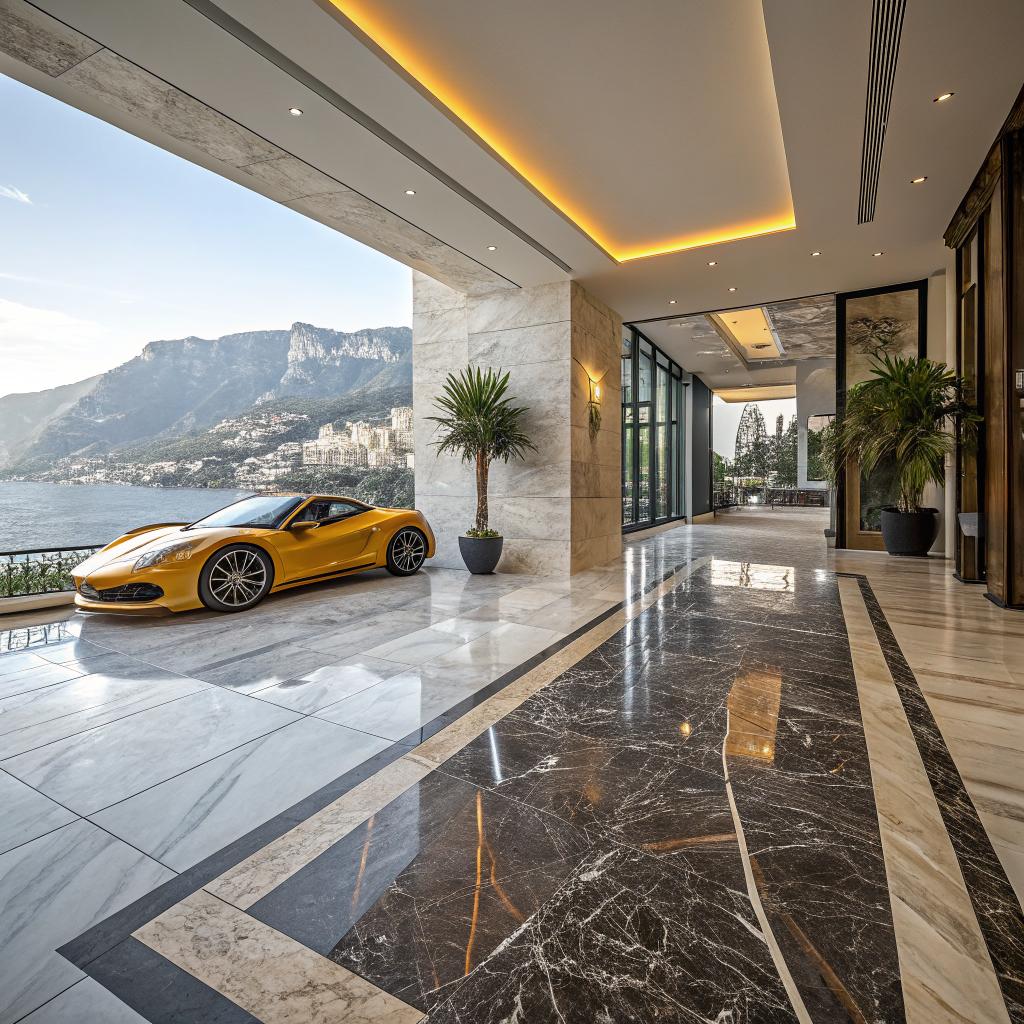
So, you are trying to understand Monte Carlo real estate and flooring trends for 2025 and how they might influence your own renovation choices. The short answer is that Monte Carlo is moving toward quieter luxury: lighter natural materials, low-profile tech, and calm, practical flooring that can handle both style and daily wear.
This shift comes from a mix of stricter building rules, changing buyer tastes, and a stronger focus on comfort. Space is tight, prices are high, and people want homes that feel calm and easy to live in, not just impressive in photos. Floors are playing a big part in that, because they set the base for everything else: light, sound, maintenance, and even resale value.
- Prices in Monte Carlo remain among the highest in the world, so every design decision is tied to value.
- Buyers want flexibility: spaces that can switch from formal to casual, often led by flooring choices.
- Light, natural tones dominate: oak, limestone, terrazzo, and large-format porcelain.
- Acoustic comfort is a big priority in both new developments and renovations.
- Outdoor flooring is almost as important as indoor flooring because terraces and balconies are key selling points.
- Underfloor heating and integrated cooling are shaping what materials people pick.
- Sustainability is growing, but not at the cost of low maintenance and durability.
Monte Carlo real estate in 2025: what is actually happening
If you look at Monte Carlo real estate listings for a few weeks, a pattern appears fast. Prices are still brutal, square meters are precious, and finishes are often what decide who buys what.
Studios and one-bedroom apartments are still common, but more buyers are asking for flexible layouts that feel larger than they are. That affects flooring in a very direct way, because a continuous floor without thresholds or changes in height makes a small place feel bigger and calmer.
You can see three clear trends in the way properties are finished:
Buyers in Monte Carlo want finishes that look expensive but do not feel fragile.
So there is less glossy marble everywhere and more thoughtful mixes of:
– Calm wood in living areas
– Tough stone or porcelain in kitchens and outdoor spaces
– Soft but dense carpets in bedrooms or partial areas
Not all homes follow this pattern, of course. Some owners still want high-gloss marble from entrance to bathroom. But that is starting to feel a bit dated to many new buyers, especially those moving from Northern Europe, who are used to warmer, quieter interiors.
Who is buying and how that shapes the floors
The people buying in Monte Carlo are often:
– Split between here and another city
– Used to hotel-level comfort
– Sensitive to noise, especially in apartments above busy streets
– Short on free time for maintenance
So they want floors that:
– Look consistent from room to room
– Are easy to clean
– Reduce sound transfer between levels and neighboring units
– Do not fade quickly in strong sunlight
That combination is one reason wide plank oak, engineered or solid, has become almost a default. Then there are porcelain tiles that copy stone or terrazzo. These two materials alone cover a lot of Monte Carlo listings.
Why flooring matters more here than in many other cities
In a suburban house with a garden, flooring is something you can change later. In a 40 square meter apartment that costs more than many houses elsewhere, flooring feels permanent. It is also one of the first things buyers notice, long before they think about the kitchen brand or the bathroom taps.
In Monte Carlo, a floor is not just a finish; it is part of the financial logic of the property.
A dated floor can pull down the price or slow down a sale. A well-chosen one can make a compact apartment feel like a serious home.
Some reasons flooring is such a big deal in Monte Carlo:
– Scale: Small rooms mean every square meter of floor is visible.
– Light: Large glass openings demand floors that handle sun and glare.
– Acoustics: You live close to your neighbors, so every step can matter.
– Outdoor link: Large terraces push owners to think about indoor-outdoor continuity.
If you care about resale, it is hard to justify a cheap, short-term floor. But going for the most expensive marble you can find is not always smart either. There is a middle zone that feels more current.
Key flooring trends across Monte Carlo in 2025
Let us go through the main flooring trends you will see in high-end listings and new renovations.
1. Light, calm woods as a new standard
Wide plank wood in soft tones is everywhere. Beige, pale oak, and slightly washed finishes are much more common than dark walnut or red-toned woods.
You will see:
– Engineered oak with a matte, almost raw look
– Herringbone or chevron patterns in larger plank sizes
– Minimal bevels so joints look subtle
– Low-sheen finishes that hide scratches better
Why this shift?
– Light wood makes small rooms feel bigger.
– It works with both modern and classic furniture.
– It reflects natural light without looking shiny.
I often see owners surprised by how forgiving a good, matte oak floor is. Dust is less obvious than on a dark, shiny surface. Scratches blend in because the finish is not too perfect.
2. Porcelain that looks like stone or terrazzo
Natural stone still has a strong place in Monte Carlo, but porcelain tiles that look almost identical are gaining ground in kitchens, bathrooms, and terraces.
What is common:
– Large formats like 60×120 cm or even bigger
– Soft beige, light gray, and very muted veining
– Porcelain terrazzo with small chips, not loud patterns
– Non-slip outdoor versions for terraces and pool decks
These tiles handle:
– Sea air
– Sand from the beach
– Heavy use in holiday periods
They also let you run the same look from inside to outside, which is valued a lot because it visually extends the living room onto the terrace.
3. Acoustic comfort and underlays become a top priority
Sound is a real issue in apartment buildings. You will hear more about acoustic underlays, floating floors, and sound ratings of materials.
What owners ask for:
– Impact sound reduction between units
– Softer footfall in the apartment itself
– Less echo in open-plan living rooms
Solutions that are common in Monte Carlo:
– Acoustic underlay under engineered wood
– Hybrid floors with built-in cork backing
– Area rugs layered over wood in seating areas
This is one of those topics that does not look glamorous in photos but matters a lot in real life. If you are renovating with resale in mind, investing in acoustic layers is almost never a bad call.
4. Strong indoor-outdoor continuity
Balconies and terraces often decide who wins a sale. So the way floors connect from inside to outside is getting more detail.
Typical choices:
– Same tile type inside and out, with a smoother finish indoors and a grip finish outdoors
– Level thresholds, so there is no step down to the terrace
– Drainage planning so rain does not push people toward raised sills
You might see an open living room with warm wood, then one step of transition stone, and then a terrace in matching or complementary tile. It looks simple, but the build-up under the floor is often more complex to handle waterproofing and movement.
5. Softer, smarter use of carpet
Full wall-to-wall carpet is not the main trend in Monte Carlo, at least not like in some London apartments. But people are bringing in more softness in specific ways.
Common patterns:
– Carpet in bedrooms only, often light but dense
– Large wool or blended rugs over wood in living rooms
– Acoustic rugs in home offices to cut echo in video calls
The practical reason is sound again. The personal reason is comfort. After a long day, many people just want to walk barefoot on a softer floor, especially in bedrooms.
6. Natural and low-VOC materials where possible
People talk more about what is inside adhesives, finishes, and underlays. Not everyone wants a fully “green” home, but there is more awareness around:
– VOC content of oils and varnishes
– Certification of wood
– Longevity of materials to avoid waste
Still, performance and ease of cleaning usually win. A fully eco-friendly floor that stains or chips easily is not the default choice for many Monte Carlo buyers. So you see a mix: better materials and finishes, but still grounded in daily use.
Popular flooring types in Monte Carlo and where they fit
To make this easier to compare, here is a simple overview.
| Floor type | Typical use in Monte Carlo | Main strengths | Main concerns |
|---|---|---|---|
| Engineered oak | Living rooms, halls, some bedrooms | Warm, stable, works with underfloor heating, wide design range | Can scratch, needs controlled humidity |
| Porcelain stone-look tile | Kitchens, bathrooms, terraces | Very hard, easy to clean, sun and water resistant | Hard underfoot, needs good acoustics planning |
| Natural stone (limestone, marble) | High-end entrances, bathrooms, some terraces | High prestige, unique look | Can stain or etch, needs sealing, higher cost |
| Carpet / rugs | Bedrooms, living areas as rugs | Soft, absorbs sound, cozy | Stains, can trap dust, needs regular cleaning |
| Luxury vinyl / hybrid planks | Some renovations, rental units | Resistant to water, easy care, decent acoustic performance | Lower status, can feel less natural |
This table is a simplification, but it gives you a clear starting point when planning a renovation with Monte Carlo buyers in mind.
How flooring affects perceived value in Monte Carlo
When a buyer walks into a property, they usually start judging in the first few seconds. Floor choice shapes that first impression.
Here is how flooring tends to show up in buyer conversations:
– “The apartment feels small because of the dark floors.”
– “It is noisy; you can hear every step above.”
– “The balcony tiles feel old and patchy.”
– “The wood looks cheap, it makes the price feel high for what it is.”
Compare that with:
– “The light wood and terrace tiles make it feel bigger than the photos.”
– “The floors feel solid and quiet.”
– “The same floor style from the living room to the terrace makes it feel like one space.”
Floors are one of the few things you see, feel, and hear at the same time, which is why they influence value more than many people expect.
So if you are renovating with future resale in mind, it helps to ask a simple question for each material: “Will this age well in this market?”
What feels timeless vs what feels dated in 2025
Trends change, but certain choices in Monte Carlo seem to hold value over time:
More timeless today:
– Light to medium tone oak, matte finish
– Soft beige or gray stone and porcelain
– Simple patterns; herringbone in larger planks
– Clean transitions without many level changes
More at risk of feeling dated:
– High gloss dark wood with heavy red or orange tones
– Very busy marble imitation tiles with strong patterns
– Tiny ceramic tiles with many grout lines
– Fussy borders and inlays that fix the style too much
Of course, there are exceptions. A historic building with original parquet or marble inlay can feel unique. But if you are installing new floors now, “quiet luxury” is usually safer than something loud.
Flooring by room: what Monte Carlo homes tend to do
Different rooms ask for different flooring. In Monte Carlo, the mix is shaped by humidity, view, and expected wear.
Living room and dining area
This is the main stage of the apartment, especially with open kitchens.
Common choices:
– Engineered oak planks, wide, in a soft tone
– Sometimes chevron or herringbone in more classic buildings
– Large wool rugs to define the seating area
Why:
– Wood creates warmth in spaces that often have large glass and stone.
– Rugs help with acoustics and comfort without covering the entire floor.
Some owners choose tile in living rooms, usually when:
– They want a strong indoor-outdoor link to a terrace in matching tile
– They prefer cooler surfaces and low maintenance
But if you look at buyer comments, many still see wood as the more “home like” option.
Kitchen
Kitchens are more open than before, often in the same space as the living area. That can make flooring choices harder.
Approaches you will see:
1. Same wood as the living room into the kitchen
2. Tile in the kitchen zone meeting wood in the living area
3. One material for the entire open space, usually porcelain
Option 1 looks very clean but requires some care with water and stains. Option 2 is safer but can break up a small space visually if done badly. Option 3 with a refined porcelain can work well if you value a cool, crisp look.
If you cook a lot, you may lean toward porcelain in the kitchen. If you cook less or hire help, wood is more acceptable.
Bedrooms
Bedrooms in Monte Carlo are often compact, sometimes with direct access to a balcony.
Popular choices:
– Same wood as the living area for continuity
– Wood plus a large rug under the bed
– Carpet for a full soft feel
Many families with young children prefer carpet or at least large rugs in bedrooms to soften falls and reduce noise.
If you are renting out the property, continuous wood or tile is easier to maintain between tenants, and you can add removable rugs rather than fixed carpet.
Bathrooms
Bathrooms are one of the areas where Monte Carlo owners still like to show some personality, but within a limited range.
Common flooring:
– Porcelain in marble or limestone look
– Actual marble in high-budget projects
– Non-slip finishes in showers and near tubs
People are more cautious now about very dark bathroom floors, which can show limescale and soap marks. Light stone or tile with subtle pattern hides water marks better.
Floors with underfloor heating are also frequent, since they remove the cold feeling of tile or stone underfoot.
Hallways and entrance areas
The entrance is the first physical contact with the property. It has to handle traffic, strollers, bags with wheels, and often sandy shoes.
Good options:
– Stone look or real stone for durability
– Darker tile at the door fading to lighter wood further in
– Engineered wood with a robust finish if you want continuity from the entrance to the living area
Another detail is storage. Built-in closets often run from floor to ceiling, and the flooring line under them affects visual height. A continuous floor under the built-ins helps the room feel less cut up.
Terraces and balconies
Outdoor space is where Monte Carlo homes really stand out. Flooring here faces sun, rain, and sometimes salt.
Most common choices:
– Porcelain tiles with grip finish, often in stone look
– Raised systems on pedestals, to let water drain and hide services under the floor
– Anti-slip textures that are still comfortable barefoot
Color tends to be light. Very dark tiles soak up heat and can feel harsh in summer. Lighter tones keep surfaces usable most of the day.
Some owners like wood decking, but many are wary of long-term maintenance in this climate. Composite decking appears here and there, but more often in villas than in tower apartments.
Renovating in Monte Carlo: how to pick floors that make sense
If you plan a renovation and care about both personal comfort and future resale, flooring choices can feel stressful. There is a lot of money at stake.
Here is a simple way to think through it.
Step 1: Decide your priority order
Ask yourself what matters more in your case:
– Long-term resale price
– Personal taste
– Ease of maintenance
– Budget
– Speed of installation
You cannot always have everything at the top. For example, if your budget is tight, full natural stone everywhere may not make sense. If you plan to sell soon, a very personal pattern or color might be risky.
Step 2: Choose one main floor material for most of the home
Many Monte Carlo renovations work well when you choose one main material and run it through:
– Entrance
– Living and dining
– Hallways
– Bedrooms
Then keep tile or stone for:
– Bathrooms
– Kitchen zone (if you prefer)
– Terraces
This reduces visual clutter. It also makes quoting, buying, and installing easier.
Step 3: Think about sound early
Sound treatments are hard and costly to retrofit. So decide early:
– Do you need acoustic underlay under wood?
– Is the building regulation strict on impact sound?
– Do you want soft zones where family noise is highest?
Talking about this with your contractor or architect before picking a floor avoids last-minute compromises where you end up with a material you never really liked.
Step 4: Check real samples in your actual light
A floor that looks perfect in a showroom can feel completely different in a Monte Carlo apartment with strong sunlight and reflections from the sea.
If you can, take:
– A few wood planks or actual tile pieces
– Look at them in the room at different times of day
– Place them near wall samples, kitchen fronts, and fabric
You might be surprised. In many cases, people end up going slightly warmer or slightly lighter once they see the effect in their own light conditions.
What about trends beyond 2025?
It is always tempting to ask what will be “next”. Will floors become smarter? Will there be new materials? Maybe, but in Monte Carlo, where property is long-term, the biggest trend is often slower: a move toward quiet, flexible bases that let people change furniture and style without redoing the shell.
Some likely moves:
– Even more focus on acoustic comfort
– Better underfloor systems that pair heating and cooling with less noise
– Less high-gloss stone, more subtle finishes
– Smarter use of colors to manage heat and glare in highly glazed apartments
You may also see a bit more bolder use of color and pattern in small areas, like powder rooms or guest bathrooms, where owners can have fun without harming resale.
Questions people often ask about Monte Carlo floors
Is wood flooring a bad idea in Monte Carlo because of humidity?
Not really, if you choose the right product. Engineered wood is designed to handle changes in temperature and humidity better than solid wood. If you control indoor climate and let the installer leave expansion gaps, wood can perform very well. The real risk is water spills that are ignored, not ambient humidity.
Do buyers prefer marble over porcelain?
Some do, especially in very high-end segments or in older, classic buildings. But many buyers now value the low maintenance and durability of high-quality porcelain that looks like marble. If the imitation is poor, yes, it can hurt the feel. If it is a good one, many people care more about the total impression than the exact material.
Will light floors get dirty too fast?
Light floors show certain things more, like dark spills, and less of others, like dust. In many Monte Carlo apartments, a medium-light wood with a bit of texture ends up being the most practical choice. Glossy, very dark floors actually show dust and scratches much more than many expect.
If you had to choose one flooring strategy today for a home in Monte Carlo, what would it be: a calm oak base with stone-look terraces, or a full porcelain approach inside and out?