
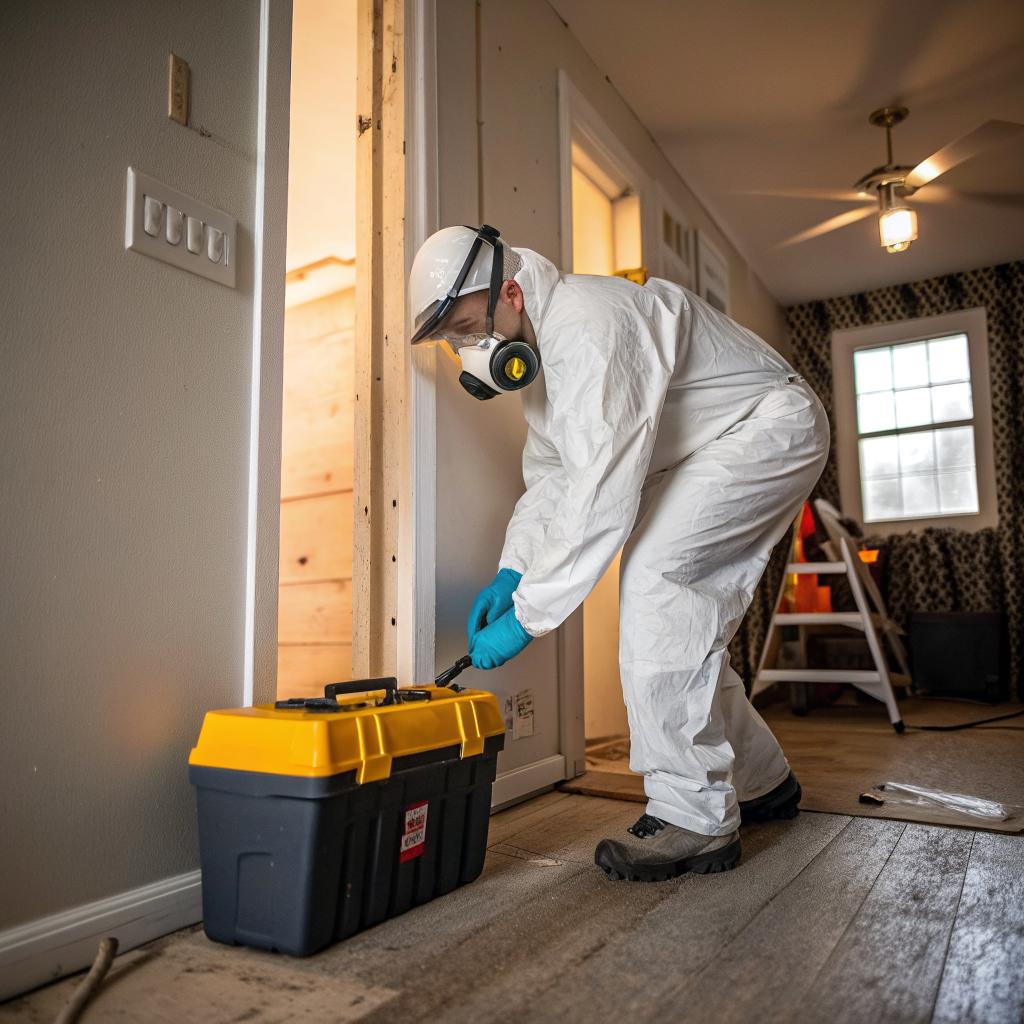
So, you are trying to figure out why smart remodelers hire exterminators Fort Worth before or during a project. They do it because pests can ruin new work, delay jobs, and quietly destroy floors, walls, and cabinets you just paid for.
If you are planning a remodel, it is very easy to focus on materials, fixtures, and layouts and forget what is hiding behind the drywall or under that old floor. But pests are a construction issue as much as a hygiene issue. Termites eat framing. Rodents chew wires under subfloors. Roaches move into fresh kitchen cabinets. That turns a flooring or renovation plan into a repair project, and usually an expensive one.
- Things you need to know:
- Pests can destroy new flooring and subfloors from the inside.
- Remodeling often exposes or worsens hidden infestations.
- Good contractors in Fort Worth quietly plan pest control into the schedule.
- Pre-treatment is usually cheaper than fixing damage later.
- Moisture, gaps, and construction debris attract pests very fast.
- Flooring choices and install methods can help or hurt long term pest control.
If that already sounds like more work than you wanted, you are not wrong. But this is exactly why thoughtful remodelers bring in professionals early, often from a trusted group of exterminators Fort Worth, and then plan the project around what they find.
Why pests are a remodeling problem, not just a “gross” problem
When people hear “exterminator,” they usually think of seeing a roach on the counter or a mouse in the pantry. That is surface-level stuff.
For remodeling and flooring, pests become a structural and design problem.
You probably care about:
- How long your new floor will last
- Whether your framing is still strong
- If you will have to rip things up again in a few years
Pests quietly work against all of that.
Pest damage is often invisible until you remove flooring, cabinets, or drywall, which is exactly what happens during a remodel.
So the remodel itself is when problems show up. Or, if you do not look closely, when problems get covered up again with nicer finishes and become even more expensive later.
I have seen people replace beautiful new flooring only 3 or 4 years after a remodel because the subfloor was weak from termites or soaked with rodent urine. No one checked. No one treated. Everyone just focused on the showroom sample boards.
How pests quietly attack floors, walls, and cabinets
Termites and carpenter ants under your new floors
Termites and carpenter ants love wood. Subfloors, floor joists, sill plates, trim. They do not care how nice the top flooring looks.
A common pattern in older Fort Worth homes:
- Original hardwood or old carpet over a plywood subfloor
- Moisture from old plumbing or a crawl space
- Termites slowly eating the framing for years
You decide to renovate:
- Pull up carpet
- Add luxury vinyl plank or new hardwood
- Maybe reframe a wall or two
If nobody checks the subfloor for soft spots, tunnels, or frass (that fine termite “dust”), you might cover active damage with new materials. The floor still feels “ok” for a while, then starts to:
- Creak more than it should
- Dip slightly between joists
- Show gaps at transitions and baseboards
At that point, it is not a flooring product problem. It is a pest problem.
Whenever old flooring comes up in a Fort Worth home, that exposed subfloor is free inspection time. Skipping that is a bad idea.
Rodents in walls, under subfloors, and above ceilings
Rats and mice are not just unpleasant. They are tiny demolition crews.
They can:
- Chew electrical wiring and cause shorts
- Create nesting pockets in insulation
- Urinate on subfloors and framing, which soaks in and smells for years
- Use plumbing and HVAC penetrations as “highways” through your house
From a renovation point of view, it matters where you are working:
- Kitchen remodel: Rodents often run behind base cabinets and under toe kicks.
- Bathroom remodel: They follow plumbing lines and get into wet areas.
- Flooring replacement: They hide at wall edges and in voids around door frames.
If you install brand new cabinets on top of an active rodent run, do not be surprised if you hear scratching in the walls a few months later. At that point, fixing it means drilling into your new cabinets or cutting drywall again.
Roaches and ants inside brand new finishes
Roaches and ants can fit into small gaps behind:
- Baseboards
- Transition strips between floors
- Cabinet backs
- Trim and moldings
You might think “we will clean up after the remodel, it is fine.” But roaches especially love:
- Construction dust and dropped food
- Warm appliance areas
- Tiny water leaks around sinks and dishwashers
A remodel creates all three at once. New gaps, more hiding spots, and usually a lot of crumbs and debris for a few weeks.
Why smart remodelers in Fort Worth bring in exterminators early
Good remodelers usually have a mental checklist that goes beyond “what tile do you like.” Pest control is on that list, even if it never comes up in your conversation.
Smart ones do a few things:
- Ask about any signs of pests you have noticed
- Look for droppings, tunnels, or chew marks during the first walkthrough
- Plan demo work so hidden areas are exposed long enough to inspect
- Schedule pest treatments between demo and build-back
Why that timing matters:
The best time to treat for pests is when the walls, subfloors, and framing are exposed and easy to reach.
If they wait until cabinets are in, drywall is finished, and floors are down, everything gets harder and more expensive.
Think of it like this:
| Stage of Project | Pest Check Difficulty | Treatment Cost Impact | Risk of Rework |
|---|---|---|---|
| Before demo | Low | Low to medium | Low |
| During demo / framing open | Very low | Lowest | Lowest |
| After drywall, before finishes | Medium | Medium | Medium |
| After floors, cabinets, and trim | High | High | High |
Someone has to pay that “high” in the last row. Usually it is you.
How pests change flooring choices and installation methods
If you are on a home renovation and flooring site, you probably care about the material itself. Hardwood vs vinyl vs laminate vs tile. That kind of thing.
Pests should factor into those choices, especially in Fort Worth where you have heat, humidity, and plenty of insects.
Subfloor condition before you pick a new floor
Before you spend a dollar on new flooring, you want to know:
- Is the subfloor solid or spongy anywhere?
- Any visual tunnels, frass, or damaged wood?
- Any odd staining that could be from rodents or moisture?
If you lay a floating floor over a compromised subfloor, the floor can flex and move more, which creates tiny gaps. Those gaps:
- Collect crumbs
- Let moisture enter
- Create nice cozy bug pockets
So you go from “small pest issue” to “great hiding place for a bigger pest issue.”
Flooring material and pest behavior
No floor is “pest proof,” but some types help more than others in certain rooms.
| Floor Type | Pest-related Pros | Pest-related Cons | Best Rooms (for pest control) |
|---|---|---|---|
| Tile | Hard surface, does not absorb urine or odors, easy to clean | Grout lines can crack and create tiny gaps; hollow spots can hide insects | Bathrooms, kitchens, laundry rooms |
| Luxury vinyl plank (LVP) | Moisture resistant, easy cleaning, fewer seams than small-tile layouts | Floating installs can hide crumbs at edges; cheap products may separate over time | Basements, living areas, kitchens |
| Engineered hardwood | More dimensionally stable than solid wood, can be sealed well at edges | Still wood; termites and ants can use it if there is a path and moisture | Living rooms, bedrooms |
| Carpet | None, from a pest control view | Traps crumbs, absorbs odors, can hide droppings and insect casings | Bedrooms only, and even then with caution in older homes |
You do not need to pick a floor only based on pests, but it makes sense to match the material to the room risk. For example:
- Basements or rooms near crawl spaces: hard, moisture resistant floors are usually better.
- Homes with a history of rodents: fewer soft, absorbent materials and fewer hiding spots near walls.
Signs you should call an exterminator before you sign a remodeling contract
Sometimes you do not need to overthink this. If any of these are true, you should talk to a pest pro before you pick paint colors.
- You have seen droppings in cabinets, closets, or along baseboards.
- You notice soft spots or sagging areas in old floors.
- You hear scratching sounds at night in walls or ceilings.
- You smell strong, musty, ammonia-like odors in certain areas.
- You have seen bugs swarming near windows or lights at certain times of year.
Even if you have not seen anything, older homes in Fort Worth with crawl spaces are just at higher risk. Age, soil type, and moisture make a difference.
If your house is older than you are, assume there is at least some history of pests and budget for an inspection.
How exterminators and remodelers can work together without slowing your project
People worry that calling an exterminator will blow up the schedule. It usually does not if you handle it early.
Typical sequence when both teams work together
Here is a rough order that tends to work well:
- Homeowner talks to remodeler about the project and any known pest issues.
- Remodeler does an initial walk through and notes any visible signs.
- Before demo starts, exterminator does a focused inspection of key areas:
- Kitchen, bathrooms, and laundry
- Crawl spaces or basements
- Attic or roofline, if there is rodent activity
- Demo happens with extra attention to suspected areas.
- With framing and subfloors exposed, exterminator returns to:
- Spot-treat damaged areas
- Set up bait stations or exclusion points
- Recommend any wood repair or replacement
- Remodeler completes structural repairs, then finishes.
- After the job, exterminator does a quick check and sets a maintenance plan if needed.
Most of this can happen with only one extra site visit and a few hours of work. That is not nothing, but compare it to ripping out an entire brand new section of kitchen floor because of missed termite damage.
Common mistakes homeowners make with pests during a remodel
You are not the first person to think “we will deal with pests later.” It is very common. Some recurring mistakes:
1. Trusting temporary quiet as a “fix”
During heavy construction, you might notice less pest activity. Loud noise, vibration, people walking around all day. Pests hide.
Then the crews leave, and everything goes quiet again. The rodents and roaches come right back out. So a lot of homeowners think the remodel somehow “scared them away” permanently. It did not.
2. Sealing everything without solving the source
A new floor and fresh caulk lines around baseboards look tight. But if you still have:
- Gaps under exterior doors
- Holes around plumbing lines
- Open vents or damaged screens
you have not fixed the main highways pests use to enter. You just made it a little more interesting for them to find your kitchen.
A good exterminator does “exclusion” work at the same time as the remodeler does trim and finish work. That coordination matters.
3. Ignoring the attic and crawl space because “we are just doing floors”
Floors connect to framing, framing connects to walls, walls connect to ceilings and roofs. Pests treat the house as one connected space, not separate projects.
You might be replacing only the main level flooring, but:
- Rats or mice might live in the attic and travel down wall cavities.
- Termites might come from a damp crawl space and eat up into subfloors.
So yes, even for a “simple” floor upgrade, looking at the spaces above and below is smart.
Where Fort Worth homes are especially vulnerable
Every region has its quirks. In Fort Worth, a few things stand out:
Heat and humidity
Warmth speeds up insect life cycles. Humidity and moisture from rain or plumbing leaks help termites and other wood destroyers. Areas to watch:
- Bathrooms with older plumbing
- Laundry rooms without good venting
- Kitchens with slow leaks under sinks or fridges
A flooring or remodeling job gives you a chance to fix ventilation and leak issues while the walls or floors are open. That, combined with a treatment, breaks the cycle.
Crawl spaces and pier-and-beam foundations
Plenty of older Fort Worth homes sit up off the ground. Those crawl spaces can be:
- Damp
- Dark
- Full of gaps around plumbing and ductwork
Which is perfect for:
- Termites
- Rodents
- Spiders and other insects
If your remodeler never looks under the house, and the exterminator never treats under there, the problem will simply move back up into your new living space after the job.
Budgeting: how much to set aside for pest work during a remodel
Costs vary a lot, so I am not going to quote numbers, but you can think in ranges.
For smaller projects (like one room of flooring or a bathroom refresh), people often set aside nothing for pest work. That is a mistake.
A more realistic approach:
- Set aside a modest percentage of your project cost for inspection and basic treatment.
- If you have known issues (droppings, visible damage), plan for more aggressive work and possible repairs.
Small, preventive work like sealing exterior gaps, treating key framing areas, and installing a few bait stations is usually much cheaper than structural repair later.
The catch is that you will not know the full picture until demo. So expect some flexibility. That is not fun, but it is honest.
Questions to ask your remodeler and your exterminator
If you want to avoid surprises, ask direct questions. Some homeowners are shy about this, but you are paying, so it is fine to push a little.
Questions for your remodeler
- “Do you routinely check for pest damage when you open walls or floors?”
- “Have you worked on houses in my area that had termite or rodent issues?”
- “If you see pest damage, what is your process for stopping work and informing me?”
- “Will you coordinate with an exterminator if we need one, or should I handle that?”
If a contractor brushes this off or says pests are “not really our thing,” that is a bit of a flag. They do not need to be pest experts, but they should respect the issue.
Questions for your exterminator
- “What areas of my home worry you most given the project I am planning?”
- “When during the remodel should you come out to get the best result?”
- “What kind of minor repair or sealing should my remodeler handle vs what you handle?”
- “Do you offer any warranty that still applies after new floors or cabinets go in?”
You want both pros to talk at least a little, even if it is just a short phone call. You do not need to sit on that call. Just ask them to coordinate timing and areas of focus.
Practical steps you can take as the homeowner
You do not have to run the show, but there are a few simple things you can do before, during, and after the project.
Before the remodel
- Walk the house and list any rooms where you have:
- Seen pests
- Heard scratching
- Noticed odd smells
- Share that list with both your remodeler and exterminator.
- Ask for a basic pest inspection, especially in older or lower parts of the house.
- Decide ahead of time how much extra budget you are willing to put toward pest-related repairs if something is found.
During the remodel
- Ask to see photos of any suspicious damage the crew uncovers.
- Keep the site as clean as is reasonable:
- Food waste in sealed bags
- Daily sweep of major debris
- Confirm that holes and gaps created for new plumbing or wiring are sealed once inspections and work are done.
After the remodel
- Do a slow walk around:
- Look at baseboards, under sinks, and in corners.
- Check for new gaps or cracks that appeared late in the job.
- Schedule a quick pest check, even if nothing seems wrong. An extra set of eyes is helpful.
- Keep food storage and trash management tight for the first few months to avoid attracting new pests to a freshly disturbed house.
Is it ever safe to skip hiring exterminators during a remodel?
You might be wondering if this is all overkill. Maybe you live in a newer house or you have not seen a bug in years.
In my view, skipping a professional is less risky if:
- The house is fairly new and has a current pest warranty.
- There is zero visual evidence of pests or damage in the area you are remodeling.
- The project is very small and not touching walls, subfloors, or plumbing.
Even then, I would at least ask your remodeler to photograph the subfloor and framing when they open things up. Sometimes pictures are enough to say “ok, we are fine” without paying for more services.
Where I think skipping a pro is a bad idea:
- Older Fort Worth homes with crawl spaces
- Any home where you have seen droppings, tunnels, or swarms
- Major kitchen, bathroom, or whole-flooring projects
Could you get lucky? Sure. But relying on luck for something that can quietly wreck a five-figure remodel is not a great plan.
Q & A: Common homeowner questions about pests and remodeling
Q: If my remodeler does not mention pests, should I bring it up?
Yes. Just ask a direct question like “When you open the floors and walls, what will you look for in terms of pests or damage?” If they have a good answer, that is a good sign. If they shrug it off, consider pulling in your own exterminator.
Q: Can I just use store-bought sprays during the remodel instead of hiring someone?
You can, but sprays mostly deal with surface bugs. They do not address nests in walls, damage under subfloors, or entry points from outside. For a serious remodel that exposes framing, it makes more sense to at least get a one-time professional inspection and treatment plan.
Q: Will pest treatments damage my new floors or finishes?
Modern treatments are usually targeted and applied in cracks, wall voids, and exterior soil, not sprayed all over visible surfaces. Tell your exterminator exactly what materials you are installing and where, so they can avoid any products that might stain or react.
Q: If I have to replace damaged subfloor or framing, is that my remodeler or exterminator?
Structure is typically your remodeler’s job. The exterminator handles inspection, treatment, and prevention. The best situation is when the exterminator marks what needs attention and the remodeler repairs or replaces it while things are already opened up.
Q: Does all this pest planning really matter if I am “only” changing flooring?
It does, because flooring sits on top of whatever story your subfloor and framing are telling. If that story includes termites, rodents, or water intrusion, your nice new floor is just a temporary cover. Spending a little time and money now usually saves you from paying to redo the same space in a few years.
So before you sign off on that beautiful flooring quote, what do you actually know about what is under it right now, and who is living there besides you?