
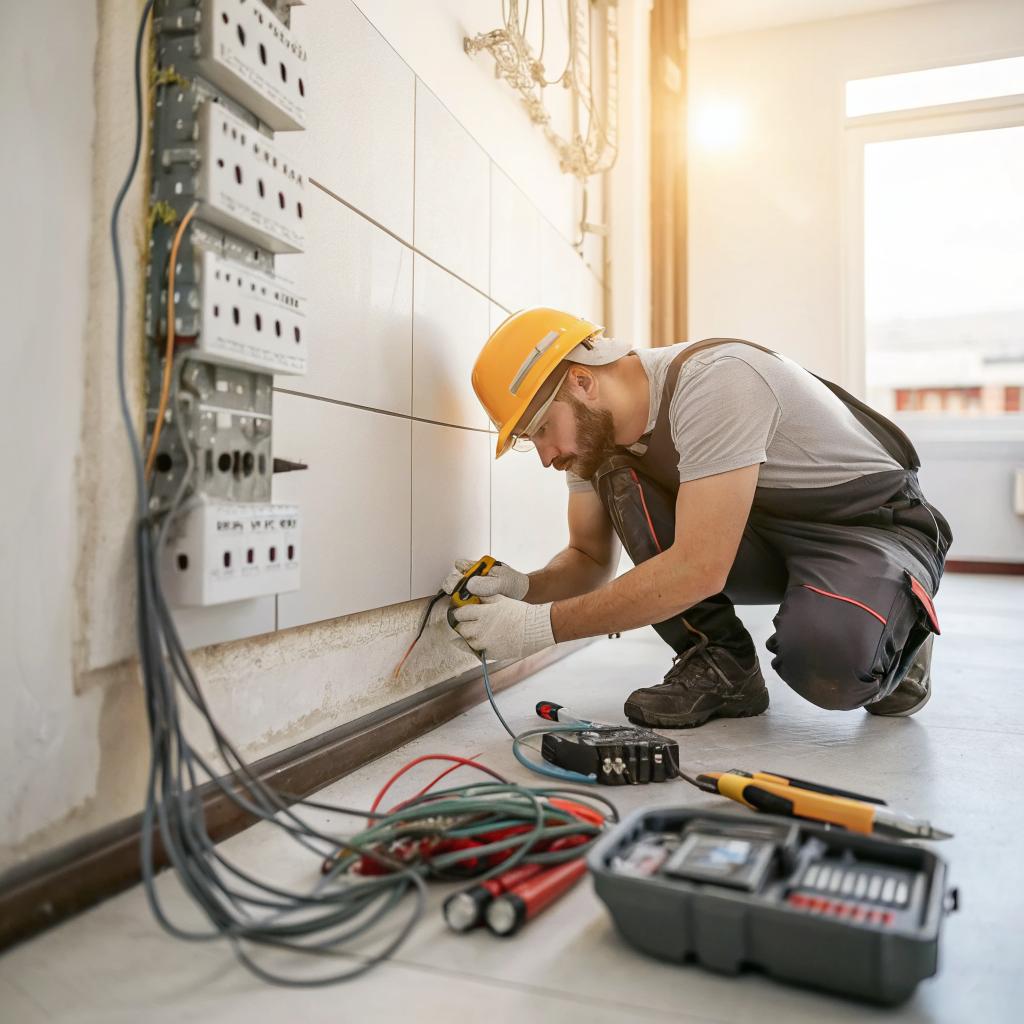
So, you are trying to figure out why home remodelers need electrical contractors in Des Moines, especially when the project might feel simple, like new flooring or a kitchen facelift. They need them because any serious remodel that touches wiring, lighting, outlets, or appliances has to be designed and installed by a licensed electrician to be safe, legal, and ready for future upgrades.
That is the honest answer. If you are opening walls, moving walls, changing how a room is used, or even just adding a lot of new lighting, you quickly move past the point where a handyman or a DIY video is enough. Wiring sits behind everything you see: the floors you walk on, the cabinets you install, the heated bathroom tiles, the under-cabinet lights. If the electrical work is wrong, the rest of the remodel is at risk. Fire risk, shock risk, failed inspection, or just a remodel that cannot support how you actually live.
For local projects, homeowners and remodel contractors usually lean on licensed electrical contractors Des Moines because they understand local codes, permit rules, older Des Moines homes, and how to coordinate work so the flooring, drywall, and finishes do not get torn up later.
Things you need to know
- You are legally required to meet electrical code on remodels that expose or add wiring.
- Wrong electrical work can void insurance or slow a home sale.
- Good electricians protect your flooring, walls, and finishes from avoidable damage.
- Modern lighting and smart home features often need panel upgrades and extra circuits.
- Planning electrical early in the remodel saves money and avoids change orders.
- Not every remodeler is strong on electrical planning; the electrician fills that gap.
Why electrical work matters so much in a remodel
Most people think of remodeling as colors, tiles, and surfaces. Floors, paint, cabinets. That is what you see every day, so it makes sense. But the strange part is how much of your comfort comes from what you cannot see.
Your lighting, your outlets, your heated floors in a bathroom, your kitchen appliances on separate circuits, your basement family room not tripping breakers every time the space heater clicks on. All of that lives in the electrical plan.
Good flooring and finishes make a room look new, but the electrical plan is what makes the room work for your life.
I have seen more than one project where a homeowner spent serious money on new floors, then realized after the fact that they wanted in-floor heating or floor outlets in the living room. At that point, you have awkward options: tear up the new floor, run visible cords, or just live with regret. A contractor who brings an electrician in early avoids that mess.
How electrical planning connects to flooring and layout changes
Because this is for people interested in home renovation and flooring, let us look at where electrical work and floors quietly collide.
Floor outlets and open layouts
Open floor plans are common in Des Moines homes now. You remove a wall, you open the kitchen to the living area, you shift furniture into the middle of the room. Suddenly, the outlets that used to be on that old wall are gone.
Without planning, you get an open room with lamps and devices plugged into whatever edge outlets are close enough, with cords under rugs. That is not only ugly, it can be a tripping hazard.
Before you pick flooring, ask yourself where you will plug in lamps, chargers, and media equipment in the “middle” of the room.
A good electrician can add floor outlets in safe, code-compliant spots before the new flooring goes down. That way, your layout and your power access match instead of fighting each other.
Heated bathroom or basement floors
Many homeowners want electric radiant floor heat in bathrooms or finished basements. It feels nice, especially during Iowa winters. But electrically, it is not just a simple add-on.
Floor heat often needs:
- A dedicated circuit from the panel
- Proper GFCI protection
- Correct thermostat wiring
- Load calculations so it does not overload the system
If a remodeler pours self-leveling compound or lays tile on top of a heating mat that was wired wrong, you have an expensive problem. You might end up with hot spots, a tripped breaker every time it runs, or a complete re-do of the floor.
In some older Des Moines homes, there is not enough capacity in the panel for heated floors, extra bathroom outlets, and all the new lighting. So again, the electrician needs to look at the panel early.
Protecting finished floors during electrical work
One thing homeowners do not always think about is the simple damage factor. Electrical work often involves ladders, tools, and occasional fishing of wires down walls.
The best time for heavy electrical work is before new floors, trim, and paint go in, not after.
Experienced contractors will sequence the remodel:
- Rough electrical first (new circuits, boxes, wiring)
- Inspection and testing
- Drywall, patching, priming
- Flooring installed later in the process
- Final electrical trim (install fixtures, outlets, switches) done carefully with protection on floors
If an electrician is brought in late, they might have to cut into finished walls or work over your brand-new hardwood. That is avoidable with better planning.
What a Des Moines electrical contractor really does on a remodel
It is easy to think “they just run wires and put in outlets.” The job is bigger than that on a remodel, especially when you are mixing old wiring with new expectations.
1. Planning and load calculations
Before a single wire is pulled, a good electrician will:
- Look at the existing panel and breakers
- Ask about future plans (EV charger, hot tub, finished attic, workshop)
- Count large appliances and high-draw devices
- Check existing circuits for crowding or unsafe conditions
This is where some awkward truths show up. You might need a subpanel or a full panel upgrade. It is not fun to hear, but it is better than pretending the old panel can handle everything.
2. Design for how you actually live
I think this part often gets skipped. Many remodelers ask, “Where do you want the lights?” but do not dig deeper.
A careful electrician will ask questions like:
- Where will the TV and media center go?
- Do you work from home and need dedicated circuits for office equipment?
- Do you use plug-in space heaters in winter?
- Do you plan to add more kitchen gadgets, like an air fryer, espresso machine, or double oven?
- Are you planning future changes in layout or furniture?
These answers shape the placement of outlets, the number of circuits, and the type of lighting. It also affects what happens under the floors and behind the walls.
3. Safe removal and replacement of old wiring
In parts of Des Moines, you still see older wiring types in older homes. Knob-and-tube, older cloth-covered wiring, or junctions hidden in walls. Once you open those walls, you cannot ignore that forever.
An electrician will:
- Identify obsolete or unsafe wiring
- Remove or bypass it in a safe way
- Make sure there are no hidden splices buried in walls or ceilings
- Bring grounding up to modern standards
Is it always fun? No. Sometimes fixing old wiring adds cost. But pretending it is fine just to protect a flooring budget is not wise. An honest contractor will tell you where you really should not cut corners.
4. Coordination with other trades
On a remodel, you might have:
- Flooring installers
- Plumbers
- HVAC techs
- Carpenters
- Drywall crews
The electrician has to work around all of them without wrecking each others work. For example:
- Running wires before insulation and drywall, but after major framing
- Leaving enough slack or boxes placed so tile and backsplashes line up cleanly
- Planning outlet height so baseboards and flooring transitions look right
That coordination is easier when the remodeler brings in the electrician early, not as a last-minute problem solver.
Common remodel scenarios where you really need a pro electrician
Not every project needs full electrical design. But some projects almost always do.
Kitchen remodels
Kitchens are usually the most demanding room in the house for power. You have:
- Microwave
- Dishwasher
- Garbage disposal
- Fridge
- Range or cooktop and oven
- Countertop appliances
On top of that, modern code expects more countertop circuits and GFCI protection. If you move an island, extend a counter, or add a pantry, the electrical plan follows.
From a flooring angle, kitchen remodels often involve moving or adding floor penetrations for islands or peninsula outlets. These must be placed and protected before your new tile or hardwood is laid, or you end up cutting that nice floor later.
Bathroom remodels
Bathrooms combine water, humidity, and electricity. That alone is enough reason to use a pro, but modern baths also bring:
- Heated floors
- Built-in lighting in mirrors or medicine cabinets
- Exhaust fans with humidity sensors
- Dedicated circuits for hair dryers and grooming appliances
GFCI outlets and proper bonding are not just “nice to have.” They are part of keeping your family safe, even if it adds a little cost or complexity to the project.
Basement finishing or refinish
Basements in Des Moines often start as partially finished or just plain storage. When you decide to make it a family room, office, or guest suite, the electrical plan has to step up.
Things that often come up:
- Recessed lighting for low ceilings
- Dedicated circuits for space heaters, media centers, or workout gear
- New outlets spaced correctly along finished walls
- Flood or moisture concerns, where circuits and devices need extra protection
If your basement slab gets new flooring, especially if it is glue-down or tile, now is the only real shot to run certain types of floor outlets or conduit cleanly.
Whole-house flooring change
Swapping carpet for hardwood or luxury vinyl in multiple rooms feels like a simple surface change. It can be more than that, once you think about what is plugged into those rooms.
For example:
- Rooms that used to have few outlets but now serve as home offices
- Bedrooms where you want wall-mounted lights instead of floor lamps
- Hallways that need better lighting for older family members
If electricians have access before new floors go down, they can add outlets or run new circuits with less risk of damaging finished materials.
Code, permits, and inspections in Des Moines
This is the part nobody loves, but it matters. Electrical contractors who work in Des Moines deal with permits and inspections all the time. That means they know:
- When a permit is required for remodel electrical work
- What local inspectors focus on
- Which older wiring conditions must be corrected when exposed
- What documentation will help you later, if you sell
A remodel that “skips” permits might seem cheaper now, but it often backfires when:
- A buyer’s inspector flags unpermitted work
- Your insurance company investigates an electrical fire
- You try to add more work later and a contractor will not touch the mystery wiring
Good electrical contractors do not just pass inspections; they give you a documented trail that proves the work was done correctly.
Cost vs value: is hiring an electrical contractor really worth it?
Let us be honest. A lot of people wonder if they can save money by doing some electrical work themselves, or by letting a general remodeler “handle the small stuff.”
Sometimes that works out. But often, the hidden costs show up later.
Short term cost vs long term risk
| Choice | Short term effect | Possible long term outcome |
|---|---|---|
| DIY outlets and lights | Lower upfront cost, feels satisfying | Failed inspections, tripped breakers, safety risks, rework costs |
| Handyman without license | One person handles “everything” | No permit, no clear liability, difficulty selling the home later |
| Licensed electrical contractor | Higher line item on the budget | Code compliance, documented work, safer system, easier future upgrades |
Most remodel regrets I hear about have the same pattern: something that felt “small” at the time turned into an expensive repair later. Electrical is often part of that.
How good electrical work protects your flooring investment
Flooring is not cheap. Whether you are buying hardwood, tile, or luxury vinyl plank, you are counting on it to last many years. But electrical changes can ruin flooring if they happen out of order.
Here are a few examples where planning with an electrician saves your floors:
- Pre-wiring for floor heat, then installing tile after tests are complete
- Placing floor outlets before hardwood is laid, not after
- Routing conduit under subfloor in raised areas before final surfaces are installed
Once the floors are down, every mistake costs more to fix. Sometimes twice.
How remodelers and electricians should work together
A good remodeler will have a regular electrician they trust. A good electrician will respect the remodeler’s schedule and design. When that relationship works, you benefit as the homeowner.
Early walk-through and idea session
Before demolition goes too far, the remodeler and electrician should walk the space with you and talk through:
- New room uses
- Furniture layout and TV locations
- Preferred lighting style and brightness
- Where you hate cords and clutter
- Any wish list items like smart dimmers, motion sensors, or accent lighting
This is also when they should talk about structural changes that affect wiring paths, like removing a wall or adding a peninsula.
Agreeing on sequence
They should also map out a rough schedule:
- When rough electrical happens
- When inspections are called in
- When insulation, drywall, and flooring are scheduled
- When final fixtures go in
You do not need to micromanage this, but you do want to see that there is a plan. If your remodeler is vague about when the electrician will show up or how permits work, that is a red flag.
Clear communication on changes
Remodels rarely stay 100 percent on the original plan. You might move a wall outlet, add under-cabinet lights late, or decide on different fixtures.
What matters is that each change is:
- Communicated to the electrician, not just the remodeler
- Reflected in the panel schedule and wiring layout
- Priced honestly, not hidden inside vague “extras”
If you are not sure whether a change has electrical impact, ask directly. Sometimes moving one light is simple. Sometimes it triggers bigger wiring moves behind the scenes.
Questions to ask an electrical contractor before your remodel starts
You do not have to be an expert, but you can ask smarter questions. Here are some I would use myself.
1. “What part of this project worries you the most electrically?”
This opens the door to honest talk. They might mention:
- An overloaded panel
- Very old wiring that might need replacement
- Tight spaces that are hard to fish without opening more walls
- Code updates that could affect your plan
If they say “nothing at all” on a complex remodel, I would be a little suspicious. Every job has at least one tricky detail.
2. “Should we be thinking about a panel upgrade now or later?”
Even if you do not do the upgrade now, you want a clear answer. Ask them:
- How full is my current panel?
- Will this remodel max it out?
- What future projects would force a panel change?
Sometimes it is smarter to bite the bullet during a major remodel, while walls are already open and trades are already on site.
3. “How will you protect new floors and finishes when you come back for final work?”
Listen for practical steps, like:
- Using floor protection boards or runners
- Removing boots or using clean shoe covers in finished areas
- Doing dust-producing work before final cleaning and move-in
If they shrug this off, they may not respect your flooring the way you hope.
Why DIY electrical is especially risky during a remodel
This is where I will push back slightly on a common idea. Many people say, “I can change a light or an outlet, so I can probably handle this part of the remodel myself.” Sometimes that works out, yes. But a remodel is a different situation than swapping a single device.
During a remodel, electrical decisions are often interconnected:
- Circuit loads change
- GFCI and AFCI protection rules kick in
- New construction rules apply to walls that were opened
- Permits and inspections are more likely to be involved
It is not just “black wire to black, white to white” anymore. A small misunderstanding can ripple through the rest of the system.
Also, once you put new drywall up and install flooring, your mistakes are trapped where nobody can see them until a problem happens.
How electrical upgrades can raise your home’s long-term value
Sometimes people see electrical work as a sunk cost. You cannot show it off like new counters. But from a buyer’s point of view, a house with modern electrical, labeled panel, and recent inspections is attractive.
Some upgrades that tend to help long term:
- New or upgraded electrical panel with space for future circuits
- Plenty of outlets in living areas and bedrooms
- Updated GFCI and AFCI protection where required
- Exterior lighting and outlet upgrades that help with security and outdoor living
Paired with new flooring and surfaces, this gives your home the feel of a well thought out renovation rather than a cosmetic face-lift hiding old problems.
Bringing it back to your project
If you are planning a remodel in Des Moines and you care about flooring, layout, and long-term comfort, it might help to ask yourself a few direct questions now:
- Am I changing how any rooms are used, not just how they look?
- Will I be adding more lights, outlets, or heating to floors or walls?
- Does my current panel already feel “maxed out” with tripping breakers?
- Do I want options later, like an EV charger, hot tub, or workshop?
If you answered yes to more than one or two, then bringing in a licensed electrician early is not overkill. It is just smart planning.
Common questions homeowners ask about electricians during remodels
Q: Can my remodeler handle the electrical without a separate contractor?
A: Some remodelers are licensed to do electrical work, but many are not. Even when they are, large or complex projects often still benefit from a dedicated electrical contractor who does this work every day. You should ask directly who is pulling the permits and what license they are using.
Q: Do I really need permits for electrical work inside my own home?
A: For minor repairs, sometimes no. For remodels that add circuits, change wiring, or open multiple walls, permits are usually required by the city or county. Skipping them can cause problems later with insurance or resale, and a reputable electrician in Des Moines will not want to skip that step.
Q: Will hiring an electrician delay my flooring or other finishes?
A: It can, if they are brought in late. If you involve your electrician early in the planning, they can schedule rough work so that flooring installers have a clean, ready space. The timing issue is usually a coordination problem, not a reason to avoid a pro.
Q: What is one thing I should talk about with an electrician before I buy flooring?
A: Ask if any of your plans might need wiring in or under the floor. Things like floor outlets, heated floors, or moving islands or walls can affect the subfloor or slab. Clearing that up first keeps you from cutting into brand new flooring to fix a preventable problem.