
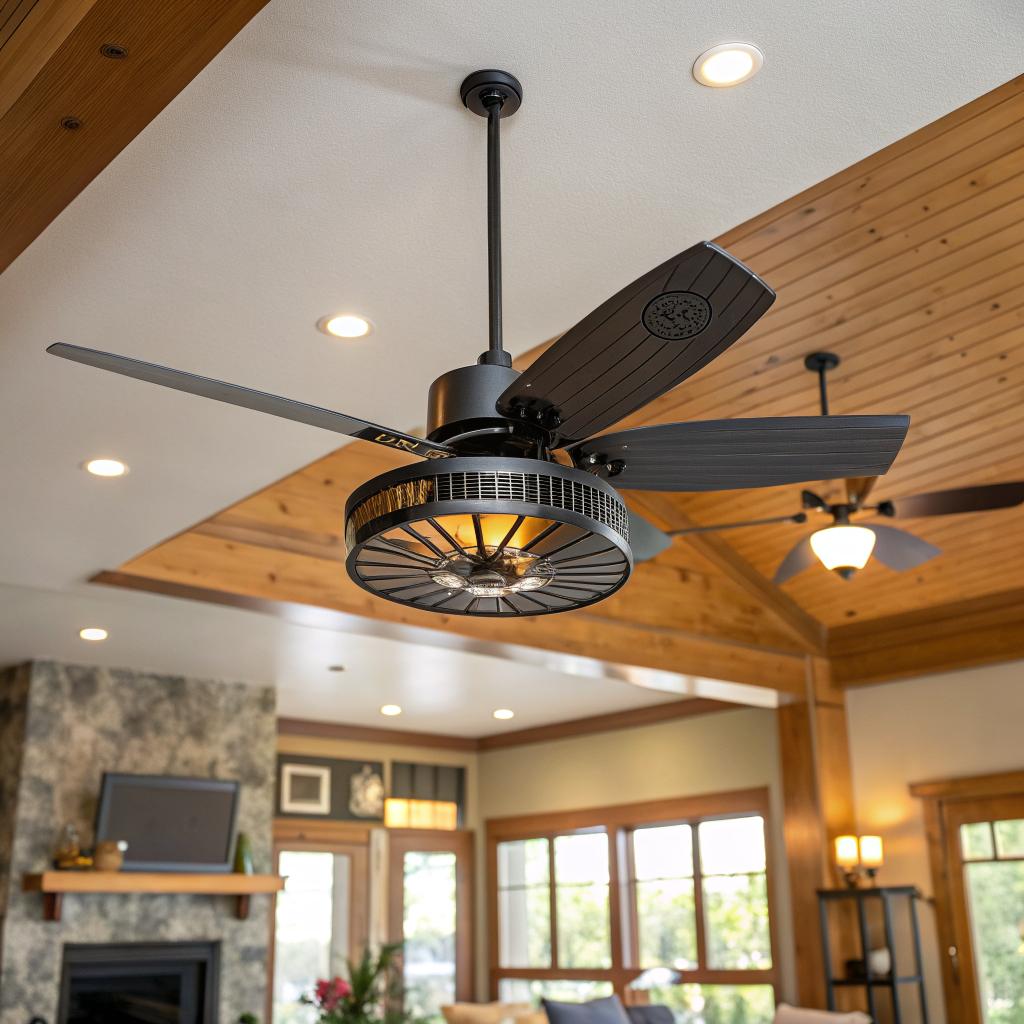
So, you are trying to figure out how whole house fans Colorado Springs boost comfort in a real home, not just in theory. The short answer is that a whole house fan pulls cool outdoor air through your rooms and pushes hot, stale air out through the attic, which drops indoor temperatures, lightens the load on your air conditioner, and makes your house feel fresher and more comfortable, especially on Colorado evenings.
That is the basic idea. The longer story is that comfort is not only about the thermostat number. It is about air movement, humidity, how your floors feel under bare feet at night, and how long your upstairs stays livable after a hot afternoon. In a dry climate like Colorado Springs, with big temperature swings between day and night, a whole house fan can change the daily rhythm of how you cool your home. It can also quietly affect how your floors, finishes, and renovation work hold up over time.
Before we go deeper, here are a few key points to keep in your head as you read.
- Whole house fans work best in dry climates with cool nights, which fits Colorado Springs.
- They cool by moving large amounts of air, not by chilling it like an AC unit.
- They can cut AC use, reduce attic heat, and help protect flooring and finishes from heat and moisture swings.
- They need correct sizing, vents, and sealing in winter, or they can create new problems.
- They tie directly into your attic, so they affect both comfort and building materials above your ceiling.
To keep it simple, I will walk through how a whole house fan works, how it fits a Colorado Springs climate, what it means for comfort and for your floors, and a few mistakes that make them less helpful than they should be.
By the way, if you want to see a local example of this service, here is one company that installs whole house fans Colorado Springs. I am not saying they are the only option, just giving a real reference point.
How a whole house fan actually works in a real home
Think of a whole house fan as a big exhaust fan mounted in your ceiling, usually in a central hallway. When you turn it on, it pulls cool outdoor air in through open windows and doors, then pushes the indoor air into the attic and out through attic vents.
The fan does not create cold air, it replaces hot indoor air with cooler outdoor air and speeds up heat loss from your building materials.
In Colorado Springs, evening and night temperatures are often much cooler than the daytime highs. That makes this kind of system very practical, at least on many days of the year.
The airflow pattern in simple terms
- You open a few windows on the cooler side of the house, usually shaded areas or lower floors.
- You switch on the whole house fan.
- The fan sucks air from the living space up through the ceiling grill.
- Outdoor air flows through open windows to replace it.
- The fan pushes indoor air into the attic and out through roof vents or gable vents.
This movement does two jobs at once:
- Cools the living space by flushing out hot air.
- Cools the attic, which then slows heat transfer back down through the ceiling.
That double action is why people often feel a relief in comfort quite fast, especially if the house has been locked up all day.
Why Colorado Springs is a good match for whole house fans
Not every climate plays nicely with a whole house fan. In a hot, humid place where evenings stay sticky and warm, they can be underwhelming. Colorado Springs is different.
Cool nights and dry air
The city sits at higher elevation, with relatively low humidity and a decent drop in temperature at night. That means by the time the sun is going down, the outdoor air is often cooler than the air trapped in your home and attic.
That temperature contrast is what a whole house fan needs. The bigger the difference, the more comfort you feel when you pull that cooler air through the house.
Solar gain and hot attics
Roofs in Colorado get serious sun exposure. Even if the outside air is not extreme, the attic can get very hot. Heat in the attic radiates into the living space and raises the surface temperature of ceilings, walls, and even upper floor subfloors.
When you vent the attic aggressively in the evening with a whole house fan, you are not only cooling the air, you are cooling the building shell that keeps radiating heat long after sunset.
If you have ever walked upstairs at 9 pm and felt like it was still 3 pm up there, that is what you are fighting.
Comfort beyond the thermostat number
Comfort is a bit messy. It is temperature, but also how fast air is moving across your skin, how stuffy a room feels, and how your home surfaces hold heat.
Air movement and perceived temperature
Still air at 76°F can feel warmer than moving air at 78°F. A whole house fan creates a gentle, steady breeze across rooms, which helps your body release heat through convection and evaporation.
So you might set your AC higher, or run it less, and still feel okay because the moving air tricks your body into feeling cooler.
Stale air, odors, and indoor pollution
Many homes get sealed tighter during upgrades. New windows, extra insulation, better doors. Good for energy, but sometimes you trap more indoor pollutants, cooking odors, and moisture.
A whole house fan can flush that out faster. Think about:
- Cooking smells after a big dinner.
- Paint fumes from a new remodel or flooring adhesive.
- Dust and fine particles from sanding or renovation work.
Running the fan for 15 to 20 minutes can clear the air much faster than small bath fans or a barely cracked window.
How this connects to home renovation and flooring
If you are reading on a site that focuses on renovation and flooring, you might be wondering why we are talking so much about attic fans. There is a real link.
Temperature swings and your floors
Different flooring types react differently to heat and dryness:
- Hardwood expands and contracts with both temperature and humidity changes.
- Engineered wood is more stable but not completely immune.
- Luxury vinyl plank can soften or expand with excessive heat, especially in sun rooms and upper floors.
- Tile is more stable, but grout and subfloor materials still react to temperature.
When the attic is very hot, the ceiling and the subfloor above or below it can stay warm long into the night. That keeps the entire room envelope hotter, and your finishes constantly ride these swings.
By cooling the attic and the upper parts of your home faster each evening, a whole house fan can soften daily temperature swings that stress flooring, adhesives, and trim over time.
I am not saying a fan will “save your floors” in some dramatic way, that would be exaggerated. But it does take a bit of pressure off the materials, especially in rooms under dark roofs or over garages.
Renovation dust and odor control
If you are in the middle of a remodel, or planning one, you know the mess: cutting tile, sanding drywall, grinding concrete, or laying new hardwood. Good contractors use vacuums and plastic barriers, but some dust and smell spread anyway.
A whole house fan, used carefully, can help pull contaminated air out through the attic while you pull fresh air from cleaner spaces or from open windows away from the work zone.
I would still use proper containment and personal protection. The fan is not a fix for every issue. But having the ability to purge air fast, once or twice a day during a messy project, makes the house more livable while you work on it.
Whole house fan vs air conditioner vs attic fan
People often mix these terms, so let us separate them. It matters for comfort and for what you choose to install.
| System | Main purpose | Where it operates | Primary benefit | Typical use time |
|---|---|---|---|---|
| Whole house fan | Pull cool outdoor air through living space | Living areas and attic | Fast cooling in evenings / mornings | Cool nights, shoulder seasons |
| Central AC or mini split | Actively cool indoor air | Living areas | Precise temperature control | Hot days and nights |
| Attic fan (only) | Vent hot attic air | Attic space only | Reduce attic heat and roof stress | Hot, sunny daytime |
In many Colorado Springs homes, the sweet spot is using a whole house fan to pre-cool in the evening or early morning, then running AC less during the peak afternoon hours.
Where whole house fans shine in Colorado Springs homes
Two story homes with hot upper floors
In many two story houses, the upstairs turns into an oven in late afternoon, while the main floor stays somewhat reasonable. If you only have one thermostat, usually on the main floor, you might end up cranking the AC so the upstairs is bearable, while downstairs gets too cold.
A whole house fan helps level this out by purging hot air from upstairs quickly once the outdoor air cools. That can mean less tug of war with the thermostat and fewer arguments about “it is freezing down here, but roasting up there.”
Older homes with weaker ducting
Some older houses in Colorado Springs have retrofit AC systems where the ducts are not perfectly balanced, or there is not enough return air upstairs. These systems manage, but not gracefully, especially in long heat waves.
A whole house fan is not a fix for bad duct design, but it is a pressure release. When the sun drops, you give the system help by clearing trapped heat from both the attic and the living space.
Home offices, hobby rooms, and workshops
If you have a second floor office or a converted attic space, comfort matters for productivity. Those rooms can be the last to cool and the first to overheat.
Pulling a cross breeze through them with a whole house fan in the evening can make late work or late hobbies more tolerable without running AC at full throttle all night.
Energy, cost, and noise: practical things people worry about
Do whole house fans really cut cooling costs?
They can, but the real answer is “it depends how you use them and what your house is like.” In a climate like Colorado Springs, many people manage to run AC much less on spring and fall evenings, and some summer nights too.
A large whole house fan uses much less electricity than a central AC compressor. If you run the fan on many evenings instead of AC, you save. If you turn the fan on while your AC runs and leave windows closed, you do not save much at all and might even hurt the AC performance. That would be poor use.
Noise levels and living with the fan day to day
Older whole house fans could be loud, with a deep drone that some people hated. Many newer models are quieter, but they still move a lot of air, so silence is not realistic.
Before installing, think about where you want quiet. If the fan sits near bedroom doors, you might hear it more. Some people like the white noise for sleeping, others find it annoying. It is very personal.
If you are planning a renovation, you can often choose a spot for the fan while you are already opening ceilings or moving framing. That planning step can improve both comfort and how the house sounds at night.
Key installation details that affect comfort
This part is where many projects fall short. A whole house fan is not only a big propeller in the ceiling. It is a system that needs the right support to work well.
Correct sizing for your home
Installers usually size whole house fans based on the homes square footage and ceiling height. The goal is a certain number of air changes per hour. Too small, and the fan feels weak. Too large, and you can get drafts and pressure issues.
People sometimes think “bigger is always better.” I do not agree. A giant fan that rattles doors and pulls ashes from the fireplace is not comfortable. The right size for the home and attic ventilation is smarter.
Attic vent area
The air the fan pushes into the attic needs to get out. If the attic vents are too small or partly blocked by insulation or debris, several things can happen:
- Back pressure builds, making the fan noisy and less effective.
- Some air can force its way back into the house through leaks or recessed lights.
- In extreme cases, it might even push air sideways into wall cavities.
A good installer checks total vent area and may add or open vents so the fan can breathe. This detail affects both performance and how your home materials handle the new airflow pattern.
Sealing and insulation around the fan
In winter, you do not want a big opening in your ceiling leaking warm indoor air into the attic. Quality whole house fan setups include:
- Insulated doors or covers that close tightly when the fan is not running.
- Air sealing around the fan housing to avoid leaks.
- Sometimes an insulated box or cover that you place over the fan in the coldest months.
This matters for comfort on the flip side of the year. Poor sealing can leave some rooms feeling drafty or colder in winter, which works against everything you did to make the house cozy.
How a whole house fan affects indoor humidity
Colorado Springs is dry much of the year, which helps. When you pull outside air in at night, you are usually not bringing in heavy moisture, unlike coastal cities.
Still, think about a few scenarios.
After showers and cooking
Running the whole house fan for a short time after several showers or a lot of cooking can clear moisture quickly, especially if you also crack a bathroom window or kitchen window.
This helps reduce condensation on windows, protects paint, and lowers the risk of minor mold spots in corners. From a flooring point of view, lower indoor humidity swings mean less stress for hardwood and some adhesives.
Summer storms or rare humid days
Occasionally, Colorado Springs gets a sticky day or evening. On those nights, pulling humid air in may not feel great. In that case, you simply do not use the fan. You let your AC handle cooling instead. Part of comfort is choosing the right tool for the day.
Practical tips for getting the most comfort out of your fan
Use timing to your advantage
- Start the fan when outdoor air is a few degrees cooler than indoors, often early evening.
- Run it to pre-cool the house and attic, then shut it off and close windows before outdoor air warms again in the morning.
This pattern helps your home “start the day cooler,” so your AC has less work to do in the afternoon.
Create smart airflow paths
You do not need to open every window. Instead, think about intentional paths:
- Open windows in the coolest, shadiest sides of the house.
- In bedrooms, crack windows so you feel a light breeze but not a blast.
- If you have a room that tends to hold odors or heat, make sure it is along the airflow path.
This kind of simple planning can raise overall comfort more than just flipping the switch and hoping for the best.
What can go wrong or feel disappointing
To keep this honest, whole house fans are not magic. There are situations where people install one and later feel underwhelmed.
Case 1: Running the fan on hot evenings
If the outdoor air is still warm or warmer than indoors, all the fan does is circulate hot air. That can feel worse, not better. Some homeowners forget this and flip the fan on simply because the house feels stuffy, without checking outside conditions.
Quick fix: Check outdoor temperature before using the fan. If it is not cooler out there, you wait.
Case 2: Poor window and door habits
Running the fan with all windows shut, or only one small window cracked, is not right. You can build too much negative pressure:
- Doors slam or rattle.
- Air may pull down through chimneys or water heater vents, which is unsafe.
- Airflow feels harsh in the one open spot.
I know this sounds basic, but people get busy and forget. The fan should be used with a few well placed openings, not a single tiny crack.
Case 3: Ignoring winter sealing
If the fan is not sealed and insulated correctly for winter, you may notice:
- Cold drafts around the fan grill.
- Higher heating costs.
- Condensation issues in the attic from warm moist air leaking up.
That last one can affect roof sheathing and attic framing over the years. So the off-season setup matters almost as much as summer use.
Impact on different flooring types and finishes
Since the site focuses on renovation and flooring, it makes sense to dig a bit more into that side.
Hardwood and engineered wood
These materials breathe. They take in moisture and release it. Repeated cycles of high heat plus dry air can lead to:
- Gaps between boards.
- Minor cupping or crowning.
- Finish wear in stressed areas.
A whole house fan, used at the right times, can flatten peaks in temperature. You probably still have seasonal movement, but the shock of “attic oven to cooled room” is softened.
Vinyl plank and laminate
Vinyl plank is fairly stable but can still expand if it gets quite warm, especially darker colors in sun exposed rooms. Laminate has a wood-based core that reacts to humidity as well.
By cooling upstairs rooms faster in the evening, the fan reduces the amount of time these floors sit at higher temperatures. Over many years, that can influence how well click joints and seams hold up, especially at transitions near exterior doors or big windows.
Tile, grout, and subfloors
Tile itself does not care much about temperature changes, but the materials around it do:
- Subfloor plywood or OSB expands and contracts.
- Mortar and grout joints see thermal stress.
A more stable indoor temperature profile is kinder to that whole sandwich of materials. A whole house fan is one of several tools (insulation, shading, window films) that can move your home in that direction.
Questions people often ask about whole house fans in Colorado Springs
Do I still need air conditioning if I install a whole house fan?
In Colorado Springs, many people still want AC, especially for very hot stretches or nights that stay warm. A whole house fan can reduce how often and how long you run the AC, but it does not replace cooled air on those really tough days. If you are very heat sensitive, skipping AC entirely is probably not realistic.
Will a whole house fan make my floors colder in winter?
If it is installed and sealed properly, the fan should not noticeably cool your floors in winter when it is off. Any draft you feel at that point is more about poor sealing, which is fixable. When the fan runs, it is usually in warmer months.
Can I install one myself during a renovation?
Some handy homeowners do, but you need to handle electrical work, structural framing, and attic vent checks. If your renovation already includes electrical upgrades or ceiling work, coordinating with a qualified installer during that phase can be smarter and safer. Cutting corners here can affect comfort, safety, and how your new finishes age.
Is a whole house fan worth it if I am planning new flooring and a remodel?
If your home tends to overheat in the late afternoon and evening, and you are already investing in better floors and finishes, I think a whole house fan is at least worth serious consideration. It is not the only upgrade that affects comfort, but it works together with insulation, shading, and AC. In a dry, cool-night climate like Colorado Springs, the combination can make your renovated space feel better, not just look better.