
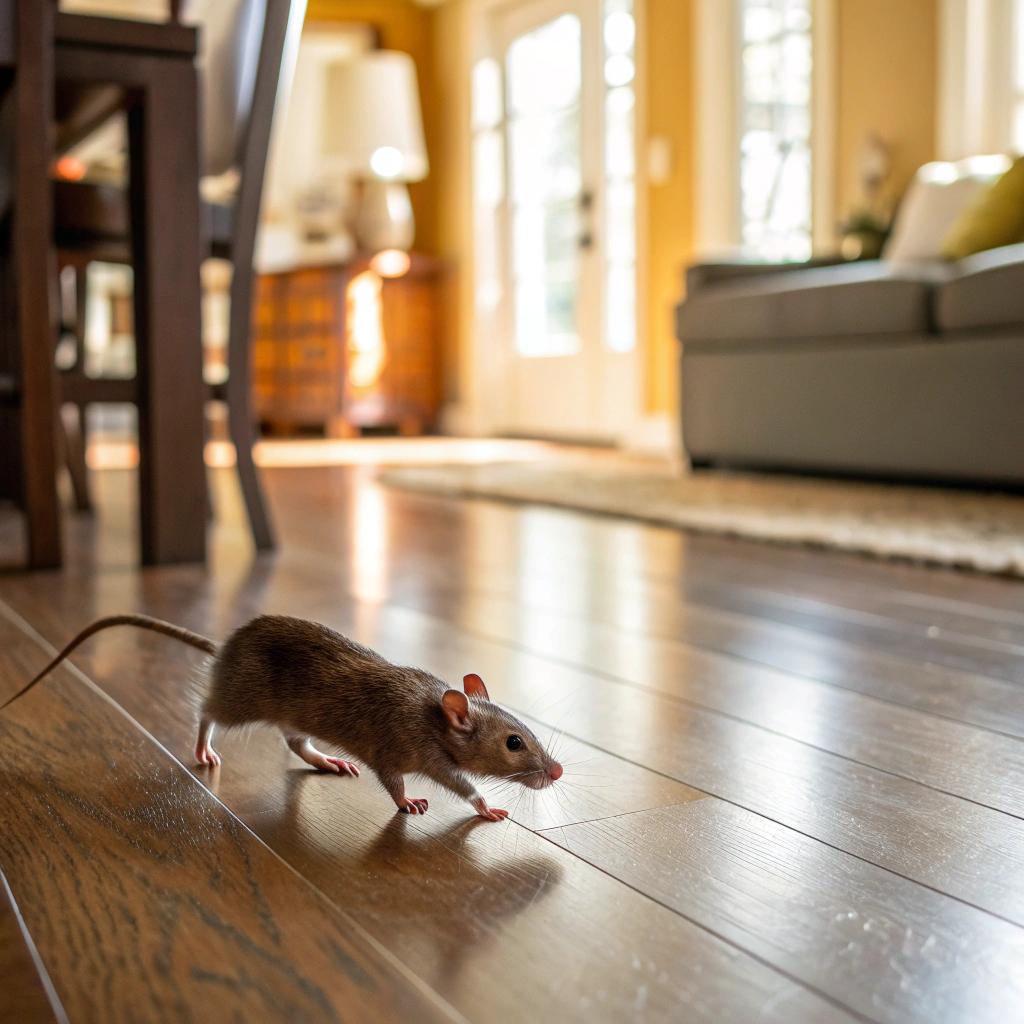
So, you are trying to fix rodent control in Dallas so your new floors do not get ruined right away. The short answer is that you need to seal entry points, manage food and clutter, use traps in the right spots, and, if activity is more than light, bring in a local rodent control Dallas service before the damage spreads under and around your flooring.
You probably spent a lot of money and energy on those new floors. Maybe you replaced old carpet with hardwood or luxury vinyl, or you updated a tired tile floor. Then someone hears noises in the walls, or you see droppings in a corner, and it suddenly hits you: rodents do not care that you just renovated. They chew the subfloor, stain planks, tunnel under insulation, and drag debris into every gap they find. If you are in the middle of a remodel, or you just finished, this is the best time to take rodent control seriously, because you still remember where things are open and where you might have weak spots.
- Rodents can damage the parts of your floor you cannot see, not just the visible surface.
- Small gaps around pipes, doors, or cabinets are enough for mice to get in and start nesting.
- Food, trash, and stored material in renovation areas are like an invitation for rats.
- Moisture problems under floors make rodents and insects more likely.
- Good rodent control is part of good home maintenance, not just a reaction to one mouse.
- You need both prevention and response: blocking entry, cleaning, trapping, and sometimes professional help.
Why rodents are such a problem for new floors
If you are like most homeowners, you think of teeth marks in a cereal box, or droppings in a pantry. That is annoying, but it feels small.
For floors, the trouble is hidden.
Rodents move in the spaces you do not see: under the subfloor, in wall cavities, behind baseboards, under cabinets, inside HVAC chases. For a flooring project, those areas matter more than you might think.
Here are a few ways rodents target new floors:
Rodents ruin floors from the underside first, where you normally do not look, by chewing insulation, padding, and even parts of the subfloor itself.
They also do things like:
– Soak areas with urine, which can lead to lingering odor that slowly seeps through gaps.
– Drag food scraps and nesting material under floating floors.
– Chew small channels in underlayment or vapor barrier film.
– Leave droppings along baseboards and inside closets where traffic is low.
If you installed click-together vinyl or engineered hardwood, it probably floats over a thin pad. A mouse can get into that gap from a closet corner or a loose transition strip, then run under half the room without being seen.
You might not notice right away. The floor might feel fine. Then, a year later, you peel back a board to check a squeak and find urine stains or chewed foam.
So, if you are in Dallas and planning or finishing a remodel, it makes sense to think about rodents at the same time as flooring, not after the fact.
How Dallas homes invite rodents during renovations
Dallas homes have a few features that make rodent control a bit tricky, especially when work is going on:
Slab foundations and small gaps
Many homes sit on concrete slabs. That sounds secure, but there are weak spots:
– Gaps where plumbing comes through the slab
– AC line penetrations
– Small cracks at the garage and patio transitions
– Separation under exterior doors
Mice can get through a gap the width of a pencil. Rats need a bit more space, but not much. When you renovate, you often pull trim, cut drywall, or run new lines, and those small openings stack up.
Attics, crawl spaces, and duct runs
Some Dallas homes have partial crawl spaces or tall attics. Once rodents are in those areas, they can reach:
– Top plates where wires drop into interior walls
– Gaps around recessed lights
– HVAC chases, which often open near floors or baseboards
All of this connects to the spaces under or around your floors.
Renovation clutter and food sources
During flooring work, there is usually:
– Open boxes
– Wood offcuts
– Plastic wrap
– Takeout containers
– Water bottles
If some of this hangs around for days, that can be enough to attract or feed rodents. It sounds small, but if they keep finding food and shelter, they stay.
Construction and flooring work create short windows of time when your home is more open, more cluttered, and easier for rodents to enter and settle in.
You do not need to be scared of that, but you should plan around it.
Signs rodents are already around your new floors
You do not have to tear up your floor to guess if rodents are nearby. You just need to look in the right places, and be a bit patient.
Common signs to watch for
- Droppings along baseboards, especially behind furniture or in closets.
- Grease rub marks on lower walls or corners where rats brush their fur.
- Small gnaw marks on door bottoms, trim, or cabinet kickboards.
- Soft rustling noises at night in walls or ceilings.
- Pets staring at a particular wall or corner for no clear reason.
If you had old flooring removed recently, look at any photos you took. I know that sounds odd, but sometimes you can see:
– Discolored subfloor around plumbing
– Strange stains near exterior walls
– Tunnels or trails in insulation
Those hints are useful for where to investigate now.
Subtle floor related clues
Rodents do not normally break a brand new floor quickly. Instead, they cause:
– Slight smells near floor vents or under cabinets
– Tiny dark spots at the edges of baseboards that are not dust
– A bit of loose insulation peeking in under a tub access panel
– Occasional crumbs or shredded material on the floor near a gap
If you notice more than one of those in the same area, that part of the house needs attention.
How rodents harm different flooring types
Different materials react in different ways when rodents are active. It helps to know what you are likely to face.
| Floor Type | Typical Rodent Damage | Risk Level Around Rodents | Notes for Dallas Homes |
|---|---|---|---|
| Solid hardwood | Urine stains, edge gnawing, gaps from board warping | Medium | Moisture from plumbing leaks plus urine can darken boards faster in humid months. |
| Engineered hardwood | Chewed edges, swollen core if moisture gets in, subfloor damage | High | Floating systems create hidden space where rodents can move and nest. |
| Luxury vinyl plank (LVP/LVT) | Urine under planks, chewed foam underlayment, odor trapped below surface | High | Often installed over concrete or old tile, where small cracks line up with wall gaps. |
| Laminate | Core swelling from liquids, chipped edges, underlayment damage | High | More sensitive to moisture than vinyl, so urine and leaks are a double hit. |
| Tile (ceramic/porcelain) | Grout staining, activity under backer board or slab, baseboard damage | Low on surface, higher underlayment risk | Rodents target nearby cabinets and walls, not the tile itself, but odor can seep from underneath. |
| Carpet | Nests in pad, urine odor, chewed edges at transitions | Very high | Soft padding and warmth make ideal nesting spots, especially in unused rooms. |
Floors that float on a pad, like vinyl and laminate, give rodents more invisible space to travel and nest compared to glued or nailed systems.
This does not mean floating floors are a bad choice. They are common for a reason. It just means you need better sealing around the edges and under wall intersections.
Step by step rodent protection during and after flooring work
You do not have to turn your home into a fortress. You just need a clear plan. Think of it in three stages: before flooring goes in, during installation, and after the job.
Stage 1: Before the new floors go in
This is the easiest time to address rodent risks, because everything is exposed.
Inspect the “hidden” layers
Walk the empty room and look at:
– Subfloor or slab
– Base plates of walls
– Plumbing and HVAC penetrations
– Exterior wall corners
You want to find:
– Small holes around pipes or wires
– Gaps where old trim was removed
– Cracks in the slab that meet an outside wall
Fill these with:
– Steel wool or copper mesh packed tightly into holes
– High quality sealant over the mesh
– Concrete patch for slab cracks wider than hairline
– Minimal expansion foam in larger wall cavities, trimmed flush
Do not rely only on foam. Rodents can chew through many foams. The mesh or wool helps block that.
Decide on baseboard and trim details now
Tell your flooring or trim contractor you care about rodent control. That statement alone changes how they finish edges.
Ask for:
– Tight fitting baseboards with no visible gaps at the bottom
– Caulk at the top of the baseboard where it meets the wall
– Thoughtful sealing around door casings and closet frames
It is not perfect protection, but it removes a lot of easy paths.
Check problem rooms first
Typical problem areas in Dallas homes:
- Kitchen and pantry
- Laundry room
- Garage entry and mudroom
- Under stairs
- Attic access closets
If you only have energy for a partial inspection, focus there.
Stage 2: During flooring installation
A flooring project can stretch over days. During that time, your home is more open, and people come and go.
Try to control a few basic things.
Keep food and trash under control
It sounds boring, but it matters more than people expect.
– No open food trays left overnight in work areas
– Closed trash cans for food waste, not open boxes
– Quick cleanup of crumbs and drink spills around saws and staging spots
Rodents follow smell. If the job stays clean, there is less reason for them to move in.
Watch the transition zones
Where two floors meet, like:
– Tile to vinyl
– Concrete garage to house floor
– Hall to bedroom
Those strips and thresholds sometimes leave small gaps, especially if installers rush. Before the team finishes, look at:
– Light leaks under transitions
– Loose edges that move when pressed
– Uneven cuts at doorways
Ask for fixes while they are still on site. That is simpler than patching later when you notice movement.
Limit unsealed openings each night
During a project, exterior doors might be propped open, or walls cut for new doors or windows. At the end of each workday, walk the main path from outside to inside.
Ask yourself:
– Is any hole larger than a quarter left open to outside air?
– Are any doors not closing fully because of cords or hoses?
– Are any screens missing from windows that stay open?
Push to have those temporarily sealed or closed for the night. It is not being picky. It is how you avoid a new family of mice.
Stage 3: After the floors are done
Once the installers leave, you still have a short window where smell, dust, and small gaps are fresh. That is the time to lock things down.
Create a rodent check habit
For the first few weeks:
– Walk the perimeter of each new floor once a week.
– Look behind trash cans and inside lower cabinets.
– Peek into any under-sink spaces.
– Listen at night for new noises along walls or ceiling.
It takes less than ten minutes, but it gives you a baseline. If something changes, you notice early.
Seal what the installer missed
Nothing against flooring crews, but they focus on appearance and time. That can leave tiny openings. After the job:
– Use caulk to seal hairline gaps at baseboards where you can see daylight or deep shadows.
– Add door sweeps where you see light under exterior doors.
– Install simple floor sweeps or draft blockers at garage doors that lead into the house.
If you feel cold air leaking at ankle level around certain doors, rodents feel that too.
Specific rodent control tips tied to flooring areas
Instead of thinking of rodent control as one giant project, break it into zones around your floors.
Kitchen floors and pantries
Kitchens are obvious targets.
Concrete steps that help:
- Keep pet food bowls off the floor overnight or move them to a tray you can clean daily.
- Store bulk dry food items in sealed bins, not open bags on the pantry floor.
- Install simple metal or plastic kickplates on the bottom of pantry doors if you see marks.
- Check behind the fridge and stove for gaps in the wall or floor and seal them.
If you have toe kick lighting or removable toe panels, glance under them every so often. That space is easy for rodents to use.
Bathroom floors
Bathrooms feel safe, but plumbing gives access.
Key checks:
– Look where the toilet drain, sink pipes, and tub drain meet the floor or wall.
– If you see gaps, stuff copper mesh in and seal around it.
– Keep floor mats dry. Damp mats can attract other pests that rodents then feed on.
If you replaced flooring around an old tub, confirm the access panel closes tightly.
Laundry and utility rooms
Washer drains, dryer vents, and utility lines create a cluster of openings.
Focus on:
– The dryer vent to outside. The exterior flap should close fully when not running.
– Gaps around the washing machine hose box or floor drain.
– Any unused holes in walls or floors leftover from older plumbing or gas lines.
Adding a simple metal cover or seal around these can block direct rat paths.
Garages and entry floors
A lot of Dallas rodent problems start in the garage or carport and then move to the house.
Pay attention to:
– Weatherstripping at the bottom of the garage door.
– Gaps at side doors, especially framing that meets the slab.
– Storage directly on the floor. Rodents love boxes they can tunnel under.
If your new floor meets the garage entry, that threshold is worth a second look. A small bead of sealant under the threshold piece can close a tempting gap.
When traps make sense around new floors
You do not always need pesticides or complex systems. For many homes, a few properly placed traps are enough to confirm if rodents are still around and knock the number down.
Choosing trap locations that protect floors
You want traps in places that rodents travel, but where they will not scratch up a brand new surface or leave a mess.
Smart placements:
- Inside cabinets along the back edge, on a small scrap of cardboard.
- Behind appliances, if you can slide in a trap board without forcing it.
- Along walls in unfinished areas, like the garage or attic, before they reach living space.
If you must place a trap on finished flooring, use:
– A rigid plastic tray or wood scrap under it, slightly larger than the trap.
– Painter tape to anchor the tray so it does not slide and scratch.
Avoid sticky traps on premium flooring. They can leave residue if they move or if someone steps on them.
How many traps and for how long
For a normal house:
– 4 to 8 traps is a reasonable number to start with.
– Check them daily at first, then every other day.
– Leave them out for at least two quiet weeks before you relax.
If you keep catching something after that, or if catches move from the garage toward bedrooms, it is time to escalate.
When to bring in professional help
There is a point where do it yourself effort is just not enough. I know some people try to push through with more traps, but that can drag on.
Strong signs you should call a pro:
- Noise in walls or ceiling most nights for more than a week.
- Rodent droppings in multiple rooms instead of one corner.
- Repeated damage to baseboards, doors, or insulation.
- Odor that does not go away even after cleaning visible areas.
The benefit of a local service is that they know where rodents usually enter in your part of town and how typical builders left gaps.
Professional services can:
– Locate and seal higher entry points like rooflines and eaves.
– Find nested spots in attics and walls that are easy to miss.
– Deal with infestations that already spread under flooring or inside insulation.
If you have already put in thousands on flooring, spending a bit more to protect that investment is not crazy. Some people see it as extra, but I think it is just long term thinking.
Long term habits that protect both floors and structure
Rodent control is not a one time sprint. It is more like basic car maintenance. Small habits add up and are easier than big repairs later.
Simple routines you can keep up
- Do a quarterly walk around the exterior of your house, look for new gaps at the foundation and around utility lines.
- Once a month, pull out the kitchen trash can and check the floor and wall behind it.
- Every season, check under sinks and behind the washer for droppings or chew marks.
- Keep stored items at least a few inches off the floor, on shelves or pallets.
- Wipe up spills on new flooring quickly, not just for stain control, but to avoid odor and sticky spots.
You do not have to be perfect. Miss a month, and the world does not end. But doing something is better than crossing your fingers and hoping.
Why floor choices matter for future control
If you are still deciding on flooring, or planning another project, think about:
– Cleanup speed. Smooth surfaces make it easier to spot and clean up droppings.
– Edge profiles. Deeper bevels trap more dust and small debris.
– Underlayment choice. Denser, moisture resistant underlayment is less friendly to nesting.
Sometimes the best move is just choosing what you like and then being realistic. If you pick soft, warm flooring in a seldom used room, understand that it is a nicer place for rodents too, and plan checks there.
Common questions about rodents and new floors
Can rodents really get under a completely new floor?
Yes, they can. They usually reach that space through:
– Gaps at walls and baseboards
– Plumbing and HVAC holes
– Old chases that were never fully sealed
You might not see them enter, because all of this happens behind finishes. That is why sealing during renovation is so valuable.
Will rodents ruin hardwood faster than vinyl or laminate?
Not always. Hardwood can be sanded and refinished in some cases, so surface damage might be easier to correct. Vinyl and laminate often suffer more from hidden moisture and underlayment damage. The real risk is less about the top layer and more about what goes on under and around the floor.
If I hear noises, do I need to pull up my new floor?
Usually no. Pulling up a new floor is a last resort. Start with:
– Careful inspection of attics, crawl spaces, and garages
– Sealing known entry points
– Traps in logical travel paths
You only remove flooring if there is clear evidence that the worst damage is directly under it, like strong localized odor, sagging, or visible staining along seams.
How clean is “clean enough” to discourage rodents?
You do not need a spotless home. Rodents live in messy and in clean houses. What matters more is:
– Fewer food sources they can access without effort
– Fewer quiet hiding spots full of clutter
– Entry points that are sealed as tightly as you can manage
If you handle those three, regular day to day mess is less critical.
Is rodent control really part of taking care of my new floors?
Yes, it is. Floors do not live in a vacuum. They sit on wood, concrete, insulation, and framing. Rodents attack those layers and slowly make your floors look and feel older than they are. If you already care about moisture, UV exposure, and scratches, it just makes sense to add rodents to that list.
If you had to pick one change from all this to protect your new floors, what would you start with this week: sealing one known gap, setting two traps in the right place, or walking your baseboards with fresh eyes for the first time since the work was finished?