
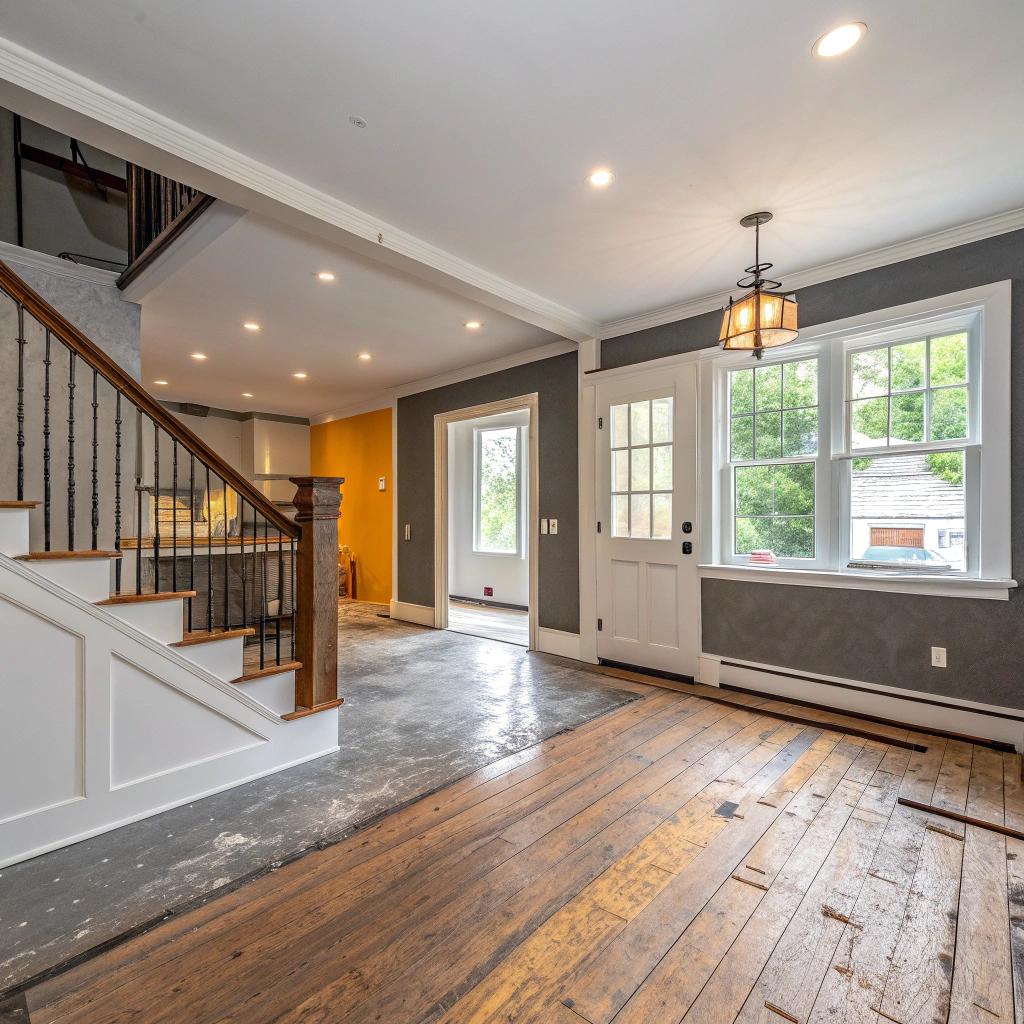
So, you are trying to figure out which home builders in Boston can actually transform your floors and spaces, not just repaint some walls and disappear. The short answer is that you need a builder who thinks like a designer, plans like an engineer, and respects your flooring and layout choices as the base of the whole project, not an afterthought.
Most people start by shopping for pretty floors or Pinterest-ready kitchens, then later try to force those ideas into an old layout. That is usually backwards. The right builder starts with structure, traffic flow, and light, then designs the floors and spaces together so they feel natural. When that happens, the result looks simple and calm, even if a lot of planning went into it.
Here are a few things you need to know before you pick one of the home builders Boston and kitchen remodeling Boston has to offer:
- You want a builder who involves flooring choices early, not at the end.
- Floor plan and floor material need to match how you live, not how someone else lives.
- Ask for real examples of projects where rooms were opened up and floors were tied together.
- Good builders speak plainly about budget, tradeoffs, and timing.
- You should walk through a clear process, step by step, before signing anything.
Why floors and layout should be planned together
If you focus only on materials, you might get a beautiful hardwood floor in a room that still feels dark and cramped. You spend money, but the space does not feel better.
A good builder treats flooring and layout as one problem. The questions sound more like:
- Where do you walk when you come in the door?
- Where do kids drop their backpacks?
- Where does the dog sleep?
- Where does light hit the floor in the morning?
Those small things guide choices like:
- Hardwood vs luxury vinyl in high traffic spaces
- Tiling only in wet zones or running wood right through the kitchen
- How to handle transitions between rooms
- Whether to keep a step down living room or level the floor
Real floor transformation is less about the plank you pick and more about how that floor connects rooms and daily habits.
If a builder jumps right to, “Do you want oak or maple?” before talking about movement, light, and noise, that is a small red flag.
How Boston homes shape your options
Boston houses are not all the same. You have triple-deckers, brownstones, small condos, and older single-family homes with strange additions from the 70s. Each type has its own limits and chances.
Older homes with uneven floors
Many Boston homes have sloped or creaky floors. You notice it more when you put in long plank flooring or large format tile.
A builder who knows the area will:
- Check framing from below, not just “eyeball” the floor from above
- Explain how much leveling is realistic without major structural work
- Tell you when tile will crack unless more support is added
- Offer choices, like engineered wood instead of solid, if movement is an issue
If a contractor says, “We will just throw down some plywood and it will be fine,” on a 100-year-old floor, you should ask more questions.
Sometimes you cannot fix every slope without opening up the whole structure. A good builder will admit that and help you pick floors that can handle a bit of movement.
Condos and multi-family spaces
In Boston condos, you are not just thinking about yourself. You are thinking about neighbors above, below, and next door, plus condo rules.
Common limits include:
- Sound rating requirements for floors
- Restrictions on moving plumbing walls
- Weight limits for stone flooring or radiant heat systems
Here, a thoughtful builder will suggest:
- Underlayment that improves sound control
- Floating floors that do not disturb neighbors
- Layouts that reuse existing plumbing lines
If your builder ignores condo documents or says “We will deal with the HOA later,” that can come back to haunt you.
What makes a builder good at floor-focused projects
Not every builder is strong with flooring-centered projects. Some like large additions or new builds and treat flooring as a small detail for the end. That is not what you want if your main goal is better floors and space.
Here are some traits that help.
1. They walk your space slowly
Watch what they do during the first visit.
A strong builder will:
- Walk the whole floor with you
- Notice squeaks, cracks, and uneven spots
- Look under carpets or old vinyl, if you allow it
- Ask where you feel cramped or frustrated
If someone rushes, looks mostly at walls, and barely talks about how you move through the house, that is a sign they might miss key floor issues later.
2. They bring up transitions early
Transition pieces between floors can make or break the look. Too many little strips and it starts to feel like a patchwork.
Better builders talk about:
- Running the same floor through connected spaces, when possible
- Using flush transitions between tile and wood
- Leveling rooms so transitions are smooth
One of the simplest ways to make a home feel larger is to reduce the number of different floor types and transition strips.
It sounds small, but it changes how the whole place feels.
3. They respect budget without sugarcoating
I think this is where many people get frustrated. Some builders promise high-end floors in every room on a modest budget. Then they ask you to “upgrade” halfway through or cut corners.
The better ones will:
- Break down costs by area: demo, prep, material, labor, trim, and repairs
- Explain where you can save without hurting quality
- Tell you plainly when a certain floor is beyond budget
You might not like hearing, “We cannot do solid white oak everywhere within that number,” but at least you know early.
Common Boston projects that mix floors and space changes
If you are trying to picture what all this looks like in real houses, these are some common project types.
Opening up the kitchen and living area
Many Boston homes have small, closed-off kitchens. A typical project might combine:
- Removing a wall between kitchen and dining room
- Adding a beam for support
- Running one type of wood floor through both areas
- Adding tile only at the cooking zone or sink
A thoughtful builder here will:
- Check if the wall is load bearing
- Plan where new posts or beams go, so they do not interrupt traffic
- Discuss how to weave new hardwood into old hardwood
- Match stain to existing floors as closely as possible
Leveling step-down living rooms
Some older homes have a sunken living room with steps down. It may look “cool” in old photos but can be a trip hazard or just annoying.
A builder might suggest:
- Framing over the lower portion to bring it up to main floor height
- Adding insulation and updated wiring during the process
- Running one continuous floor through what used to be two levels
This changes how furniture sits, makes cleaning easier, and helps rooms feel like one space.
Basement renovations with durable floors
Boston basements can be tricky. Moisture, uneven concrete, and low ceilings all matter.
Typical good choices include:
- Luxury vinyl plank that handles moisture
- Tile in sections like laundry or bath
- Engineered wood in some cases, with the right prep
The builder has to be honest about water. They should talk about:
- Past leaks or flooding
- Sump pumps or drains
- Dehumidification
If someone recommends solid hardwood in a damp basement, that is probably not the right partner.
Comparing layout and flooring options
Sometimes it helps to see choices side by side. Here is a simple table that might mirror a real discussion with a builder.
| Goal | Layout choice | Flooring approach | Pros | Tradeoffs |
|---|---|---|---|---|
| Make small first floor feel larger | Remove wall between living and dining | Same wood floor through both rooms | Smoother flow, more light, simpler look | Structural work, more flooring at once |
| Keep kitchen easy to clean | Open to dining but define cooking zone visually | Tile in kitchen, wood in dining with flush transition | Better for spills and heat in kitchen | More visible material change, careful leveling needed |
| Reduce noise in condo | Keep bedrooms away from main living space | Soft underlayment with engineered or vinyl plank | Quieter for you and neighbors | Extra materials and steps during install |
| Modernize 3rd floor in triple-decker | Rework hall to reduce wasted space | Single continuous floor in hall and bedrooms | Less visual clutter, easier cleaning | Need to adjust old doors and trim |
You can use a simple layout like this when you talk with a builder. Ask them to fill in the pros and tradeoffs for your house instead of giving vague answers.
How to talk to builders about floors without feeling lost
Some people feel they need to learn every flooring term before talking to a builder. That is not needed. You just need the right set of questions.
Questions that keep the focus on both floors and space
Try questions like these:
- “How would you change the layout here before we pick floors?”
- “Where do you see possible issues with my current subfloor?”
- “If we keep this wall, how does that affect the floor pattern?”
- “Can you show me how you handle transitions between these rooms?”
- “What would you do different if this were your own house?”
You will learn a lot from how the builder answers. Clear, simple language is a good sign. If the answer is mostly product names and buzzwords, you might not be on the same page.
Red flags to watch for
Nobody is perfect, but some signals are worth pausing on:
- They do not look under existing flooring when they can
- They avoid talking about dust, noise, and disruption
- They will not put the scope of work in writing
- They promise an exact finish date on a complex older home without any inspection
- They keep saying “no problem” to every question without explaining how
Any builder who never says, “I need to check that first,” is probably guessing more than they admit.
Some hesitation is healthy. You want someone who thinks before they commit to a plan.
What your builder should give you before work starts
You do not need a perfect 3D model, but you should have enough detail to know what will happen.
A solid pre-construction package usually includes:
- A clear floor plan with walls that will be moved or opened
- Notes on structural changes like beams and posts
- Flooring types, brands, and installation patterns written out
- Transition details between different floors
- A basic schedule by phase: demo, framing, subfloor work, flooring, trim
If the main document is only a one-page quote with “new floors” written on it, that is too vague for a serious project.
Living through floor and space work
This part is not fun, but it matters. Replacing floors and changing layout is messy, noisy, and disruptive. You need a builder who talks openly about that, not just about the end result.
Phasing and access
If you live in the home during the work, you have to plan:
- Where you will walk when certain areas are closed
- How you will cook if the kitchen is part of the project
- What rooms need to be cleared or packed up
A considerate builder might:
- Do work in phases so you always have one clear path
- Schedule loud work at agreed times
- Help you plan temporary kitchen setups
Ask direct questions like:
- “How many days will we not be able to walk on this level?”
- “Where do you store tools and materials at night?”
- “What do you expect from us during the project?”
Different flooring types and how they affect space
You probably know the main floor types. What people do not always think about is how each one affects the feel of the space, beyond how it looks.
Hardwood and engineered wood
Good for:
- Living rooms, dining rooms, bedrooms, halls
- Bringing older Boston homes up to date while keeping character
Things to discuss with your builder:
- Board width and direction: wide planks can make narrow rooms feel larger, but also show more of any unevenness
- Finish type: matte finishes hide scratches better
- Species: some woods are harder and handle traffic better
In older houses, ask directly how they will tie new wood into old wood. Patching and feathering takes skill, and not every crew has that experience.
Tile
Best for:
- Bathrooms
- Laundry and entry areas
- Some kitchens
Tile can make a small room feel clean and straightforward if the layout is simple. But large tiles on a wavy floor can lead to lippage, where one edge sits higher than the next. That is why leveling and prep matter more than many people think.
Talk about:
- Tile size and pattern
- Grout color (dark grout can hide stains)
- Heated floors, especially in basements or baths
Luxury vinyl plank and similar products
These are common in Boston for basements, rentals, and busy households.
Pros:
- Handles moisture better than wood
- Softer underfoot than tile
- Often more forgiving on imperfect subfloors
With a good builder, vinyl floors can still look high quality. The skill is in the prep, layout, and trim, not just the product.
How real people decide what to do first
Most homeowners do not remake the whole house at once. It is usually a mix of budget, time, and life changes.
You might be trying to pick between:
- Redoing the whole first floor layout and floors now
- Only updating the kitchen and its floor
- Starting with one level, then coming back later for bedrooms
The best builders I have seen are honest when they think a partial project could hurt the final result. They might say:
“If you stop the new floor at this doorway, it will create a permanent visual break. I would either continue into the hall now or pick a different stopping point that makes more sense.”
You may still choose to split the project. That is normal. What matters is that the long-term plan stays in view so each phase fits the next.
Simple checklist you can use on your next walkthrough
Here is a quick checklist you can copy and bring to your meeting with a builder. It is not fancy, but it keeps you grounded.
During the first visit
- Did they ask how you use each room day to day?
- Did they point out any floor issues you had not noticed?
- Did they mention structure when talking about removing walls?
- Did they suggest at least one idea you had not thought of?
Before you sign
- Do you have a written scope that covers floors and layout?
- Are flooring types and installation methods listed clearly?
- Is there a basic schedule with phases?
- Do you understand what areas you cannot use during each phase?
- Are payment terms clear and tied to progress, not just dates?
During the project
- Are they communicating when plans shift?
- Do they protect areas not under work?
- Do they check in with you before final layout decisions, like plank direction?
If you keep these points in mind, you are less likely to feel lost halfway through.
Common questions about working with Boston builders on floors and spaces
Q: Should I pick floors before contacting a builder?
A: You can gather ideas and preferences, but do not lock in a specific product before you talk to a builder. They may point out subfloor, height, or moisture issues that change what makes sense. Bring photos, samples, and rough budget ranges instead of final choices.
Q: Can I save money by doing demo or painting myself?
A: Sometimes. Pulling old carpet or baseboards can help, but you need to ask first. A builder may prefer to handle demo so they can control dust and protect structure. Painting after floors go in is common, but that raises the risk of drips on new finishes. Talk it through together and be honest about your own skill level.
Q: Is it worth trying to keep my old floors and just refinish them?
A: Often yes, especially in older Boston homes with solid hardwood. But it depends on thickness, past sanding, and damage. A good builder or floor pro will check if there is enough material left to sand. They might suggest a mix: patch and refinish the main rooms, install new in damaged areas, then stain all to match.
Q: How long will we be out of the house during a big floor and layout project?
A: This varies, and anyone who gives you a fixed answer before seeing the home is guessing. Many families stay in the home during phased work, though it can be stressful. Plan for several days when certain rooms are totally off limits. Your builder should walk you through the sequence and help you decide if staying or leaving makes more sense.
Q: What if I care more about durability than looks?
A: Say that clearly. A good builder will not push fragile finishes if you have big dogs, kids, or rental tenants. They will lean towards stronger surfaces, simpler patterns, and materials that can be repaired or replaced in sections instead of all at once. Sometimes the most practical floor still looks great because it fits your life honestly.
What part of your own home feels the most frustrating right now: the way the rooms connect, or the way the floor looks and feels under your feet?