
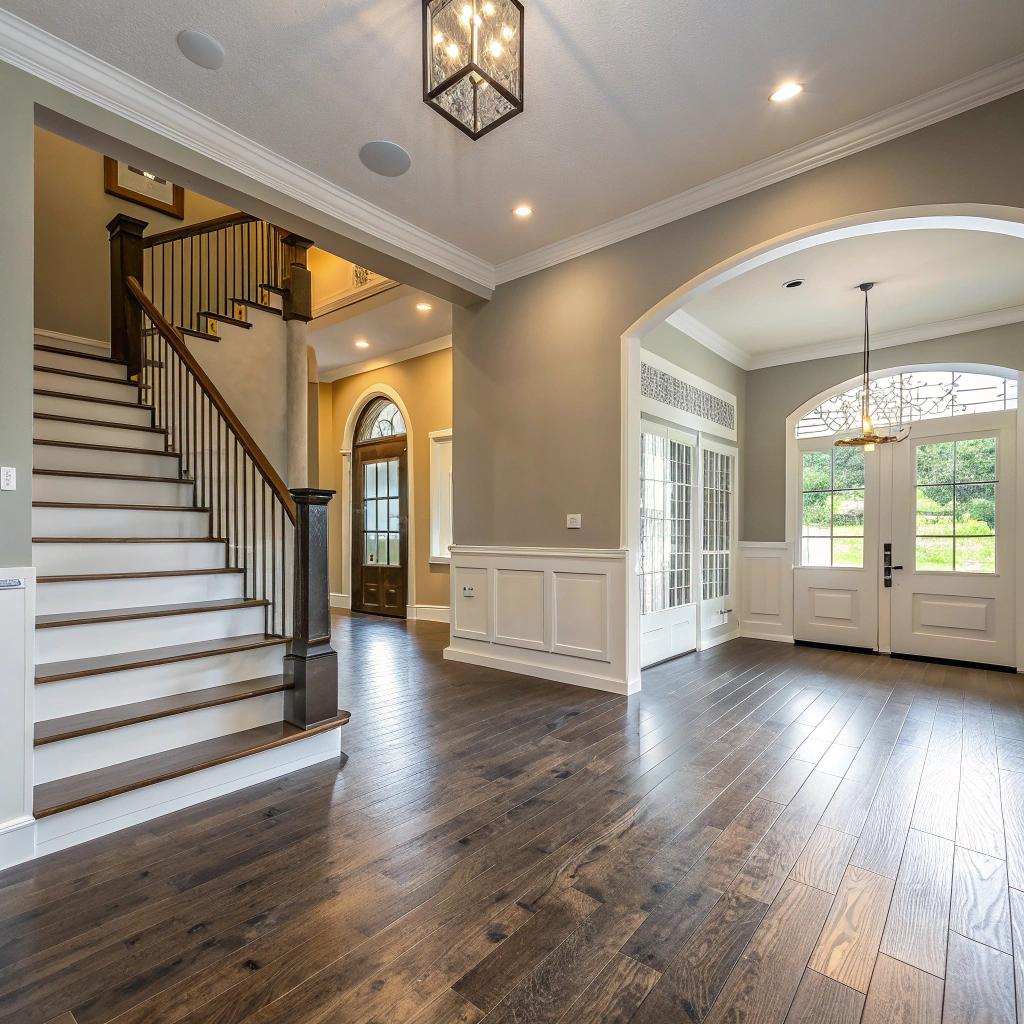
So, you are looking for home remodeling Corpus Christi ideas to upgrade floors and you want something that actually makes sense for real homes, not just design magazines. The short answer is: focus on durable surfaces like luxury vinyl plank, tile, and engineered wood, match them to each room’s use and moisture level, and work with a local home renovation Corpus Christi team if your project touches structure, old subfloors, or water damage.
That is the plain version. Floors in Corpus Christi deal with humidity, sand, salt air, pets, kids, and sometimes past leaks or flooding. So the best ideas are not just about what “looks nice”. They are about what handles moisture, cleans easily, works with your existing structure, and still feels good under your feet.
- Corpus Christi homes need floors that handle moisture, sand, and temperature swings.
- Luxury vinyl plank, tile, and engineered wood are usually safer than solid wood or cheap laminate.
- Every room might need a different flooring plan, not one material for the whole house.
- Subfloor repair and leveling can matter more than the visible surface.
- Color, pattern, and texture change how big, bright, and calm your rooms feel.
- Good installation often matters more than the brand on the box.
- If water damage, cracks, or soft spots exist, fix those before you install anything new.
Why flooring choices in Corpus Christi feel a bit different
If you lived in a dry, cooler climate, you might pick almost any floor and not think twice. In Corpus Christi, heat and humidity are just part of normal life. Add in sand near the coast, the chance of heavy rain, and sometimes past storm damage, and floors start to take a beating.
I have seen people put cheap laminate in living rooms near patios, only to watch the edges swell within a year because wet sandals and dog paws kept hitting the same area. On the flip side, I have also walked into homes where a mid-range vinyl plank looked almost new after five years with kids and two big dogs.
Good flooring in Corpus Christi is less about chasing a trend and more about picking what survives humidity, moisture, and real everyday use.
So before you jump into samples and color boards, it helps to think about three things:
- How much moisture hits this room, indoors and from outside.
- How rough your household is on floors: pets, kids, hobbies, beach gear.
- Whether your budget allows for subfloor repair if a problem turns up when old flooring comes out.
Flooring ideas by room in a Corpus Christi home
Some homeowners want one surface across the whole house. That can look clean and simple. But in this area, it is often smarter to mix materials a bit. Not crazy patchwork, just practical choices in key zones.
Living room and main areas
These are the spaces visitors notice first and where your family probably spends the most time. Many people want something that looks warm and clean but can still take sand and spills.
Good options here:
- Luxury vinyl plank (LVP)
- Wood look tile
- Engineered hardwood (with some caution)
Luxury vinyl plank for busy households
LVP has become the go to floor in many Gulf Coast homes. It looks like wood but handles water better. If someone spills a drink or walks in with wet feet, it is usually fine as long as you wipe it up. That alone makes it more realistic than real wood for many Corpus Christi families.
Things that make LVP work well here:
- Water resistance that beats laminate and regular wood.
- Plenty of color choices, from gray to warm oak tones.
- Soft enough underfoot that you do not feel like you are walking on cold stone.
One thing to watch is super cheap products. Some budget LVP scratches very easily and fades near big windows. Spending a little more for better wear layers often pays off in this climate where sunlight is strong.
Wood look tile for low maintenance
If you want tile strength but like a wood look, porcelain wood plank tile can be a solid pick. It stands up very well to sand and water. You can run it from the entry through the living room into the kitchen without worrying about transitions where water might collect.
Potential trade offs:
- Much harder underfoot than LVP or wood.
- Colder in winter unless you add area rugs.
- Installation takes more skill and time.
I have seen homes where the lines between the tiles were too wide or uneven. That made a beautiful tile look cheap. So if you go this route, pay close attention to grout line spacing and tile layout. That is one of those spots where hiring someone who does this a lot in Corpus Christi really matters.
Engineered hardwood for a warmer feel
If you really want real wood and you keep your house air conditioned most of the year, engineered hardwood with a stable core can be an option. It still reacts to humidity, just less than solid wood. You will likely pay more for it than LVP, though, and it is not as forgiving with floods or big leaks.
If your home has any history of leaks, high indoor humidity, or inconsistent cooling, vinyl or tile usually outlasts real wood in Corpus Christi.
Kitchens
Kitchens in this area deal with spills, dropped pans, steam from cooking, and people moving in and out of patios or garages. You need something that handles moisture but also cleans quickly.
Top picks:
- Porcelain tile
- Luxury vinyl plank or tile
- Stone look tile
Porcelain tile in busy kitchens
Porcelain tile in kitchens has been a safe choice for years. It resists water, holds up under heavy fridges and stoves, and handles steam from cooking. If your kitchen connects to a backyard pool or patio, tile gives you fewer worries about wet feet.
| Floor Type | Water resistance | Ease of cleaning | Comfort underfoot |
|---|---|---|---|
| Porcelain tile | Very high | High | Low without rugs |
| LVP | High | High | Medium to high |
| Engineered wood | Medium | Medium | High |
If you cook a lot and stand for long periods, you might want a softer mat at the sink or stove, since tile can be hard on knees and backs over time.
LVP in kitchens that blend with living rooms
More people now open their kitchens to living rooms. In those spaces, using one flooring material across both areas can help the home feel larger. LVP often works well for that. If you choose a mid tone wood look vinyl, it can make the whole main area feel coordinated without being stiff.
The main things to keep in mind:
- Pick a waterproof or at least water resistant line, not the thinnest version.
- Seal cuts and edges carefully around islands and dishwashers.
- Consider a design where you can replace a section if damage does happen.
Bathrooms
Bathrooms in Corpus Christi see daily steam, splashes, and sometimes kids who like to turn the whole room into a mini water park. So water resistance really is not optional here.
Most common choices:
- Porcelain or ceramic tile
- Stone look tile
- High grade waterproof vinyl
Tile in showers and bathroom floors
Tile is still the most trusted choice for full bathroom remodels. In this climate, a tiled shower with a well waterproofed base and walls can last for years if built right. The floor outside the shower can match or use a slightly larger tile for easier cleaning.
Good bathroom flooring is not just about what you see, it is also about hidden waterproofing below the tile or vinyl that keeps moisture from seeping into walls and subfloors.
If your old bathroom has soft spots near the toilet or tub, that can mean water damage in the subfloor or framing. At that point, a bathroom project can shift from “new tile” to “repair and remodel”. That is where a full service remodeler matters, not just a tile crew.
Waterproof vinyl in half baths
For small half baths or powder rooms, waterproof vinyl planks or tiles can be a calm, budget friendly choice. Less steam, less standing water, and the room is smaller. So you can often match the hallway flooring or pick a subtle pattern that ties back to the rest of the house.
Bedrooms
Bedrooms in coastal Texas do not always need tile or vinyl. The moisture level is usually a little calmer there, especially if you keep the home cooled. Comfort under bare feet in the morning matters more for many people.
Common picks:
- Carpet
- LVP or engineered wood
- Cork in some cases
Carpet gets a bad name sometimes, but a low pile, stain resistant carpet in bedrooms can feel nice, especially in rooms without direct access to outside. Just keep in mind that if someone has strong allergies or if you live very close to the water with lots of humidity, vinyl with area rugs can be easier to keep dry and clean.
Handling moisture, humidity, and water damage
Many Corpus Christi homes have at least one area that has seen water where it should not be. A dishwasher leak, a roof drip, an AC drain line, or even just condensation. Ignoring that and laying new floors over it usually turns into a mistake.
Check the subfloor before new flooring goes in
When old flooring comes up, pay close attention to what is under it:
- Is the subfloor soft, discolored, or moldy in spots?
- Are there cracks in the slab if you are on concrete?
- Do any boards move, squeak, or flex more than they should?
If you see any of those, the right move is to pause and decide if you need repair instead of just covering it. Otherwise, your new floor might fail much sooner than expected.
Common subfloor and slab issues in this area
Some typical problems that show up during floor projects around Corpus Christi include:
- Moisture wicking through old concrete slabs.
- Uneven slab from minor settling over the years.
- Rotten wood around former leaks, especially near exterior doors and bathrooms.
These things are not always dramatic. Sometimes the floor just feels a little “off” in one corner. That can still cause trouble with click together flooring or large format tiles that need a flat base.
| Issue | What you see | Why it matters for new floors |
|---|---|---|
| High moisture in slab | Cupping boards, musty smell | Can damage wood, laminate, and some vinyl over time |
| Uneven subfloor | Floors feel wavy or hollow spots | Tiles may crack, vinyl joints can separate |
| Rotten subfloor | Soft spots, discolored wood | Structural risk and possible mold growth |
Style choices that actually work in Corpus Christi homes
Once the practical pieces are clear, you can think about the look. Flooring sets the tone for the whole house. It often outlives paint colors, cabinet styles, and furniture. So it makes sense to pick something that you will not hate in three years.
Color choices for coastal light
Coastal sun is strong and the light changes a lot during the day. Dark floors can look rich in the morning but show every bit of dust by mid afternoon. Very light floors can hide sand but sometimes look too pale or washed out.
Many Corpus Christi homeowners end up happy with mid tone options, like:
- Warm oak tones that are not orange.
- Soft grays with a bit of beige mixed in.
- Natural stone shades with gentle variation.
If your home gets a ton of direct sun, ask for flooring that is rated for UV stability. That is one of those small details that make a difference near the coast.
Texture and pattern that hide real life
Perfectly smooth, flat floors can show scratches and dirt faster. Slight texture or variation helps disguise daily wear. This is especially true if you have pets or live near sand.
Look for:
- Subtle variation in plank color so every piece is not identical.
- Light texture that reduces visible footprints.
- Matte or low sheen finishes instead of high gloss.
Floors that hide day to day mess a little do not just look better, they lower stress because you are not cleaning constantly.
Planning your flooring remodel step by step
Ripping out and replacing floors across your home can feel like a big project. It helps to break it down into steps instead of thinking of it as one giant change.
1. Walk your home and make a wish list
Go room by room and ask yourself:
- How do we actually use this space day to day?
- Do we enter it with wet feet or shoes?
- Do pets or kids spend a lot of time here?
- Does this room feel too dark or too bright now?
Write down what you like and dislike about each floor. This does not have to be neat. It just gives you a clearer picture of your real life instead of an ideal photo.
2. Set a realistic budget range
Flooring costs include more than just material. You may also face:
- Removal and disposal of old floors.
- Subfloor or slab repair and leveling.
- New baseboards or trim.
- Door adjustments or cuts.
Some homeowners forget those items and sticker shock hits later. Being honest about what you can spend, including a buffer for surprises, usually leads to better choices. It may even mean phasing floors by area instead of doing everything at once, which is fine.
3. Decide where you want to “upgrade” and where you just need practical
Maybe you want a beautiful statement floor in your main living area but something simpler in guest bedrooms. Or a custom tile pattern in the primary bathroom but standard porcelain in the kids bath.
You do not have to treat every room the same. In fact, mixing levels of upgrade can keep your whole project within budget while still feeling like a big step up from where you started.
Installation details that affect how long your floors last
Two houses can use the same flooring material and have totally different results just because of how that material was installed. That sounds obvious, but many people focus more on color and brand than on who is actually putting it down.
Expansion gaps and movement
Floors in humid areas move a bit. Vinyl, wood, even some tiles respond to temperature and moisture. Installers need to leave the right gaps at the edges so floors can expand and contract without buckling.
If those gaps get filled with caulk or the baseboard is nailed too tight, you might see peaks or warping later. You cannot see this problem when you sign a contract. You only see it months later, which is why experience matters.
Transition pieces between rooms
Old homes in Corpus Christi often have several different floor heights already. When you remodel, good transitions can make spaces feel more connected and less chopped up.
- Use low, color matched thresholds where possible.
- Try not to change height too dramatically between rooms.
- Think about how doors swing over the new flooring.
Windows and doors that are close to the floor can also require special details so water from outside does not seep under the new material.
Grout choice for tile
If you are doing tile, do not treat grout like an afterthought. Grout color and type both matter:
- Darker grout hides dirt but can look heavier.
- Lighter grout brightens rooms but may need more cleaning.
- Epoxy or high performance grout can resist stains better in kitchens and showers.
I have seen beautiful, expensive tile look tired fast because someone picked very light grout in a high traffic entry. A small adjustment there would have saved them a lot of scrubbing.
Tying your new floors into the rest of your remodel
Floor upgrades rarely happen in total isolation. Maybe you plan to update cabinets, repaint walls, or change lighting in the next year or two. It helps to think about how floors fit into that bigger picture.
Cabinets and floors
In kitchens and bathrooms, think about whether floors go under or around cabinets. Many remodelers prefer to place new cabinets first, then run flooring up to them, especially with tile. That can save material and avoid cutting around island bases.
With LVP, some people run it wall to wall first. That can make future layout changes easier but may need more careful planning around heavy islands and appliances to protect warranties.
Wall color and baseboards
Warm floors like oak or tan tile often look better with soft whites, warm grays, or muted colors on walls. Cooler gray or stone floors usually pair better with crisper whites and cooler paint shades.
Baseboards also play a bigger role than people expect. Taller, clean baseboards can make a standard room feel more finished, especially if the old ones are worn or mismatched from past projects.
Lighting and glare on floors
Shiny floors in rooms with lots of windows can create glare that bothers your eyes more than you expect. If you already have big windows, consider lower sheen finishes that soften reflections.
On the flip side, if your home has small windows or shaded lots, slightly lighter floors can offset that and keep rooms from feeling too heavy.
Common mistakes homeowners make with flooring upgrades
It might help to point out a few traps people fall into. Not to scare you, just to help you skip them.
- Choosing flooring only from a phone photo without seeing a real sample in daylight.
- Skipping moisture testing on slabs and then fighting cupping or buckling later.
- Buying bargain bin materials with no thought to long term wear or sun exposure.
- Ignoring subfloor repair because “it is under the floor and no one will see it”.
- Mixing too many flooring types so the house feels chopped into small pieces.
- Not planning for how long they need to be out of certain rooms during install.
If you just avoid those, your odds of a project you are happy with grow a lot.
Questions homeowners in Corpus Christi often ask about flooring upgrades
Q: Can I use the same flooring in my whole house, even bathrooms?
A: You can, but it is not always the best idea. Using one material in most dry spaces like living rooms, halls, and bedrooms can look nice and simple. Bathrooms, laundry, and sometimes kitchens still do better with tile or higher grade waterproof materials. If you want one look everywhere, talk to your remodeler about a waterproof vinyl line rated for full baths and see if that works with your layout.
Q: Is real hardwood a bad idea in Corpus Christi?
A: Not always, but it is touchy. Solid hardwood is more sensitive to humidity swings and moisture. If your home is very well controlled and you accept that wood will move a bit, you can make it work. Many people choose engineered wood or LVP that looks like wood instead, because they want fewer worries with pets, kids, or possible future leaks.
Q: How long will a full flooring remodel take?
A: That depends on house size, how much furniture you have, and what repairs show up. As a rough idea, one floor, like just the main level of an average home, might take several days for removal, prep, and install. Tile often takes longer than vinyl or floating floors. If you hit subfloor or slab problems, add time for repair. It is usually better to plan for more days than you hope and then be happy if it wraps up sooner.
Q: Do I really need to repair minor cracks in my slab before new floors?
A: Small hairline cracks in older slabs can be normal and may just need basic prep. Larger or moving cracks can break tile or pop vinyl joints later. A good installer or remodeler will look at the pattern and size of the cracks and tell you if you need patching, leveling, or a different approach. Ignoring larger movement cracks almost always comes back around later.
Q: What flooring holds up best to pets and sand from the beach?
A: For many Corpus Christi homes, a good quality luxury vinyl plank or tile with a thicker wear layer is the best mix of scratch resistance, water resistance, and simple cleaning. Porcelain tile is also strong but can be more slippery and colder. Real wood and cheap laminate tend to show scratches and water spots faster in homes with busy pets and sandy yards.
Q: Where should I start if I feel overwhelmed by choices?
A: Start with how you use each room and how much moisture it sees, then pick 2 or 3 flooring types that match those conditions. Get real samples, put them on the floor in your home, and look at them at different times of day. From there, talk through pros and cons with a local remodeler who works in this climate all the time. That mix of your real daily life and their practical experience usually leads you to the right decision faster than scrolling through endless photos online.