
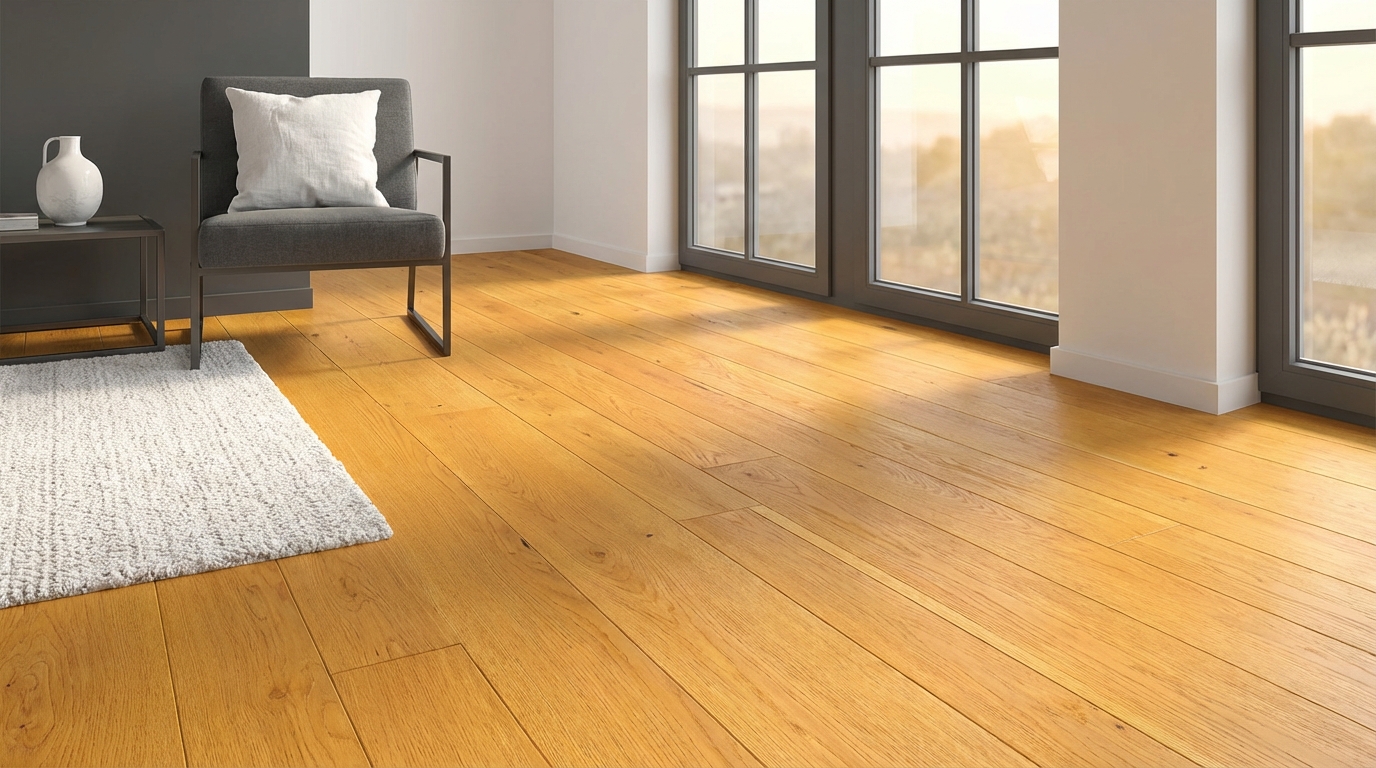
So, you want to know why wide plank flooring is taking over 2025 and whether it is actually worth it for your home or project. Yes, wide plank flooring is worth the attention, and it is taking a big share of the market because it looks cleaner, makes spaces feel larger, pairs well with modern design, and new technology has solved a lot of the old warping and stability problems.
You are seeing it in more homes, more showrooms, and more social feeds because it hits that sweet spot: it looks simple and calm, but still feels premium. Add better finishes, better engineering, and easier installation, and you get a product that designers and homeowners keep asking for.
Things you need to know:
- Wide plank flooring usually means boards 6 to 12 inches wide, sometimes even wider.
- It creates fewer seams, so rooms feel cleaner and more open.
- Engineered wide planks are more stable than solid ones across humidity changes.
- The cost is higher than standard strip floors, but not as extreme as a few years ago.
- Light, natural finishes and matte sheens lead the trend for 2025.
- Installation and subfloor prep matter more with wide planks.
- Maintenance is about scratches and dents, not just cleaning.
- There are real tradeoffs between solid wood, engineered wood, and luxury vinyl wide planks.
Wide plank flooring is not just a style trend for 2025; it is a shift in how people want their spaces to feel: calmer, simpler, and more natural.
What is wide plank flooring, exactly?
So, when people say “wide plank,” what are they talking about in real numbers?
Most older wood floors in North America use boards around 2 1/4 to 3 1/4 inches wide. That narrow look is what many of us grew up with.
Wide plank flooring usually means:
- Standard wide: 5 to 7 inches
- Extra wide: 7 to 9 inches
- Ultra wide: 9 to 12 inches (and sometimes more)
You see these in:
- Engineered hardwood (multi layer)
- Solid hardwood
- Luxury vinyl plank (LVP) and rigid core (SPC/WPC)
- Laminates designed to mimic wood
So it is not a separate category of product. It is the same general idea (wood or wood look) stretched out horizontally.
Why the width matters so much
It does not sound like a big deal at first: going from a 3 inch board to a 7 inch board. It is just a few inches, right?
It changes everything visually:
- Fewer seams means less visual “noise.”
- Boards run longer, so your eye follows the length and the room feels deeper.
- The grain shows more, so the material feels more like real wood, less like a pattern.
Think of it like typography. If you reduce spacing and break lines every few words, text feels busy. If you let it breathe, the same content feels clearer. Wide plank flooring is that breathing space for your floor.
If you only change one thing in a room, changing the floor width from narrow strips to wide planks can have a bigger impact than most wall colors or even furniture swaps.
Why wide plank flooring is taking over 2025
Let us break down why this is happening now, not ten years ago.
1. Design trends caught up with flooring
Look at modern kitchens and living rooms:
- Flat front cabinets
- Hidden hardware
- Large format tiles
- Minimal baseboards
- Neutral paint, often white, beige, or soft gray
Wide plank flooring fits this visual direction because it keeps the floor from fighting the rest of the space.
People are tired of busy patterns under their feet. When you pair simple furniture and open shelves with tiny 2 1/4 inch strips, it can feel choppy. Wide planks remove that pattern noise.
Some of the styles driving demand:
- Scandinavian inspired spaces with pale oak wide planks and lots of light.
- Modern farmhouse using 7 to 9 inch planks in warm, natural tones.
- Japandi blends of minimal lines, natural light, and softly textured wide boards.
Your floor becomes a calm background for everything else. It does not scream for attention, but it frames the whole room.
2. Engineered construction solved old stability problems
In the past, wide solid planks had real issues:
- Cupping
- Gapping
- Seasonal movement you could see and feel
Wood moves across its width as humidity changes. The wider the board, the more movement. That is why older floors tended to stick with narrower strips.
Modern engineered wide plank floors fix most of this. You get:
- A hardwood or softwood top layer (or sometimes bamboo)
- Cross layered plywood or HDF core
- Balanced bottom layer
This cross layering cancels much of the expansion and contraction across the width.
Some real world numbers:
- Good engineered wide planks can handle relative humidity swings from roughly 30% to 55% with minor movement.
- Solid wide planks might work best in a tighter band, say 35% to 50%, or you will see more gaps and cupping.
So, you get the look of generous boards with less stress about seasons, HVAC cycles, or radiant heat.
The rise of engineered wide planks is like letting people have the look they always wanted without feeling like they are rolling the dice on warping.
3. Supply chains and manufacturing caught up
Fifteen years ago, wide planks were niche. More waste, more sorting, more expensive.
Today:
- Sawmills are set up to cut wider faces more consistently.
- Engineered cores mean you need less thick hardwood per board.
- Factories run huge volumes of the same wide sizes.
This lowers the cost gap compared to standard width flooring.
You still pay more for wide planks, especially wide premium oak or walnut. But if you compare pricing from 2015 to now, the difference between a 5 inch plank and a 7 inch plank has shrunk on many product lines.
That is why you see wide plank as a standard option, not a special order luxury reserved for high end builds.
4. Social proof: what you see online is wide
Every time you scroll through home design content, notice the floors. Most reference photos today use:
- Habitable wide oak planks
- Light, almost unfinished looks
- Matte finishes without heavy gloss
People start bringing these photos to builders and installers saying, “I want this exact look.”
Once builders see that wide planks help sell homes or units faster, they spec them more. Then buyers think wide planks are the standard. It becomes a loop.
You are not imagining it. In many new build neighborhoods, wide plank floors appear in model homes as the default package or as the first upgrade tier.
5. The “bigger tile” effect carried over to wood
Look back at tiles: we moved from 12×12 to 12×24, then to large format tiles. Same psychology:
- Fewer grout lines
- Cleaner look
- Space feels larger
Wide planks use that same logic. Your eye reads the floor as one continuous surface with fewer joints. That can make a 700 square foot condo feel more open. It can help a kitchen with lots of cabinets feel less boxed in.
There is a real psychological effect here. You are not just buying wood. You are buying the sense of space it creates.
Design advantages of wide plank flooring
1. It makes rooms feel larger and calmer
Research on visual clutter and cognitive load shows that more interruptions in a pattern increase stress and distraction. A floor with many seams is one big pattern.
Wide planks:
- Reduce the number of lines per square foot.
- Let your eye glide across the room instead of stopping every few inches.
- Support cleaner wall and furniture layouts.
If you have:
- An open concept kitchen and living space
- Long hallways
- Narrow townhome layouts
Then wide planks help everything feel less chopped up.
When you see before and after shots of a renovation and it “feels bigger,” wide plank flooring often plays a quiet but crucial role in that impression.
2. Grain and character show better at larger widths
On a 3 inch strip, you might see a hint of grain. On a 9 inch wide plank, you see:
- Cathedrals in oak
- Knots and mineral streaks
- Sapwood and heartwood contrast
That is why designers are pairing:
- Wide planks with natural, low pigment finishes
- Brushed textures that highlight the grain
- Subtle stain that keeps the wood honest
If you like the feel of real materials, wide planks give wood more presence without making it loud.
3. Works with both modern and traditional interiors
You might think wide planks only suit modern or minimal spaces. That is not quite true.
Wide planks fit:
- Historic inspired spaces when you go with longer lengths, random widths, and more knots.
- Transitional interiors when you pick a mid tone oak or hickory with moderate character.
- Very modern rooms when you choose super clean grades with minimal knots and a matte finish.
The same width can have very different personalities, based on:
- Color
- Grade (clean vs character)
- Edge profile (micro bevel vs square vs heavy bevel)
So you are not boxed into one style just because you go wide.
Technical side: stability, humidity, and construction
If you are serious about wide plank flooring, you cannot ignore the technical side, because stability is where projects succeed or fail.
Solid vs engineered wide plank
Here is a simple comparison:
| Type | What it is | Pros | Cons |
|---|---|---|---|
| Solid wide plank | Single species wood, full thickness | Can be sanded many times; classic feel; can last decades with care | More movement; harder to use over radiant heat or concrete; needs tighter humidity control |
| Engineered wide plank | Wood veneer on layered core | More stable; better for condos, basements, radiant; often wider, longer boards | Limited refinishing (depends on wear layer); quality varies by brand |
| Luxury vinyl / rigid core wide plank | Vinyl or composite core with printed film | Very stable; water resistant; easy to install; budget friendly | Not real wood; lower resale impact; can sound hollow if installed poorly |
For 2025, most of the “taking over” you see in wide plank is in:
- Engineered hardwood (often 7 to 9 inches wide)
- Rigid core LVP/SCP in 7 to 9 inch widths
Solid wide plank still exists, but it is more of a specialty choice or a custom build decision.
Humidity and movement: what you really need to manage
Even engineered wood reacts to moisture. Wide planks make any movement more visible, simply because the joint gaps are longer and more noticeable.
Key ranges to aim for:
- Relative humidity: roughly 35% to 50% for wood floors.
- Temperature: around 60 to 80°F, consistent.
If your home swings from very dry in winter to very humid in summer, you will see:
- Small gaps in winter
- Slight edge lift or cupping in high humidity
With wide planks, even a minor cup can catch light and be visible. So you want:
- A humidifier for very dry winters
- Dehumidification or strong AC cycles for damp summers
- Good building envelope and ventilation
The good news: many modern HVAC systems already hover near the right ranges. You just need to pay attention and not ignore alerts or condensation on windows.
Wide plank floors do not demand perfect conditions, but they punish extremes. Consistency is your friend.
Subfloor and installation basics for wide planks
Wide planks are less forgiving than narrow strips when it comes to what is underneath.
You want:
- Flat subfloor: usually within 1/8 inch over 6 feet, or 3/16 inch over 10 feet.
- Stiffness: no bounce or flex, especially with floating floors.
- Correct underlayment: sound control for condos, vapor retarder over concrete if required.
Common install methods:
- Nail / staple down: common for solid and some engineered over wood subfloors.
- Glue down: popular for wide engineered planks over concrete; spreads movement.
- Float / click together: common for vinyl and many engineered products.
If you are DIY minded, wide planks in floating LVP/rigid core can be very approachable. But for wide engineered or solid over wood or concrete, a pro install often pays off, especially on bigger jobs.
Cost trends for 2025
Pricing always shifts, but you can think in ranges.
Material cost ranges
All prices are rough and vary by region and brand, but this gives you a feel:
| Product type | Typical width | Approx. material price (USD / sq ft) |
|---|---|---|
| Budget LVP wide plank | 7 in | $2.00 – $3.50 |
| Mid range rigid core wide plank | 7 – 9 in | $3.50 – $5.50 |
| Engineered oak wide plank (good) | 7 – 8 in | $5.00 – $8.00 |
| Engineered oak wide plank (premium) | 8 – 10 in | $8.00 – $12.00+ |
| Solid wide plank hardwood | 7 – 10 in | $8.00 – $15.00+ |
Labor can add:
- $2.00 to $4.00 per sq ft for click LVP or floating installs.
- $4.00 to $8.00 per sq ft for nailed or glued hardwood installs, sometimes more for complex patterns.
So wide plank engineered oak installed might run $9 to $18 per sq ft all in, depending on where you live and which product you pick.
Why wide planks cost more
There are simple reasons:
- Fewer boards per box, each board must be straight and stable.
- Longer lengths often come with wider planks, and long lengths need more sorting.
- Engineered cores and wear layers need tighter tolerances for wide faces.
Still, the premium is not what it used to be. In many product lines, the jump from 5 inch to 7 inch might be just $1 to $2 per sq ft, which many homeowners accept because the visual gain is obvious.
Wide plank flooring vs narrow plank: real tradeoffs
Sometimes it helps to see the tradeoffs head to head.
| Factor | Wide planks (6-12 in) | Narrow planks (2-3 1/4 in) |
|---|---|---|
| Visual feel | Calmer, more open | Busier, more traditional strip look |
| Stability demands | Higher; needs better subfloor and humidity control | More forgiving; movement spread across more joints |
| Installation complexity | More sensitive to flatness; cuts are larger | More seams, but less impact from minor irregularities |
| Material cost | Generally higher | Often lower, more commodity options |
| Resale appeal in 2025 | High in many markets, especially modern builds | Neutral to moderate; sometimes seen as dated |
| Suitability for small rooms | Helps them feel larger but can show imperfections | Can feel busy, but hides minor subfloor issues better |
Wide plank is not “better” in every scenario. It is a tool. In 2025, more people like the look and are willing to manage the extra details that come with it.
Top trends in wide plank flooring for 2025
Let us look at what is actually popular right now.
1. Light natural oaks with matte finishes
You see a lot of:
- Natural white oak, sometimes lightly fumed
- Low gloss, matte or extra matte finishes
- Subtle wire brushing to bring out the grain
- Light stains that keep the wood close to raw
These pair well with:
- White or beige walls
- Black or bronze hardware
- Soft textiles (wool, linen, cotton)
The goal is a calm, grounded base. No orange, no heavy yellow, and not a lot of red.
2. Warm neutrals, not gray
Gray wood had a long run. Now:
- Shoppers still ask for “not orange,” but they do not want cold gray.
- Designers lean into warm beiges and greige tones.
- Manufacturers focus on stains that look like sun kissed natural wood.
A lot of wide plank lines in 2025 center their palettes around:
- Soft honey tones
- Natural oak beige
- Light warm browns
Gray now shows up more as an accent or in mixed tones, not as a flat, cool gray wash.
3. Extra wide and long boards
Many new lines advertise:
- Widths: 8 to 10 inches
- Lengths: up to 7 or 8 feet, sometimes even 10 feet
Longer boards enhance the flow of a room. Short, chopped boards can cancel the wide effect.
You will often see marketing text like “premium long lengths” or “random lengths up to 96 inches” on product pages. That is worth paying attention to, because a floor of short wide planks will feel different than one with generous length.
4. Mixed width looks
Some brands offer:
- Sets of 5, 7, and 9 inch planks in the same color.
- Packs designed to be installed together for a more vintage look.
This gives you:
- The drama of wide boards
- The interest of varied lines
- A nod to older, hand built floors
Mixed width takes more planning during install, but it can avoid the “too perfect” feeling that some modern narrow floors give.
Where wide plank works best (and where you need to think twice)
Great fits for wide plank flooring
- Open concept living spaces: The visual flow carries from kitchen to living area without breaking.
- Condos with good sound control: Engineered or rigid core wide planks above proper underlayment work well.
- Renovations aiming for modern or clean lines: Wide planks help update older homes quickly.
- Bedrooms and home offices: These rooms benefit from the calmer pattern.
Areas where you should pause and plan
- Very wet or damp basements: Consider rigid core or LVP rather than wood based wide planks.
- Homes without climate control: Large humidity swings will stress wide wood planks.
- Very uneven subfloors: You will spend more on prep, or see more issues, with wide planks.
If you are drawn to the look but worried about moisture or maintenance, wide LVP or rigid core can give you 80 to 90 percent of the look with more forgiveness.
Choosing wide plank is less about “is this trendy?” and more about “can my space and lifestyle support this material long term?”.
Maintenance and durability: what living with wide planks feels like
Wear, scratches, and dents
Wide planks are not magically tougher. You still deal with:
- Finish wear in traffic lanes
- Scratches from grit or pet claws
- Dents from dropped objects or high heels
The difference is that flaws can feel more obvious on a very clean, wide, light board.
Ways to manage:
- Use mats at entries.
- Vacuum or sweep regularly.
- Felt pads under furniture.
- Consider a slightly textured or brushed finish to hide micro scratches.
Engineered and solid wood can be screened and recoated, and sometimes sanded. LVP cannot be refinished, but damaged sections can be replaced if the floor floats and you kept spare planks.
Cleaning routines that work
For most wide plank floors:
- Dry cleaning: vacuum with a soft head or dust mop several times a week.
- Damp mopping: use a cleaner approved by the manufacturer, lightly damp, not wet.
- Avoid: steam mops on wood or engineered wood, harsh chemicals, vinegar on finished surfaces.
If you have light natural wide planks, they actually hide dust better than dark floors, which can show every footprint.
How to choose the right wide plank floor for your project
Let us walk through a simple decision path.
Step 1: Be honest about moisture and climate
Ask:
- Is this going over concrete or wood subfloor?
- Is the space below grade, at grade, or above?
- Do you have AC and/or heating running most of the year?
- Do you see condensation on windows in winter or feel damp in summer?
If you have:
- Concrete slab + some moisture risk: lean toward engineered glued down with proper moisture control, or rigid core / LVP floating.
- Wood subfloor + good climate control: engineered or solid can both work, with a slight edge to engineered for wide planks.
Step 2: Decide your priority: authenticity vs resilience
- If you want real wood underfoot, the smell, the feel, and long term repair options, pick engineered or solid wide planks.
- If you want water resistance, kid and pet resilience, and lower anxiety, pick a high quality wide plank vinyl or rigid core.
Try to pick one side of this tradeoff. It will simplify every other decision.
Step 3: Think in color families, not exact shades
Rather than chasing a “perfect” product photo, pick a direction:
- Very light / bleached
- Natural oak
- Warm beige / honey
- Medium brown
Then:
- Order several samples.
- View them at different times of day in your actual space.
- Lay them next to your cabinets and walls.
Wide planks show color over large areas. The wrong shade can dominate the room. Getting the family of color right matters more than chasing a small nuance.
Step 4: Nail down width and length
Most people in 2025 land between 7 and 9 inches wide. A few tips:
- In very small rooms, 7 inches can feel balanced; 10+ inches may feel heavy.
- In big open spaces, 8 to 9 inches often looks proportional.
- Check the listed “average or maximum length” on spec sheets; longer is often worth extra cost.
Try taping outlines on the floor with painters tape to imagine different widths. It sounds low tech, but it helps.
Step 5: Check construction details
For engineered wood:
- Wear layer: look for at least 3 mm if you want future sanding, more if budget allows.
- Core: plywood or multi layer core often performs better than cheap single layer cores.
- Finish: UV cured factory finishes last longer than site applied poly, though you lose some custom control.
For LVP / rigid core:
- Wear layer thickness: often 12 mil or higher for residential; 20 mil if you want extra durability.
- Core type: SPC is rigid and stable; WPC is slightly softer underfoot.
- Attached pad: can help with sound and comfort, but still check if you need extra underlayment for your building.
Where technology is pushing wide plank next
Since this is a tech niche, it is worth touching on where the innovation is coming in, without falling into buzzwords.
Better finishes and scratch resistance
Manufacturers are working on:
- Ceramic or aluminum oxide enhanced finishes for wood wear layers.
- UV cured topcoats that resist yellowing and scratching.
- Embossed in register textures on vinyl that match the printed grain more closely.
You end up with:
- Floors that handle kids, pets, and regular traffic better.
- Surfaces that stay matte without looking chalky.
Improved locking systems for wide planks
Click profiles are more precise, which matters for wide boards:
- Stronger joints across wide faces.
- Easier angle and drop installs.
- Less chance of micro gaps if the subfloor is within spec.
This is part of the reason you see DIY installers more confident about tackling 7 to 9 inch vinyl or engineered planks.
Smarter moisture and sound underlayments
There is a lot of quiet progress in:
- Roll underlayments that combine moisture barriers, padding, and sound reduction.
- Peel and stick moisture control membranes for glue down installs.
- Acoustic systems tuned for condos that need to pass sound tests.
These support wide plank installs by controlling movement and noise, which helps with daily comfort and with building code requirements.
Flooring tech in 2025 is less about wild new materials and more about small, steady improvements in finishes, cores, and underlayments that make wide planks safer to choose.
Common mistakes to avoid with wide plank flooring
A few pitfalls that keep repeating:
- Ignoring flatness: skipping subfloor prep because “it looks close enough” leads to hollow spots and movement on wide boards.
- Skipping acclimation: not giving wood time to reach room conditions before install can bake in stress.
- Choosing very dark wide planks without realizing they show dust, footprints, and micro scratches much more.
- Underestimating sound: in condos, the wrong underlayment under hard wide planks can cause issues with neighbors and building rules.
- Chasing short term trends: very strong stains or patterns might look dated faster than natural tones.
If you avoid these, wide plank floors become a lot more rewarding over time.
Wide plank flooring in 2025: what this means for you
So where does this all land in practical terms?
Wide plank flooring is popular right now because:
- It matches modern design tastes: clean, open, simple lines.
- Engineered and vinyl tech solved many stability problems.
- Manufacturing caught up, bringing prices into reach for more projects.
- Real world installs show that spaces look larger and calmer with wider boards.
If you are building or renovating and want your space to feel current without feeling like a fad, narrow 2 1/4 inch strips probably will not help you reach that goal. Wide planks in the 7 to 9 inch range, in a natural or warm neutral tone, will.
A practical tip you can act on this week:
Order at least three wide plank samples (one lighter than you think you want, one close to your target, one slightly warmer or darker), lay them on your floor for a few days, and take photos of each at morning, midday, and evening. The one that still looks good in all three light conditions is usually the best choice, and it will give you a much clearer signal than any showroom wall ever will.