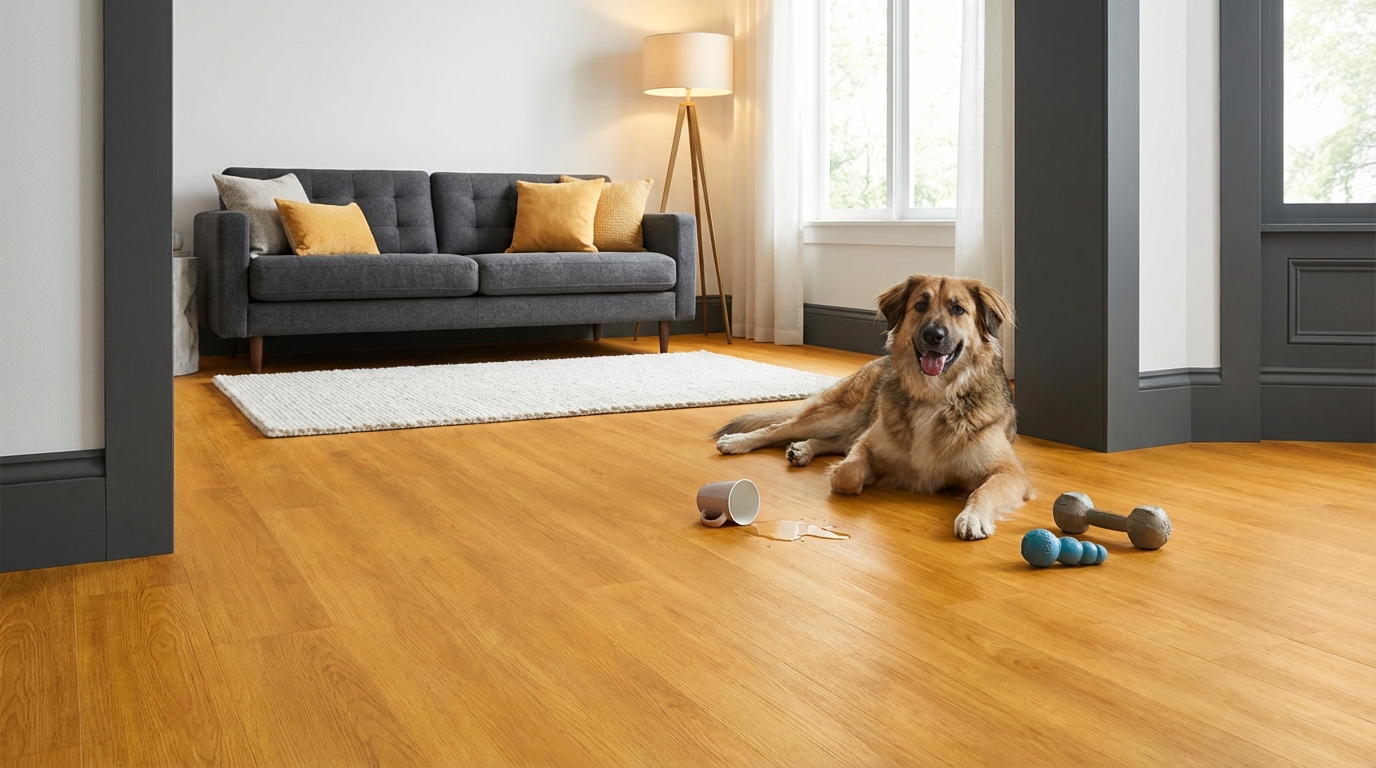
So, you are trying to figure out the most “bombproof” flooring for rental property tenants, the stuff that can survive kids, pets, spills, and moving furniture without blowing your budget.
The direct answer: the strongest rental floors right now are luxury vinyl plank (LVP), glue-down commercial vinyl, porcelain tile in wet areas, and engineered hardwood or good laminate in higher-end units.
You want floors that look good in photos, are cheap to maintain, hard to destroy, and simple to turn over between tenants. At the same time, you do not want to keep replacing flooring every 3 to 5 years because of scratches, stains, or one bad dog. So the trick is matching the material to the property type, rent level, climate, and the kind of tenants you expect.
Things you need to know:
- LVP is the current workhorse for most rentals: waterproof, tough, and good for DIY installs.
- Glue-down commercial vinyl is even tougher for heavy-traffic or low-end units.
- Porcelain tile is the king of water resistance, but harder and more costly to install.
- Laminate has improved, but it still hates standing water.
- Engineered wood can work in nicer units, with the right finish and clear rules.
- Carpet should be used carefully, mostly in bedrooms, and with a clear replacement plan.
- The subfloor, tenants, and climate matter as much as the product on top.
The floor you pick is not just a design choice. It is a maintenance and cash flow decision for the next 10 to 20 years.
What “bombproof” means for rental flooring
When you say “bombproof” for tenants, you really mean a mix of five things:
- Durability: resistance to scratches, dents, stains, and UV fading.
- Water resistance: how it handles spills, pet accidents, and mopping.
- Turnover speed: how fast you can repair or replace damaged spots.
- Cost per year: not just cost per square foot, but cost over the life of the floor.
- Tenant appeal: how it looks in photos and showings.
If you only focus on upfront price, you can trap yourself. A 99 cent laminate might look cheap at installation time, but if you have to redo it after every other tenant, your real cost per year shoots up.
Rule of thumb for rentals at different price points
Here is a simple mapping that works well:
- Low to mid-range rentals: LVP or glue-down vinyl in main areas, cheap carpet in bedrooms.
- Mid to upper mid-range: higher-quality LVP throughout, maybe tile in baths, upgraded carpet in bedrooms or LVP everywhere.
- High-end rentals: engineered hardwood or higher-end LVP in living areas, porcelain tile in baths, limited carpet or no carpet.
If you run more than a few units, standardizing on 1 or 2 flooring systems will save you a lot of brain space and money.
Luxury vinyl plank (LVP): the current rental standard
For most rental property owners, LVP hits the sweet spot of cost, durability, and looks.
Why LVP is usually the best starting point
Luxury vinyl plank is:
- Waterproof on the surface: good for spills, pets, and mopping.
- Scratch resistant: especially if you choose higher wear layers.
- Quiet enough: better sound than tile, especially with a decent underlayment.
- DIY-friendly: click-lock floating installs save labor if you are hands-on.
- Good looking: wood-look designs photograph well for listings.
For rentals, the key spec you want to watch is the wear layer, usually measured in mil (1 mil = 1/1000 of an inch).
LVP specs that actually matter
Here is how I would think about LVP specs for rentals:
| Feature | Baseline for Rentals | Notes |
|---|---|---|
| Wear layer | 12 mil minimum, 20 mil preferred | 20 mil holds up better under dogs, kids, chairs. |
| Overall thickness | 4 mm to 6.5 mm | Thicker feels better underfoot and hides minor subfloor issues. |
| Core type | SPC or WPC | SPC (stone core) is very rigid; WPC can feel slightly softer. |
| Installation | Click-lock floating | Faster installs, easier plank replacement. |
| Warranty | Residential 15+ years | Not because you will use the warranty, but it signals product quality. |
For rentals with pets, regular turnover, and heavy use, I suggest:
- At least 20 mil wear layer.
- Textured surface, not super smooth, so minor scratches hide better.
- Medium color, not extremely light or extremely dark.
Tenants will not read your product spec sheet, but they will absolutely test the floor with chairs, shoes, and pet claws every single day.
LVP pros for rental property owners
- Low maintenance: regular sweeping and mopping is enough in most cases.
- Great for open floor plans: you can run it through kitchen, living, and hallways without transitions.
- Comfort: softer and warmer than tile, helps with tenant satisfaction.
- Repairability: for click-lock, you can pull up and relay planks if a small area is damaged.
- Noise control: with a pad, better than laminate and tile in multi-family units.
LVP cons and what can go wrong
It is not magic. LVP fails when:
- Subfloor is not flat: planks flex and click joints open, causing gaps.
- Cheap product: lower wear layers scratch faster and start looking tired.
- Heavy direct sun: some cheaper vinyl can fade or expand in big sunny rooms.
- Abuse with sharp furniture: unpadded furniture feet can still gouge it.
If you want “bombproof,” pay attention to the subfloor prep. High spots and low spots break click-lock systems over time.
Glue-down commercial vinyl: tougher for heavy duty rentals
For lower-end units, small multifamily, or very rough use situations, glue-down commercial vinyl tile or plank can be smarter than floating LVP.
Why glue-down can win in certain rentals
Glue-down commercial LVT (luxury vinyl tile) or VCT (vinyl composition tile) has:
- Very strong adhesion with the right glue.
- Better resistance to rolling loads and heavy furniture.
- Easier patching in one small area without touching the rest.
- Lower material price per square foot, often.
You see it a lot in retail spaces and offices because it can handle constant traffic and repeated cleaning.
If you expect tenants to be hard on floors, commercial products, not residential, deserve a look.
Glue-down vinyl pros for rentals
- Stable: less movement from temperature swings.
- Individual tile replacement: cut out a damaged tile, glue in a new one.
- Can be very long lasting: especially in small studios, older buildings, or basements.
Drawbacks to glue-down vinyl
- More prep: subfloor must be smoother than with some floating systems.
- Longer install time: glue, wait times, more skilled labor.
- Harder to remove later: if you change directions in 10 years, demo is more work.
Glue-down is not always pretty. It can look more commercial. But for “bombproof” in rougher settings, it can be a better economic choice.
Porcelain tile: the tank for wet and high-abuse areas
If you want flooring that can outlast you in wet spaces, porcelain tile is at the top of the list.
Where tile makes the most sense in rentals
You do not have to put tile everywhere. Strategic use works well:
- Bathrooms.
- Laundry rooms.
- Entryways and mudrooms.
- Ground-floor kitchens in hot or humid regions.
Porcelain tile has:
- Very low water absorption.
- High hardness and scratch resistance.
- Very good heat resistance.
Life happens in kitchens and baths. Those two spaces are where water problems and flooring failures usually start.
Pros of porcelain tile for landlords
- Feels permanent: if installed right, 15 to 20 years is normal.
- Great for leak-prone areas: near tubs, showers, dishwashers.
- Resists stains and chemicals: cleaning crews can work hard on it.
- Ideal for hot climates: cooler underfoot, especially on slabs.
Cons that matter in rentals
- Installation cost: tile is labor heavy and needs good installers.
- Hard surface: noisier and tougher on dropped dishes and on joints.
- Grout maintenance: grout can stain or crack if not chosen and sealed well.
- Cracking risk: if the subfloor is not stable or slabs move.
For rentals, use:
- Porcelain, not basic ceramic, for better strength.
- Medium tones with some variation that hides dirt.
- Wider grout lines with darker grout to avoid the “dirty grout” look between tenants.
Laminate: when it is good enough and when it is not
Laminate flooring used to be the go-to for “hardwood look on a budget.” Then water issues pushed many investors toward vinyl. The picture today is more mixed.
Where laminate fits in rental properties
Modern laminate with water-resistant features can work in:
- Upper-floor units where weight is a concern.
- Low to mid-range rentals where you need a wood look but cannot spend for LVP.
- Areas without a lot of water exposure, like living rooms and bedrooms.
Pros:
- Stiff and stable on flat subfloors.
- Good scratch resistance for some brands.
- Low material cost compared to higher-end LVP and tile.
Cons:
- Water is still a risk: long-standing spills can swell the core.
- Noise: can be loud and hollow without good underlayment.
- Repair: tricky to patch local damage without removing big sections.
If you already have a lot of laminate installed and it is holding up, you do not have to rip it out. For new installs, LVP usually beats laminate for rentals unless your budget is very tight or you are working with very dry spaces.
Engineered hardwood: for higher-end rentals
If you rent in a higher price bracket or you want long-term appreciation plus strong tenant demand, engineered hardwood can make sense.
Engineered vs solid hardwood in rentals
For rentals, engineered usually beats solid wood because:
- It handles moisture changes better.
- It can be installed over concrete slabs with the right method.
- Factory finishes are tougher than most site-applied finishes.
You need to think about:
- Wear layer thickness: thicker wear layers can be refinished once or twice.
- Finish type: aluminum oxide or similar finishes hold up longer.
- Color and texture: lighter wire-brushed finishes hide scratches better.
If your rent premium does not cover the extra care and occasional refinish cost, hardwood is working against you, not for you.
Pros of engineered wood for rentals
- High perceived value: tenants in better markets respond to real wood.
- Strong listing photos: real wood helps units stand out.
- Can be a long-term asset: if protected and occasionally refreshed.
Cons for rental scenarios
- Water sensitivity: big spills, plant leaks, and pet accidents can damage boards.
- Scratch risk: metal chair legs and high heels can mark it.
- Higher initial cost: both materials and labor are more.
If you go this route:
- Write floor care rules into the lease (pads under furniture, no wet mopping, etc.).
- Collect move-in photos for baseline floor condition.
- Budget some money every few years for touch-ups or partial refinishing.
Carpet: where it still makes sense, even if it is not “bombproof”
Carpet is not bombproof. It stains, it wears, and it holds odors. Still, for some rentals, it has a place.
When carpet is still a smart choice
Carpet can help when:
- You want quieter bedrooms, especially in multi-family buildings.
- You are turning low-budget units and need a cheap refresh.
- You want to soften the feel of a room without high flooring costs.
Pros:
- Lowest upfront cost in many markets.
- Noise control: big benefit in upstairs units.
- Quick install: fast turnarounds between tenants.
Cons:
- Stains and odors from pets, spills, smoking.
- Short life in busy households.
- Allergy concerns for some tenants.
If you use carpet, treat it like a consumable:
- Plan on a 5 to 7 year replacement schedule in most rentals, sooner with heavy use.
- Standardize on 1 or 2 SKUs so you can replace rooms or sections without visual mismatch.
- Use good pad in higher-end rentals; it changes how the unit feels.
Flooring and rental math: cost per year, not just cost per square foot
When you pick flooring, think in terms of annual cost, not just the price at Home Depot or your supplier.
Here is a simple view:
| Flooring Type | Approx Material Cost / sq ft | Expected Life in Rentals | Rough Cost per Year |
|---|---|---|---|
| Entry-level carpet | $1.00 – $1.50 | 3 – 5 years | High (frequent replacement) |
| Mid-grade LVP (20 mil) | $2.00 – $3.50 | 10 – 15 years | Low to moderate |
| Glue-down commercial vinyl | $1.50 – $2.50 | 10 – 15 years | Low |
| Porcelain tile | $2.00 – $4.00+ | 15+ years | Low (but high install) |
| Engineered wood | $3.00 – $6.00+ | 10 – 20 years | Moderate, depends on care |
| Laminate | $1.00 – $2.50 | 5 – 10 years | Moderate |
The labor numbers will vary by region, but the principle stays the same: sometimes the product that costs more per square foot is cheaper per year because you do not keep redoing it.
If a floor costs 30 percent more but lasts 3 times as long, that is usually a good trade for a rental portfolio.
Matching flooring to property type and tenant profile
Bombproof flooring is not the same in every property. You are really matching three variables:
- Property value and rent level.
- Tenant type and turnover frequency.
- Climate and building type.
Examples
1. Class C multi-family, high turnover, many pets
- LVP or glue-down commercial vinyl in all living areas and halls.
- Tile in bathrooms.
- Cheaper carpet only in bedrooms, standard SKU, planned replacement cycle.
2. Suburban single-family home, mid-range tenants
- 20 mil LVP throughout main floor, including kitchen.
- Tile in baths and laundry.
- Carpet in upstairs bedrooms and maybe stairs.
3. Urban high-end condo for rent
- Engineered wood in living, dining, hall.
- High-quality LVP or tile in kitchen.
- Porcelain tile in baths.
- Low pile, higher-grade carpet in bedrooms, or LVP if your market prefers no carpet.
4. Basement unit or garden apartment
- Glue-down vinyl or LVP chosen for moisture tolerance.
- Tile in baths.
- No carpet in areas that can get damp.
Common flooring mistakes landlords make
If you want bombproof floors, avoiding these mistakes will put you ahead of many investors.
1. Chasing the cheapest material every time
The lowest bid on material often turns into:
- More frequent replacements.
- Higher tenant complaints.
- Units that photograph poorly.
Aim for the best value per year, not the lowest ticket today.
2. Ignoring subfloor issues
Uneven or dirty subfloors turn good flooring into bad floors very quickly.
Problems that show up later:
- Click-lock joints breaking or separating.
- Spongy feel in spots.
- Cracked tile or hollow sounds.
Have your installer explain what prep they will do. Simple, but many skip it to save time.
3. Mixing too many flooring types in one unit
If you have:
- Carpet in hall,
- Laminate in living,
- LVP in kitchen,
- Different tile in each bath,
You deal with:
- More leftover materials in your storage.
- More chance of mismatched repairs.
- Strange transitions that look dated.
Pick one main hard surface and one carpet product, and stick with them.
4. Choosing the wrong color and pattern
Very light floors show dirt and stains. Very dark floors show dust, footprints, and every scratch.
Safer bet:
- Medium, natural-wood tones.
- Some pattern or variation to hide minor wear.
- Low to mid sheen, not super glossy.
5. Not writing flooring care into the lease
If you spend money on bombproof floors, help protect them:
- Ask tenants to use felt pads under furniture feet.
- Ban dragging furniture across floors during moves.
- Set reasonable cleaning expectations in writing.
You will not get perfect compliance, but you set a standard you can reference if damage is extreme.
Small flooring details that make a big difference
Once you pick the main material, a few smaller choices push you closer to “bombproof.”
Baseboards and transitions
- Use durable baseboard that can handle repeated cleaning and mild impacts.
- Caulk top edges for a finished look that survives repainting.
- Use metal or quality transition strips in high-traffic thresholds.
Underlayment
For LVP and laminate, underlayment affects:
- Sound transfer to units below.
- Comfort underfoot.
- Moisture resistance from the slab or subfloor.
In multi-family, ask about sound ratings (IIC, STC) and choose a product that helps with neighbor complaints.
Moisture control
In basements and on slabs:
- Use a proper vapor barrier if the product requires it.
- Fix obvious moisture issues before installing new floors.
- Be careful with floating floors if the slab is not dry.
A single missed moisture problem can ruin an entire install.
Technology angle: smarter choices through data and tools
Let us step into a tech lens for a moment, since you are reading this on a technology-focused site.
You can use simple tools and data to make more rational flooring decisions across a portfolio.
Track flooring life cycles per unit
Use a spreadsheet or property management software to log:
- What flooring is installed (brand, SKU, date, area).
- Install cost (material + labor).
- Replacement date and reason (wear, water damage, tenant damage).
Over 5 to 10 turns, you start to see patterns:
- Which products outlast others in your specific properties.
- Which tenants or building types cause more damage.
That feedback loop is more accurate for you than any marketing brochure.
Use photos and video for condition tracking
Before each move-in and move-out:
- Take clear photos or short videos of floors in each room.
- Store them in a structured folder system or inside your PM software.
This helps in two ways:
- Disputes over deposits become easier to resolve with visual proof.
- You start to see what kind of wear is happening, where, and why.
Treat your flooring the way you treat your financials: track it, review it, adjust based on what the data tells you.
Leverage product reviews, but filter them
Online reviews for flooring products can be noisy, but you can still extract value:
- Focus on reviews from landlords, installers, and people with pets.
- Look for patterns: lots of complaints about scratching or clicking joints, for example.
- Ignore single one-star rants and look for recurring issues.
Combine that with what your installers like to work with. Labor frustration tends to show up as call-backs, which cost you money.
A practical blueprint: if you had to choose today
If you asked me to lay out one practical setup for “bombproof” rental flooring that works for many investors, I would suggest this baseline:
- Main areas, kitchens, halls: 20 mil wear layer LVP, medium wood tone, click-lock, standard brand you can reorder.
- Bathrooms and laundry: porcelain tile with slightly darker grout, non-slip finish if possible.
- Bedrooms: either the same LVP or standardized mid-grade carpet, depending on your market and sound concerns.
- Entry/mudroom: tile or heavy-duty vinyl to catch dirt and water.
Then, standardize:
- 1 LVP product for all main areas across as many units as possible.
- 1 tile for all baths.
- 1 carpet and pad combination, if you use carpet at all.
Keep a few extra boxes of each product on hand for repairs. Label them with the unit type and date so you know which goes where.
One more practical tip: when you are choosing between two flooring options that are close in price, pick the one that your installer prefers and that has the better wear layer and water resistance, even if it is a few cents more per square foot. That small upgrade, repeated over dozens or hundreds of square feet, often pays for itself in fewer headaches over the next decade.