
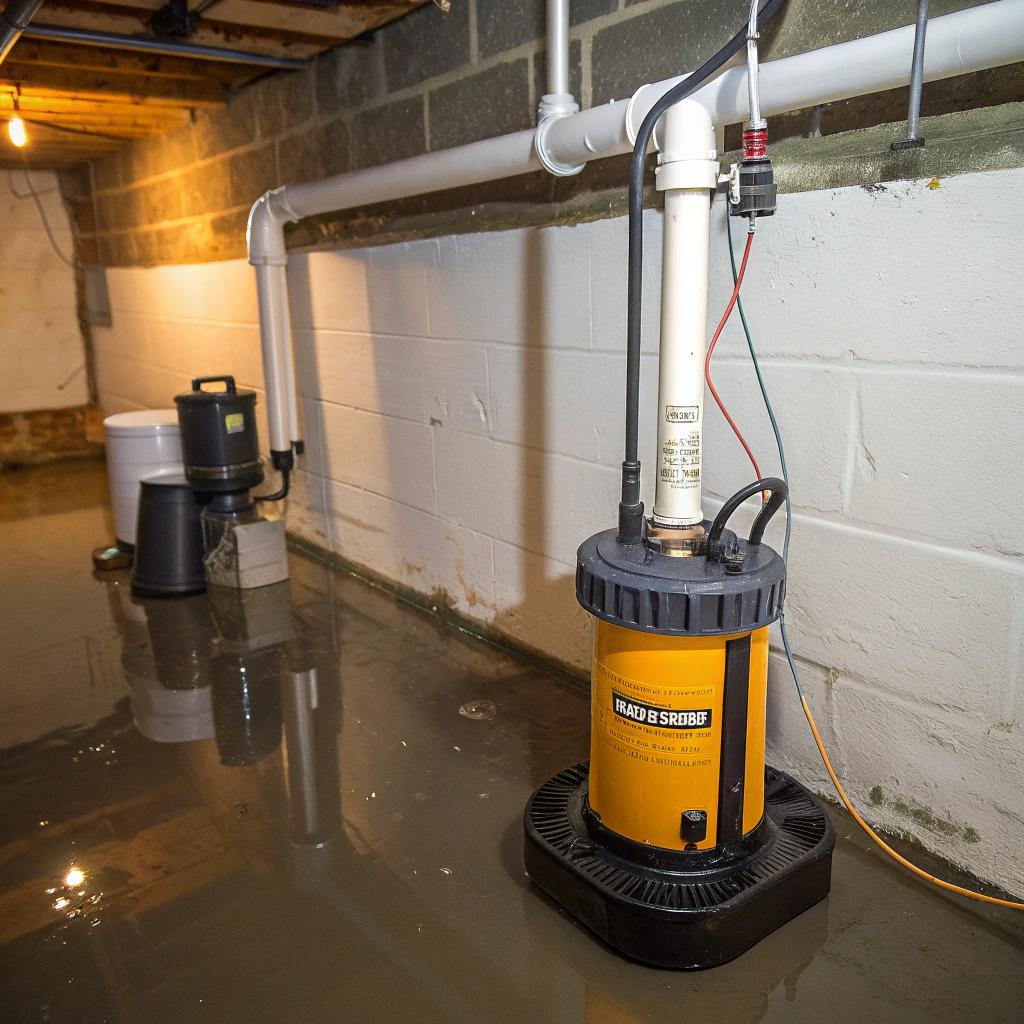
So, you are trying to figure out how sump pump installation in New Jersey can keep your floors dry and safe. The direct answer is that a properly sized, correctly installed sump pump system collects water under your slab or basement floor and moves it out of your house before it can soak into the concrete, damage your flooring, or create mold.
In New Jersey, with all the rain, snow melt, and high water tables in many towns, a sump pump is not some luxury piece of equipment. It is a basic piece of protection for finished basements, storage areas, and even ground-level living spaces that sit low. If you want to put down new flooring, or you already invested in hardwood, vinyl plank, carpet, or tile, you probably do not want water creeping in from below. That is where a proper system, sometimes paired with French drains or interior drain tile, really matters.
For local help, many homeowners start with sump pump installation New Jersey services so they do not need to guess their way through sizing, codes, and plumbing connections.
Things you need to know
- New Jersey basements and slabs are at higher risk for water because of heavy rain, snow, and mixed soil types.
- A sump pump alone will not fix every water problem, but it is often the key piece that makes flooring projects safe.
- Location of the sump pit matters as much as the pump itself.
- Finishing a basement without drainage and a sump is risky in many New Jersey homes.
- Battery backup and check valves are not upgrades for show; they protect you during storms and power loss.
- Improper installation can make your water problem worse or damage your foundation.
- Think of the sump pump as part of a whole waterproofing plan, not a quick gadget you drop in a hole.
Why sump pumps matter so much for New Jersey floors
If you live in New Jersey and have a basement or a slab-on-grade floor, ground water is just a fact you live with. Some years are fine. Then you get one week of heavy rain, the soil is saturated, and suddenly you find damp corners, efflorescence on the floor, or that musty smell that never fully goes away.
I have walked into more than one basement where the owner said, “It only floods in really bad storms.” Then you look around and see curled vinyl planks, stained carpet edges, or hardwood that has started to cup. The floor tells a different story than their memory. Water is slow and stubborn. Once it finds a path under your slab, it will use it again and again.
For any kind of finished flooring in a New Jersey basement, a reliable sump pump system is almost as basic as electricity and heat.
Even if you are just storing boxes or tools down there, water and humidity will still cause damage over time. Rusted feet on appliances, mold on cardboard, swollen baseboards. It sneaks up on you.
How a sump pump actually protects your flooring
A sump pump does not dry out every inch of concrete. It creates a controlled low point where water can collect and then be pumped outside. The key is that the water flows into the pit before it spreads over the surface of the floor.
Basic flow of water with a sump system
You can picture it step by step:
- Water pushes through soil and along the outside of your foundation wall.
- It reaches a drain system next to or under the slab, which slopes toward the sump pit.
- The drain drops the water into the pit, which is the lowest point.
- The pump turns on once the water reaches a set level.
- The pump sends the water out through discharge piping, away from the house.
Because the water has an easy route into the drain and pit, it does not build up the same pressure against the slab. That reduces seepage through hairline cracks and porous spots. Less moisture under the floor means less damage to:
- Glue-down flooring adhesives
- Floating floor underlayment
- Wood-based subfloor panels
- Carpet padding and tack strips
If you want flooring that stays flat and does not bubble, curl, or mold, you need the concrete under it to stay dry, not just the air in the room.
Dehumidifiers can help, but they only control air moisture. A sump pump actually reduces the amount of liquid water pushing against your slab.
New Jersey conditions that affect sump pump choices
New Jersey is strange in that you can have sandy coastal soil in one town, then heavy clay a few miles inland, and bedrock closer to the surface somewhere else. That mix means water behaves differently from block to block, not just county to county.
That variety affects sump pump decisions:
| Condition | What it means for sump design |
|---|---|
| High water table | Pit will fill often, so you need a reliable, higher capacity pump and solid discharge plan. |
| Clay soil | Water moves slowly and can build pressure on walls and slab. Interior drains tied to a sump are common. |
| Old stone or block foundations | More seepage through joints. Sump plus interior drainage can relieve that constant trickle. |
| Finished basement with low ceiling | Limited space for deep pits, discharge routing needs extra planning. |
| Area with frequent outages in storms | Battery backup or water-powered backup pump is strongly recommended. |
So, the same pump that works fine in one New Jersey town may not be a good fit in another. I know that sounds like nitpicking, but if the pump is undersized or installed in the wrong spot, you might feel safe until the first big nor’easter hits.
How sump pump installation fits with flooring projects
If you are reading this on a site about home renovation and flooring, you might be asking a simple question: do you really need a sump pump before installing new floors?
My honest answer is: in many New Jersey basements, yes. That is not a scare tactic. It is just based on what happens when people skip the waterproofing step, then call for help a year later when the bottom row of drywall is soft and the baseboards have started to rot.
Signs you should not install flooring yet
Before you drop thousands on LVP, engineered wood, or tile, check for these warning signs:
- Concrete that looks darker in certain spots after heavy rain
- White powder stains on the slab or bottom of the wall (efflorescence)
- Hairline cracks that look damp after storms
- Musty smell even when the basement looks visually dry
- Old water lines on walls or columns that show previous flooding
If any of these are present, you should deal with water control first, then flooring. Replacing flooring is almost always more expensive than installing a sump pump early.
How sump pumps help different flooring types
Different floors tolerate moisture differently. Here is a quick look at how a sump system can protect each type.
| Flooring type | Moisture risk | Benefit of sump pump |
|---|---|---|
| Carpet | Absorbs water, grows mold, smells fast. | Reduces chance of surface wetting and long-term dampness. |
| Hardwood | Cups and warps with moisture from below. | Helps keep slab drier so wood stays flat. |
| Laminate | Swells and separates if moisture gets under it. | Less moisture seepage means longer life. |
| Vinyl plank | Handles some moisture but trap water if it floods. | Lowers odds of hidden puddles under the planks. |
| Tile | Tile is fine, but grout and thinset can crack with shifting moisture. | More stable slab moisture level helps prevent movement. |
So the sump is not about protecting just the surface. It is about stabilizing the environment under the finish so the entire system stays sound.
Key parts of a sump pump system
When people say “sump pump,” they often mean the whole system, not just the pump itself. That can lead to confusion when a contractor quotes one thing and the homeowner expects something else.
Main components
- Sump pit (basin) drilled or cut into the slab, usually with a plastic liner.
- Primary pump either submersible or pedestal, sized to handle expected water volume.
- Float switch to turn the pump on and off at set water levels.
- Check valve on the discharge pipe to keep water from flowing back into the pit.
- Discharge line that carries water outside and away from the foundation.
- Backup pump or power source battery, water-powered, or second pump.
- Lid or cover to keep debris and humidity from rising into the basement.
If a contractor is vague about which of these are included, that is usually a sign you need to ask more questions. A cheap job that skips a check valve or proper lid will cause trouble later.
Choosing the right sump pump for your New Jersey home
There are a few basic decisions you will need to make. Some of them are technical, some are just practical.
Submersible vs pedestal
Submersible pumps sit in the pit water and have a sealed motor. Pedestal pumps sit above the pit with the intake down at the bottom.
- Submersible pumps are quieter and let you put a lid over the pit easily.
- Pedestal pumps can be easier to service, and some people like that they are not fully underwater.
For finished basements where flooring and sound matter, I usually lean toward submersible. The lid helps with humidity and smell, and you can place furniture closer to the pit area without worrying as much.
Pump capacity
Pumps are rated in gallons per hour (GPH) at certain lift heights. This can feel like guesswork if you are not in the trade, so here is a simple guideline:
| Water problem level | Typical pump range |
|---|---|
| Occasional seepage after big storms | 1/3 HP pump is often enough |
| Regular water in pit during rainy seasons | 1/2 HP pump with good GPH rating |
| Very high water table, frequent cycling | 3/4 HP or higher, possibly dual pump setup |
Too small and the pump will run constantly and wear out. Too big and you may be paying for capacity you never use, though that is not as big of a problem as being undersized. The main thing is to match the pump to the actual water volume, which is where an experienced installer has real value.
Backup options
New Jersey storms often mean power outages. This is the exact time you need your pump the most, which is a bit ironic. Backup matters.
- Battery backup gives several hours of pumping, sometimes more, depending on basin size and how fast water comes in.
- Water-powered backup uses your city water to create suction and pump out pit water, but it raises the water bill and needs proper backflow protection.
If your basement is finished, and you have expensive floors or a lower-level bedroom, skipping backup protection is risky. That is my honest view, even if some installers downplay it to make the price look nicer.
Where the sump pump should go
Placement is not random. The pump belongs at the lowest point of the basement or in the corner where water tends to collect. Many homes already show you where that spot is, with stains or small pools during heavy rain.
But there are tradeoffs:
- Closer to a wall is easier to tie into interior drainage.
- Closer to an exterior wall makes routing the discharge line easier.
- Near utilities might be convenient, but you do not want water near a furnace or electrical panel if you can avoid it.
If you plan to remodel, it can help to map the basement into zones. Storage, media, laundry, maybe a home office. Putting the pit under future storage shelves is often smarter than in the middle of a future living room where noise and access become an issue.
How installation actually happens
Many homeowners feel nervous about the idea of cutting a hole in the basement floor. That reaction is normal. Breaking concrete sounds destructive. In practice, a careful install is controlled and does not harm the structure when done correctly.
Typical step-by-step process
- Mark the pit location and cover nearby furniture or flooring.
- Cut a circle in the concrete slab with a saw and remove the section.
- Excavate the hole to the right depth and width for the basin.
- Place gravel at the bottom for drainage and set the basin level.
- Connect any interior drainage or perforated piping to the basin if part of a larger system.
- Backfill around the basin with gravel and then concrete to close the gap to the floor.
- Install the pump, float, and discharge piping with a check valve.
- Drill a discharge exit through the band board or wall, then run piping outdoors.
- Direct outflow away from the foundation, often using downspout extensions or pop-up emitters.
- Test the system by filling the pit with water and watching the pump cycle.
The mess is usually limited to dust and broken concrete that gets cleaned up. The bigger impact is planning where the discharge goes outside so you are not just dumping water next to a neighbor’s foundation or back into your own yard near a low spot.
Discharge line mistakes to avoid
Many flood stories start with a simple error in the discharge line. The pump itself was fine. The problem was where the water ended up.
Things to watch for:
- Discharge line that empties right next to the house, so the same water circles back.
- Lines that cross sidewalks and trip people or freeze in winter.
- Pipes that pitch the wrong way and trap water, which then freezes.
- Trying to tie the line into a sewer without checking local codes, which can be illegal.
If you are doing a big yard or hardscape project, you can plan the sump discharge at the same time. For example, run it underground through the yard to a pop-up at a lower area where water can soak into soil safely. Or tie it near a drainage swale that already moves water away.
How sump pumps affect air quality and mold
Most people first think about big puddles or clear flooding. But a lot of basement problems start with higher humidity and constant dampness, not ankle-deep water.
A working sump pump does two things for air quality:
- Lowers the amount of water vapor rising from the slab over time by letting water escape before it reaches the surface.
- Lets you pair the system with proper wall drainage and maybe a dehumidifier, which together make the space more comfortable.
For flooring, mold is the quiet enemy. It loves the dark space under carpets and behind baseboards. If you are trying to keep your family healthy and your basement usable, reducing that constant dampness is more helpful than buying “mold resistant” labels on random products.
DIY vs hiring a New Jersey sump pump installer
You can buy a pump and pit at a big box store and handle a simple replacement yourself. That is not impossible. People do it all the time. But full installations are a different thing.
Ask yourself a few questions:
- Do you know where your footing lies and how deep you can safely dig near it?
- Can you cut and patch concrete neatly without cracking a wider area?
- Are you comfortable drilling through the band board or wall and sealing the opening?
- Do you know local rules about discharging water near sidewalks or into storm drains?
If the honest answer to a few of those is “not really,” hiring a sump pump installer who works in New Jersey every day might save you from some expensive mistakes.
Costs and what you actually pay for
Prices can vary a lot. Some of that variation is just materials and labor. Some of it is the level of system you are getting. It is easy to fixate on the number without asking what is included.
Typical cost factors
- Type and size of pump
- Depth and size of the basin
- Whether interior drainage is added along walls
- Length and complexity of discharge line
- Backup systems and alarms
- Electric work, like adding a dedicated outlet or circuit
A “cheap” job that only drops a pit in one corner with minimal discharge can look attractive, but if it does not actually capture the water that is affecting your slab, you end up paying twice when you need a second, better system.
If you are already planning a basement remodel with new flooring, it can make sense to budget sump and drainage first, drywall and trim second, flooring last. The order matters for long-term results.
How sump pumps tie into other waterproofing methods
A sump pump on its own is rarely the whole solution. It is more like the heart of a system. The rest of the “body” includes gutters, grading, wall treatment, and sometimes exterior work.
Common pieces that work with a sump
- Interior French drains along the perimeter of the basement, draining into the pit.
- Wall vapor barriers or drainage panels that direct seepage down to the drain.
- Exterior grading to slope soil away from the home.
- Gutter and downspout extensions that send roof water well away from the foundation.
From a flooring point of view, that complete approach means you tackle water at every level: roof, walls, and slab. That gives your floors the stable environment they need.
Common misconceptions about sump pumps and flooring
I see a few ideas repeated often that do not really hold up.
“If the floor looks dry right now, I do not need a sump pump.”
Maybe. Or maybe you are between storms or in a drier season. Basement water problems often show up only under certain conditions. If you see any signs of past moisture, current dryness is not enough proof.
“Luxury vinyl plank is waterproof, so I do not need to worry.”
The planks themselves resist water from above, but water that seeps under them can still cause mold on the concrete or on dust and dirt trapped under the floor. Also, trapped water can smell and hurt nearby baseboards and walls.
“I can just use a bigger dehumidifier instead.”
Dehumidifiers help, but they treat symptoms in the air, not the cause in the slab and soil. They do not actually move water out of the house. They just dry what has already entered.
A good sump pump cuts off part of the problem at the source, before water shows up in your living space.
Maintenance and long-term care
A sump pump is not install-and-forget. It needs a little attention, but not a crazy amount.
Simple routine tasks
- Check the pit every few months for debris or loose items that could block the pump.
- Pour a bucket of water into the pit and confirm that the pump turns on and discharges properly.
- Inspect the discharge line outside for clogs, plants, or damage.
- Test backup systems, including battery charge levels, once or twice a year.
This is less work than dealing with soaked carpet or warped flooring. A half hour a few times a year can prevent a weekend of tearing out wet materials.
Planning ahead if you want to finish or refinish your basement floor
If your basement is unfinished now, you actually have an advantage. You can plan your sump and waterproofing without needing to cut into new flooring or move furniture.
A simple order that works well:
- Evaluate water entry points: slab, walls, plumbing, exterior grading.
- Install sump pump and any needed drainage system.
- Run the system through at least one wet season or a few heavy storms to see how it performs.
- Once you confirm dryness, move forward with subfloor or underlayment.
- Install your chosen flooring last.
Is that slower than just laying flooring now? Yes. But it is also less likely to lead to a rip-out job later. Think about how long you want to enjoy that finished space, not just the next few months.
Quick Q&A: Is a sump pump really worth it for New Jersey floors?
Q: My basement only got wet once during a huge storm. Do I still need a sump pump?
A: If water reached your floor level once, it can do it again. Whether you “need” a sump pump depends on your risk tolerance. If you plan on cheap storage and do not care much, maybe you wait. If you plan on new flooring, furniture, or a bedroom, waiting is a gamble.
Q: Will a sump pump stop every leak in my basement?
A: Not by itself. It helps control ground water and pressure under the slab. Wall cracks, window wells, and plumbing leaks still need their own fixes. But many basements only stay dry after a sump system is installed because it removes the constant water pushing against the foundation.
Q: Can I install new flooring right after the sump is installed?
A: You can, but it is smarter to give the system a little time, especially through a good rain. Watch how the pit cycles, confirm no odd damp spots stay around, then put in the flooring. A tiny bit of patience here can save you some big headaches later.